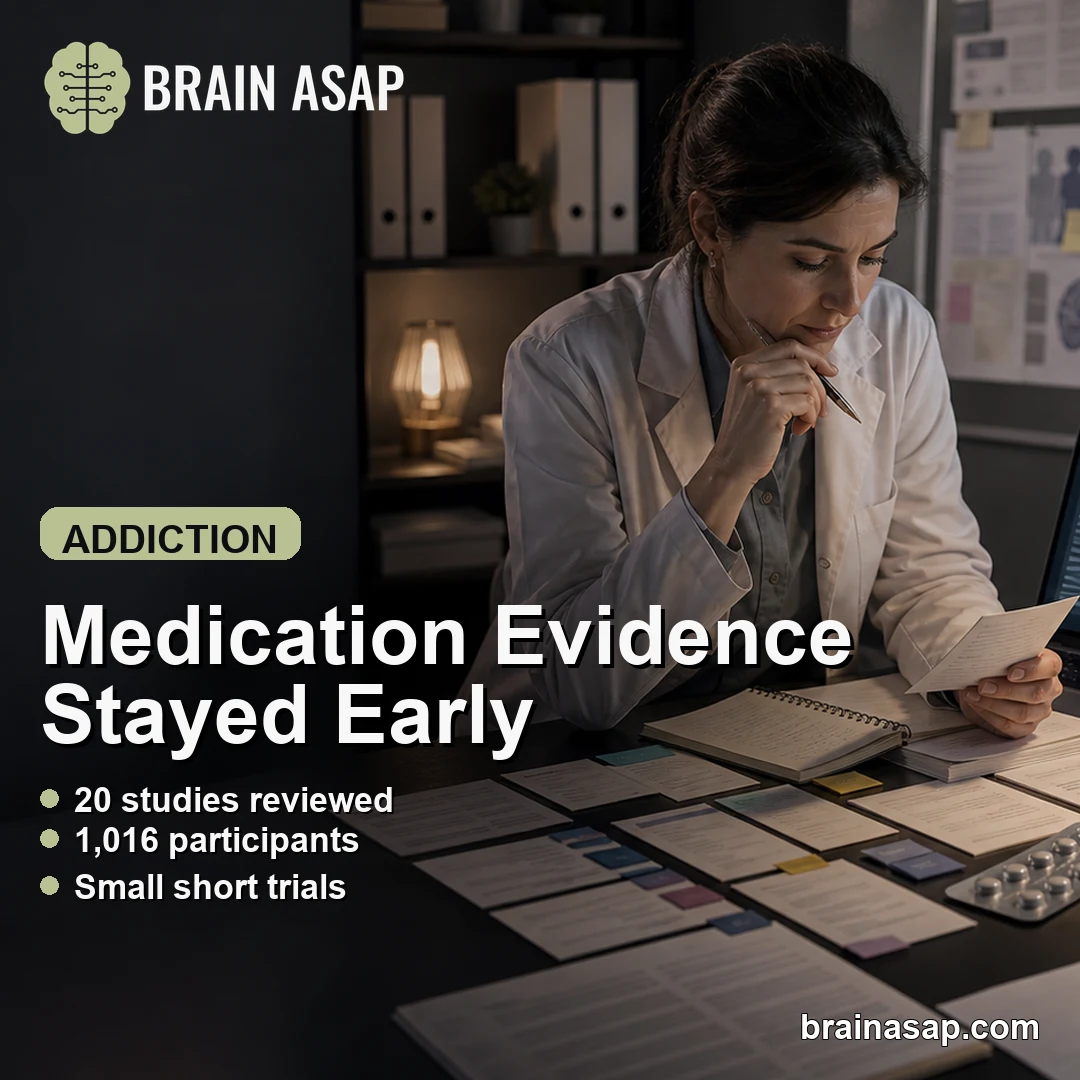
TL;DR: A 2026 systematic review in Future Science OA found early medication evidence for online behavioral addictions, but the 20 included studies were mostly small, male-heavy, and short-term. Key Findings Medication evidence stayed early: The review found sm…
Read article ↗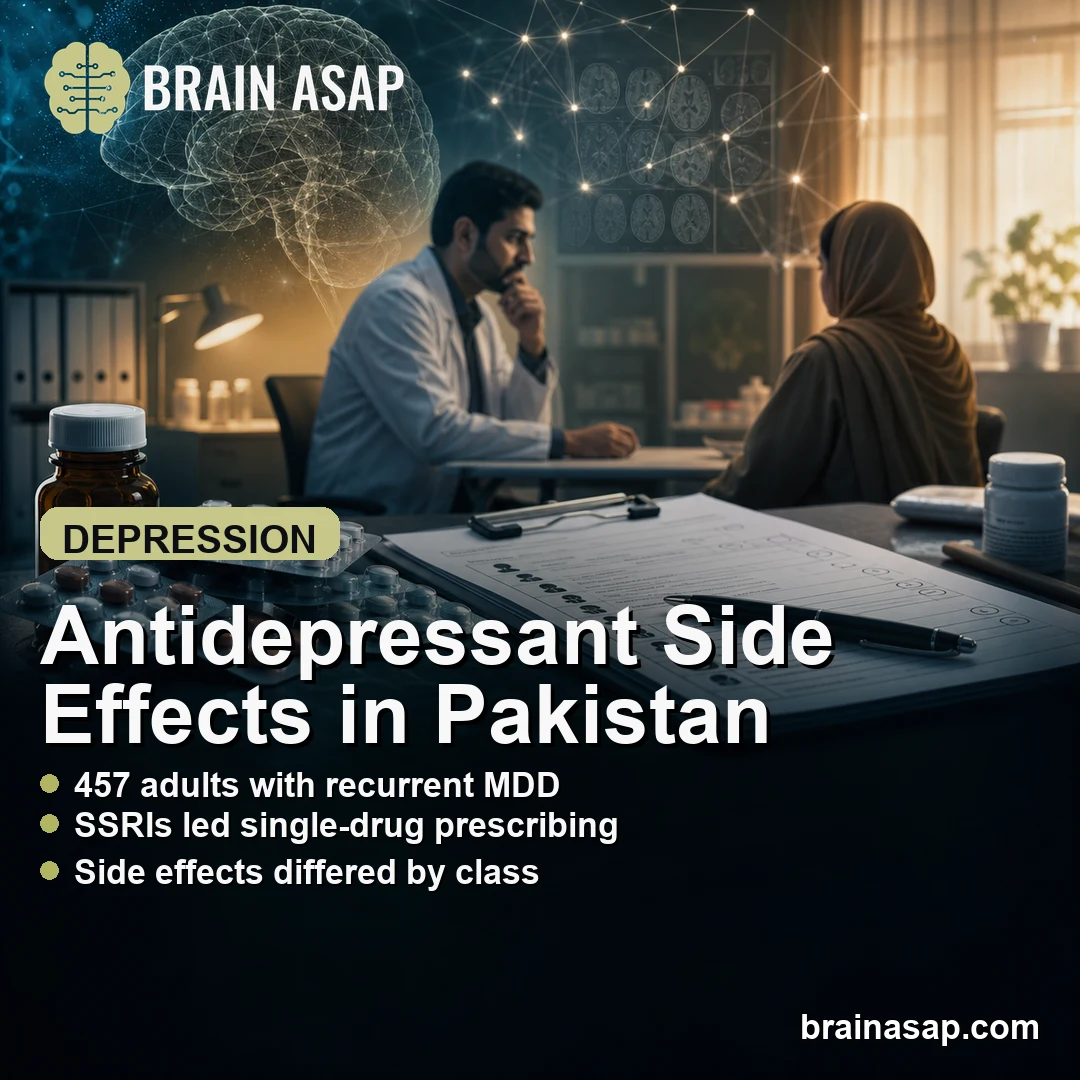
TL;DR: A 2026 study in Annals of General Psychiatry found that, among 457 adults with recurrent major depressive disorder in Pakistan, escitalopram was the most common single antidepressant and reported side effects varied sharply by drug class. Key Findings C…
Read article ↗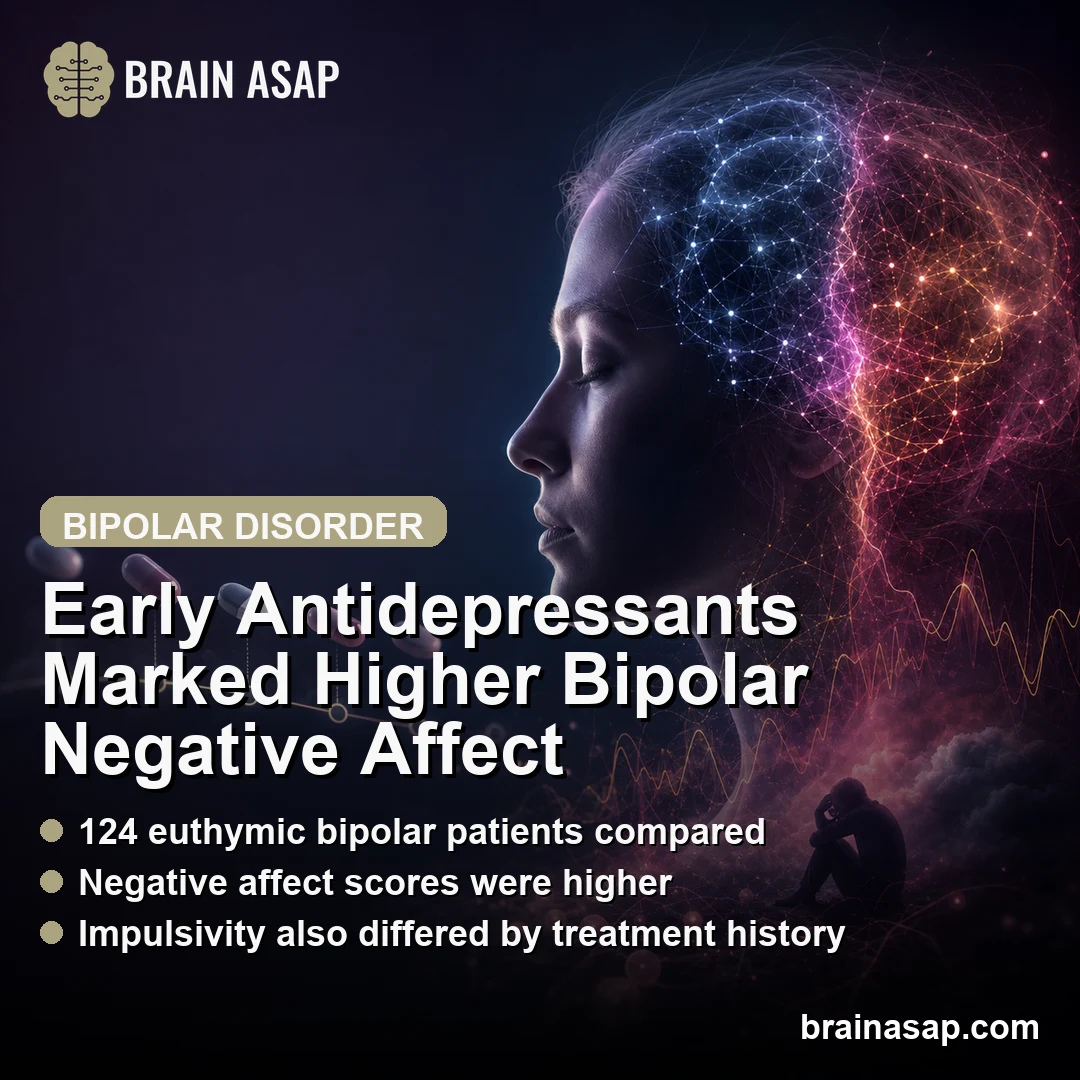
TL;DR: A 2026 cross-sectional study in PLOS One found that euthymic bipolar disorder patients with early systematic antidepressant treatment had higher negative affect and higher attentional, non-planning, and total impulsivity scores than matched patients wit…
Read article ↗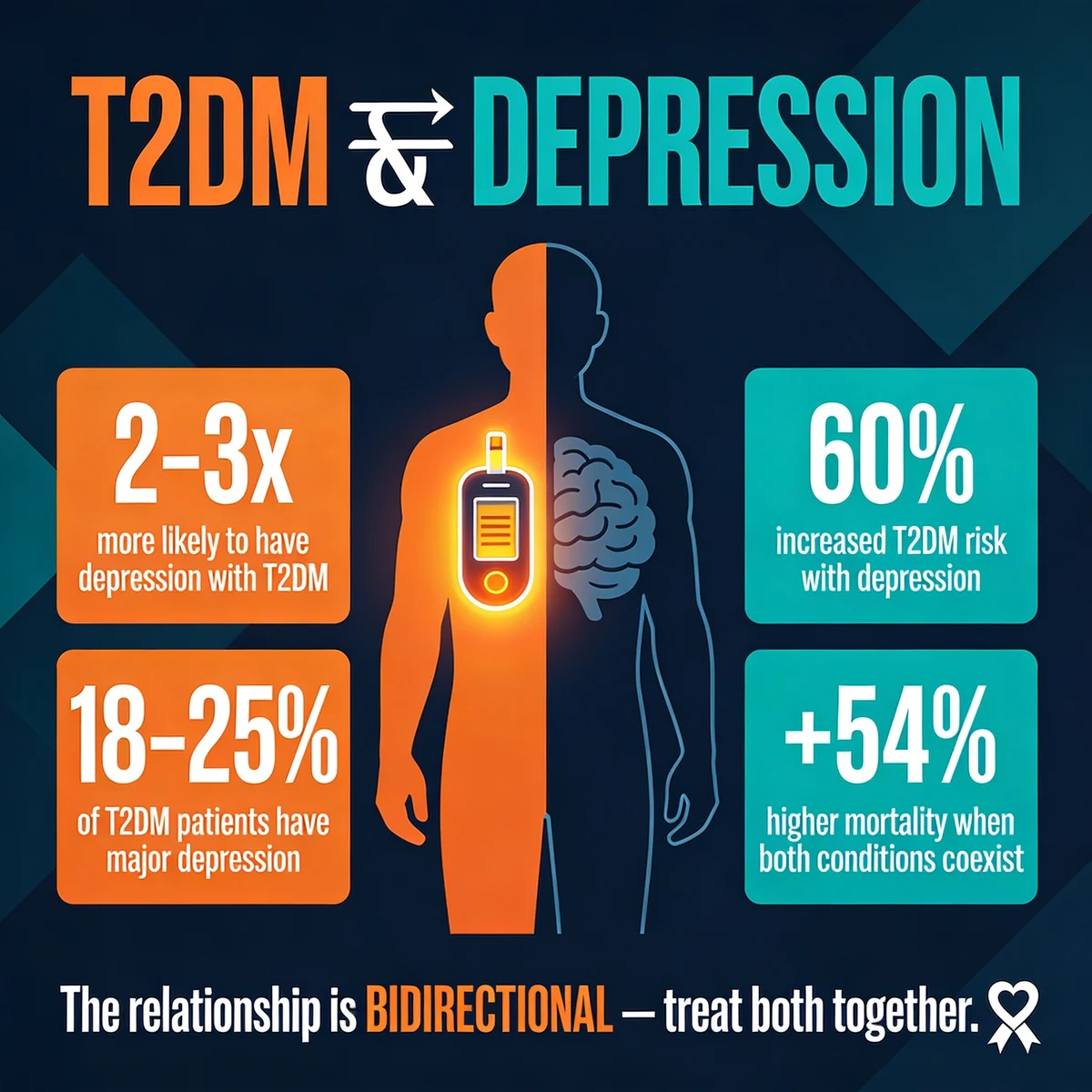
Diabetes and Depression Are Not Just Comorbidities—They Drive Each Other TL;DR: Diabetes and depression form a vicious cycle: high blood sugar triggers neuroinflammation and HPA axis dysfunction that cause depression, while depression sabotages blood sugar con…
Read article ↗
CYP2C19 poor metabolizers showed a nominally higher antidepressant remission rate compared to normal metabolizers, but overall genetic variations in CYP2C19 and CYP2D6 were not significantly associated with antidepressant response. Highlights: Higher Remission…
Read article ↗
Antidepressant treatment in OCD is linked to structural and functional brain changes, particularly in corticosubcortical areas, but these findings need further validation in larger, more homogeneous samples. Highlights: Antidepressant Use: Antidepressants, esp…
Read article ↗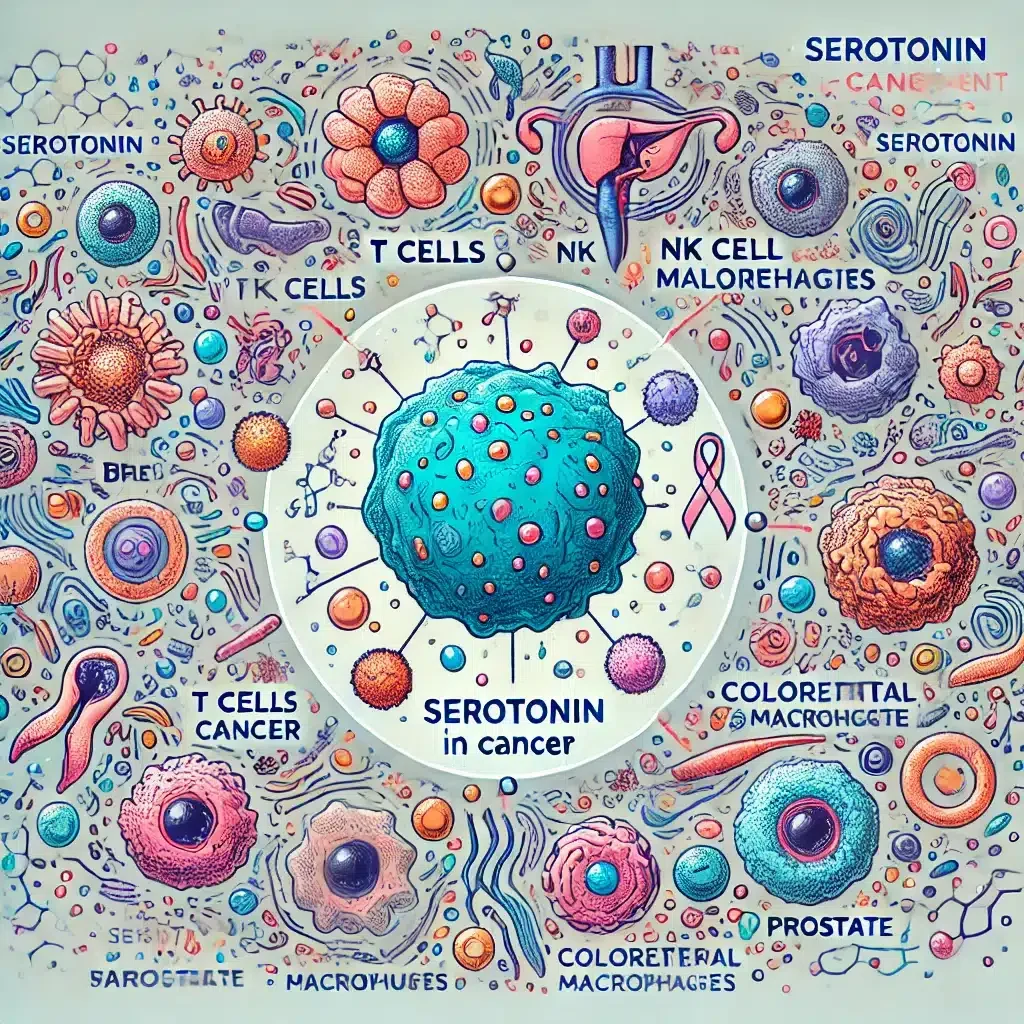
Cancer patients frequently experience depressive symptoms, and the role of serotonin in tumor regulation varies across different types. Highlights: Prevalence of Depression in Cancer Patients: A significant portion of cancer patients experience depressive symp…
Read article ↗
Antidepressant use has risen steadily for 30 years. Over 10% of adults in England now take them long-term, but evidence suggests up to half lack clear medical justification to continue. Patients and doctors are reluctant to stop treatment due to fears of relap…
Read article ↗
Depression often comes with significant sleep disturbances that can persist even after other symptoms improve. Choosing an antidepressant that alleviates sleep problems may improve outcomes. Key Facts: Sleep complaints like insomnia occur in 60-90% of depressi…
Read article ↗
The presence of pharmaceuticals in the environment has become a growing concern, with increasing evidence that these compounds can impact wildlife at low, environmentally relevant levels. One drug in particular – the popular antidepressant fluoxetine (Prozac)…
Read article ↗