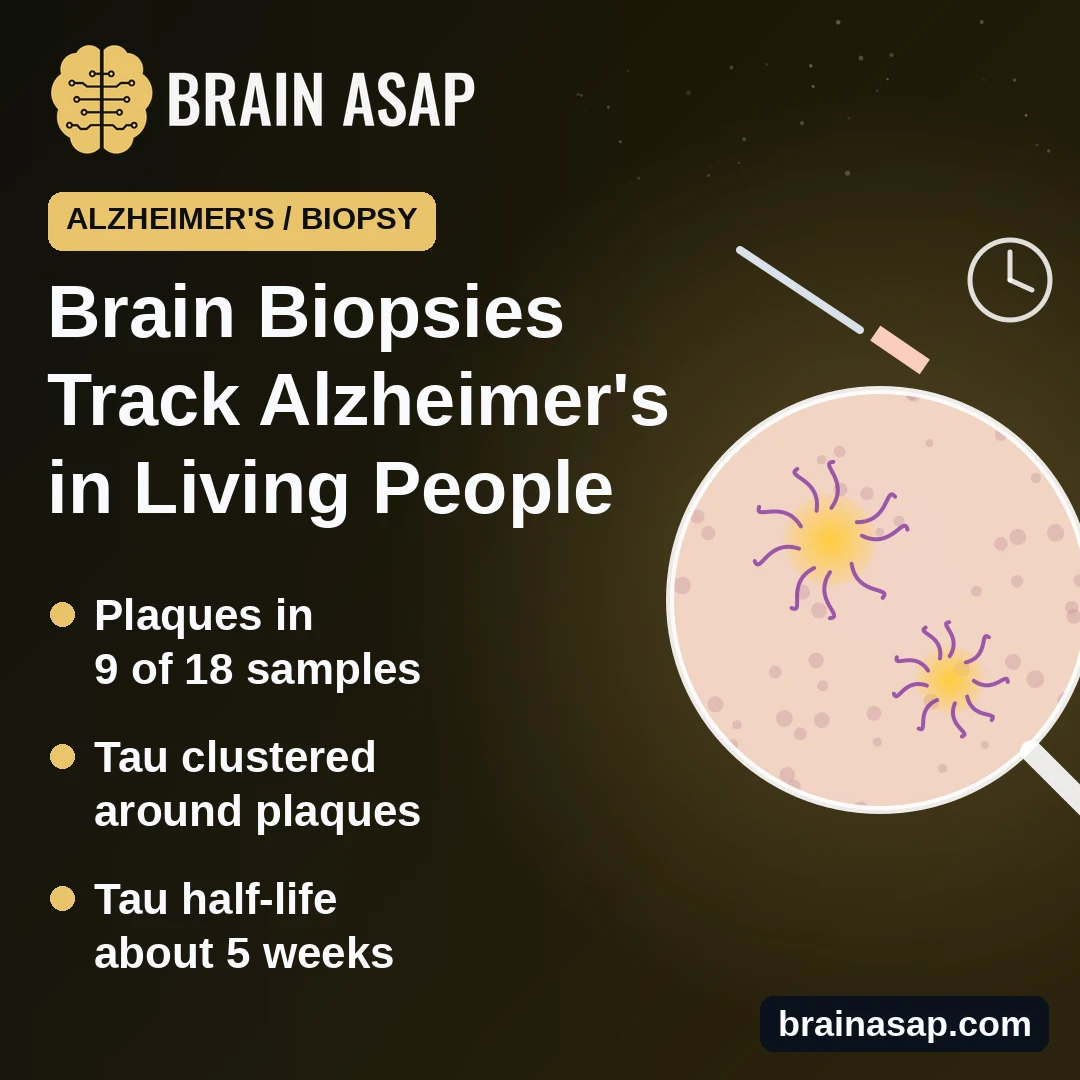
TL;DR: Tiny brain samples taken during routine shunt surgery let researchers study Alzheimer’s changes in living people. Half the samples had amyloid plaques, tau clustered around them, and brain tau had a half-life of about five weeks. Key Findings 18 living…
Read article ↗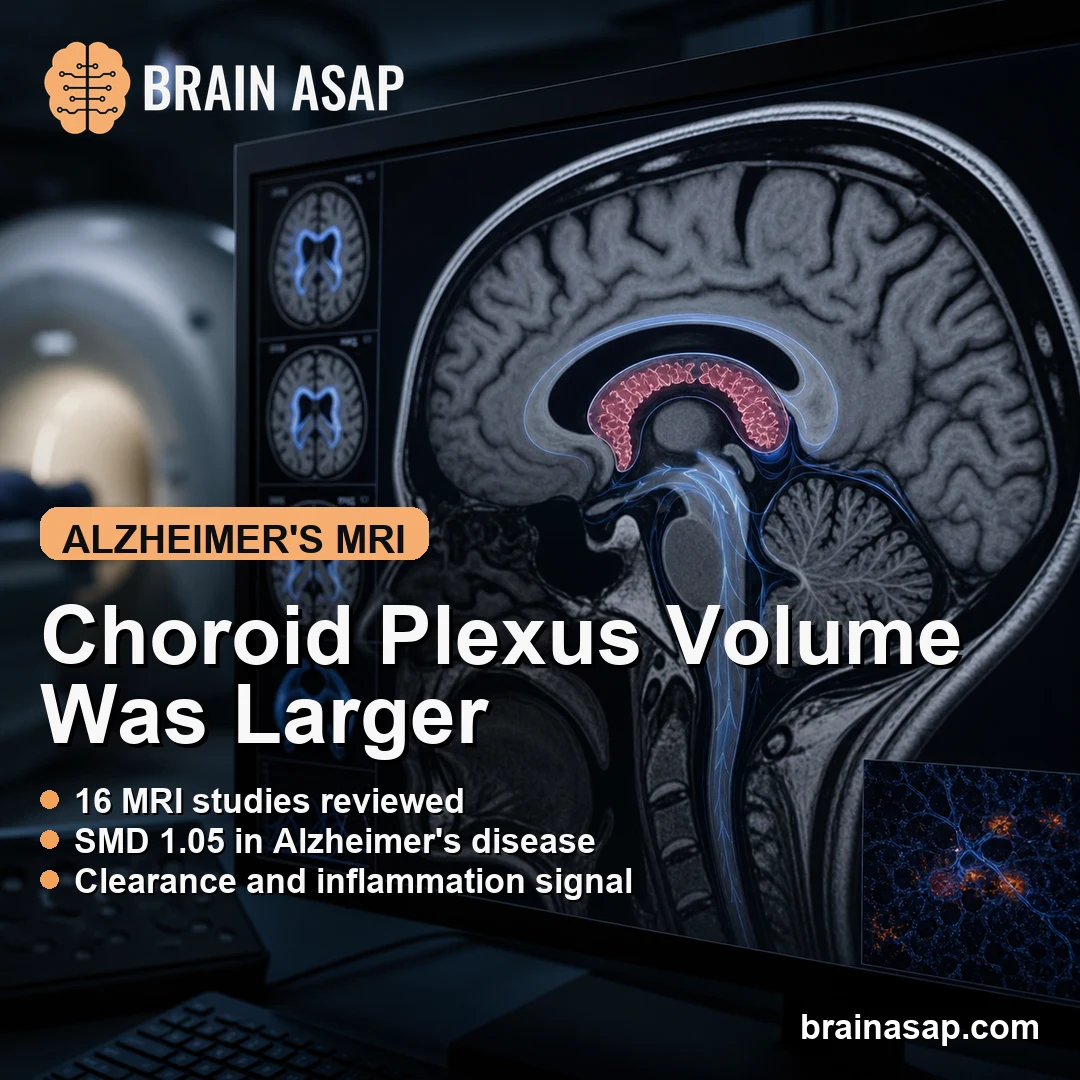
TL;DR: A 2026 systematic review and meta-analysis in Journal of Alzheimer’s Disease found that choroid plexus volume, an MRI-visible structure involved in cerebrospinal-fluid regulation and immune signaling, was larger in Alzheimer’s disease than in healthy co…
Read article ↗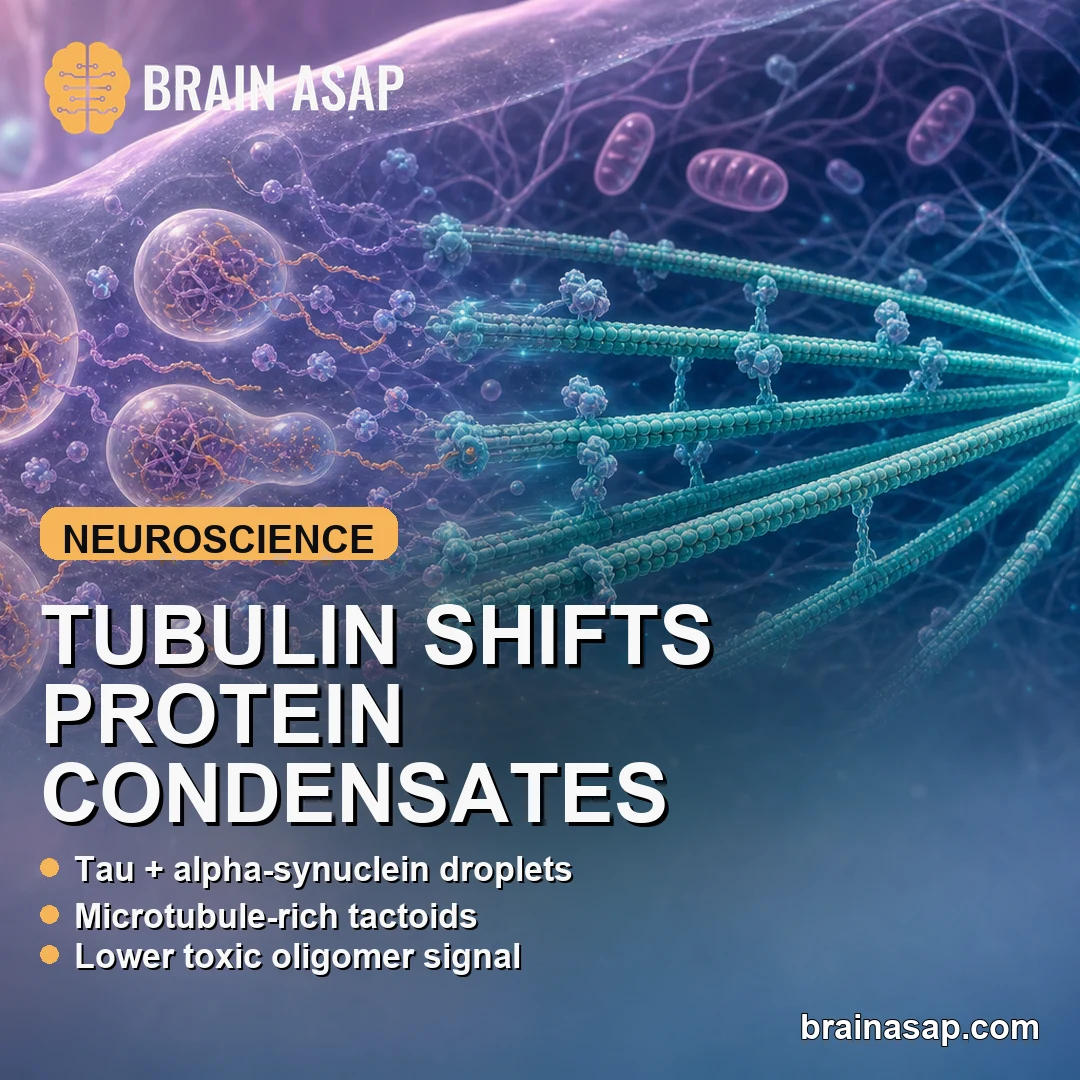
TL;DR: A 2026 study in Nature Communications reported that tubulin redirected Tau and alpha-synuclein condensates toward microtubule-building states, while tubulin loss pushed the same protein system toward toxic oligomers in cell models. Key Findings 36-hour…
Read article ↗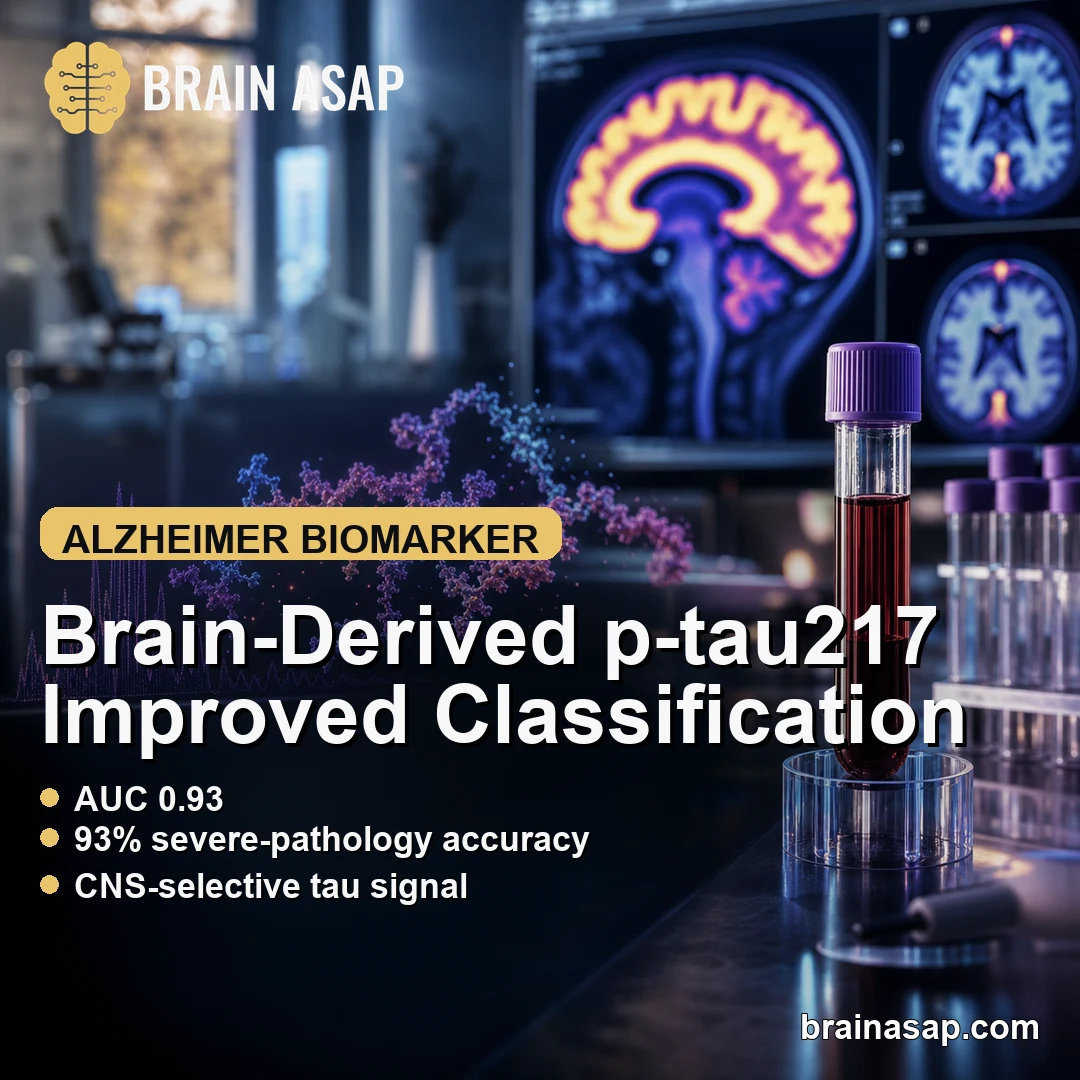
TL;DR: A 2026 preprint in medRxiv found that brain-derived p-tau217%, a blood marker designed to isolate central nervous system tau, classified Alzheimer disease pathology better than standard plasma p-tau217 in several Alzheimer cohorts. Key Findings CNS-sele…
Read article ↗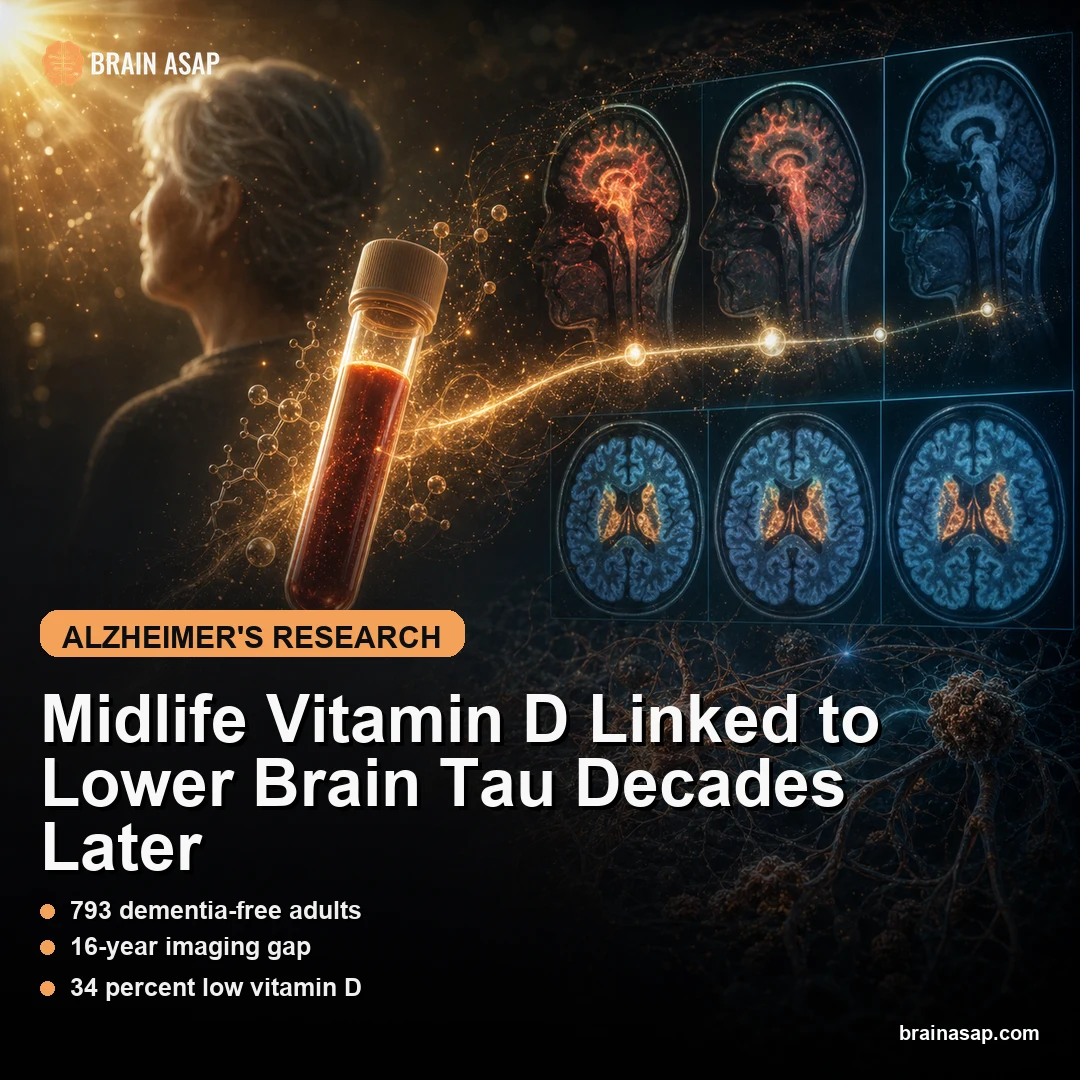
TL;DR: A 2026 study in Neurology Open Access found that in 793 dementia-free adults, higher vitamin D levels around age 39 were associated with less tau readout on PET brain imaging about 16 years later, while amyloid beta did not show the same relationship. K…
Read article ↗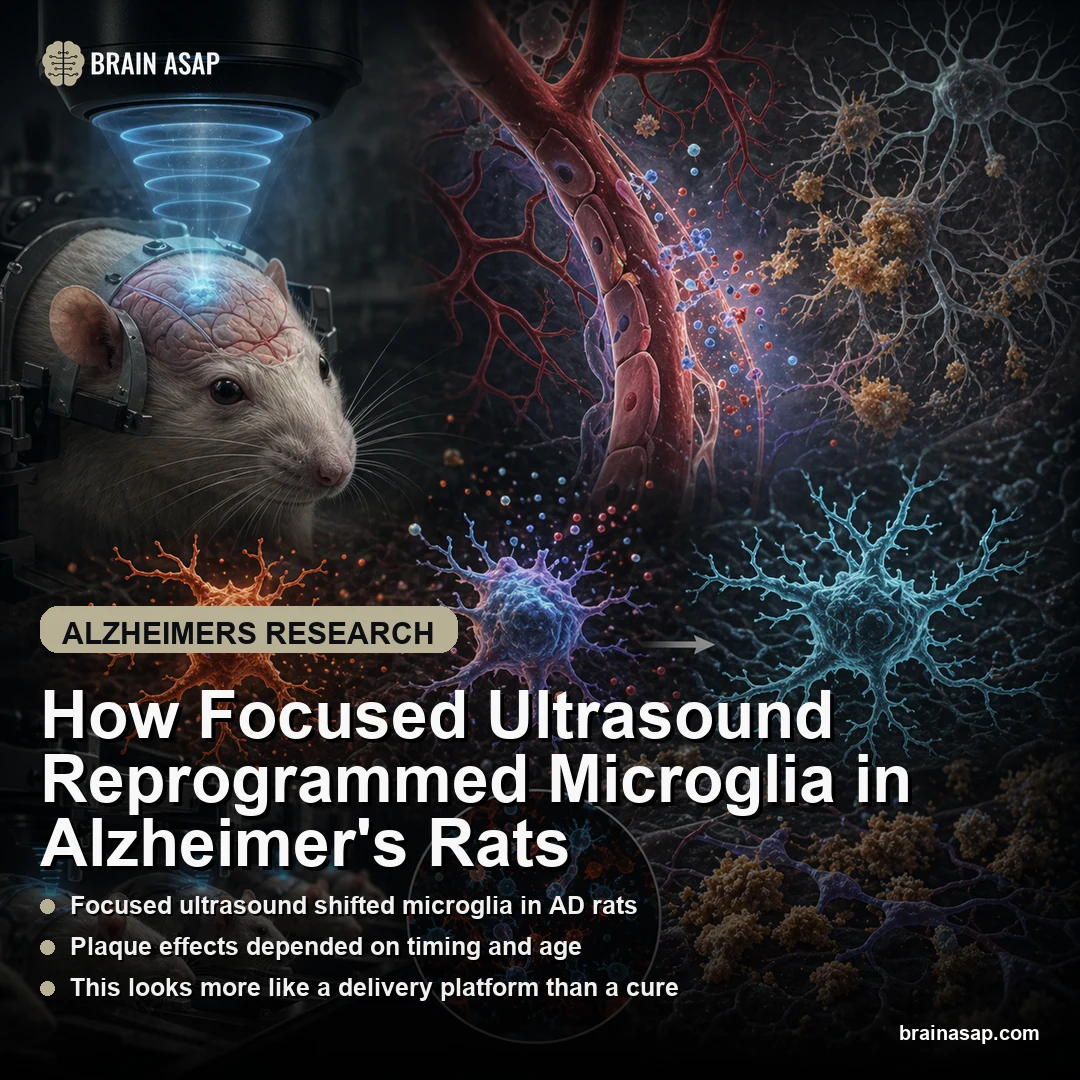
How Focused Ultrasound Reprogrammed Microglia in Alzheimer’s Rats TL;DR: In TgF344-AD rats, repeated low-intensity focused ultrasound triggered a short-lived inflammatory response, then left behind a more durable microglial metabolic shift in early disease wit…
Read article ↗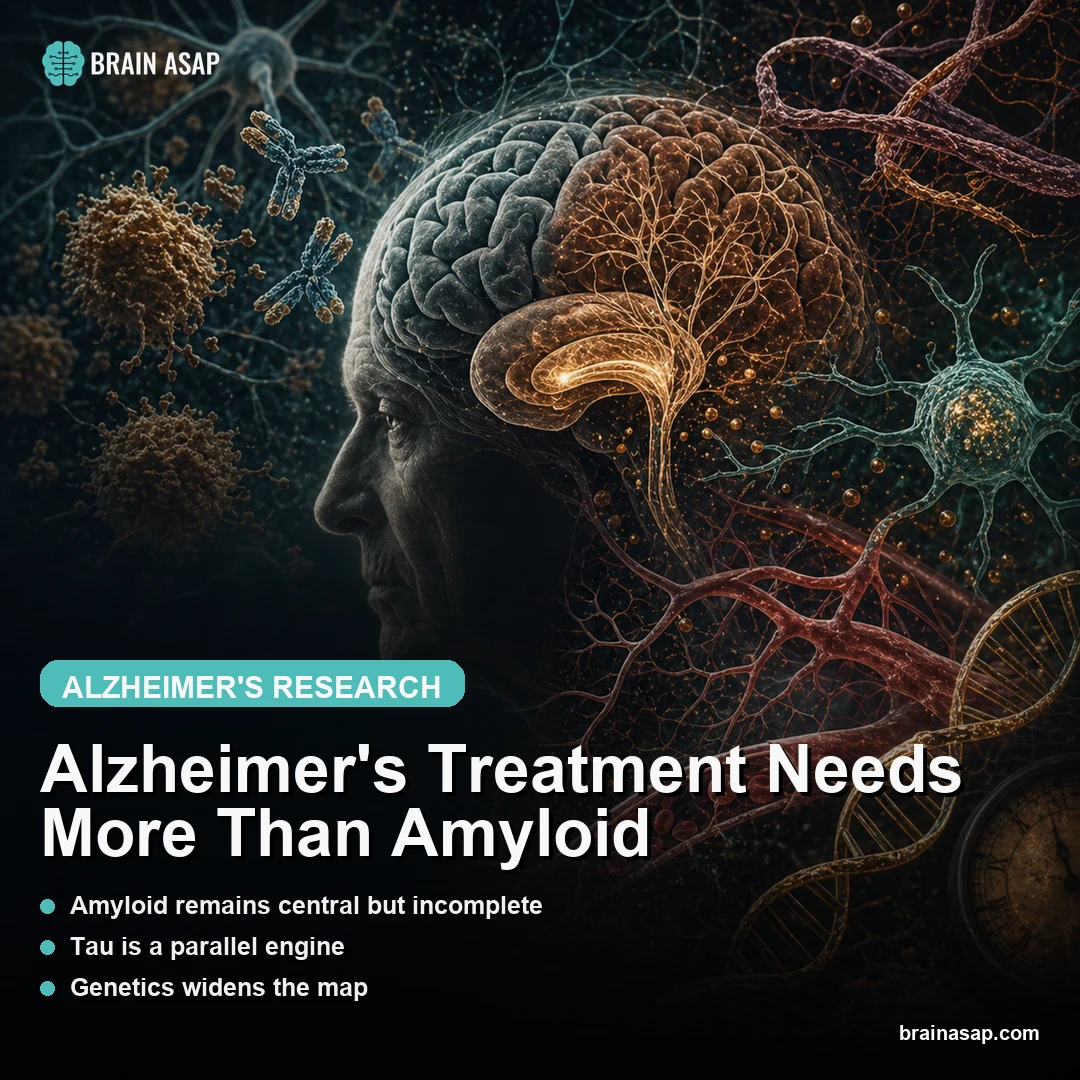
Alzheimer’s Treatment Needs More Than Amyloid TL;DR: A 2026 review in Science China Life Sciences argues that amyloid-beta antibodies such as lecanemab and donanemab are important progress, but Alzheimer’s treatment cannot stop at amyloid. The disease also inv…
Read article ↗