TL;DR: A 2026 study in Psychopharmacology found that low oral THC doses did not meaningfully reduce most subjective or physiological responses when healthy adults retrieved memories of a prior social stress task. Key Findings Low-dose THC groups: Participants…
Read article ↗
TL;DR: A 2026 Neuropsychopharmacology study of 11,036 ABCD participants found youth who initiated cannabis use showed flatter cognitive-development trajectories from ages 9 to 17, with hair-detected THC linked to worse episodic-memory change. Key Findings 11,0…
Read article ↗
TL;DR: A 2026 study in Psychopharmacology found that healthy adults who used cannabis frequently had higher circulating THC markers after at least 12 hours of verified abstinence, but their cold-pressor pain threshold, pain tolerance, and pain ratings did not…
Read article ↗
TL;DR: A 2026 rat study in Psychopharmacology found that THC exposure during late adolescence left adult animals with elevated anxiety-like behavior and impaired object-recognition and spatial-memory performance after a drug-free recovery period. Key Findings…
Read article ↗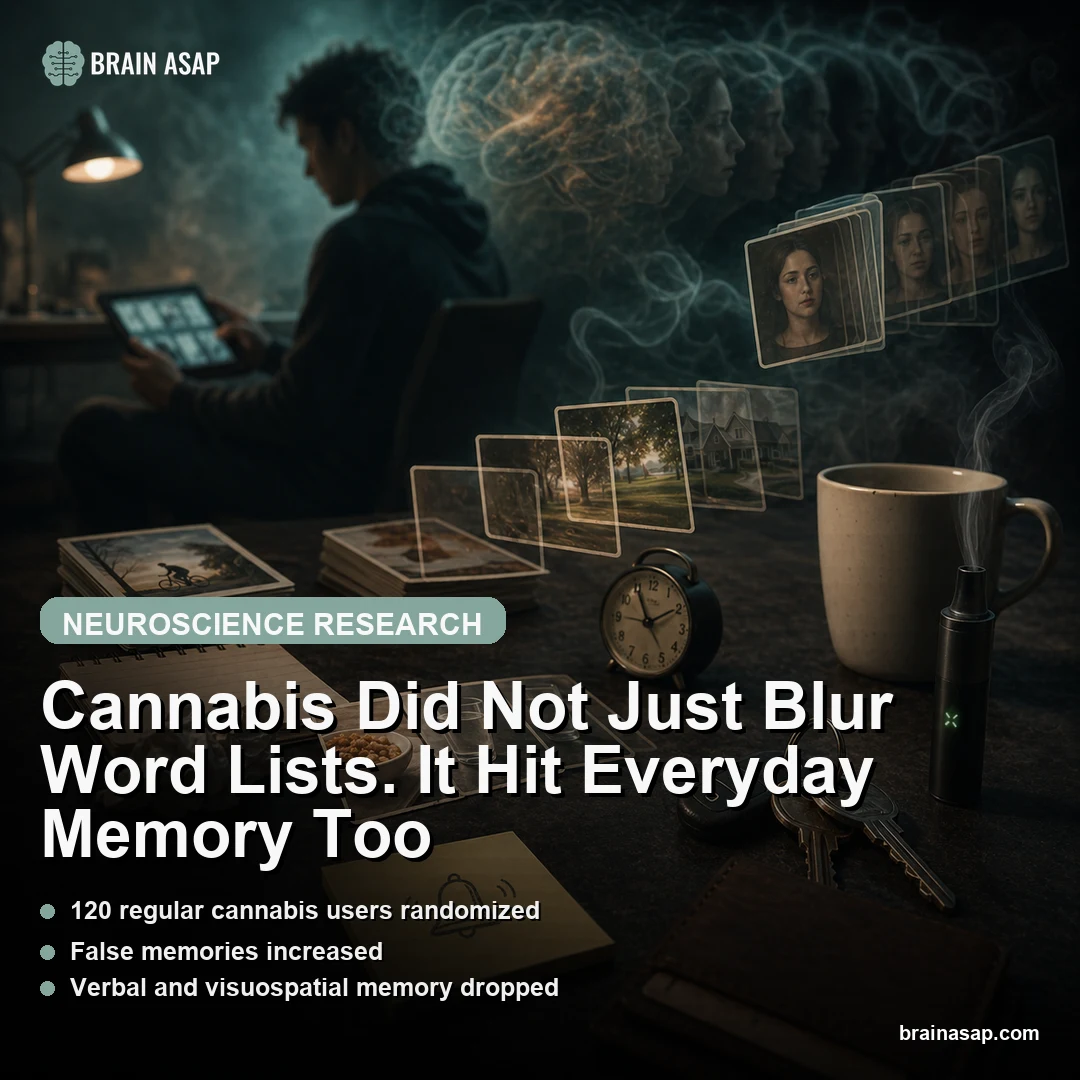
Cannabis Did Not Just Blur Word Lists. It Hit Everyday Memory Too TL;DR: A randomized vaporized-THC trial found broad acute memory impairment, including false memories, prospective memory, source memory, and temporal order memory, with no meaningful dose split…
Read article ↗
A new study looked at the side effects people report from using delta-8-THC products and found that most match the side effects seen with regular cannabis. This suggests delta-8-THC acts on the brain in a similar way as the main psychoactive compound in cannab…
Read article ↗
A new study finds that cannabis use disorder is prevalent among adults who use cannabis for medical or nonmedical reasons in Washington state, where recreational cannabis use is legal. The research shows that over 20% of primary care patients who reported cann…
Read article ↗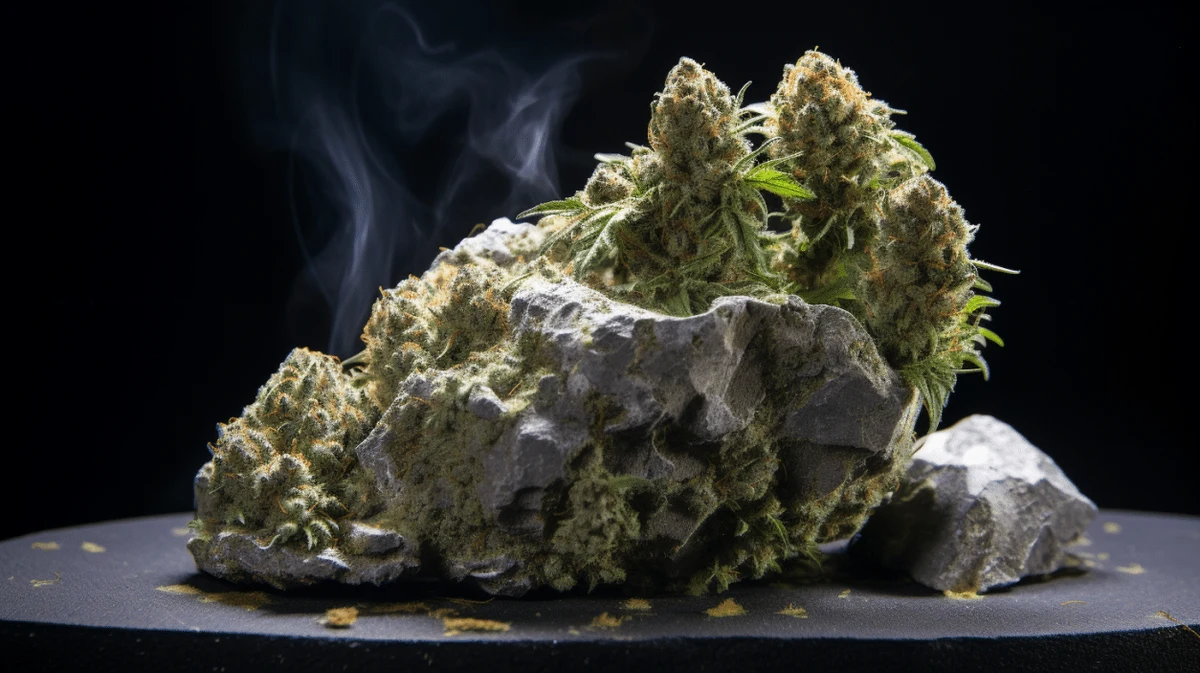
A potent new form of marijuana (cannabis) called “moon rock” has been connected to a troubling case of psychosis and recurring seizures in a young man with no prior history of mental illness or seizures. This case highlights the potential risks of high-potency…
Read article ↗
Recreational drug use is constantly evolving, with new substances emerging and old drugs being used in new ways. This can pose risks, especially for the developing adolescent brain. Key Facts: Use of designer opioids like fentanyl is skyrocketing, causing a ri…
Read article ↗