
Student cognitive abilities and college institutional factors both shape outcomes, but the historical evidence suggests student characteristics play an outsized role. Key Facts: In the research paper, student cognitive aptitude accounted for 41-47% of the vari…
Read article ↗
Nutrition plays a major role in mental health, with diet quality closely linked to risk of common mental disorders like depression. This review comprehensively analyzes recent research on the impacts of nutrition on mental health and the use of nutritional int…
Read article ↗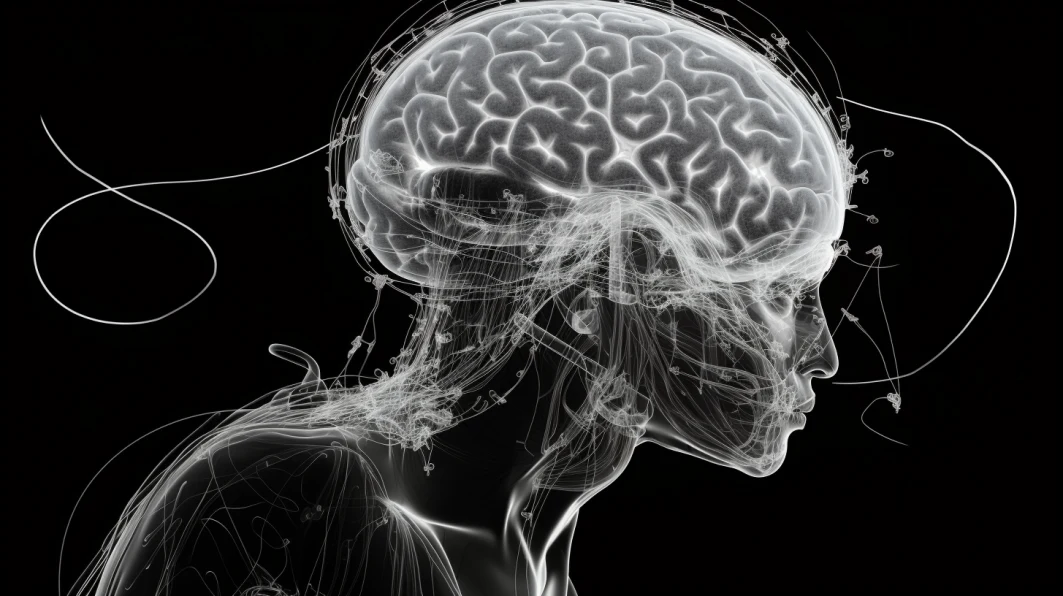
A new study published in Frontiers in Psychiatry provides promising evidence that focused ultrasound stimulation of the prefrontal cortex can alleviate depressive behaviors in mice by suppressing inflammatory responses. Key facts: Researchers stimulated the pr…
Read article ↗
A series of studies suggest that repeated low doses of d-amphetamine can lead to a progressively greater behavioral response in some people. This phenomenon, known as “behavioral sensitization,” has been observed in animal models and hypothesized to contribute…
Read article ↗
Big picture: Psychoplastogens are a groundbreaking new class of psychoactive compounds that rapidly induce structural and functional changes in the brain, allowing pathological neural circuits to be rewired for therapeutic benefit. Key facts about psychoplasto…
Read article ↗
Chamomile, a popular herbal tea, has frequently been associated with benefits for relaxation and sleep. A new systematic review and meta-analysis published in Phytotherapy Research comprehensively analyzes the clinical research on chamomile for anxiety, insomn…
Read article ↗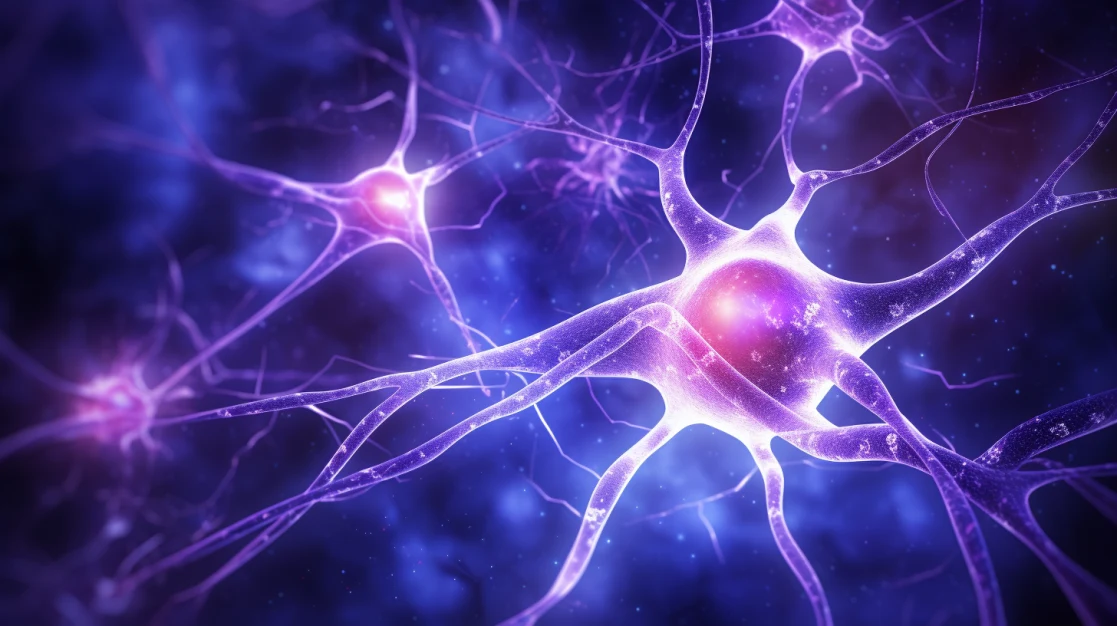
For over half a century, neuroscientists operated under the assumption that the human brain contains around 100 billion neurons and over 1 trillion glial cells. This oft-cited “fact” made its way into textbooks and became common knowledge despite a lack of str…
Read article ↗
Albert Einstein is widely regarded as one of the greatest physicists and intellectuals in human history. His theories of relativity revolutionized our understanding of space, time, gravity and energy. Not surprisingly, there has been great interest in understa…
Read article ↗
A new study finds that adolescents who identify as multiracial face greater health and behavior risks compared to peers who identify with one race. Key findings show mixed-race youth have higher rates of health issues, substance use, suicidal thoughts, sexual…
Read article ↗
Amphetamine is well known for its ability to increase dopamine levels in the brain. But new research suggests the psychostimulant drug may also directly alter dopamine 2 receptors, with implications for behavioral effects and physiological changes seen after c…
Read article ↗