Levels of BDNF, Triglycerides, Total Cholesterol May Predict Suicidal Ideation in First-Episode Schizophrenia (2024 Study)

The study found that higher levels of brain-derived neurotrophic factor (BDNF) and better cognitive function reduce suicidal thoughts in first-episode schizophrenia patients, while more severe symptoms and higher total cholesterol levels increase the risk. Highlights: Suicidal Ideation Rate: 26.02% of first-episode schizophrenia patients had suicidal thoughts. Risk Factors: Higher total cholesterol (TC) levels and more …
Read more

Deep Brain Stimulation (DBS) of Nucleus Accumbens Treats Cocaine Addiction in Male Rats But Not Females (2024 Study)

Deep brain stimulation (DBS) in the nucleus accumbens reduces cocaine seeking in male rats but is ineffective in female rats, regardless of their estrous cycle phase. Highlights: No FDA-Approved Treatments: There are currently no FDA-approved treatments for cocaine use disorder. DBS Reduces Cocaine Seeking in Males: Previous studies and the current experiment show that DBS …

Read more

Polygenic Scores May Improve Accuracy of ADHD Diagnosis when Combined with Standard Diagnostic Scales (2024 Study)

The ADHD polygenic score (PGS) adds slight yet statistically significant value to existing ADHD diagnostic tools, though it currently lacks clinical utility. Highlights: Study Overview: Researchers tested if adding a genetic score (ADHD PGS) to traditional diagnostic tools (ASRS and WURS scales) and family history could better predict ADHD. Improvement in Diagnosis: Adding the ADHD …

Read more

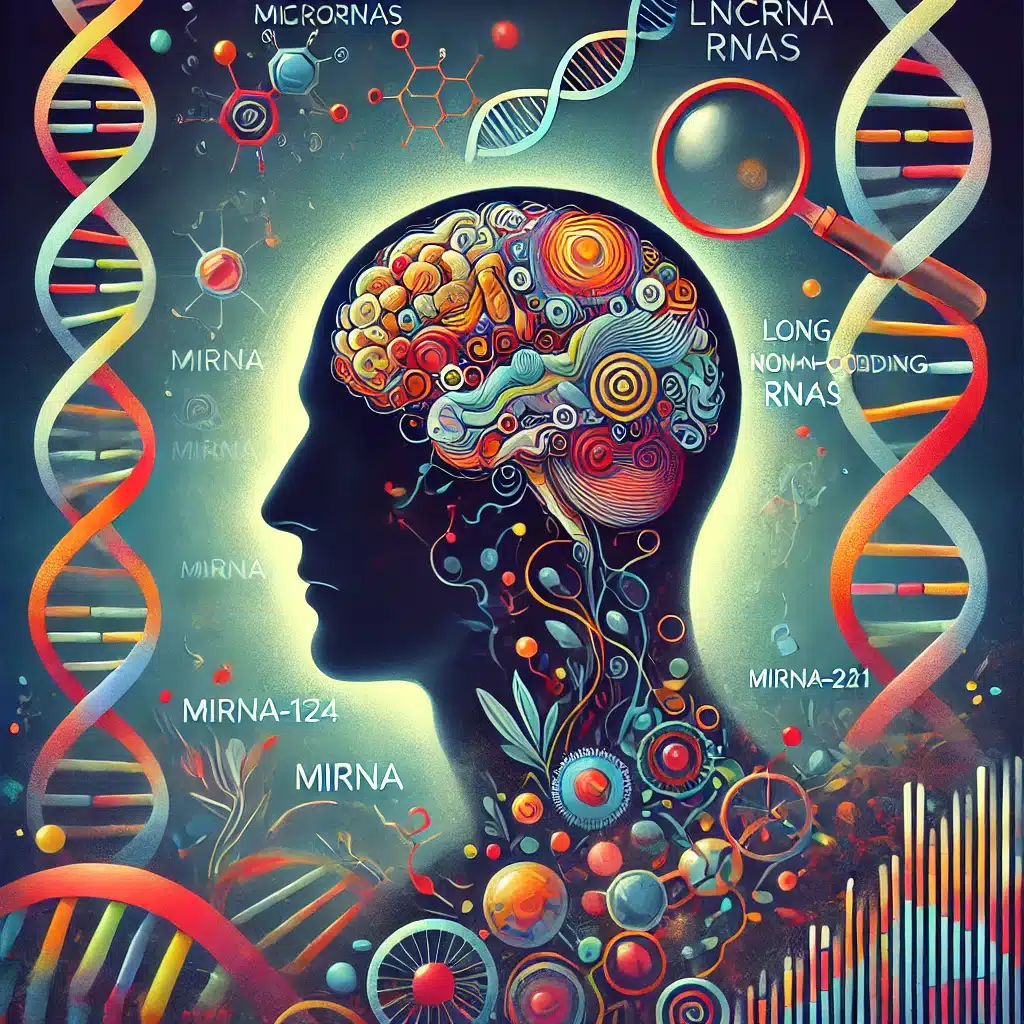
Micro & Long Non-Coding RNAs in Blood Samples May Accurately Diagnose Depression & Monitor Treatment Responses (2024 Study)

The study suggests that microRNAs (miRNAs) and long non-coding RNAs (lncRNAs) in blood and brain tissues can serve as significant biomarkers for diagnosing and monitoring major depressive disorder (MDD). Highlights: Diagnostic Potential: miRNAs and lncRNAs show significant variations in depressed patients, indicating their potential as diagnostic biomarkers for MDD. Treatment Monitoring: Changes in miRNA levels …

Read more

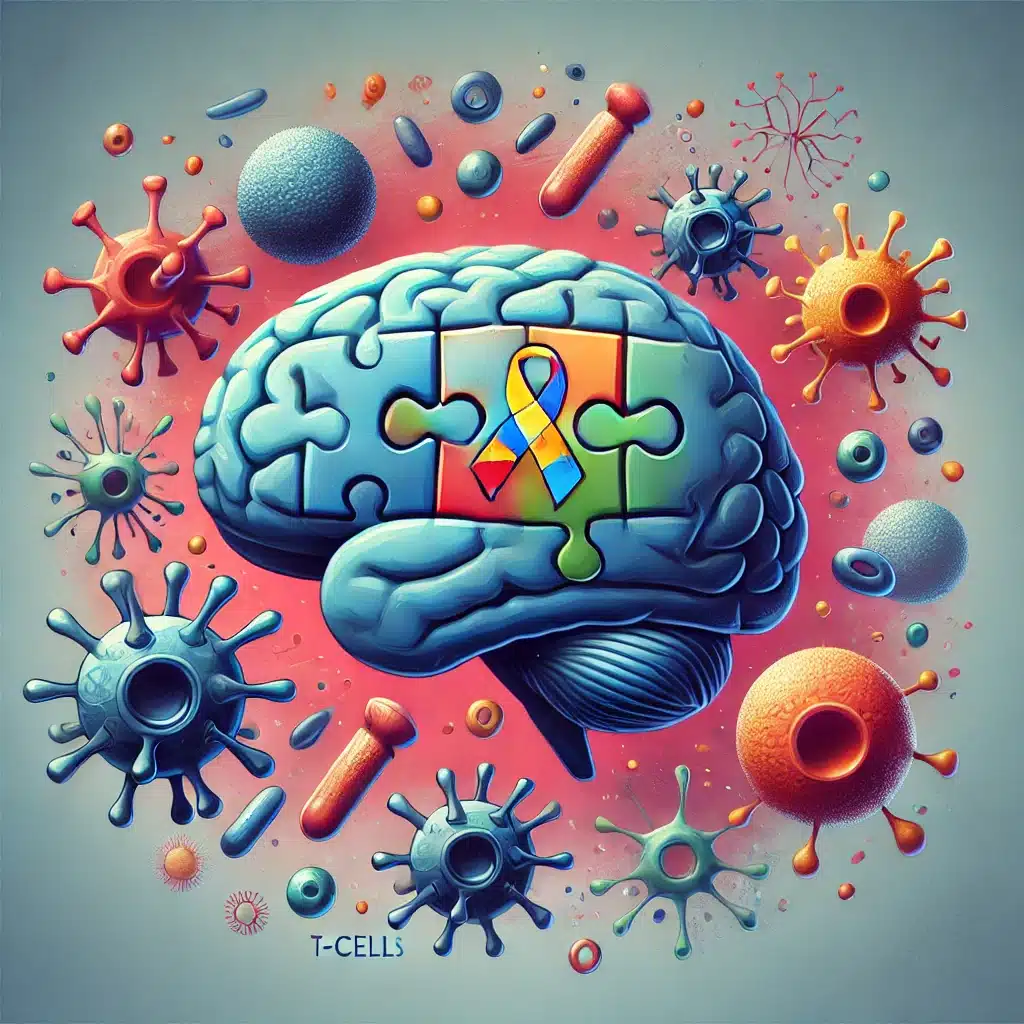
Autism Genetics & Immune Cell Activity: Causal Biomarkers Identified (2024 Study)

A study reported significant causal relationships between specific immune cell subtypes and autism spectrum disorder (ASD), highlighting 26 genetic correlations and potential biomarkers for early detection and treatment. Highlights: Significant Genetic Correlations: The study identifies 26 potential correlations between genetic predispositions in immune cell types (immunophenotypes) and the risk of developing ASD. Bi-Directional Analysis Results: …

Read more

TMS is Effective But Underutilized for Major Depression vs. Standard of Care (2024 Study)

Transcranial magnetic stimulation (TMS) is underutilized in treating major depressive disorder (MDD) despite showing significant clinical benefits, with barriers including insurance coverage and limited access. Highlights: Study Scope: Analyzed real-world data from a large, multi-site psychiatric practice to evaluate TMS utilization and outcomes compared to usual care (UC) for patients with MDD. Patient Cohorts: Among …

Read more

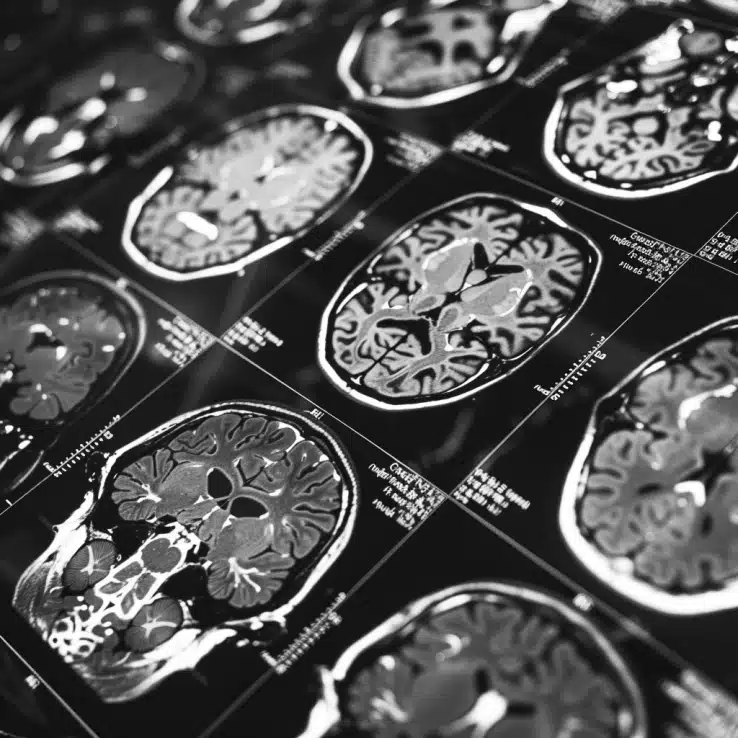
Age-Related Brain Volume Changes in Men & Women (2024 MRI Study)

Normal aging leads to a decrease in brain volume, with gray and white matter shrinking and cerebrospinal fluid increasing, as measured by synthetic MRI. Highlights: Study Sample: 300 healthy adults (141 males, median age 48; 159 females, median age 50) were analyzed using synthetic MRI. Brain Volume Trends: Brain parenchymal volume (nBPV) decreases steadily with …

Read more

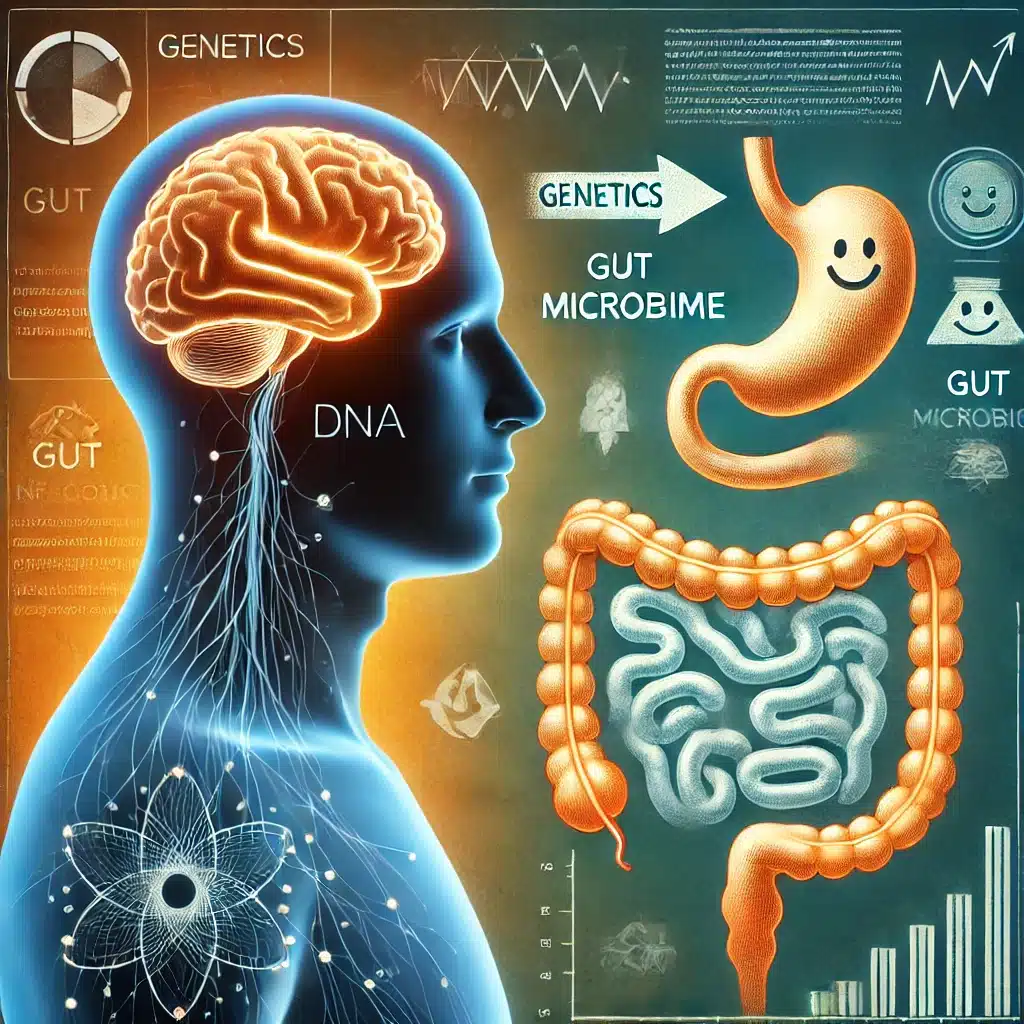
Genetics of Depression Linked to Gut Microbiome Abnormalities (2024 Study)

Alterations in the gut microbiome are causally linked to major depressive disorder (MDD), with certain gut bacteria either increasing or decreasing the risk of developing MDD. Highlights: Protective Bacteria: Ten gut bacterial taxa, including phylum Actinobacteria and family Bifidobacteriaceae, were found to be protective against MDD. Risk Factors: Ten other taxa, such as phyla Firmicutes …

Read more

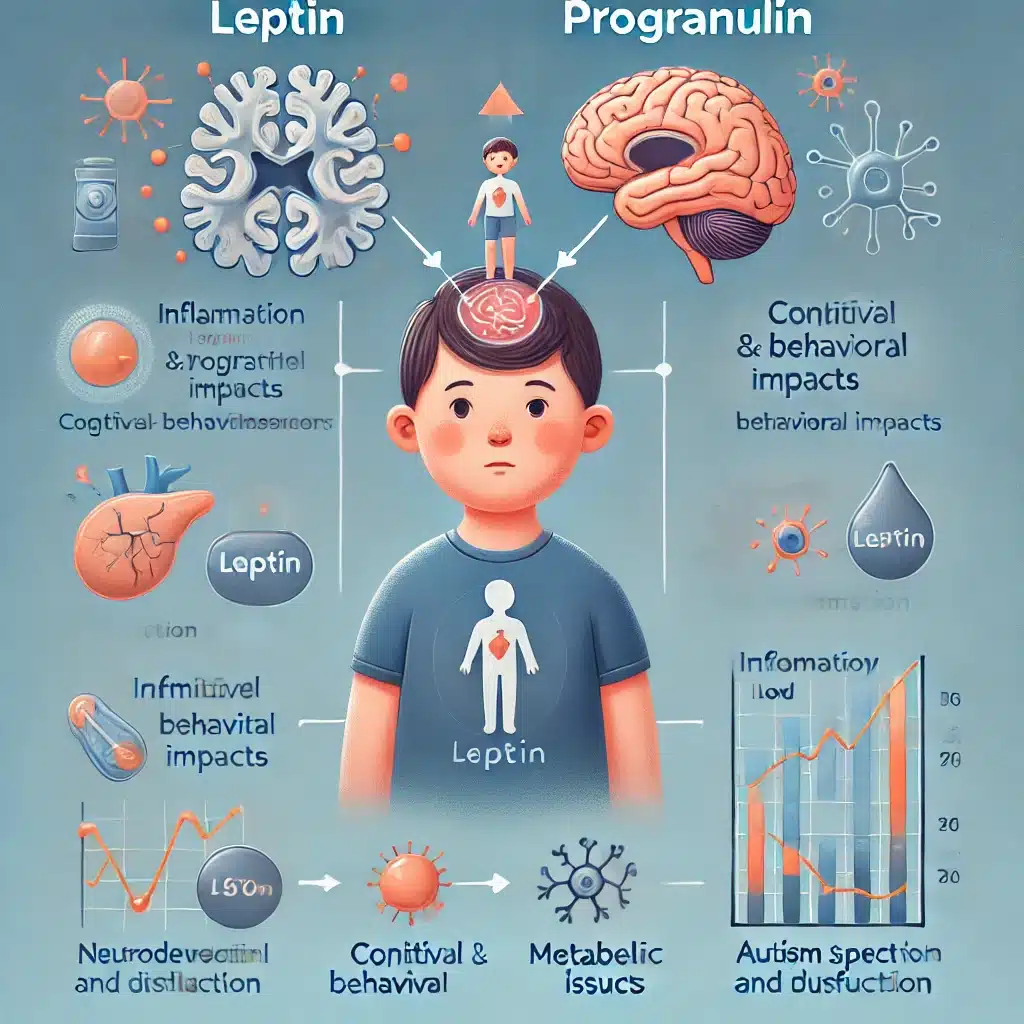
Autism Linked to High Leptin & Low Progranulin in Children (2024 Meta-Analysis)

Leptin levels are significantly increased in children with autism spectrum disorder (ASD) compared to healthy controls, suggesting a potential role in ASD pathology. Highlights: Leptin Levels: Children with ASD have significantly higher serum leptin levels compared to healthy controls, as confirmed by both individual study results (p=0.0319) and meta-analysis (p<0.001). Progranulin Reduction: In addition to …

Read more