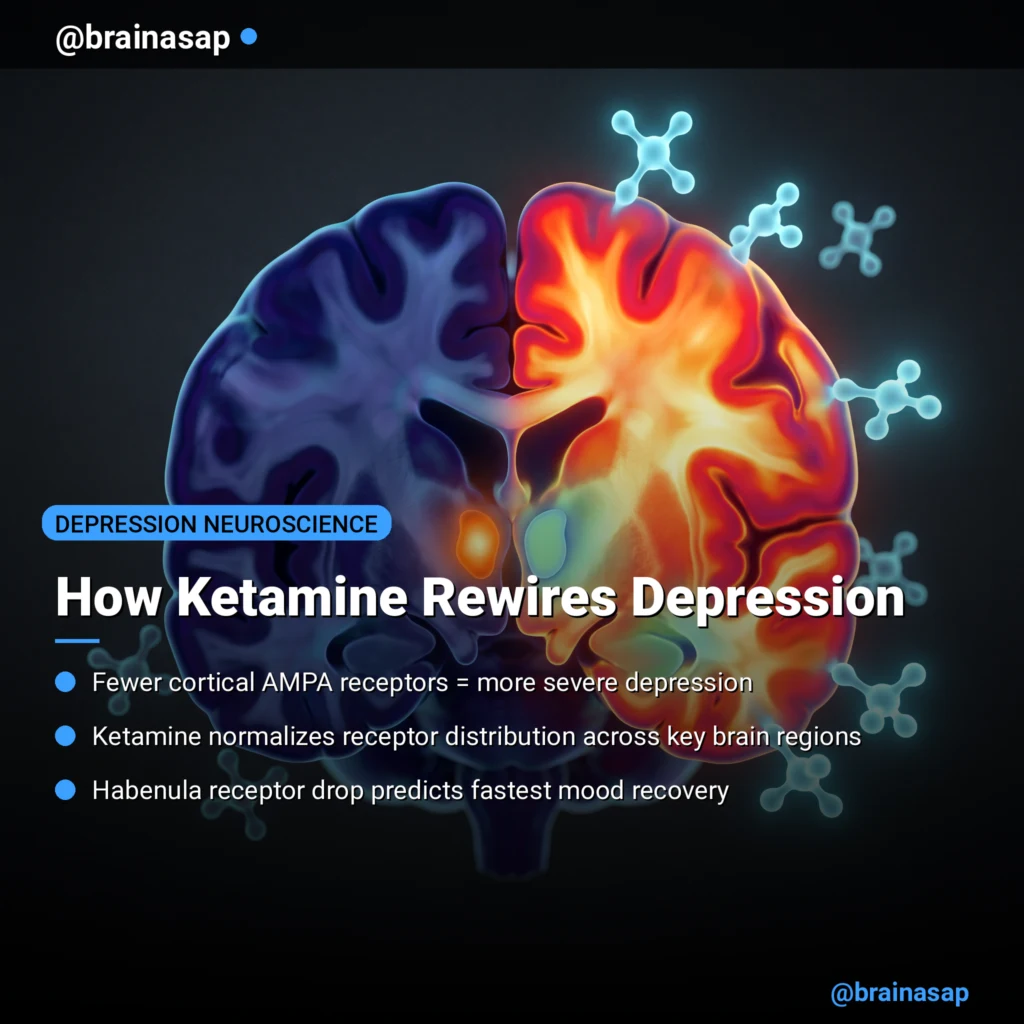
How Ketamine Rewires Receptors to Beat Depression TL;DR: Using PET imaging to directly visualize AMPA receptors in the living human brain, researchers discovered that ketamine’s rapid antidepressant effect works by reshuffling these receptors across specific b…
Read article ↗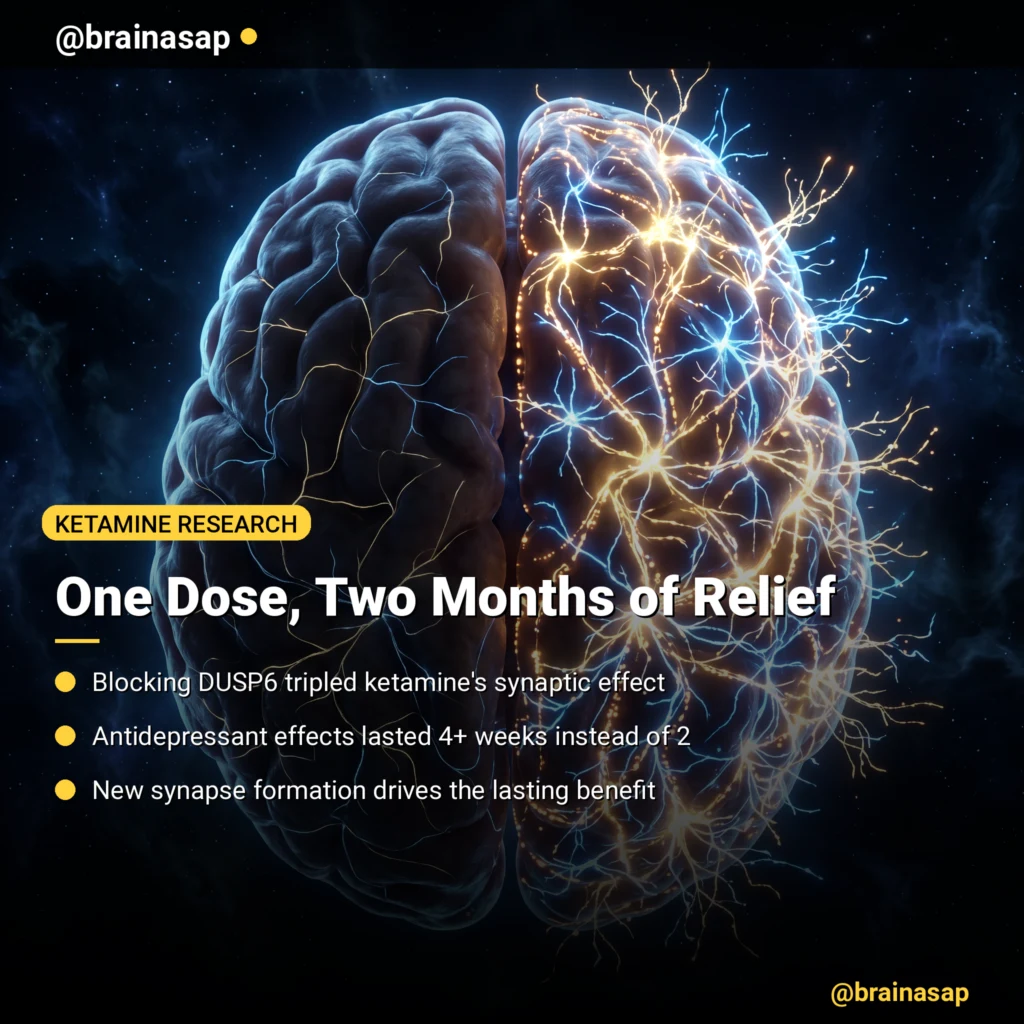
How Scientists Turned a Brief Ketamine High into a Two-Month Antidepressant Effect TL;DR: Blocking DUSP6 protein alongside ketamine extends antidepressant effects from 2 weeks to 4+ weeks in mice, potentially offering single-dose treatment instead of repeated…
Read article ↗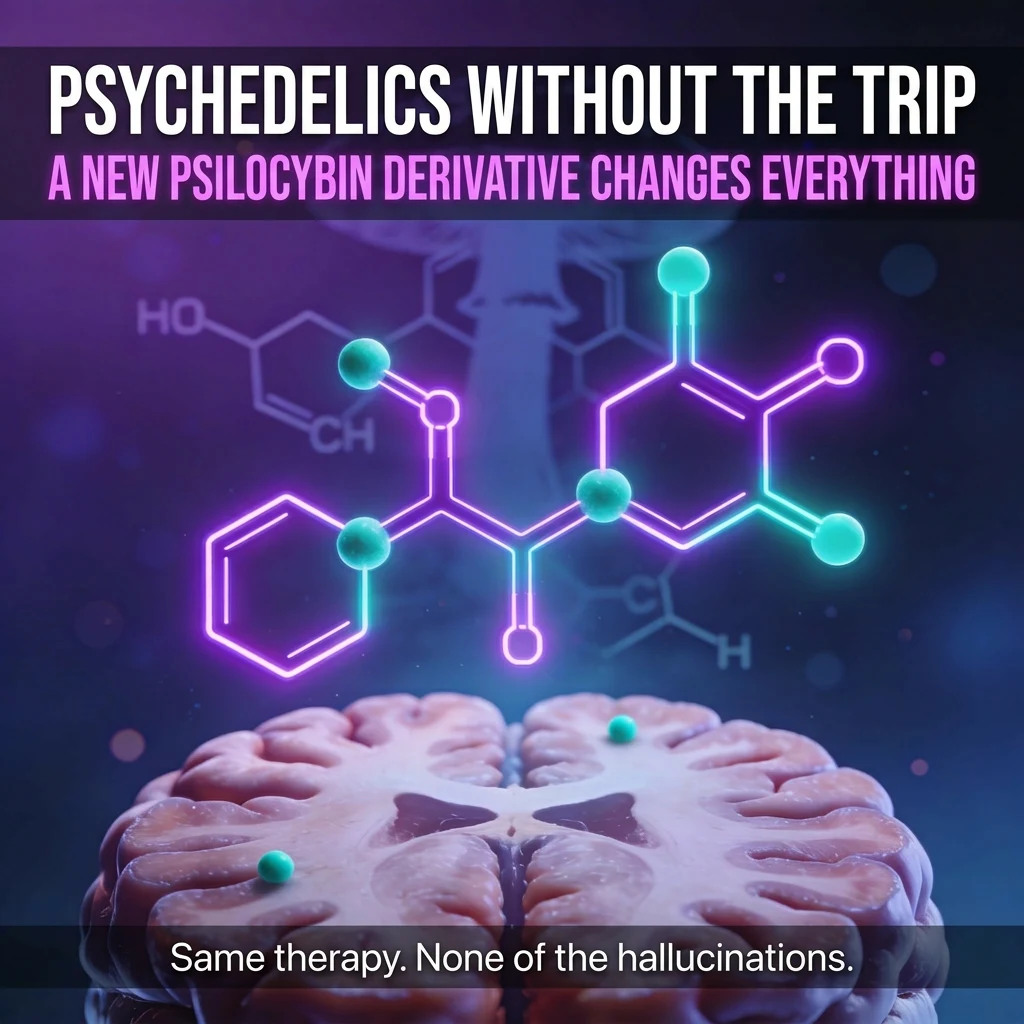
Fluorinated Psilocin: The Sub-Hallucinogenic Breakthrough TL;DR: Chemists designed a new psilocin derivative with fluorine modifications that induces sub-hallucinogenic effects in mice, sidestepping the acute psychological effects of classic psychedelics while…
Read article ↗
How Psychedelics Hijack Brain Waves to Create Hallucinations TL;DR: A psychedelic drug that activates serotonin receptors dramatically amplifies slow 5-Hz brain oscillations in visual and memory regions, suggesting a mechanism for how hallucinogens distort per…
Read article ↗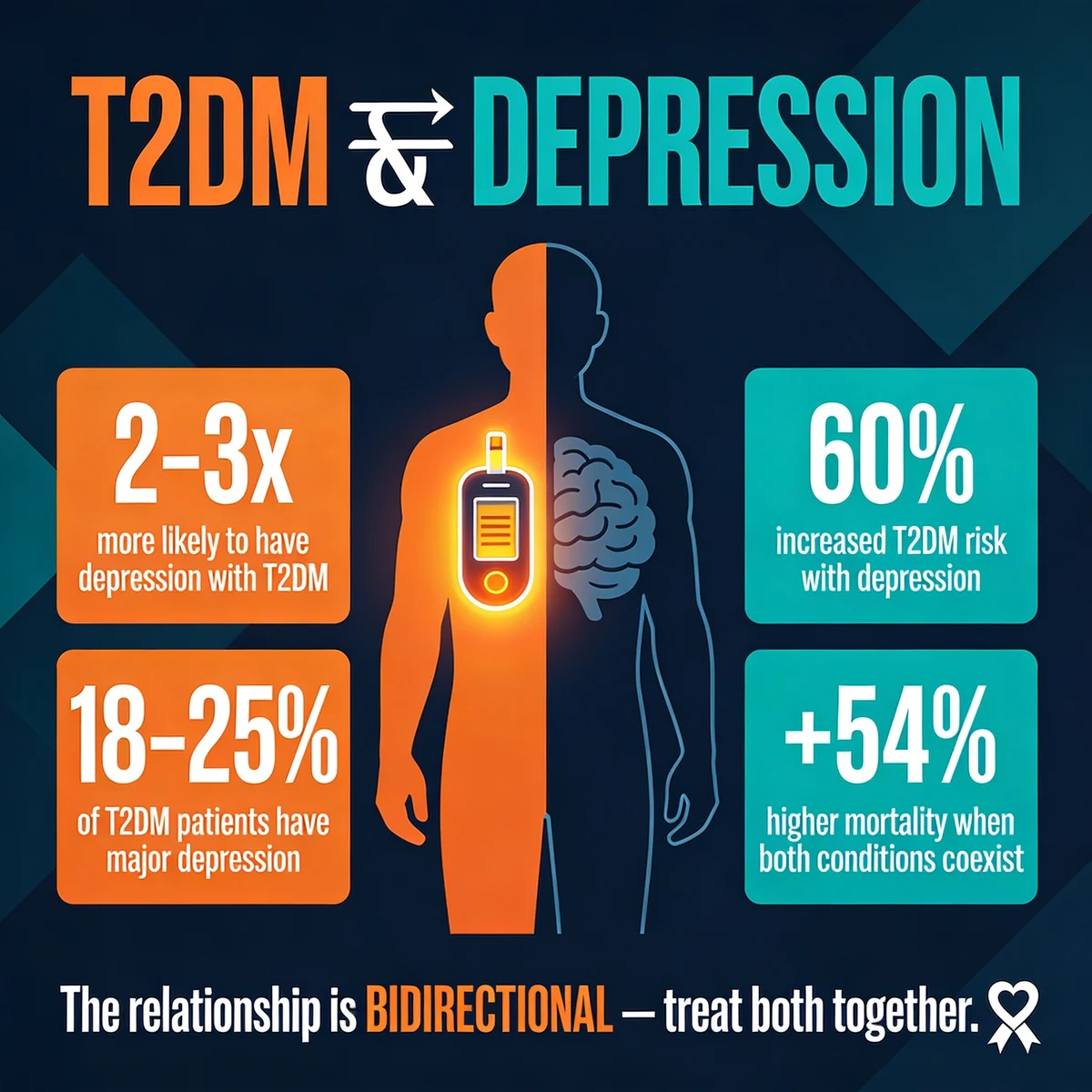
Diabetes and Depression Are Not Just Comorbidities—They Drive Each Other TL;DR: Diabetes and depression form a vicious cycle: high blood sugar triggers neuroinflammation and HPA axis dysfunction that cause depression, while depression sabotages blood sugar con…
Read article ↗
This study found that individuals with the AG/GG genotype of the A118G SNP in the OPRM1 gene experienced more pleasant and fewer unpleasant effects from hydromorphone compared to those with the AA genotype, suggesting genotype-based differences in opioid sensi…
Read article ↗
Individuals at risk for cannabis use disorder (CUD) exhibit increased dynamic fluidity and altered connectivity patterns in brain networks, suggesting early changes in brain function that may contribute to cannabis addiction risk. Highlights: At-risk individua…
Read article ↗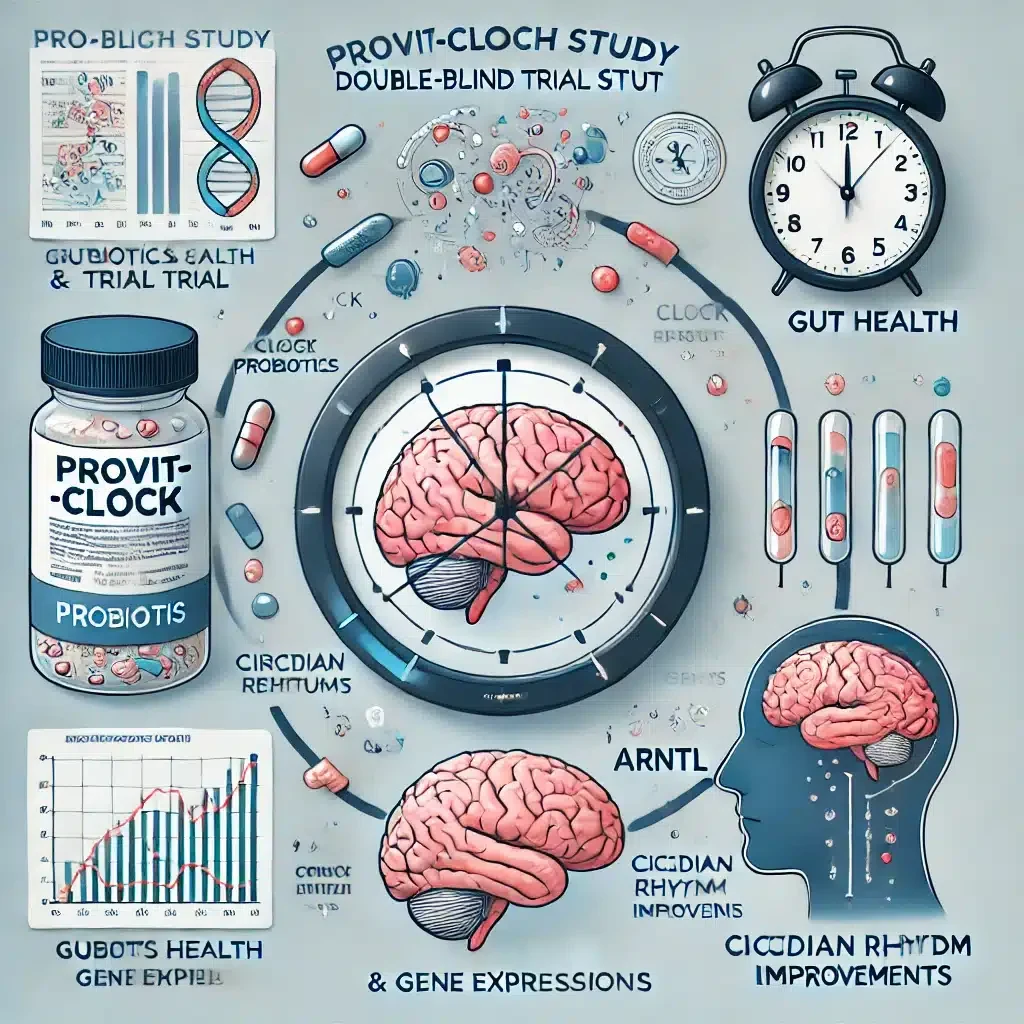
Probiotic treatment may influence core clock gene expression and metabolites in individuals with major depressive disorder (MDD), potentially linking gut microbiota to circadian rhythms and mood regulation. Highlights: CLOCK Gene Expression: The expression lev…
Read article ↗
Omega-3 supplements and Souvenaid® show potential in slowing cognitive decline in Alzheimer’s patients, though the evidence remains inconclusive. Highlights: Cognitive Decline Reduction: The CDR scale showed a significant reduction in cognitive decline progres…
Read article ↗
Guanfacine extended release (GXR) may effectively improve cognitive impairments and brain activity in long-COVID patients. Highlights: Patient Presentation: A 32-year-old woman experienced cognitive impairments such as difficulty in word recall, reading, and w…
Read article ↗