How Gene Therapy Mimicked Morphine for Chronic Pain TL;DR: A Nature study identified opioid-sensitive neurons in the anterior cingulate cortex and used a synthetic mu-opioid receptor promoter to silence them, producing morphine-like relief of chronic pain unpl…
Read article ↗
Low-Level Drinking Was Not Invisible to the Aging Cortex TL;DR: Even drinking within low-risk guidelines was linked to lower cortical blood flow and thinner cortex when lifetime exposure met advancing age. Key Findings All participants stayed under 60 drinks p…
Read article ↗
Ketamine Restored Reward Bias Across Species TL;DR: Ketamine restored reward-learning bias in both treatment-resistant depression and chronically stressed rats while leaving basic discrimination unchanged. Key Findings Reward bias increased: Ketamine significa…
Read article ↗
Cannabis Did Not Just Blur Word Lists. It Hit Everyday Memory Too TL;DR: A randomized vaporized-THC trial found broad acute memory impairment, including false memories, prospective memory, source memory, and temporal order memory, with no meaningful dose split…
Read article ↗
150 mg Caffeine Did Not Trigger Panic Disorder Anxiety TL;DR: A normal coffee-sized caffeine dose did not trigger a subjective anxiety surge in panic disorder, but it did make people more physiologically aroused, more avoidant, and more distracted by bodily se…
Read article ↗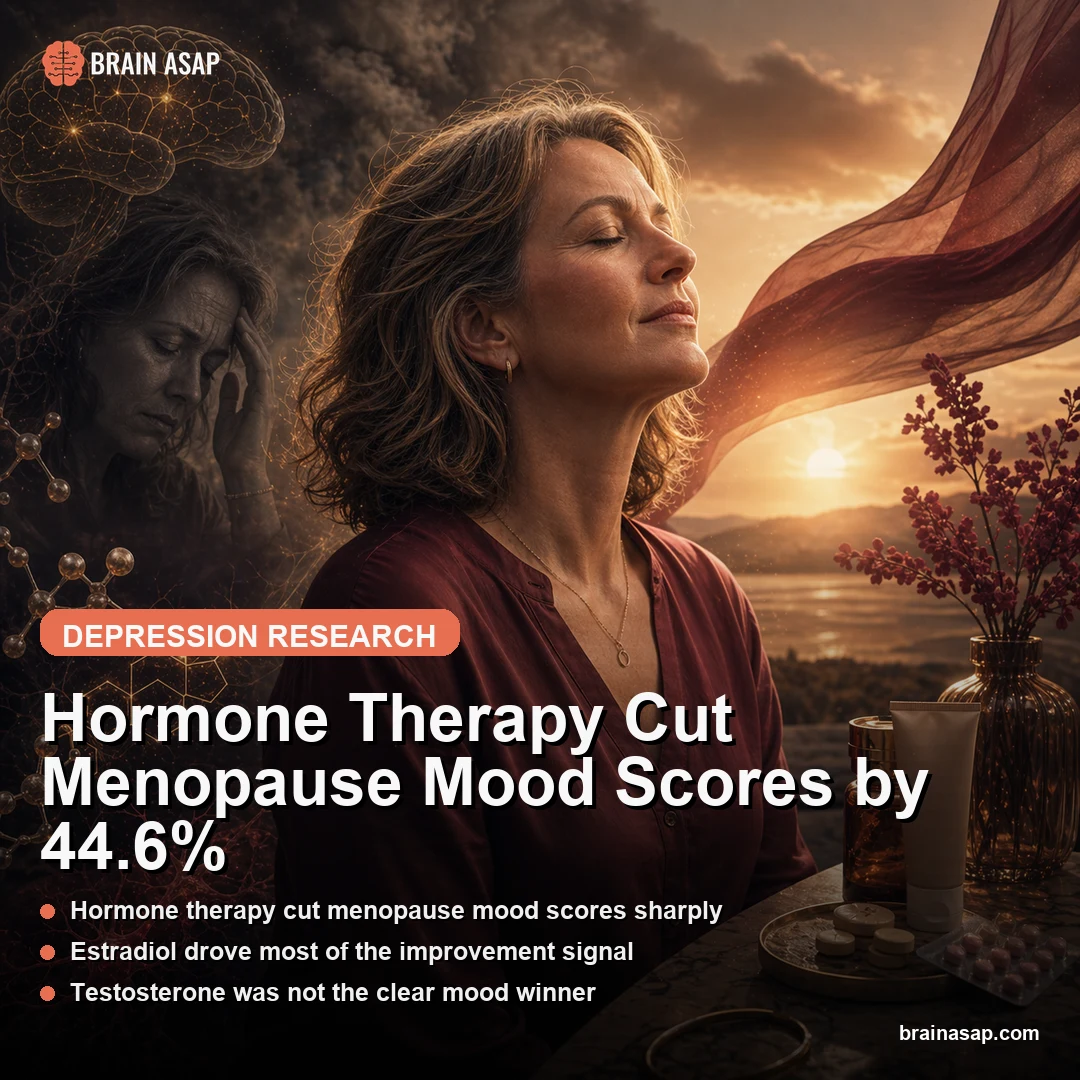
Hormone Therapy Linked to 44% Improvement in Menopause Mood Symptoms TL;DR: Menopausal hormone therapy tracked with a 44.59% improvement in mood-symptom scores after about 107 days, across both peri- and postmenopausal women — and the gains were broadly simila…
Read article ↗
Semaglutide Linked to 42% Fewer Psychiatric Hospital Episodes TL;DR: In Swedish registry data covering nearly 100,000 people with depression or anxiety, psychiatric hospital visits and sickness absence were 42% lower during semaglutide treatment periods — with…
Read article ↗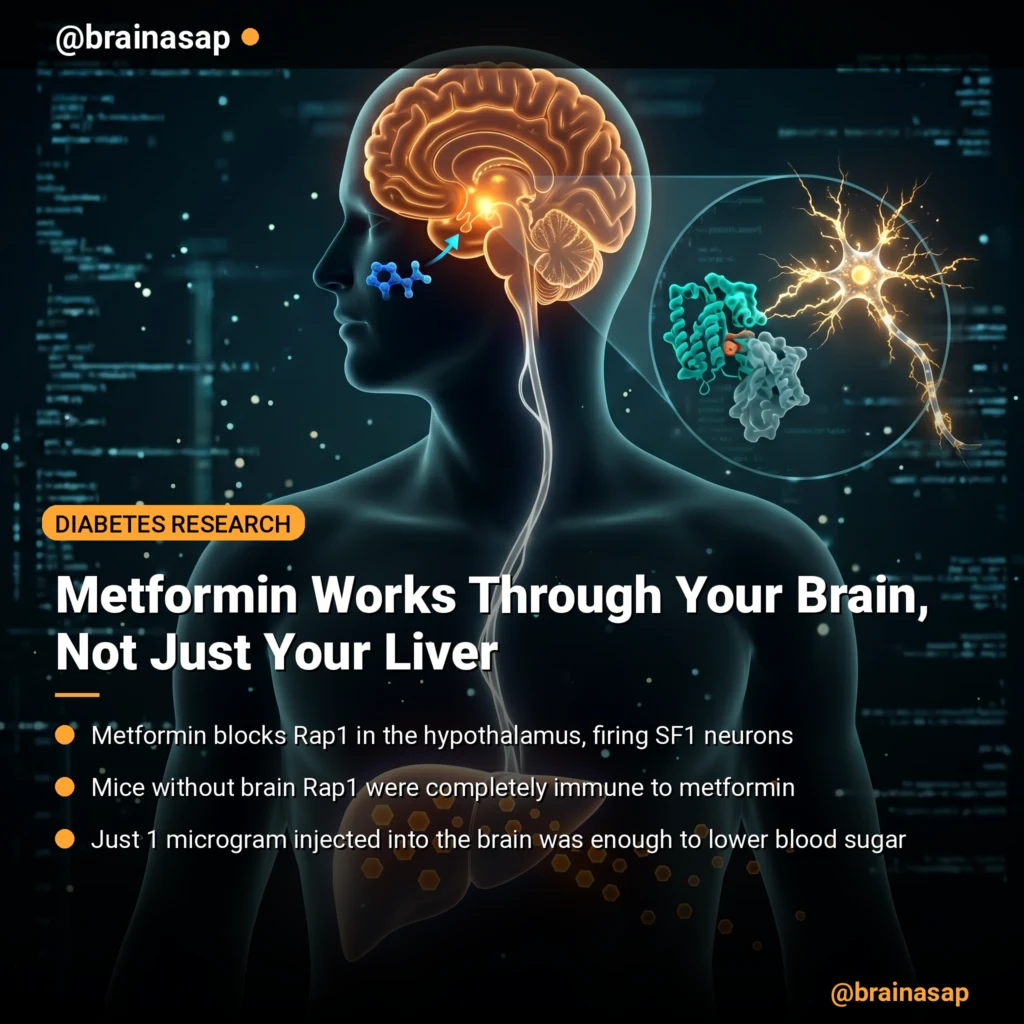
Metformin’s Secret Weapon: How the Brain Controls Blood Sugar TL;DR: Metformin’s glucose-lowering effect depends on a brain signaling pathway—it inhibits Rap1 in the hypothalamus, activating neurons that tell the liver to stop overproducing glucose. For decade…
Read article ↗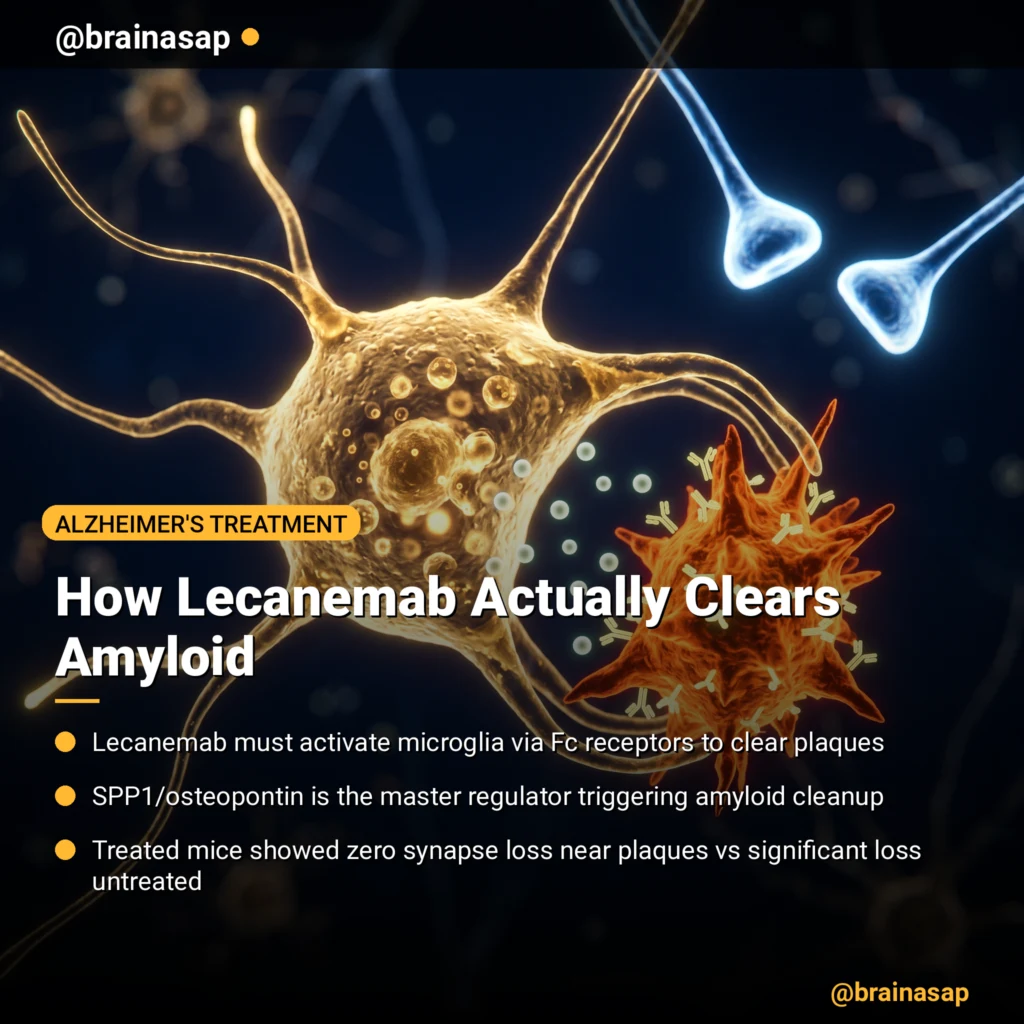
How Lecanemab Clears Brain Amyloid: The Microglia Key TL;DR: Lecanemab, the first Alzheimer’s antibody to slow cognitive decline, works by activating immune cells called microglia through a specific immune signaling pathway, with the molecule SPP1/osteopontin…
Read article ↗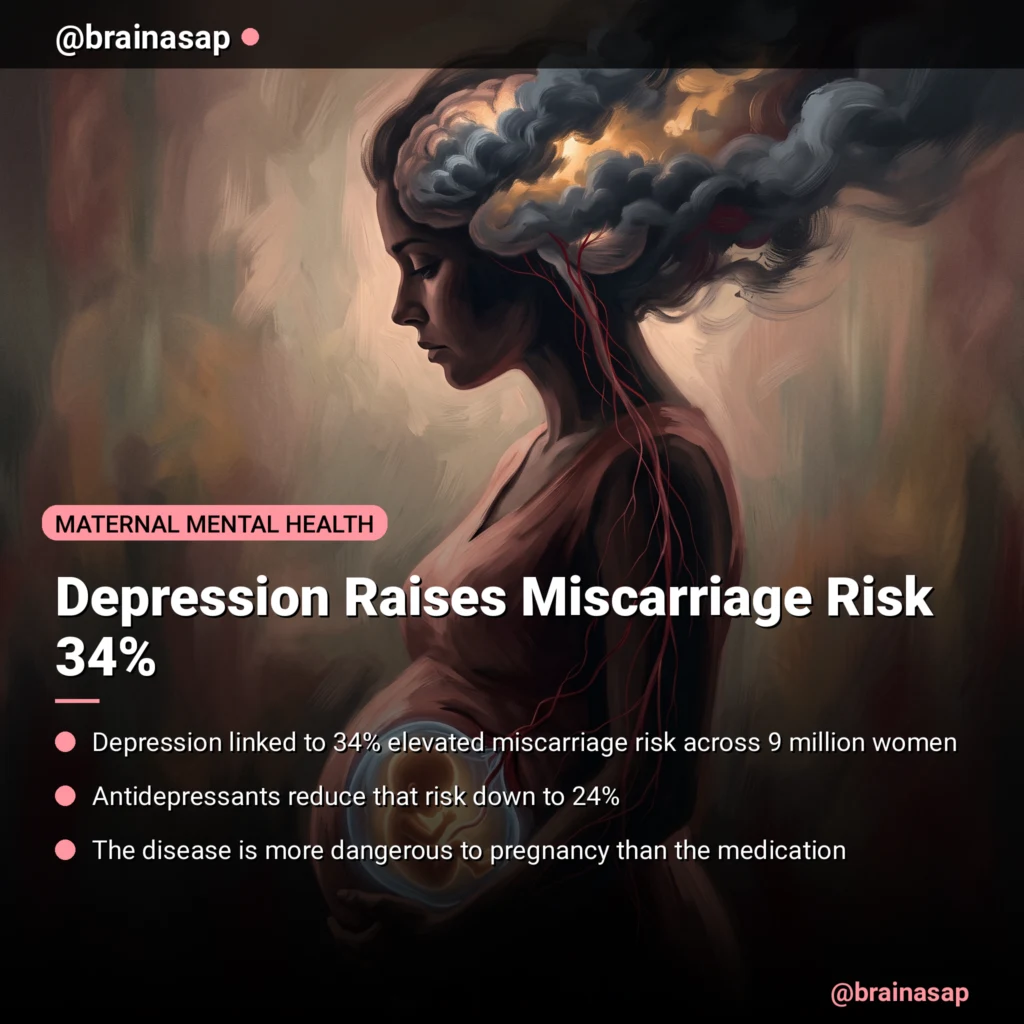
When Depression Threatens Pregnancy: A 34% Elevated Miscarriage Risk TL;DR: Untreated depression increases miscarriage risk by 34% across nearly 9 million women, but antidepressants reduce that risk to 24%—meaning the medication is safer than the disease durin…
Read article ↗