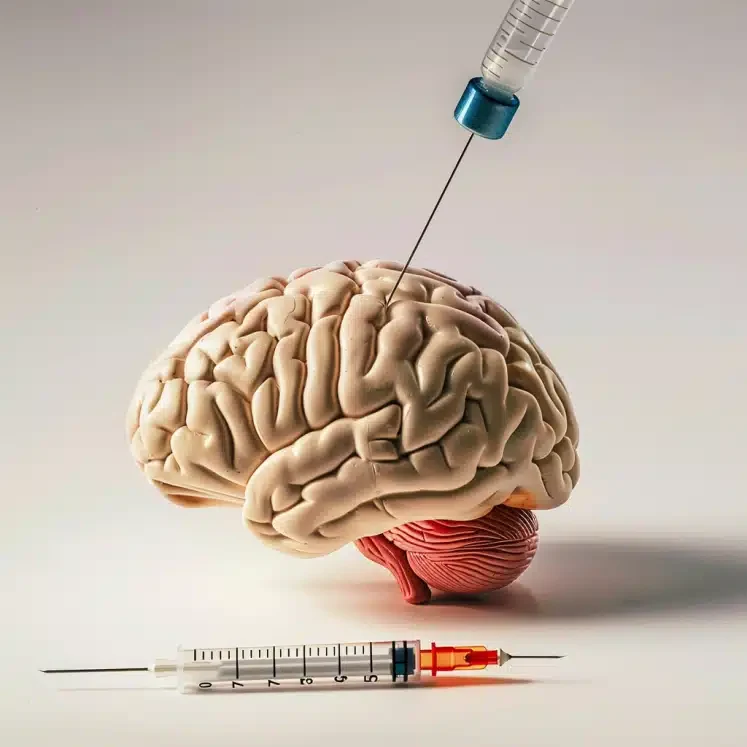
Extended intra-nasal insulin (INI) treatment in an insulin-resistant early Mild Cognitive Impairment (MCI) patient improved grey matter volume, reduced beta-amyloid levels, and enhanced cognitive and pragmatic capacities, suggesting potential to slow neurodege…
Read article ↗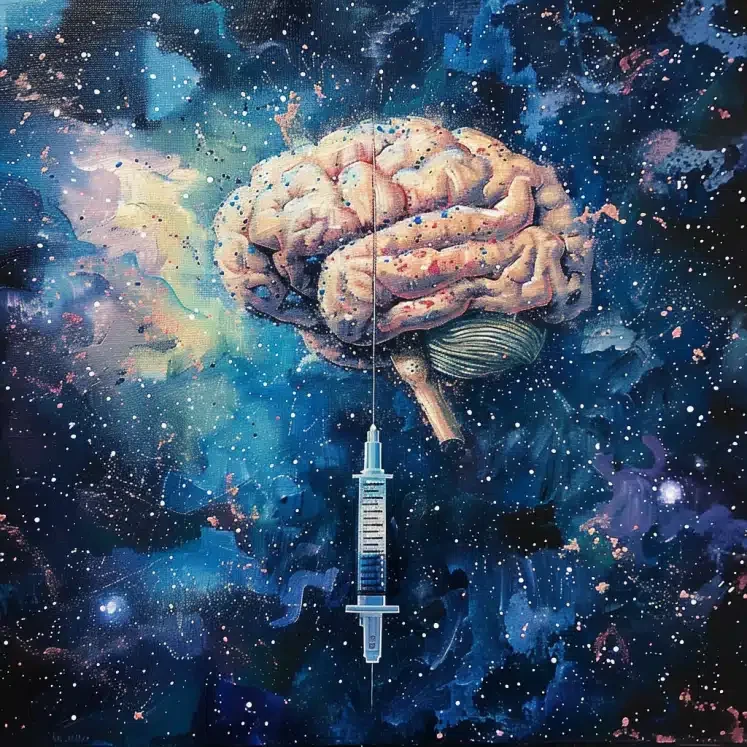
Ketamine significantly reduces suicidal ideation in depressed patients, with rapid effects observed within the first day of treatment. Highlights: Rapid Reduction: Ketamine shows a significant reduction in suicidal ideation within the first day of treatment (R…
Read article ↗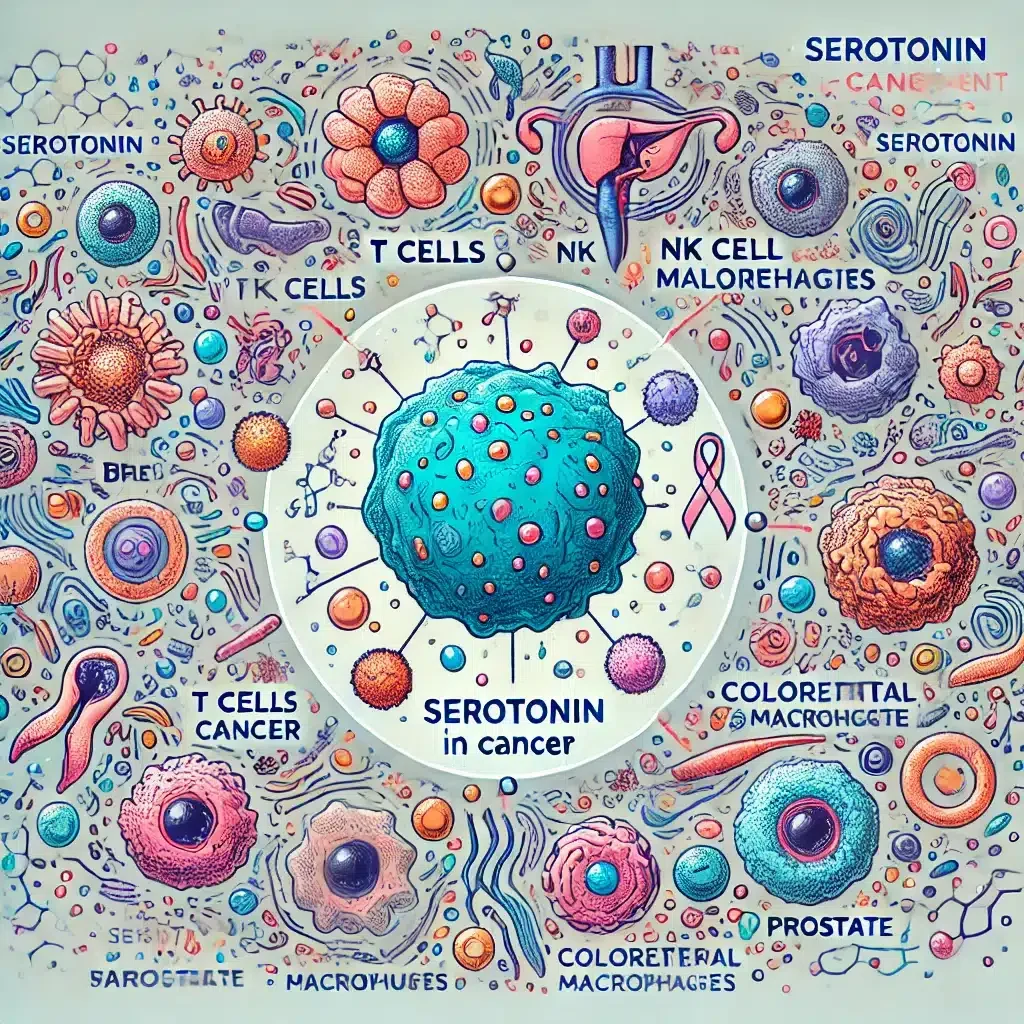
Cancer patients frequently experience depressive symptoms, and the role of serotonin in tumor regulation varies across different types. Highlights: Prevalence of Depression in Cancer Patients: A significant portion of cancer patients experience depressive symp…
Read article ↗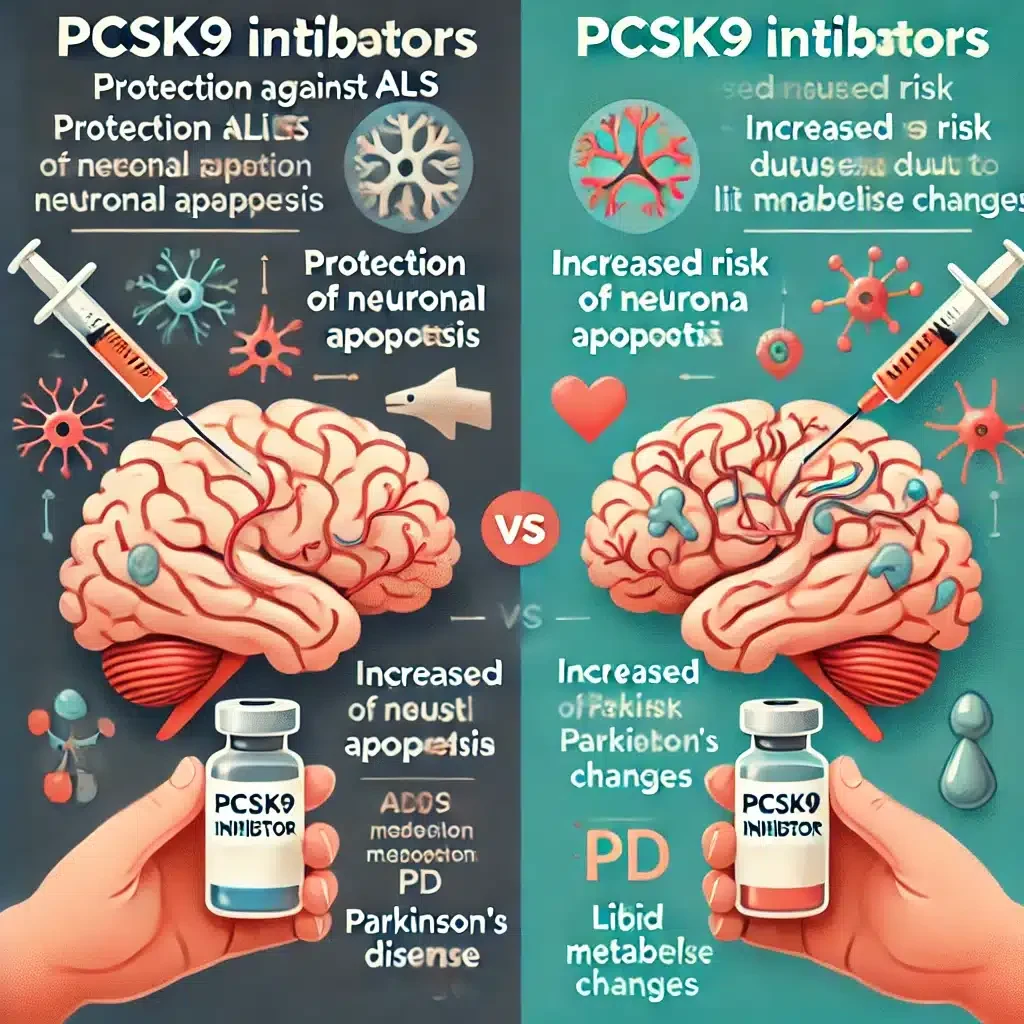
PCSK9 inhibitors significantly reduce the risk of amyotrophic lateral sclerosis (ALS) but increase the risk of Parkinson’s disease (PD). Highlights: ALS Risk Reduction: PCSK9 inhibitors marginally reduced the risk of ALS with an odds ratio of 0.89 (p = 0.048).…
Read article ↗
Repurposing general anesthetic drugs like ketamine for the treatment of major depression represents a significant medical advancement – showcasing rapid and sustained antidepressant effects. Highlights: Rapid Antidepressant Effects: Ketamine, nitrous oxide, pr…
Read article ↗
Repetitive transcranial magnetic stimulation (rTMS) on the left dorsolateral prefrontal cortex (dlPFC) improves decision-making and reduces cravings in individuals with methamphetamine use disorder (MUD). Highlights: Improved Decision-Making: rTMS treatment en…
Read article ↗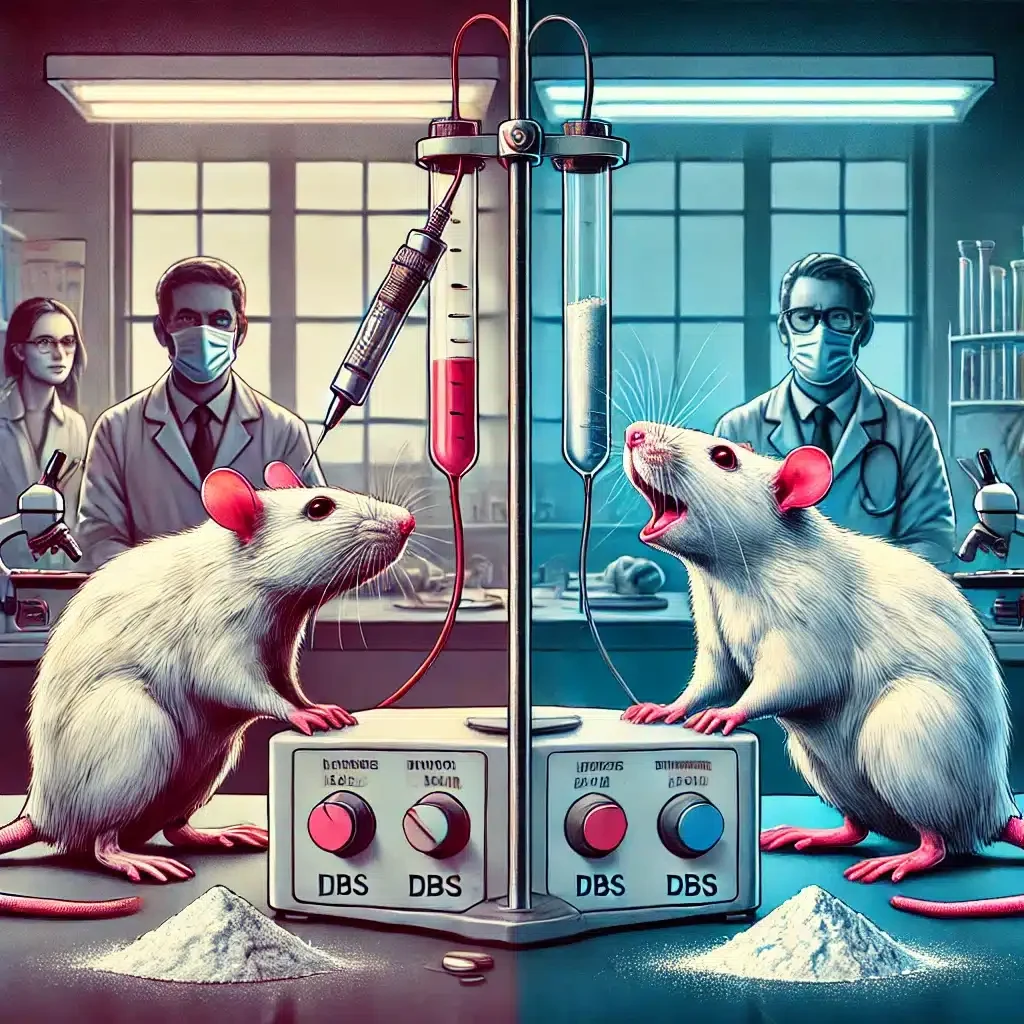
Deep brain stimulation (DBS) in the nucleus accumbens reduces cocaine seeking in male rats but is ineffective in female rats, regardless of their estrous cycle phase. Highlights: No FDA-Approved Treatments: There are currently no FDA-approved treatments for co…
Read article ↗
Shexiang Baoxin Pills (SBP) may help improve heart function and reduce depression in patients with acute myocardial infarction (AMI) by reducing inflammation. Highlights: Depression & Heart Disease Link: Patients with heart attacks often experience depression,…
Read article ↗
Allopregnanolone shows antidepressant-like effects in mice by increasing social interaction and specific brain wave activities, unlike diazepam. Highlights: Allopregnanolone: Allopregnanolone, a neuroactive steroid, increases social interaction time in mice ex…
Read article ↗
Moderate alcohol intake in men treated with SNRI antidepressants significantly increases the risk of depression relapse, according to a new study. Highlights: Risk Increase with SNRIs: Men with moderate alcohol consumption and elevated liver enzymes are signif…
Read article ↗