
TL;DR: A 2026 systematic review in The Cochrane Database of Systematic Reviews pooled 17 trials of anti-amyloid monoclonal antibodies (N=20,342 people with mild cognitive impairment or mild Alzheimer’s dementia) and concluded that any effect on memory decline…
Read article ↗
TL;DR: A 2026 medRxiv preprint found that plasma p-tau217 AI models still separated amyloid-positive from amyloid-negative people across ADNI and A4, but calibration drift made the same probabilities less dependable for clinical decisions. Key Findings Calibra…
Read article ↗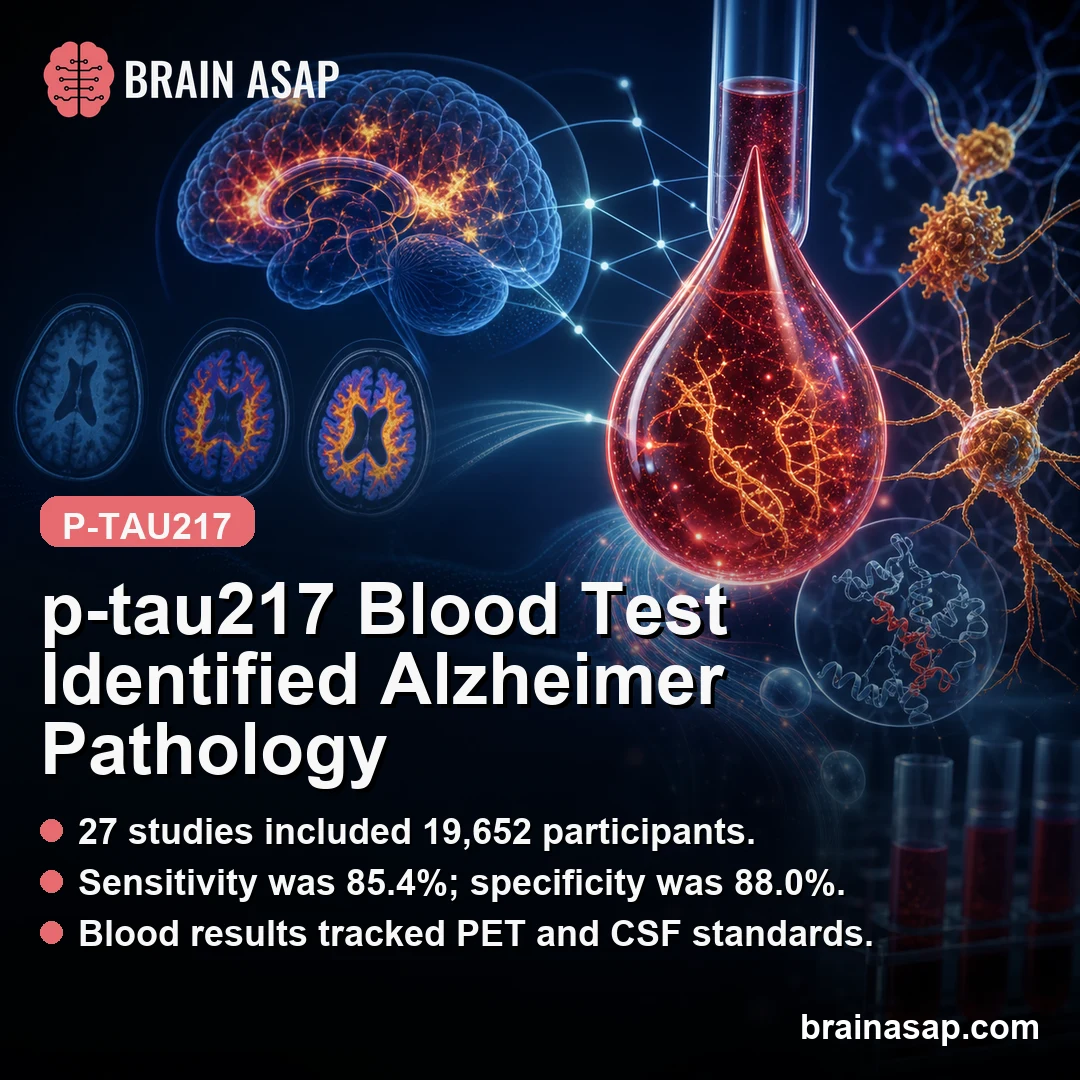
TL;DR: A 2026 systematic review and meta-analysis in Molecular Neurobiology found that plasma phosphorylated tau 217 (p-tau217), a blood marker of Alzheimer-linked tau pathology, identified biomarker-defined Alzheimer’s disease with pooled sensitivity of 85.4%…
Read article ↗
TL;DR: A 2026 medRxiv preprint tested SimulAD, an Alzheimer’s disease progression simulator, and reported that it reproduced mean amyloid-clearance results within 5% error across six major phase III anti-amyloid trials while also separating positive trials fro…
Read article ↗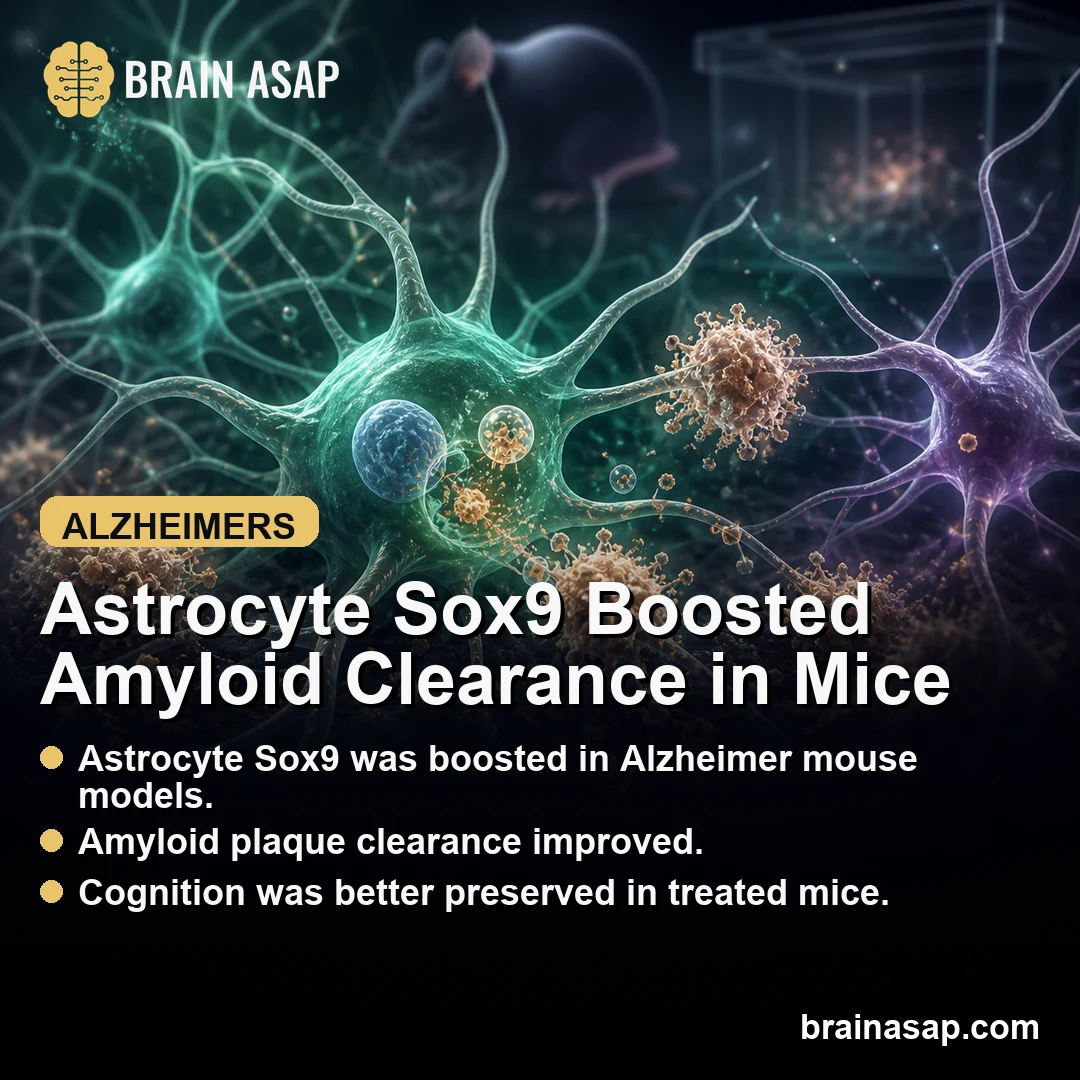
TL;DR: A 2026 study in Nature Neuroscience from Baylor College of Medicine showed that boosting Sox9, a transcription factor that regulates aging astrocytes, improved astrocytes’ ability to clear amyloid plaques in Alzheimer’s mouse models and preserved cognit…
Read article ↗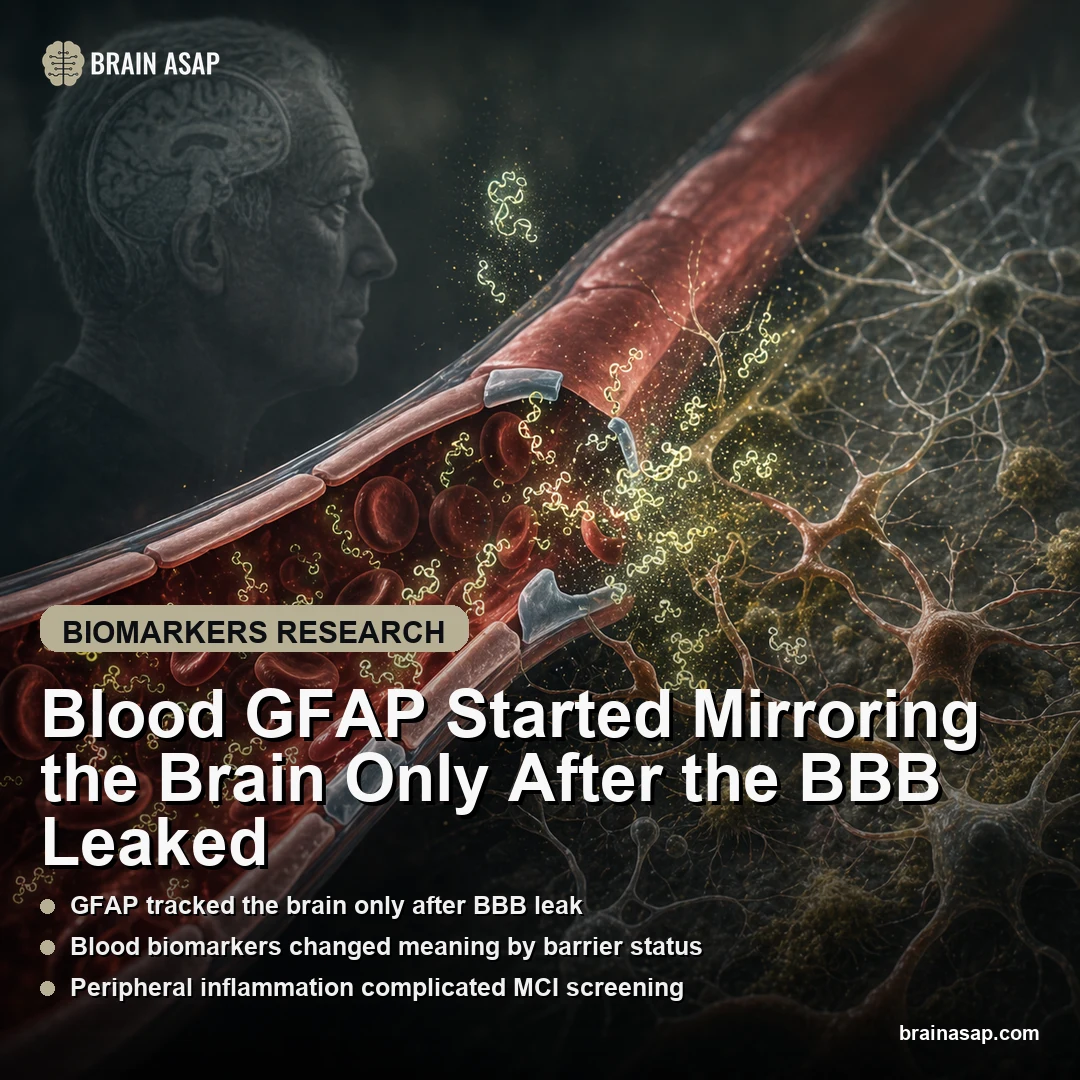
Blood GFAP Started Mirroring the Brain Only After the BBB Leaked TL;DR: Blood biomarkers mostly failed to mirror the brain while the blood-brain barrier stayed intact; once the barrier leaked, glial fibrillary acidic protein (GFAP), an astrocyte injury protein…
Read article ↗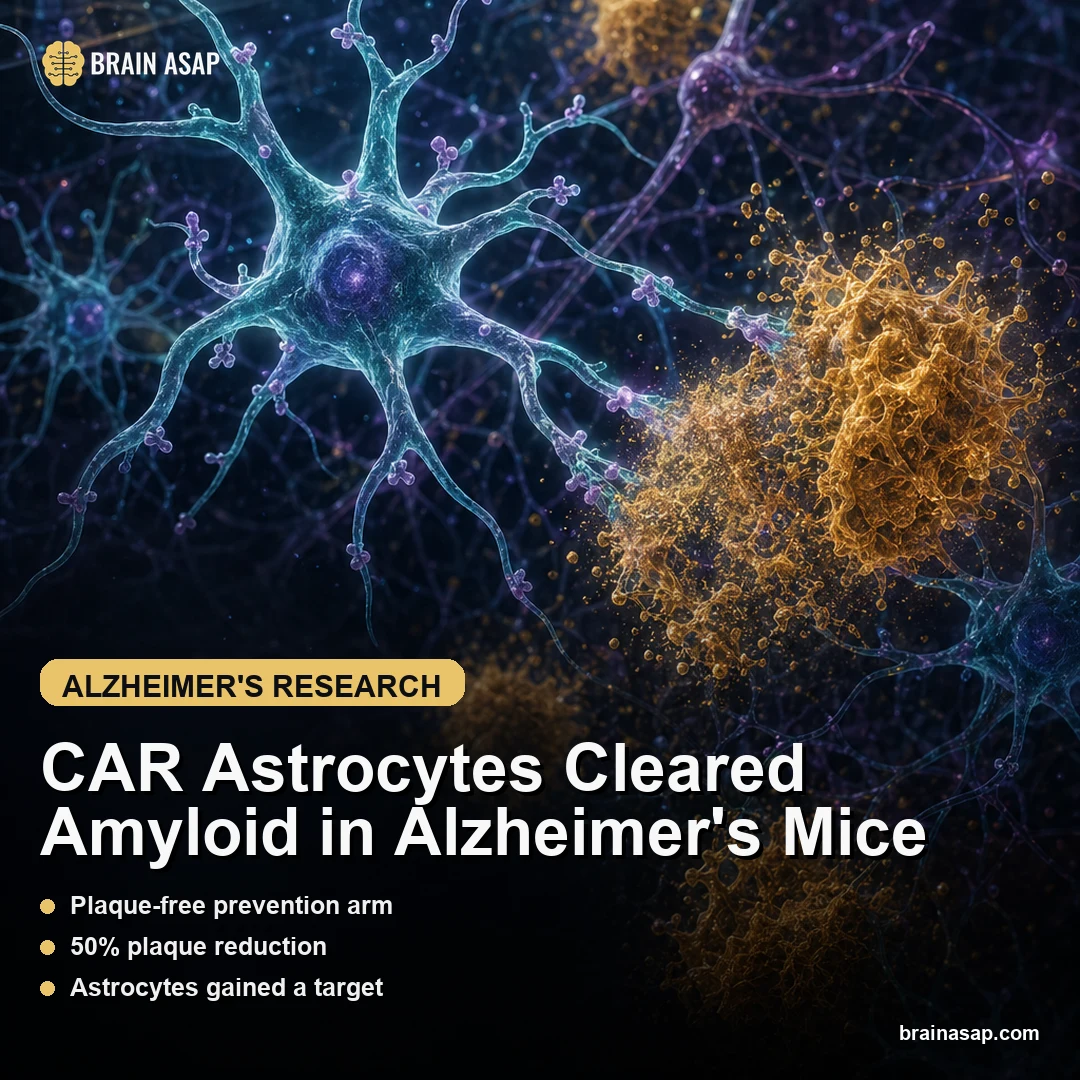
TL;DR: A CAR-style therapy aimed at astrocytes turned brain support cells into amyloid cleaners, preventing plaque development and cutting existing plaque burden by about half in mice. Key Findings Plaque-free prevention arm: Young mice treated before plaques…
Read article ↗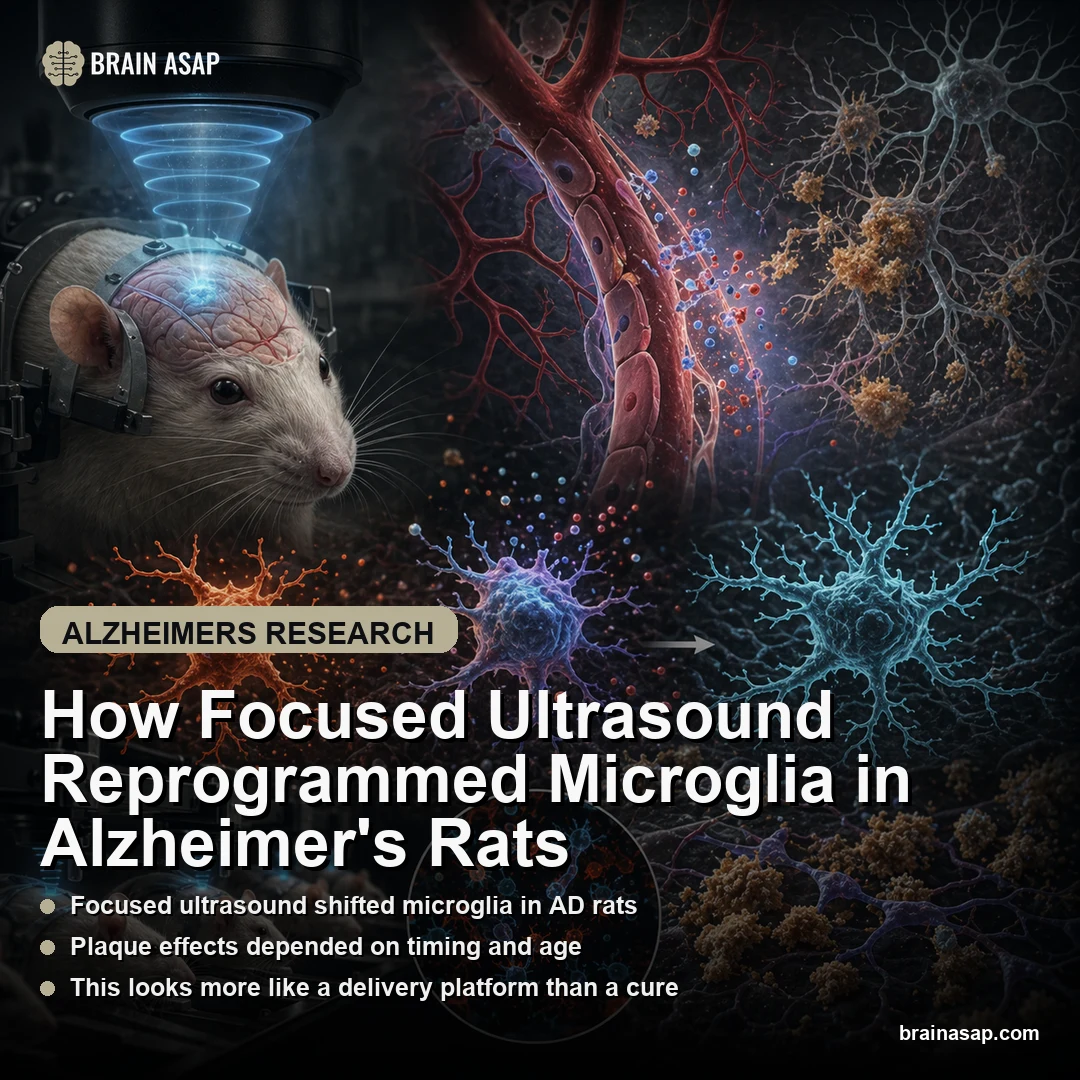
How Focused Ultrasound Reprogrammed Microglia in Alzheimer’s Rats TL;DR: In TgF344-AD rats, repeated low-intensity focused ultrasound triggered a short-lived inflammatory response, then left behind a more durable microglial metabolic shift in early disease wit…
Read article ↗
Meat Intake Linked to Lower Dementia Risk in APOE4 Carriers TL;DR: In APOE4 carriers, higher total meat intake tracked with lower observed dementia risk over 15 years, while a higher processed-to-total meat ratio moved in the unfavorable direction. Key Finding…
Read article ↗
Egypt’s 1,530-Person Alzheimer’s Cohort Captures Risks Western Studies Miss TL;DR: A DAC-Egypt cohort enrolled 1,530 adults aged 55 to 98, collected blood from 98%, and captured a rural, low-literacy, metabolically burdened population that most dementia datase…
Read article ↗