Suicide is a major public health problem, with over 700,000 people dying by suicide every year globally. Identifying factors that may indicate risk for suicidal thoughts and behaviors is an important area of research, as this could aid prevention and intervent…
Read article ↗
Deep brain stimulation (DBS), a surgical procedure that implants electrodes in the brain to deliver electrical stimulation, may offer hope for people with severe depression that has not responded to multiple treatments. However, larger and more rigorous studie…
Read article ↗
Deep brain stimulation (DBS) is an emerging experimental therapy that has shown promise in treating patients with severe, treatment-resistant depression (TRD). Early research indicates DBS may help patients who have failed to respond to medications, psychother…
Read article ↗
A new study provides evidence that the psychedelic compound psilocybin has both immediate and lasting anti-inflammatory effects in healthy volunteers. The findings shed light on how psilocybin may improve mood, social behavior, and potentially treat depression…
Read article ↗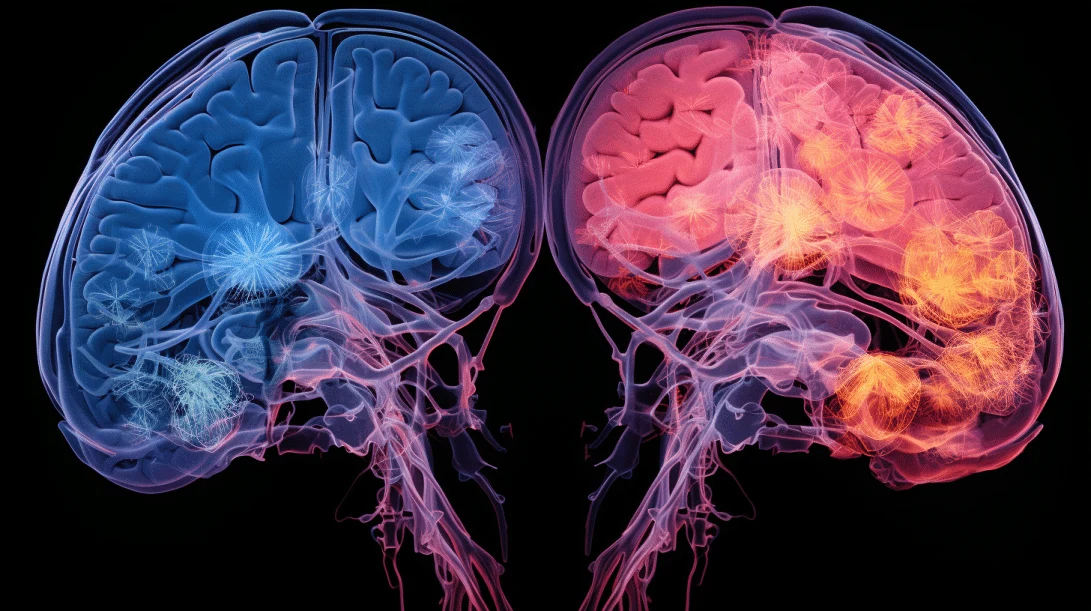
Research provides new evidence that generalized anxiety disorder (GAD) and depressive disorder (DD) have distinct patterns of brain activity. Machine learning analysis of EEG data reveals signature brain features that may enable more accurate diagnosis. Key Fa…
Read article ↗
New research suggests we may one day be able to vaccinate against depression, reducing suffering. Key facts: Depression is linked to inflammation in the body and brain. Anti-inflammatory treatments improve depression. Environmental factors like lack of contact…
Read article ↗
Depression and cognitive deficits are common health issues that impact millions of people. Scientists are testing a new drug, NSI-189, to see if it can help treat depression and improve thinking ability. Early research shows promise that NSI-189 may be able to…
Read article ↗
Depression is one of the most common and burdensome mental health disorders globally, affecting over 300 million people. While antidepressant medications can help many patients recover, up to a third do not respond adequately to first-line treatments. This has…
Read article ↗
Finasteride is a common medication used to treat hair loss and enlargement of the prostate gland. However, new research shows this drug may also increase the risk of depression and suicidal thoughts. Key Facts: Finasteride works by reducing levels of a hormone…
Read article ↗
A new study shows that delivering brain stimulation with mild electric current to the forehead at home could be an effective treatment option for people with depression. Key facts: The study tested at-home transcranial direct current stimulation (tDCS) in 16 p…
Read article ↗