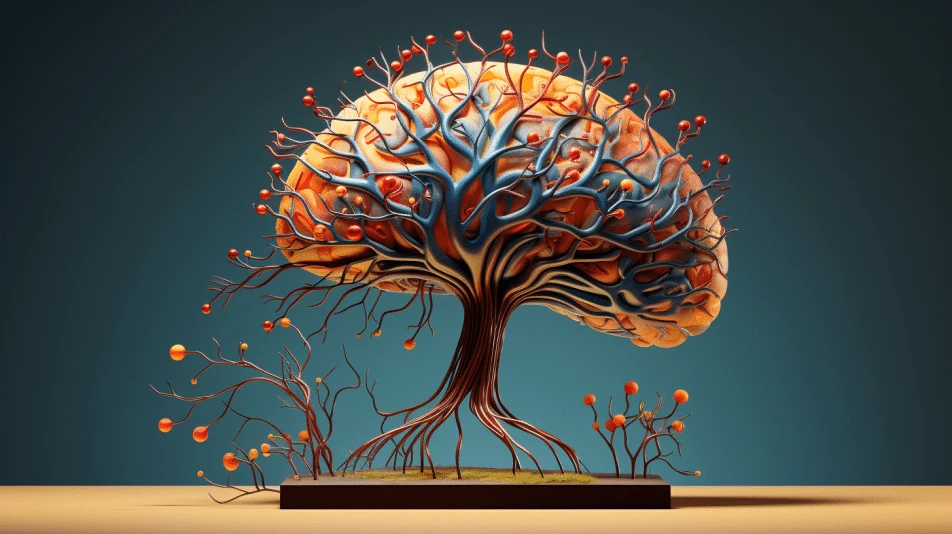
Researchers have discovered that changes in a region deep in the brain called the brainstem may contribute to recurring major depressive disorder (MDD). Key findings include: Patients with first-episode and recurrent depression showed volume decreases in brain…
Read article ↗
Depression affects over 270 million people worldwide. New research is investigating whether manipulating gut bacteria with probiotics, prebiotics or synbiotics can help treat depression symptoms. Key Facts: Probiotics are live microorganisms that provide healt…
Read article ↗
Theobromine, an ingredient found in chocolate, may impact mood and depression risk. But the details are complicated. Here’s what the science says so far. Key Facts: A recent study found higher theobromine intake was associated with increased depression risk. H…
Read article ↗
Research shows that getting the right amount of the vitamin niacin may help lower the risk of depression. Niacin is one of the B vitamins and is also known as vitamin B3. Consuming too little or too much niacin appears tied to higher odds of depression, sugges…
Read article ↗
A new study suggests that eating more acid-producing foods may increase the risk of depression and anxiety, especially in women. Here are the key facts: Women with high dietary acid load had 21% higher odds of severe depression compared to those with low acid…
Read article ↗
Major depressive disorder (depression) is very common. It causes a lot of suffering and disability around the world. The good news is many people get better with medication, psychotherapy (talk therapy), or both. But for some people, depression just won’t go a…
Read article ↗
A new study tracked changes in brain volume in depressed patients after electroconvulsive therapy (ECT or “electroshock therapy”). The study found that ECT led to increases in gray matter (brain tissue), which then decreased substantially over the next 2 years…
Read article ↗
Researchers explored how our brain’s reward system connects to depression and other common mental health problems like social anxiety and eating disorders. They found that a dampened reward response seems to follow, rather than precede, symptoms of depression…
Read article ↗
Researchers explored the relationship between body weight and depression symptoms in teens and adults. They found a link between higher body weight and increased depression, especially among teens. Genetic factors appear to play only a small role. Key Facts: T…
Read article ↗
Researchers are gaining exciting new insights into how the drug ketamine can rapidly treat symptoms of depression, including in people who don’t respond to other antidepressants. Key facts about ketamine for depression: Ketamine is an FDA-approved anesthetic t…
Read article ↗