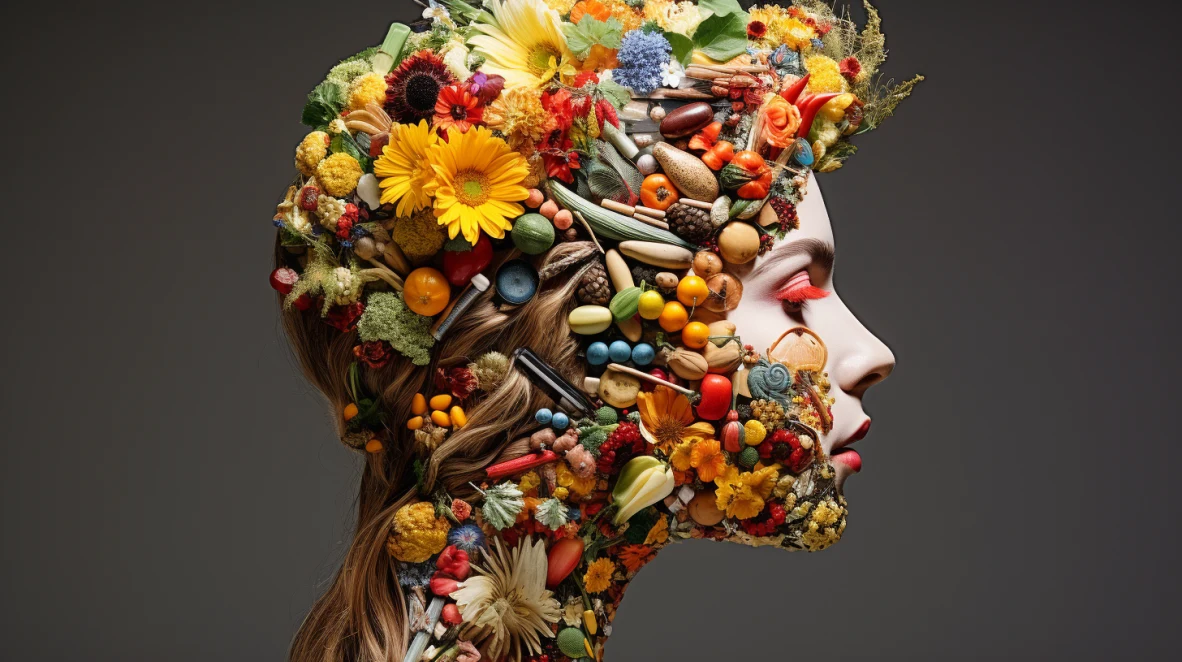
Depression is a major global health issue, but diet may be an effective yet overlooked treatment approach. New research identifies the top food sources of 12 key nutrients that help prevent and treat depression. Oysters, organ meats, leafy greens, lettuces, pe…
Read article ↗
Eating well may help prevent and treat depression, according to growing evidence from studies on diet and mental health. Key facts: Following an overall healthy diet high in fruits, vegetables, whole grains, fish, and olive oil is associated with a lower risk…
Read article ↗
Nutrition plays a major role in mental health, with diet quality closely linked to risk of common mental disorders like depression. This review comprehensively analyzes recent research on the impacts of nutrition on mental health and the use of nutritional int…
Read article ↗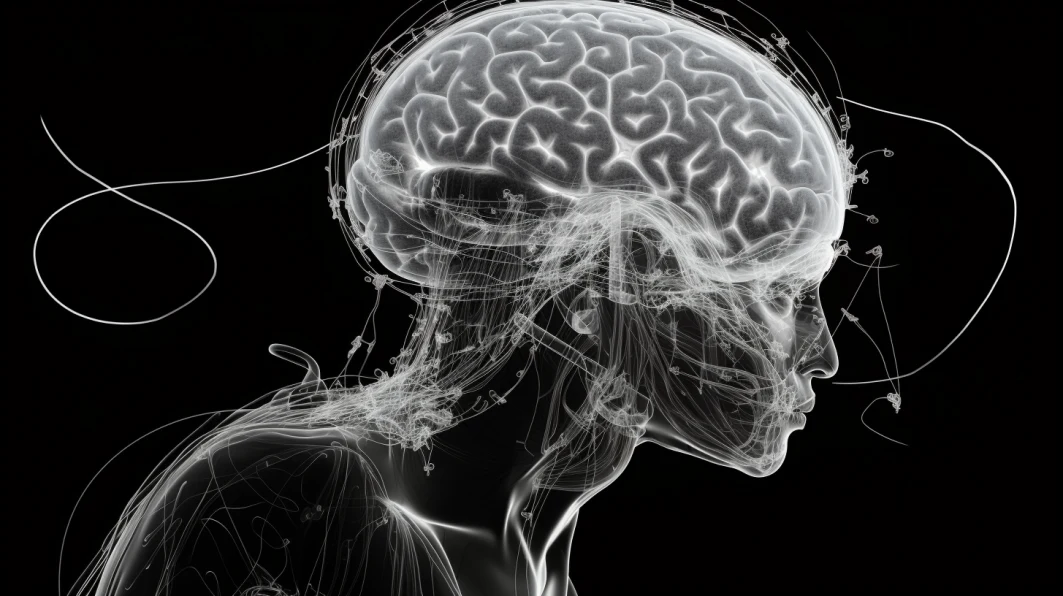
A new study published in Frontiers in Psychiatry provides promising evidence that focused ultrasound stimulation of the prefrontal cortex can alleviate depressive behaviors in mice by suppressing inflammatory responses. Key facts: Researchers stimulated the pr…
Read article ↗
A new study published in the Journal of Personality suggests that individuals exhibiting secondary psychopathic traits are perceived as less intelligent than those with primary psychopathic traits. The research examined how laypeople view the intelligence of o…
Read article ↗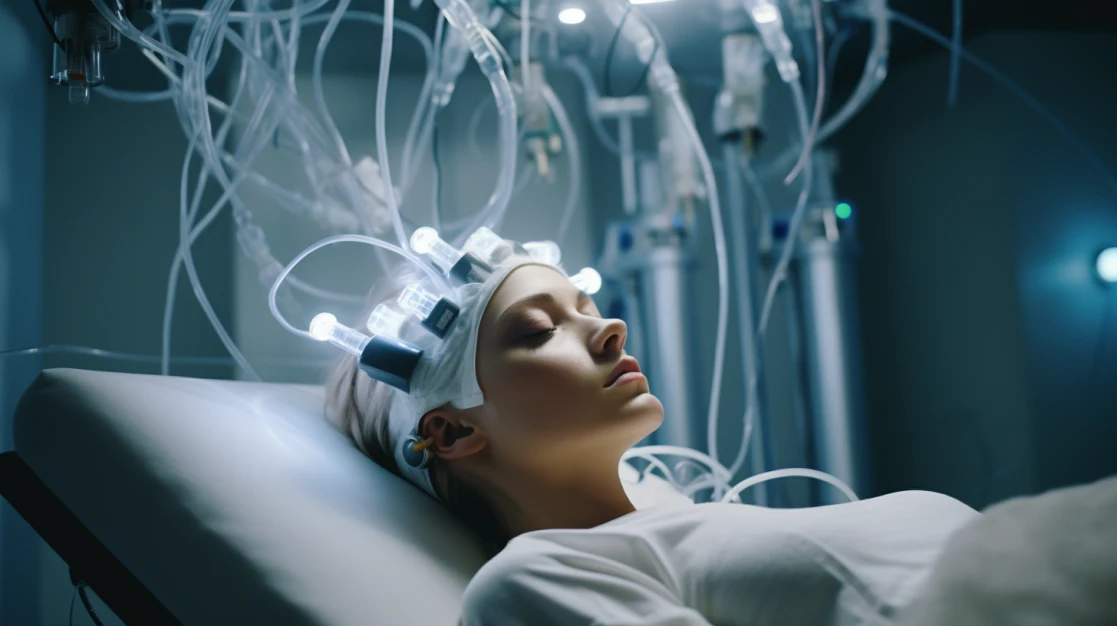
New research demonstrates that repeated focused ultrasound treatments can have antidepressant-like effects in rats. The non-invasive technique was able to improve performance on a common test of depressive behaviors. While not a silver bullet solution, focused…
Read article ↗
A new brain imaging study has uncovered structural differences in the white matter of young men diagnosed with narcissistic personality disorder (NPD). These differences provide clues into the neural correlates underlying the grandiose sense of self and lack o…
Read article ↗
Mental health and music are deeply intertwined, with music being able to powerfully impact emotions and psychological states. A new study explores how music preferences and use of music for emotion modulation may change after the onset of mental disorders, pro…
Read article ↗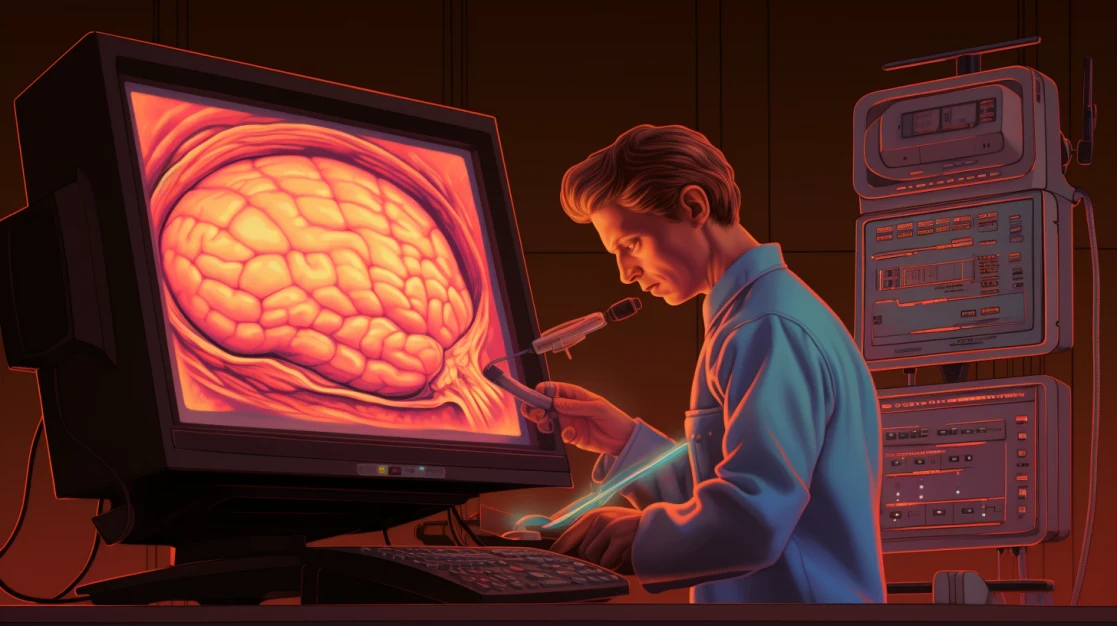
Our brains contain around 100 billion neurons communicating through an intricate web of connections. This complex circuitry controls everything we think, feel, and do. But sometimes things can go wrong, leading to neurological disorders like epilepsy, Parkinso…
Read article ↗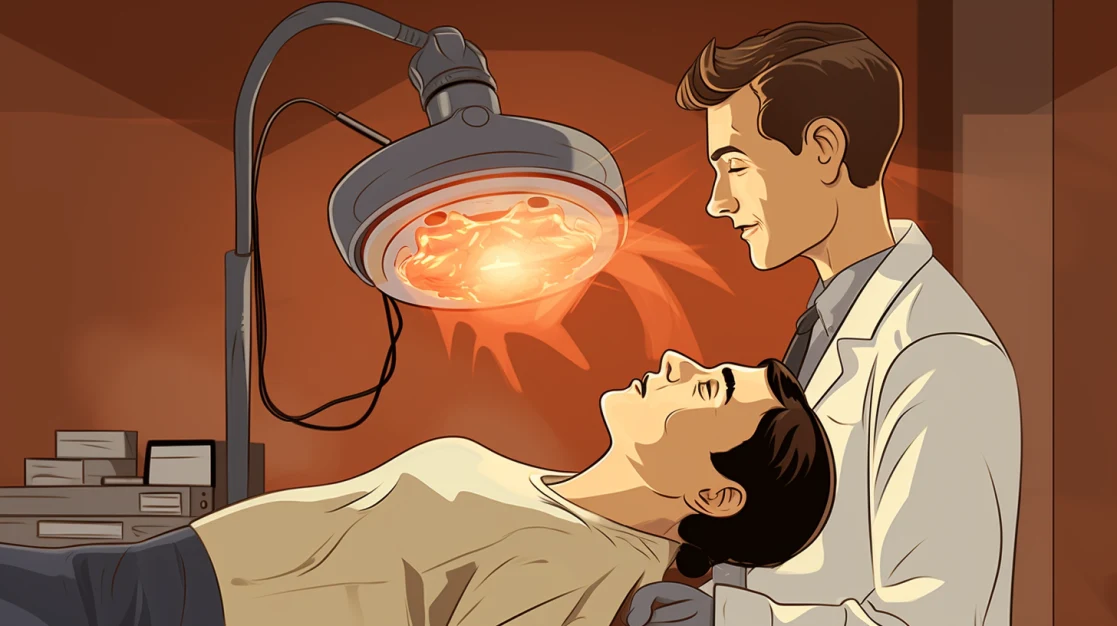
Focused ultrasound (FUS) is an exciting noninvasive brain treatment technology that is revolutionizing how we approach neurological and psychiatric diseases. This incisionless technique uses precisely targeted sound waves to therapeutically stimulate or ablate…
Read article ↗