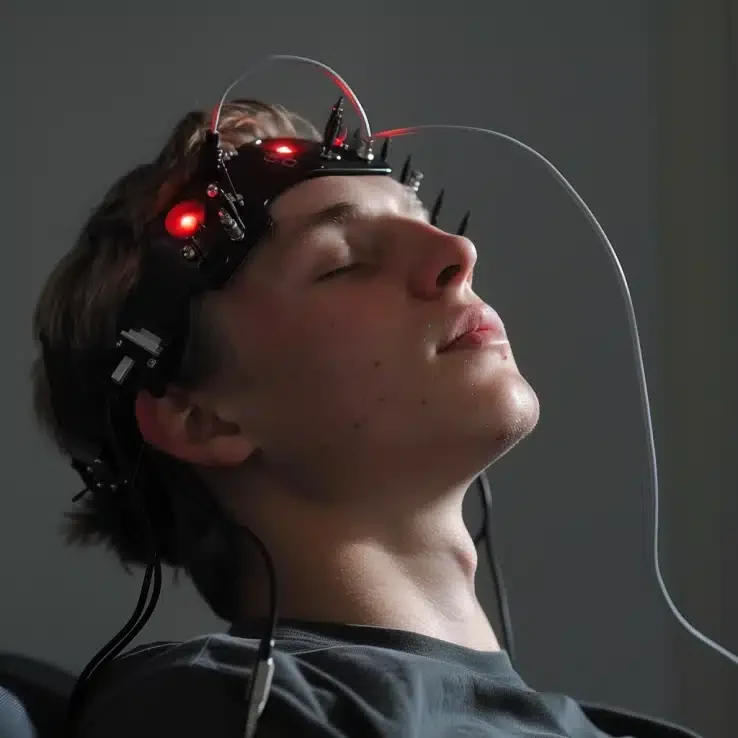
Transcranial direct current stimulation (tDCS) targeting the left dorsolateral prefrontal cortex (DLPFC) at 2-mA intensity effectively alleviates depressive symptoms and shows promise in reducing anxiety symptoms across various clinical conditions. Highlights:…
Read article ↗
Repetitive transcranial magnetic stimulation (rTMS) on the left dorsolateral prefrontal cortex (dlPFC) improves decision-making and reduces cravings in individuals with methamphetamine use disorder (MUD). Highlights: Improved Decision-Making: rTMS treatment en…
Read article ↗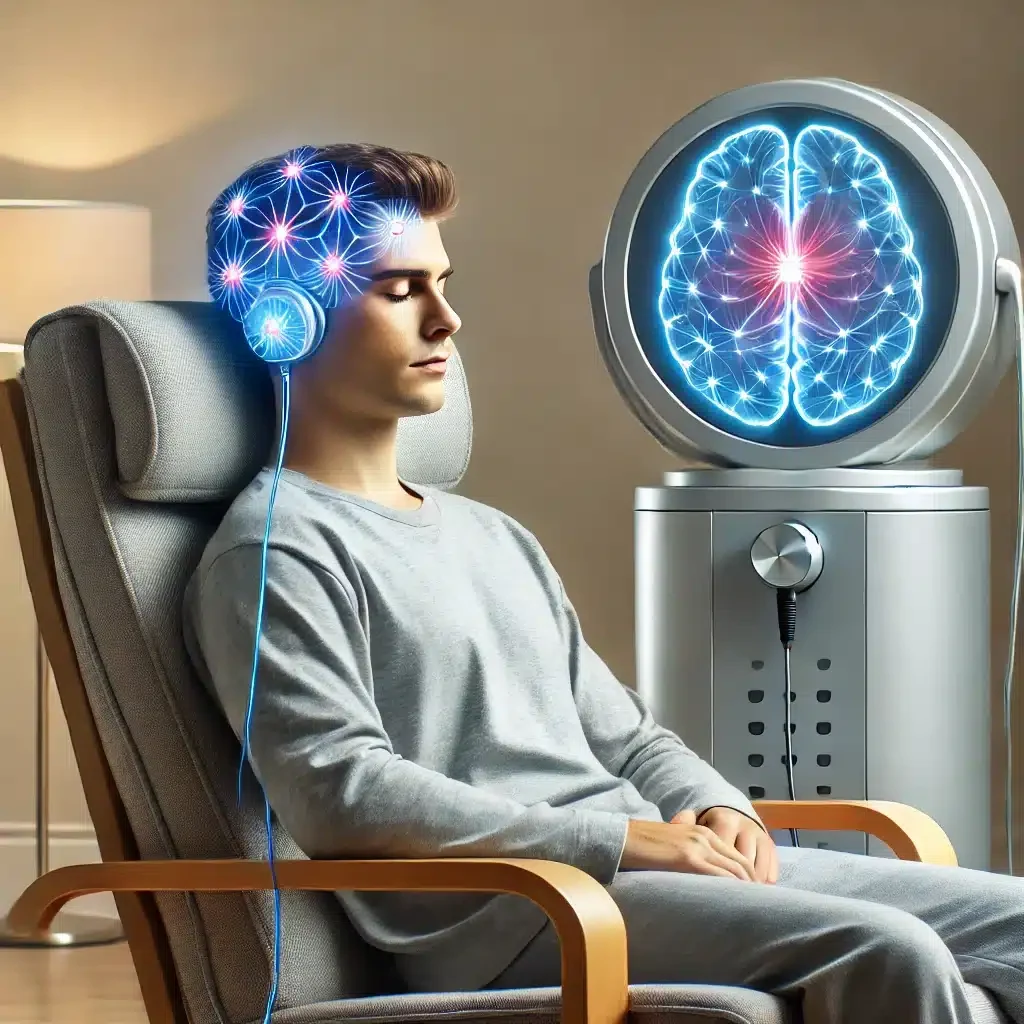
Transcranial magnetic stimulation (TMS) is underutilized in treating major depressive disorder (MDD) despite showing significant clinical benefits, with barriers including insurance coverage and limited access. Highlights: Study Scope: Analyzed real-world data…
Read article ↗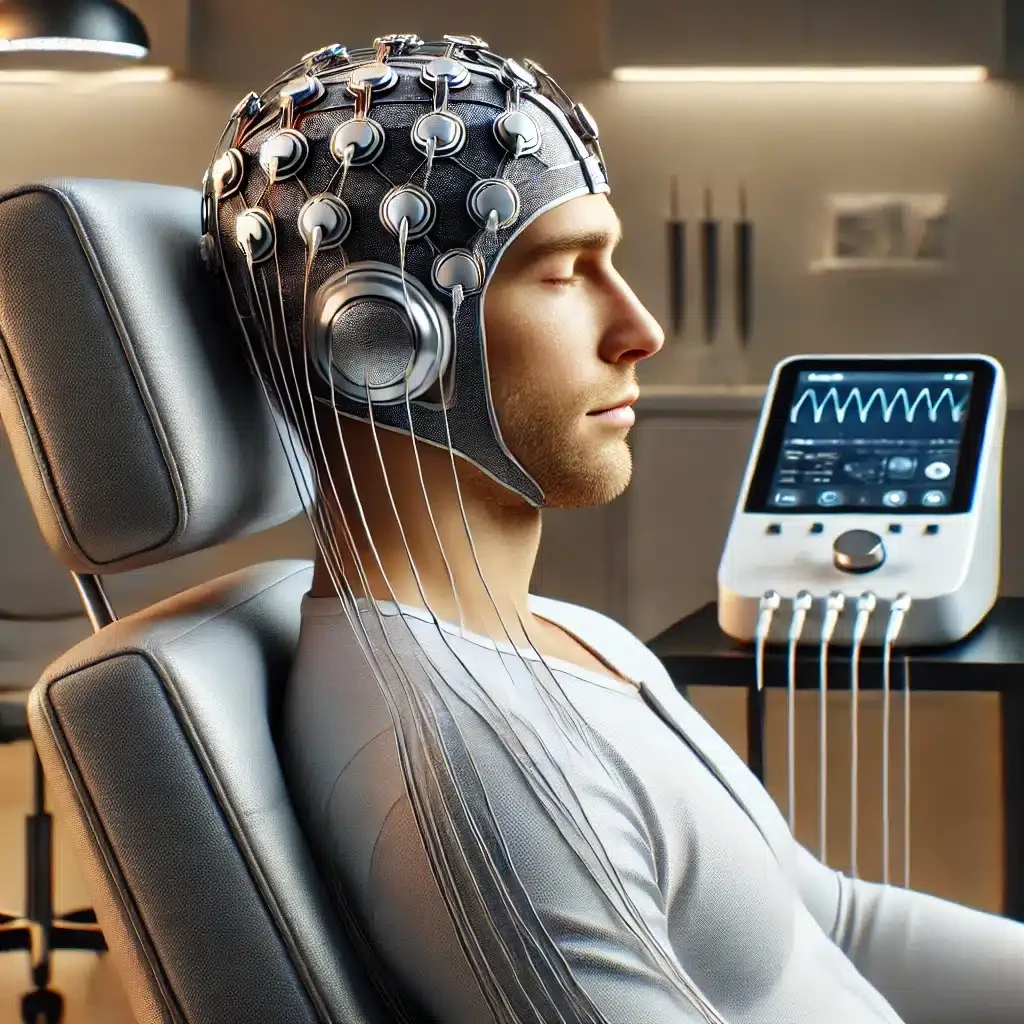
Adding transcranial alternating current stimulation (tACS) to antidepressant treatment improves depression symptoms more effectively than using antidepressants alone. Highlights: Enhanced Efficacy: tACS combined with antidepressants significantly reduces depre…
Read article ↗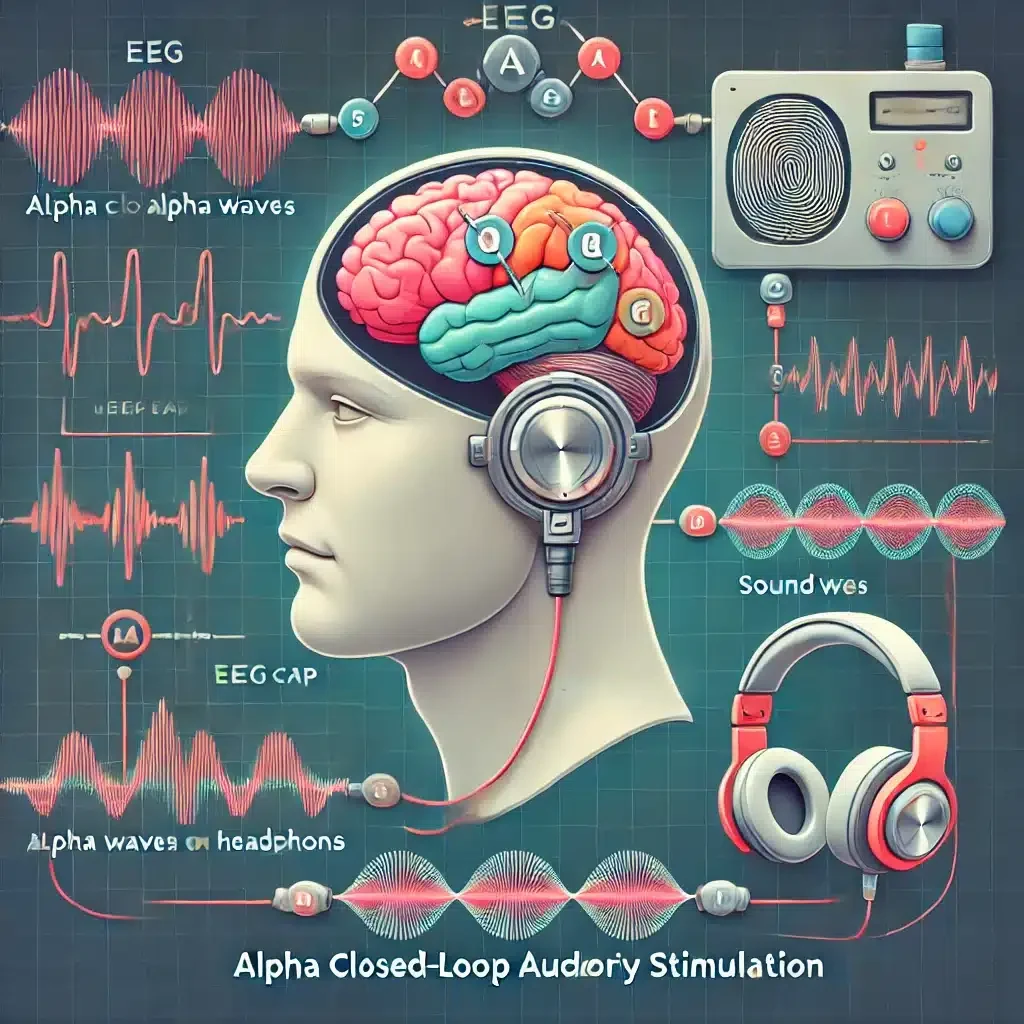
TLDR: A new method using sound to influence brain waves can help manage brain activity and affect how we fall asleep. Highlights: How It Works: This method, called Alpha Closed-Loop Auditory Stimulation (αCLAS), uses sound pulses timed precisely to brain waves…
Read article ↗
Transcranial Magnetic Stimulation (TMS) is emerging as a revolutionary tool in enhancing cognitive functions, with over sixty studies indicating significant improvements in various tasks. Unlike traditional pharmaceutical approaches, TMS offers a non-invasive…
Read article ↗
Neurofeedback is a promising technique that allows people to voluntarily control their own brain activity with the goal of improving cognitive functions or relieving symptoms. Key Facts: Neurofeedback provides real-time feedback on brain activity, allowing a p…
Read article ↗
An innovative study aims to assess the feasibility of patients self-managing transcranial direct current stimulation (tDCS) therapy for depression at home. This digitally-supported model could greatly expand access if proven safe, reliable and effective. Key F…
Read article ↗
Researchers have gained new understanding of how the brain controls movement using both overt motor control and brain-machine interface (BMI) control. Their findings provide insight into the distinct neural processes involved in BMI control compared to natural…
Read article ↗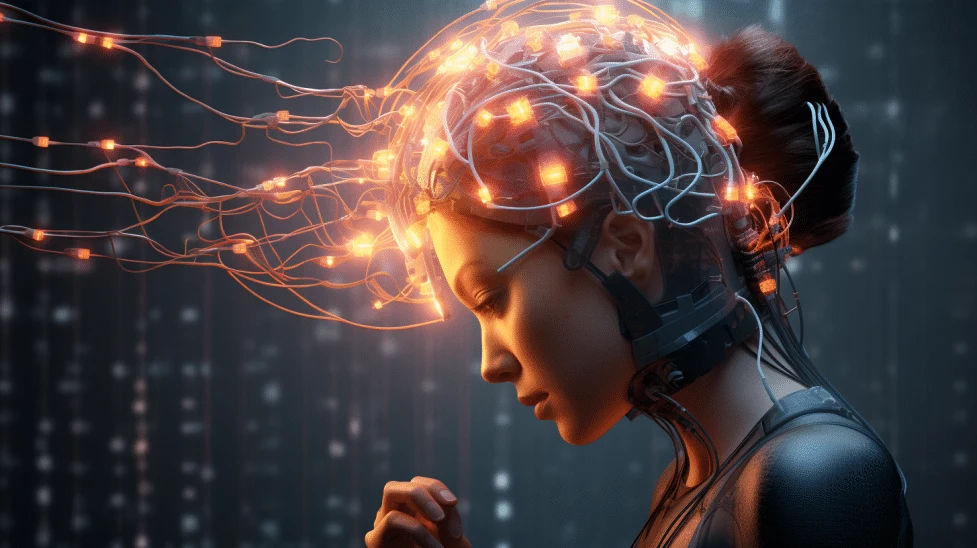
Electrical neural interfaces are unlocking new possibilities for studying, restoring, and augmenting brain functions. These devices provide direct communication pathways to connect the nervous system with the external world. Recent innovations in neural electr…
Read article ↗