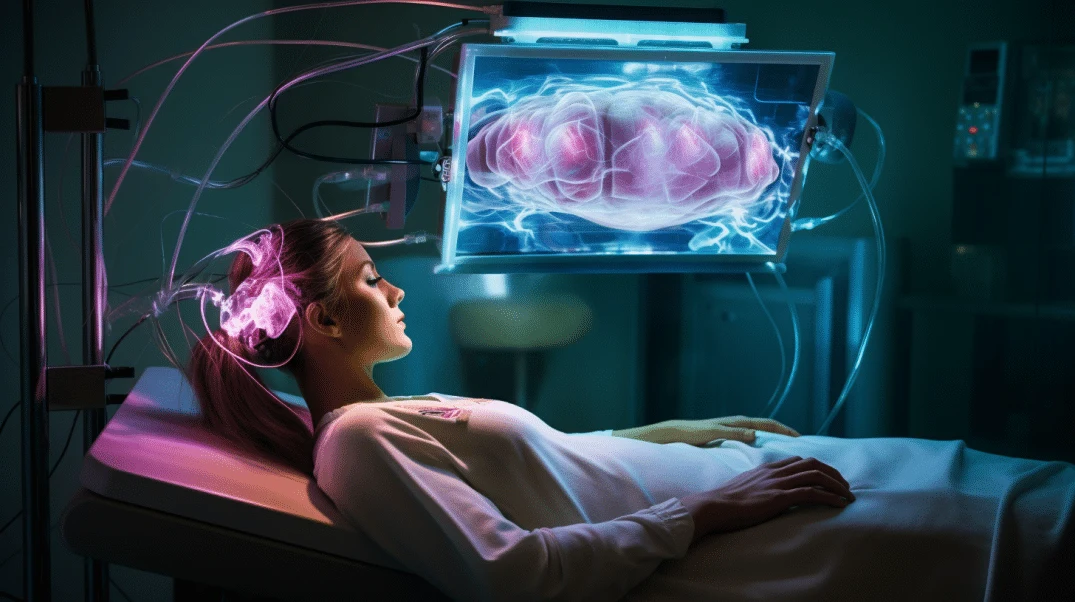
Focused ultrasound is emerging as a potentially revolutionary new tool for precisely stimulating the brain without surgery. This novel approach could transform how we diagnose and treat everything from depression and OCD to Alzheimer’s and stroke. Key Facts: F…
Read article ↗
Brain-machine interfaces (BMIs) are emerging devices that connect the human brain to computers and machines, enabling an unprecedented two-way flow of information and control. BMIs offer extraordinary new capabilities but also present profound ethical dilemmas…
Read article ↗
Low intensity focused ultrasound (LIFU) is an exciting new non-invasive brain stimulation technology that allows precise neuromodulation of deep brain structures without surgery. Early research shows LIFU can safely and reversibly modulate targeted areas of th…
Read article ↗
A new study published in Frontiers in Psychiatry provides promising evidence that focused ultrasound stimulation of the prefrontal cortex can alleviate depressive behaviors in mice by suppressing inflammatory responses. Key facts: Researchers stimulated the pr…
Read article ↗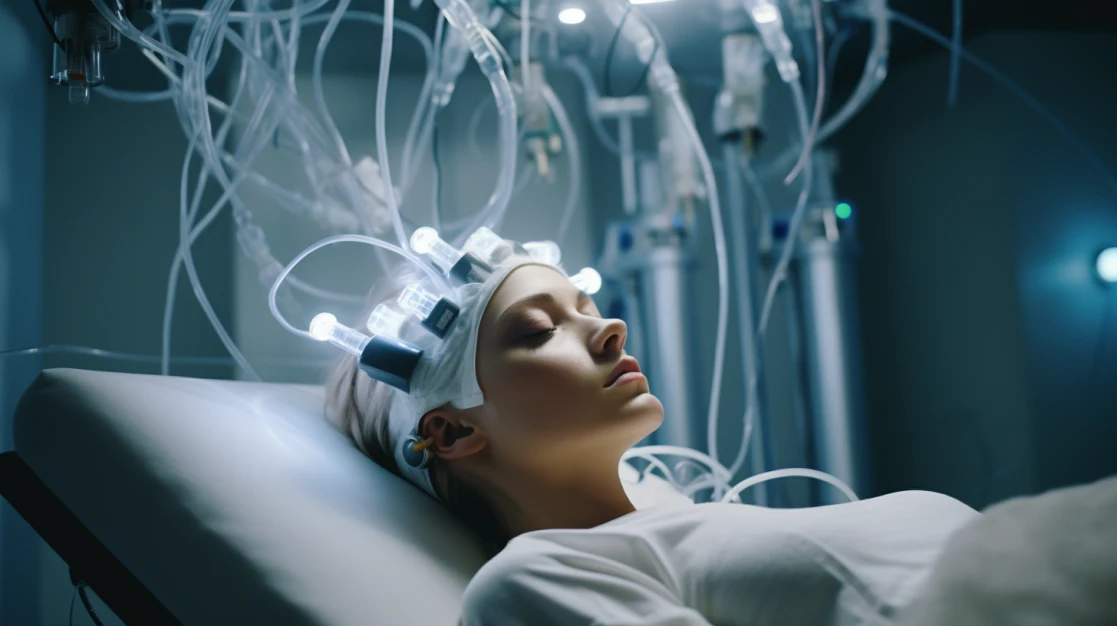
New research demonstrates that repeated focused ultrasound treatments can have antidepressant-like effects in rats. The non-invasive technique was able to improve performance on a common test of depressive behaviors. While not a silver bullet solution, focused…
Read article ↗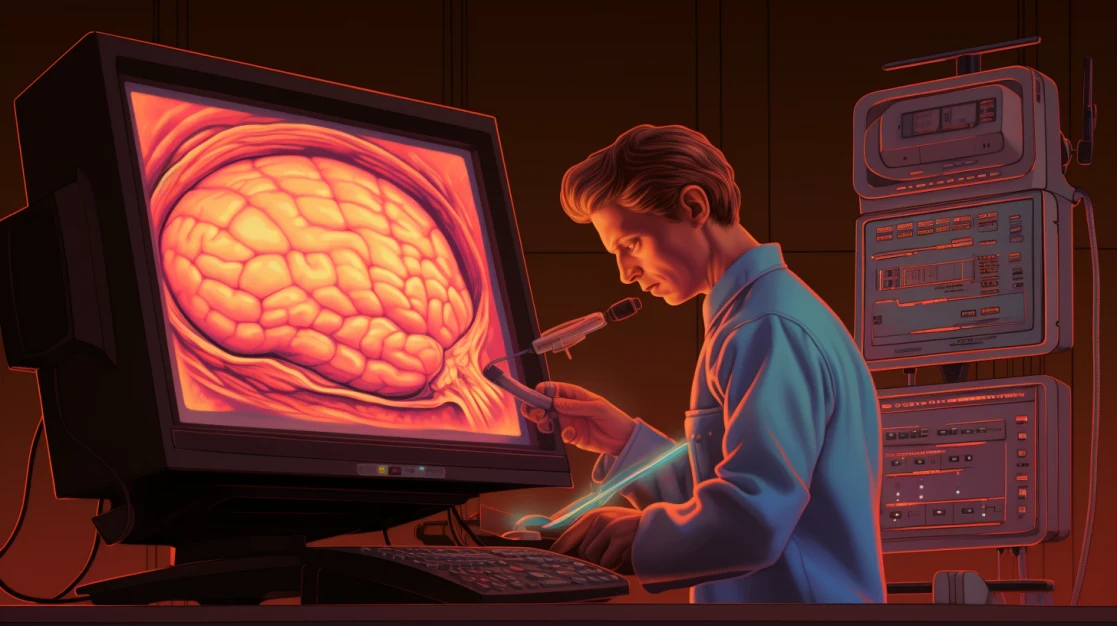
Our brains contain around 100 billion neurons communicating through an intricate web of connections. This complex circuitry controls everything we think, feel, and do. But sometimes things can go wrong, leading to neurological disorders like epilepsy, Parkinso…
Read article ↗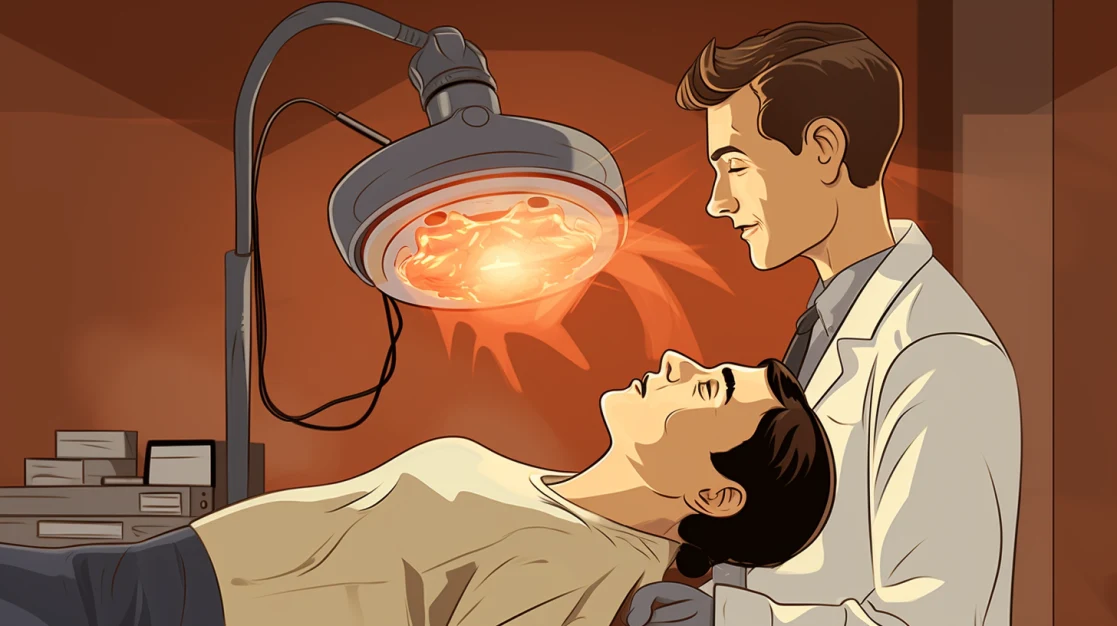
Focused ultrasound (FUS) is an exciting noninvasive brain treatment technology that is revolutionizing how we approach neurological and psychiatric diseases. This incisionless technique uses precisely targeted sound waves to therapeutically stimulate or ablate…
Read article ↗
Invasive brain-computer interfaces (BCIs) allow for direct communication between the brain and external devices, offering immense potential for restoring lost functions and even enhancing brain capabilities. Recent advances are bringing this emerging technolog…
Read article ↗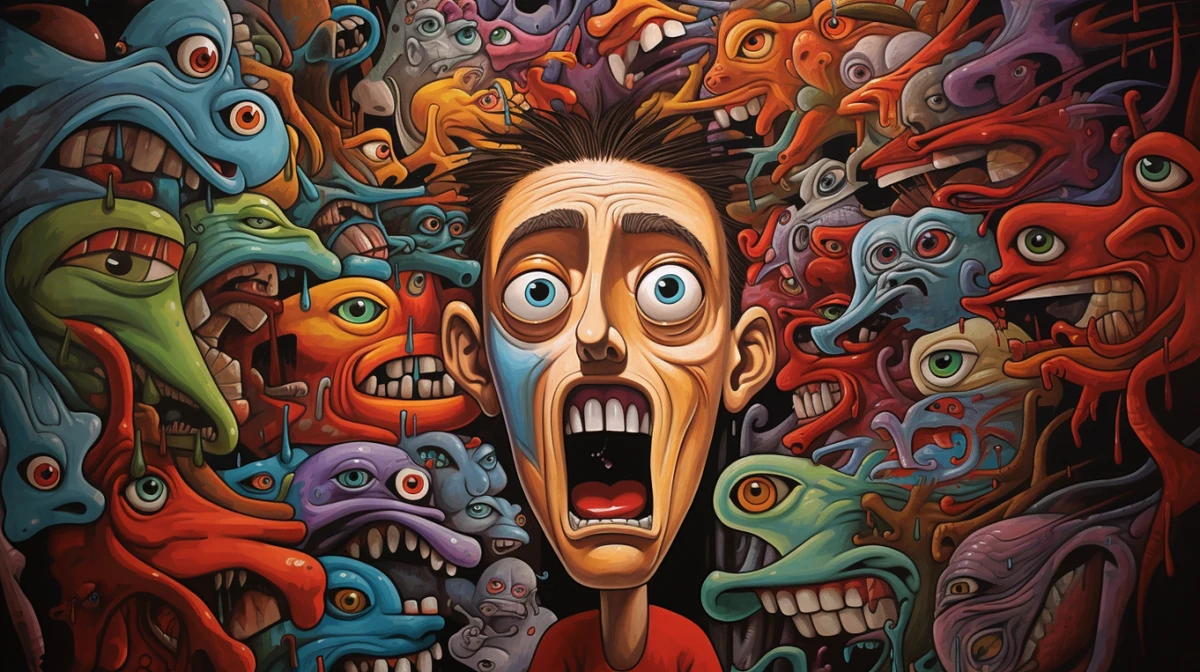
Schizophrenia is a severe mental disorder affecting about 1% of the population worldwide. It is characterized by hallucinations, delusions, disorganized thinking and behavior, and impaired cognitive functioning. Current treatments with antipsychotic medication…
Read article ↗
A new case study provides initial evidence that transcranial direct current stimulation (tDCS) may be an effective treatment option for trichotillomania, also known as hair pulling disorder. The study tested an intensified, repeated tDCS protocol targeting the…
Read article ↗