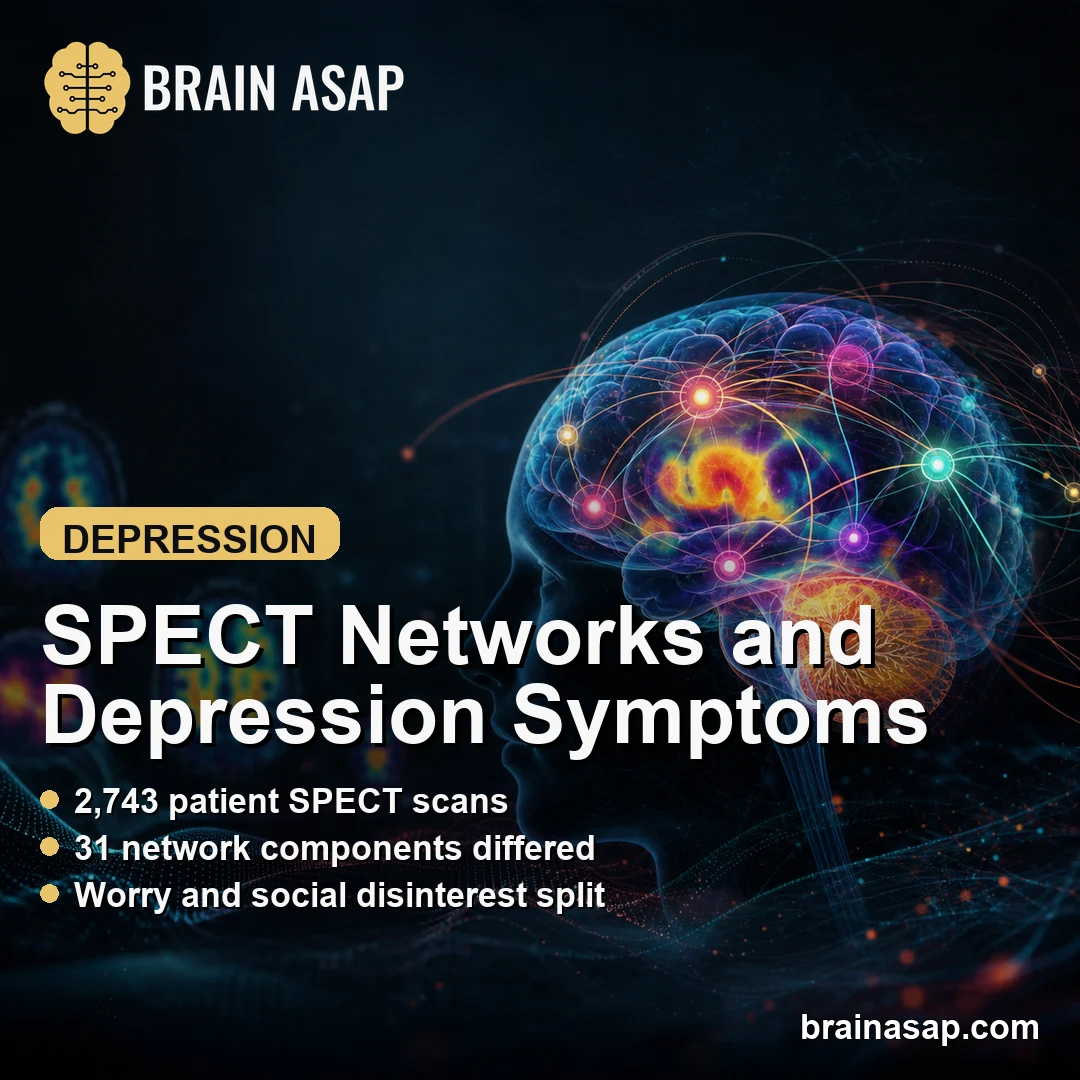
TL;DR: A 2026 medRxiv preprint used single photon emission computed tomography (SPECT), a brain blood-flow imaging method, and a 68-component NeuroMark template to link depression-related symptoms with frontal, subcortical, cerebellar, salience, and visual net…
Read article ↗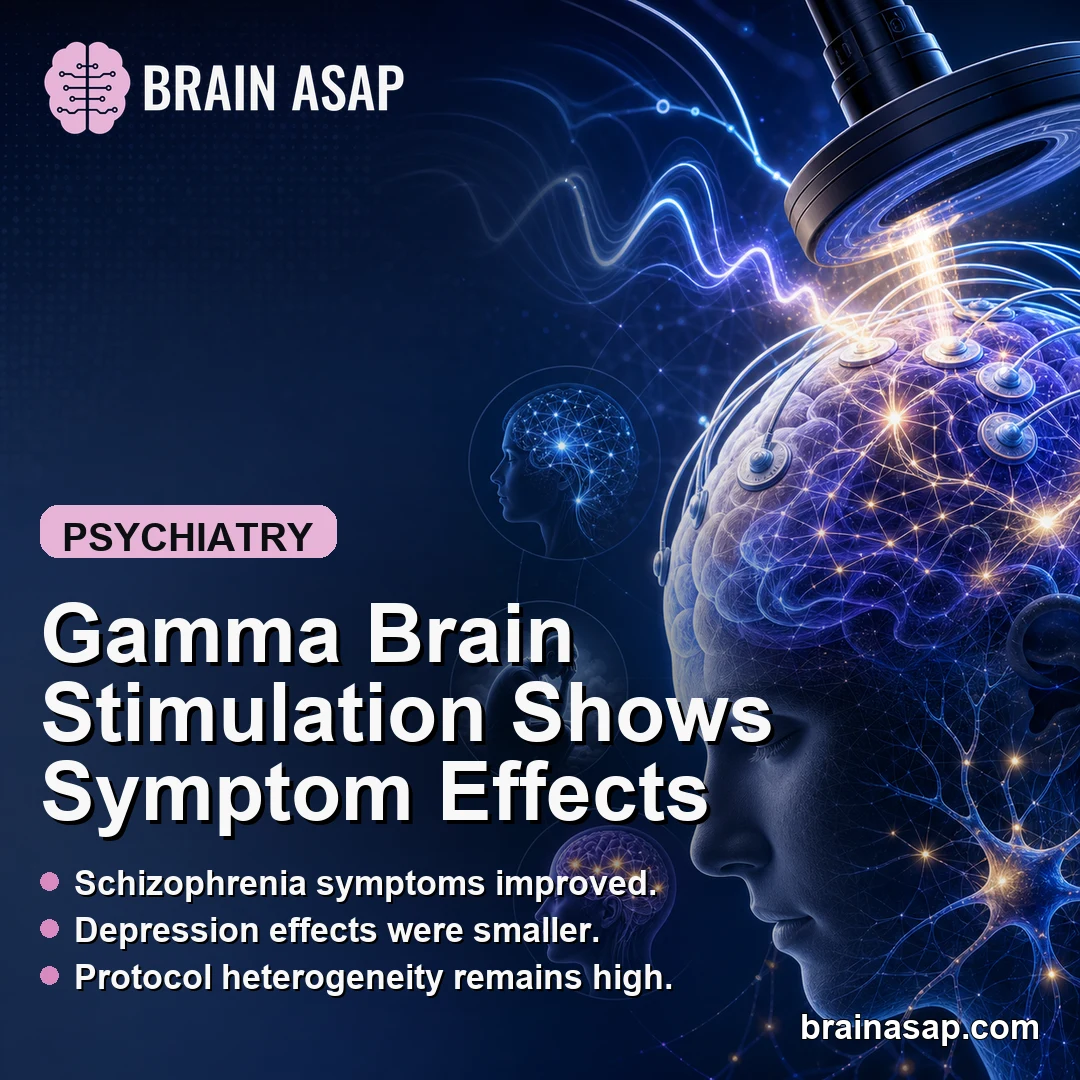
TL;DR: A 2026 systematic review and meta-analysis posted to medRxiv found that gamma-frequency non-invasive brain stimulation was linked to symptom improvement in schizophrenia and depressive-symptom reduction in major depressive disorder, but the evidence was…
Read article ↗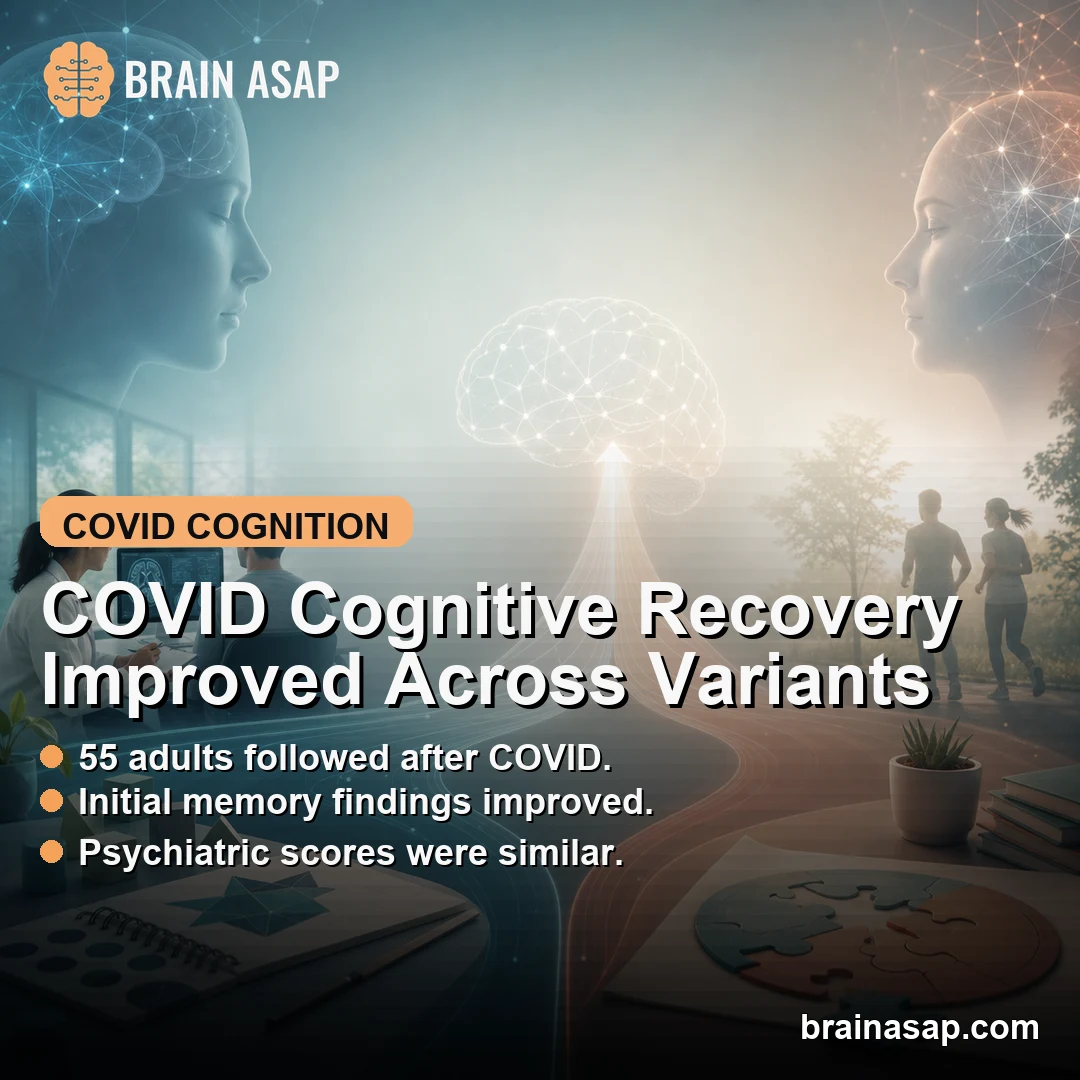
TL;DR: A 2026 study in Neuropsychiatric Disease and Treatment followed 55 adults after mild-to-moderate COVID-19 and found that neurocognitive test performance improved over time after both Alpha/Delta-era and Omicron-era infections. Key Findings 55-person lon…
Read article ↗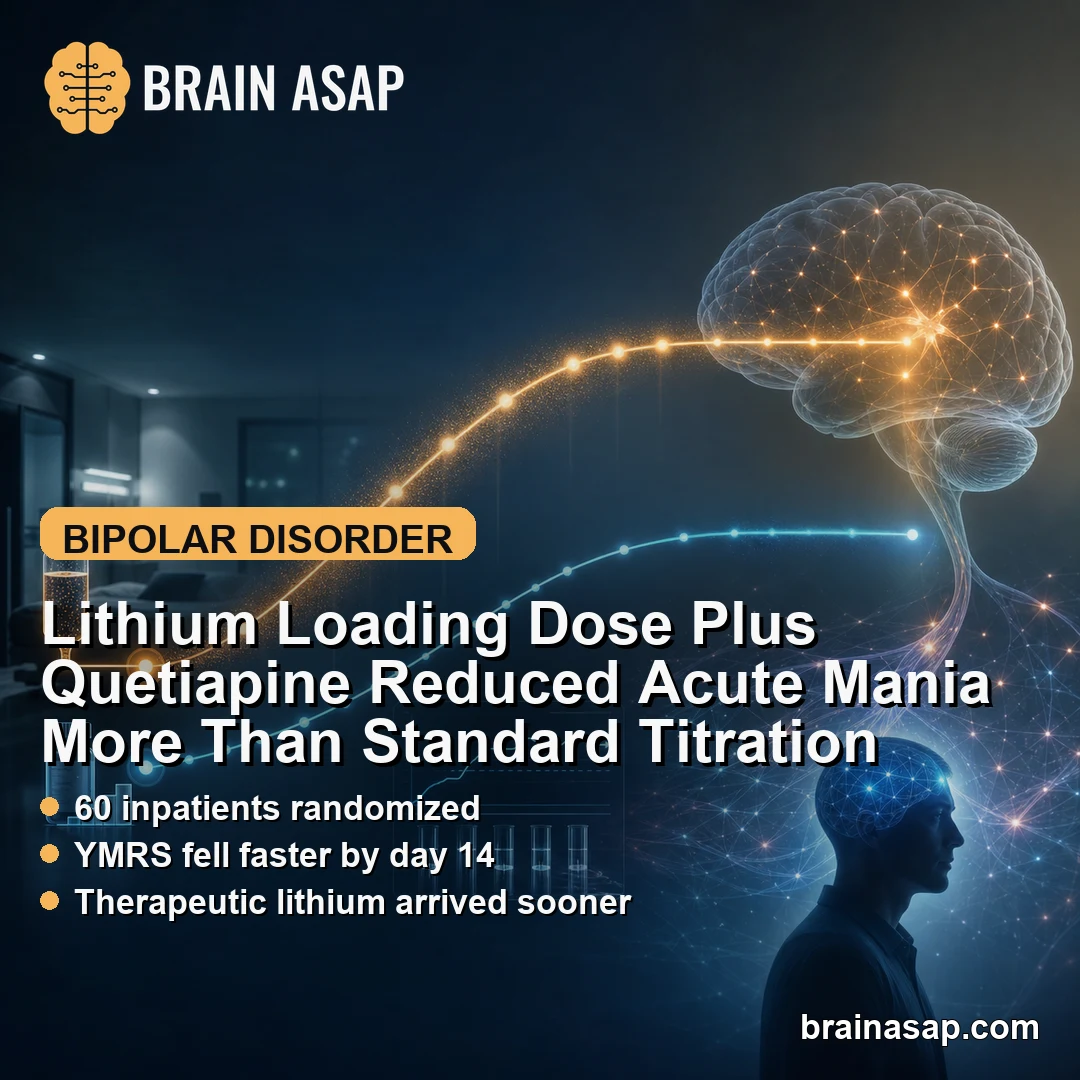
TL;DR: A 2026 randomized single-blind trial in BMC Psychiatry found that a one-day lithium carbonate loading dose plus quetiapine reduced acute manic symptoms in bipolar I disorder more than standard slow-titration lithium plus quetiapine over 14 days. Key Fin…
Read article ↗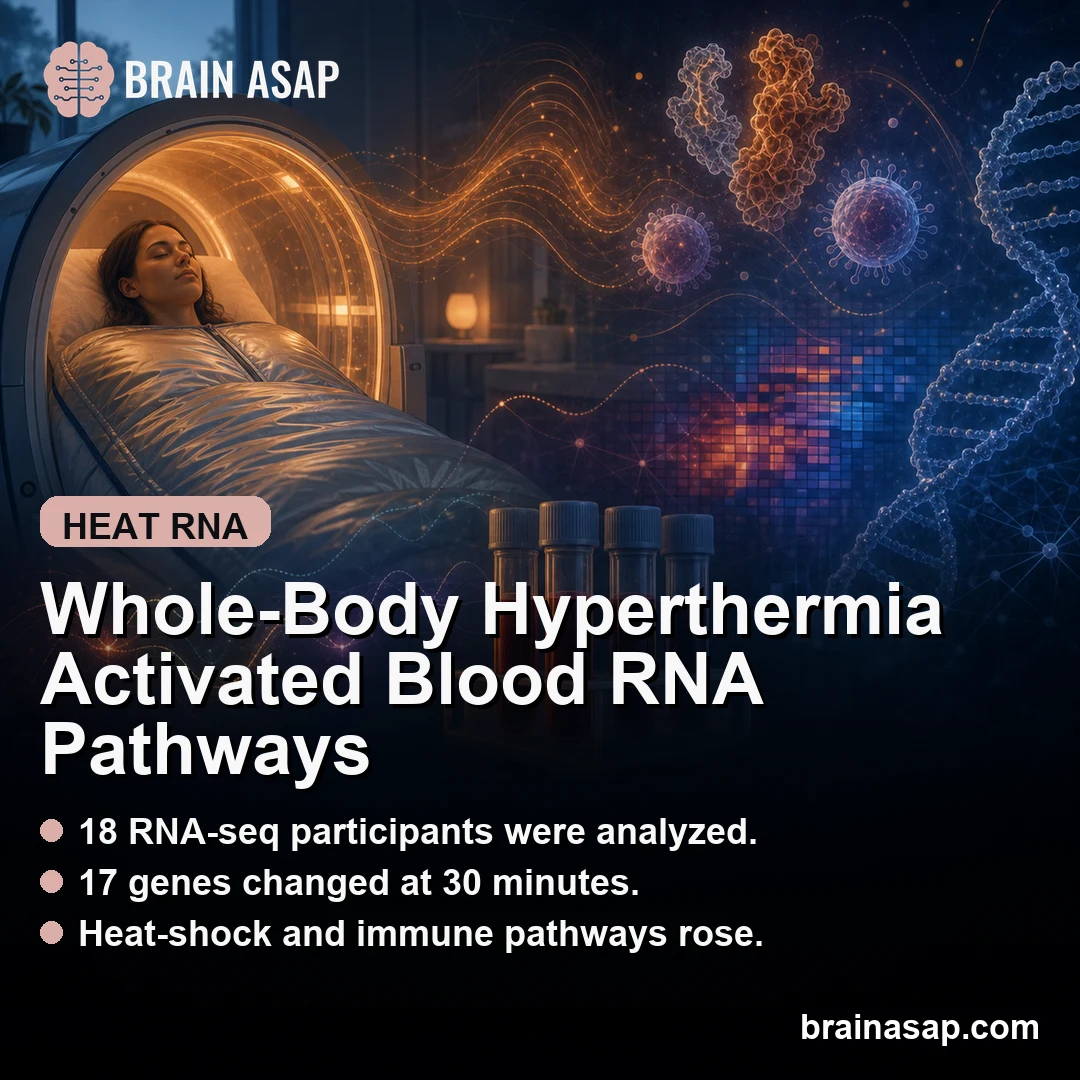
TL;DR: A 2026 study in Brain, Behavior, & Immunity – Health found that whole-body hyperthermia in adults with major depressive disorder triggered a 30-minute whole-blood RNA-seq response dominated by heat-shock genes and immune pathways, including IL-6 product…
Read article ↗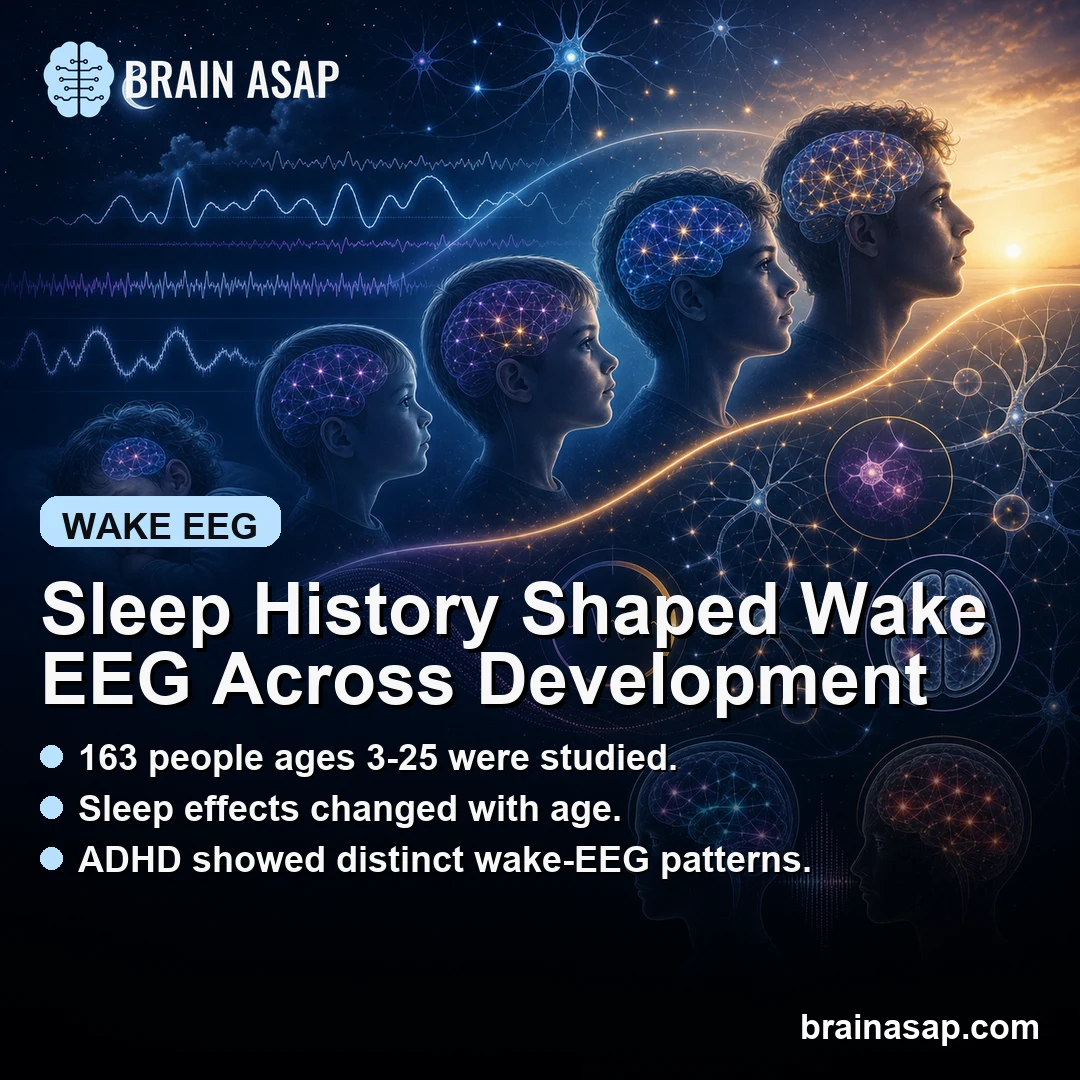
TL;DR: A 2026 eNeuro study of 163 people ages 3-25 found that sleep history and age shaped waking electroencephalography (EEG) oscillations, while children with ADHD showed distinct sleep-wake EEG patterns. Key Findings Sleep and development interact to shape…
Read article ↗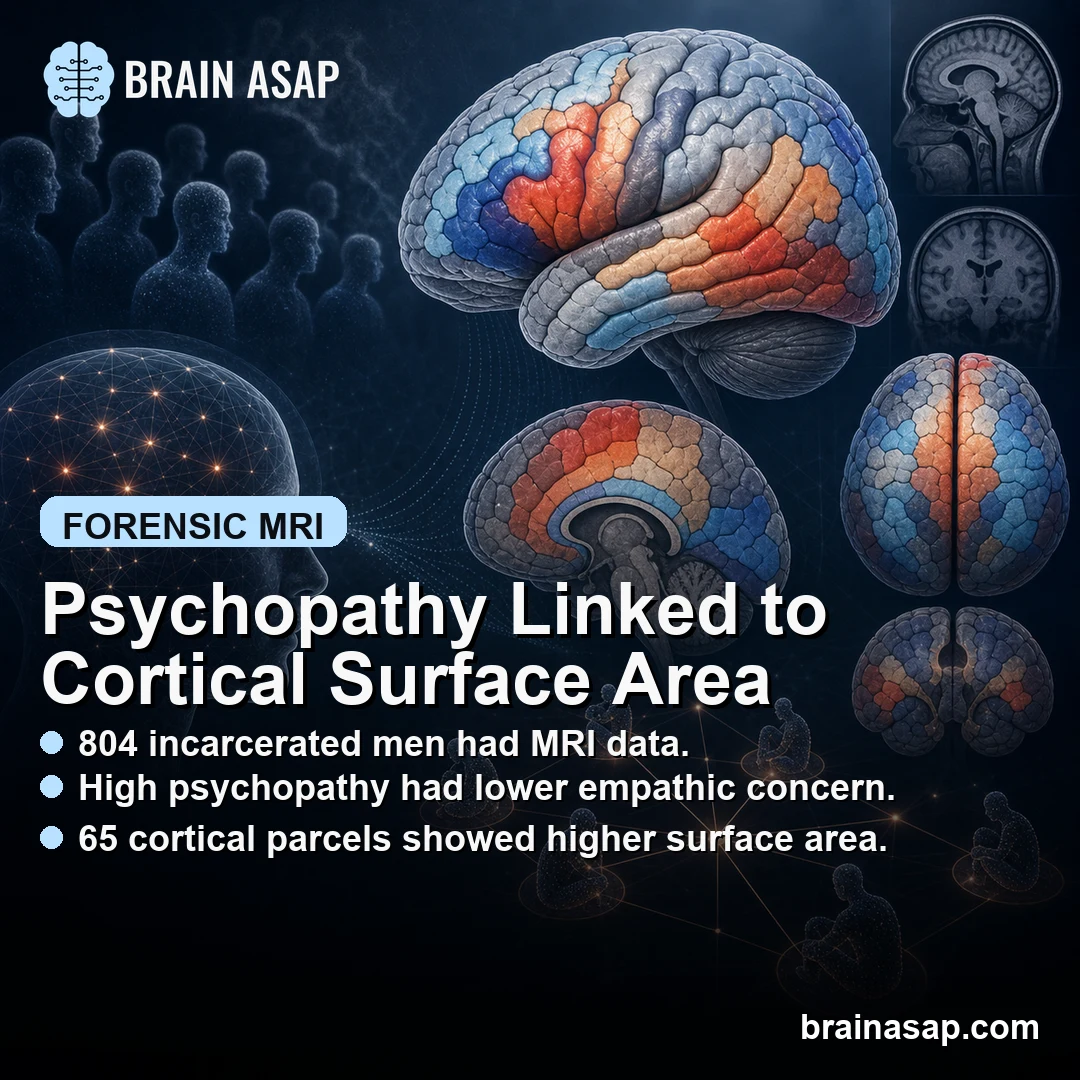
TL;DR: A 2026 study in Biological Psychiatry: Global Open Science linked higher psychopathy in MRI data from 804 incarcerated men to lower empathic concern and broader cortical surface area, while empathy scores themselves were not directly tied to cortical th…
Read article ↗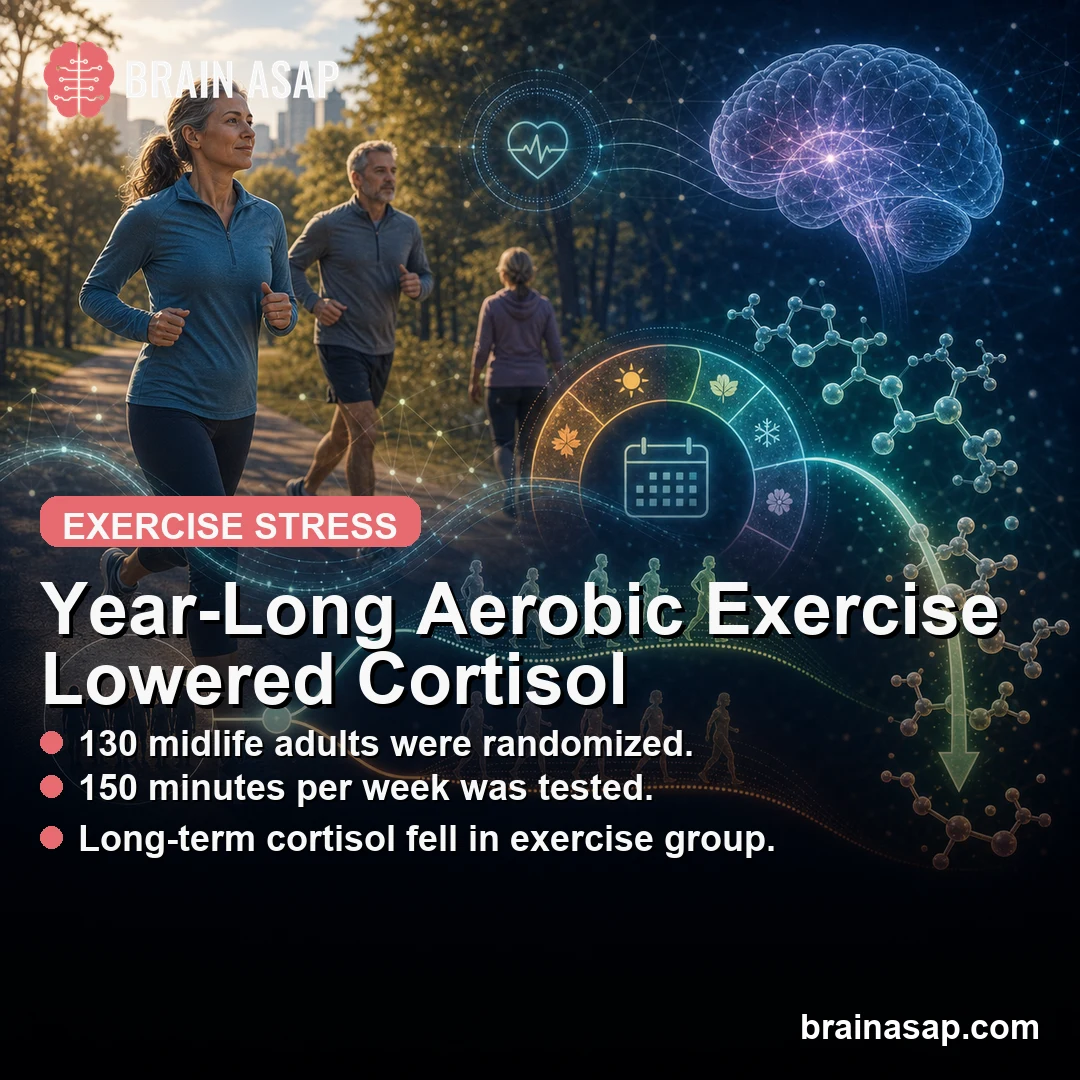
TL;DR: A 2026 randomized clinical trial in the Journal of Sport and Health Science assigned 130 midlife adults to 150 minutes/week aerobic exercise or no-exercise control for 1 year and found sustained lower long-term cortisol in the exercise group. Key Findin…
Read article ↗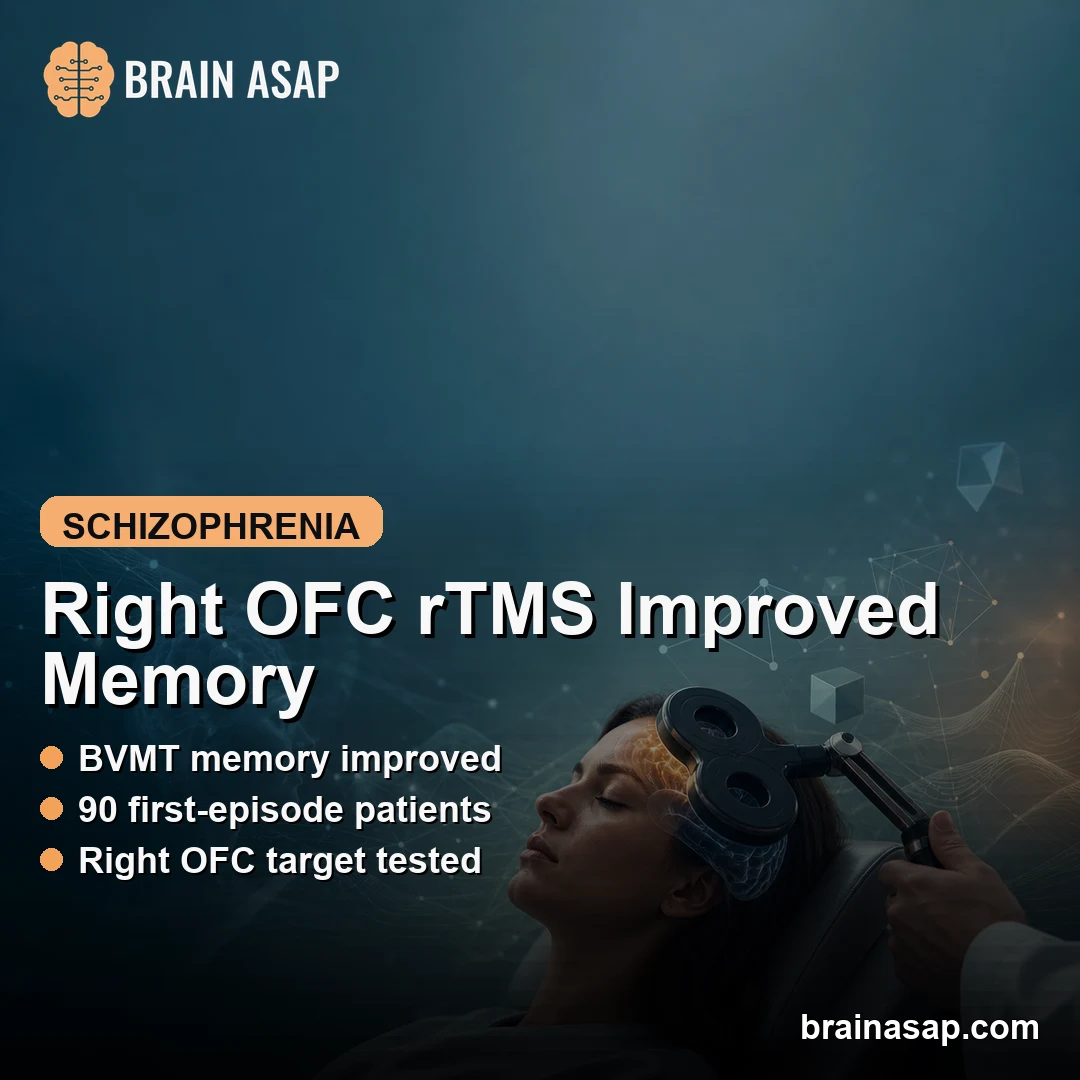
TL;DR: A 2026 randomized study in Psychological Medicine found that right orbitofrontal cortex repetitive transcranial magnetic stimulation (rTMS), a noninvasive brain-stimulation method, improved visuospatial memory on the Brief Visuospatial Memory Test-Revis…
Read article ↗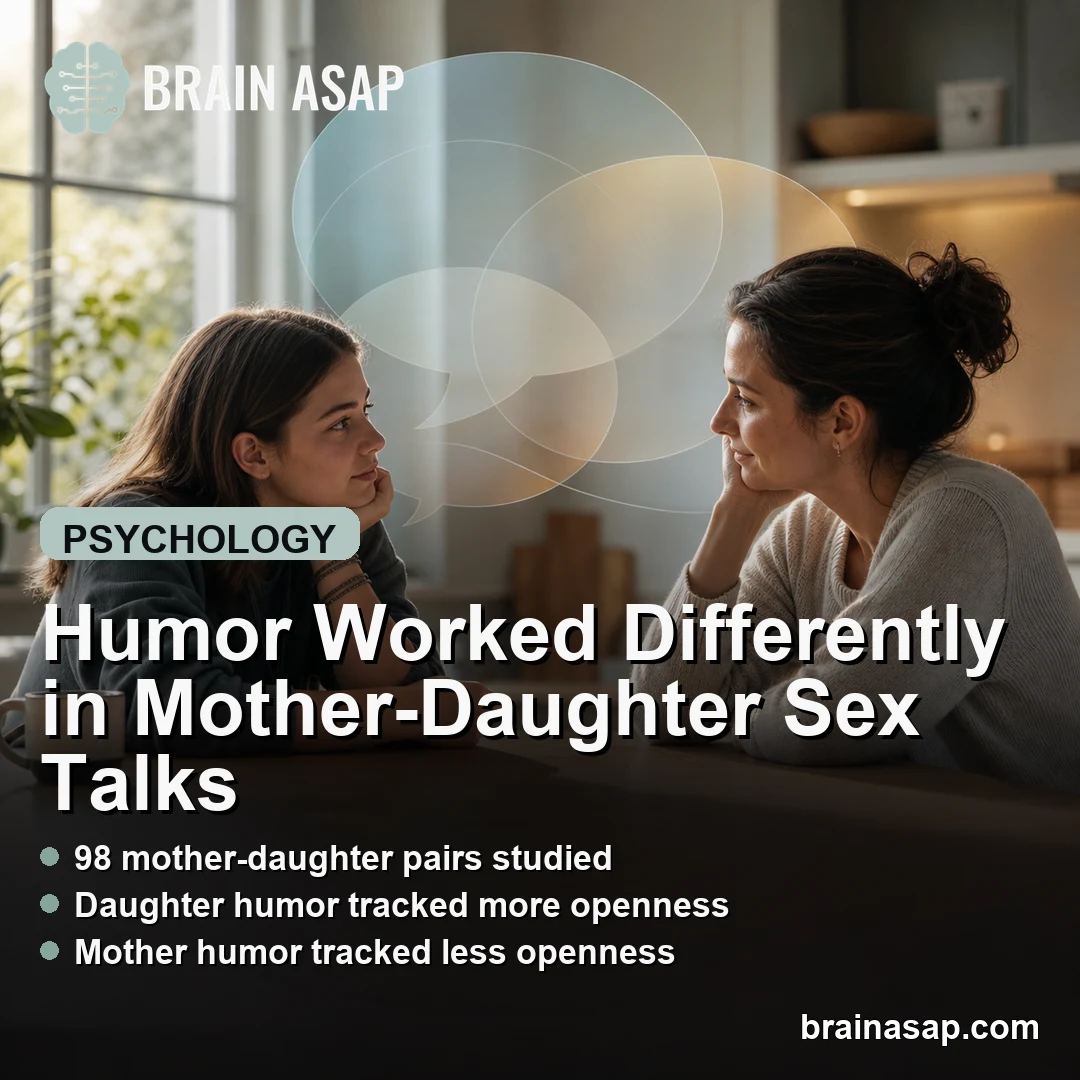
TL;DR: A 2026 study in The Journal of Sex Research found that teenage daughters’ own humor during sexuality conversations was linked to more open mother-daughter communication and higher sexual well-being, while mothers’ humor was linked to less openness from…
Read article ↗