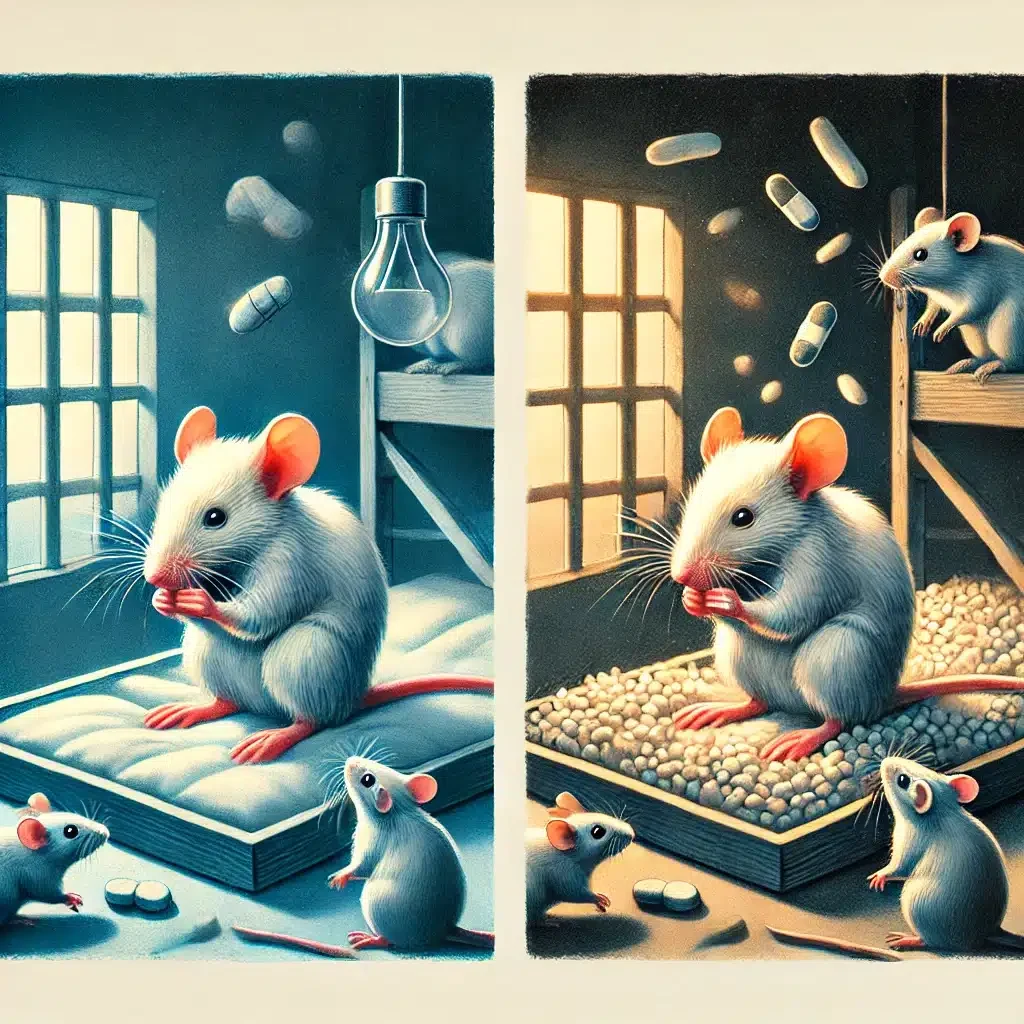
Allopregnanolone shows antidepressant-like effects in mice by increasing social interaction and specific brain wave activities, unlike diazepam. Highlights: Allopregnanolone: Allopregnanolone, a neuroactive steroid, increases social interaction time in mice ex…
Read article ↗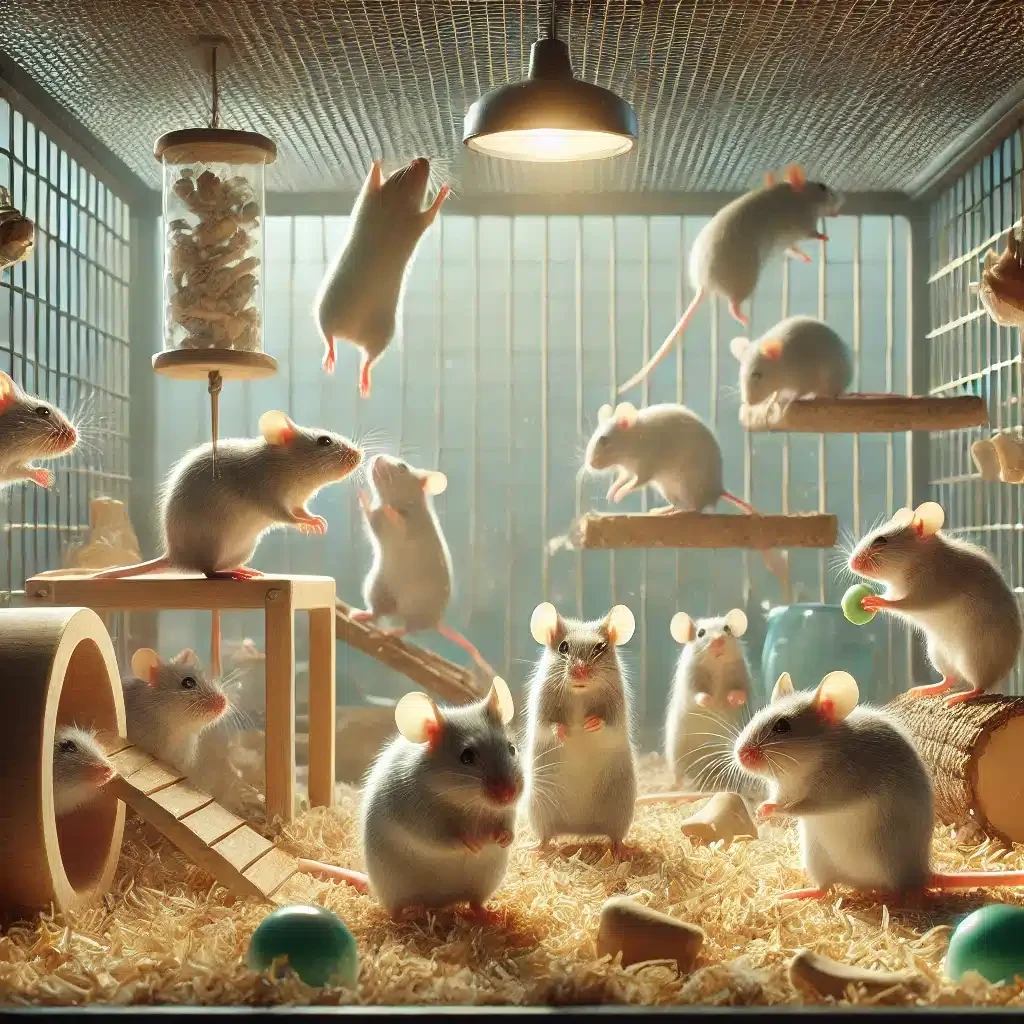
Resocialization significantly reduces depressive behaviors in socially isolated mice by decreasing neuroinflammation and nitrite levels in the hippocampus. Highlights: Depressive Behaviors: Resocialization reduced depressive behaviors in socially isolated mice…
Read article ↗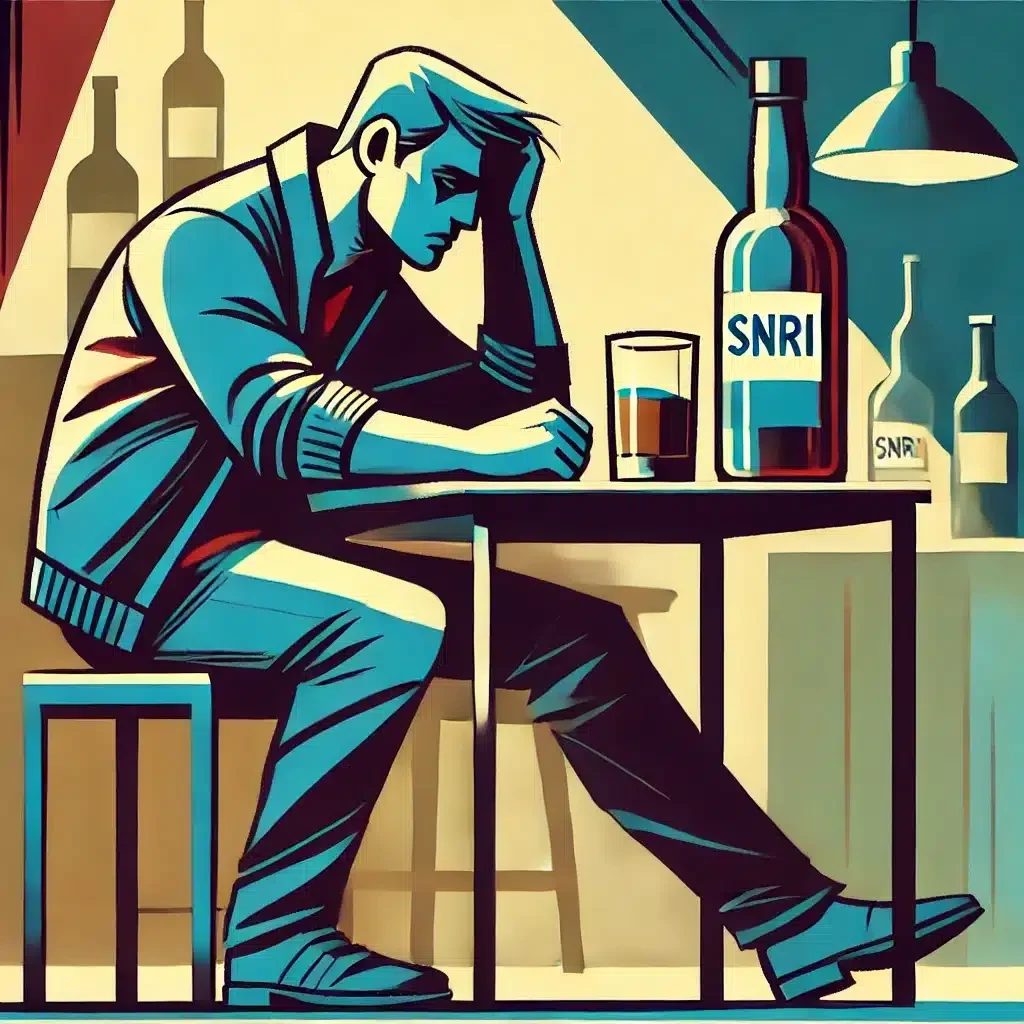
Moderate alcohol intake in men treated with SNRI antidepressants significantly increases the risk of depression relapse, according to a new study. Highlights: Risk Increase with SNRIs: Men with moderate alcohol consumption and elevated liver enzymes are signif…
Read article ↗
Experiencing aesthetic chills can positively influence self-related beliefs in people with depression, similar to the effects of psychedelics, suggesting potential as a non-pharmacological intervention. Highlights: Novel Approach: Aesthetic chills, characteriz…
Read article ↗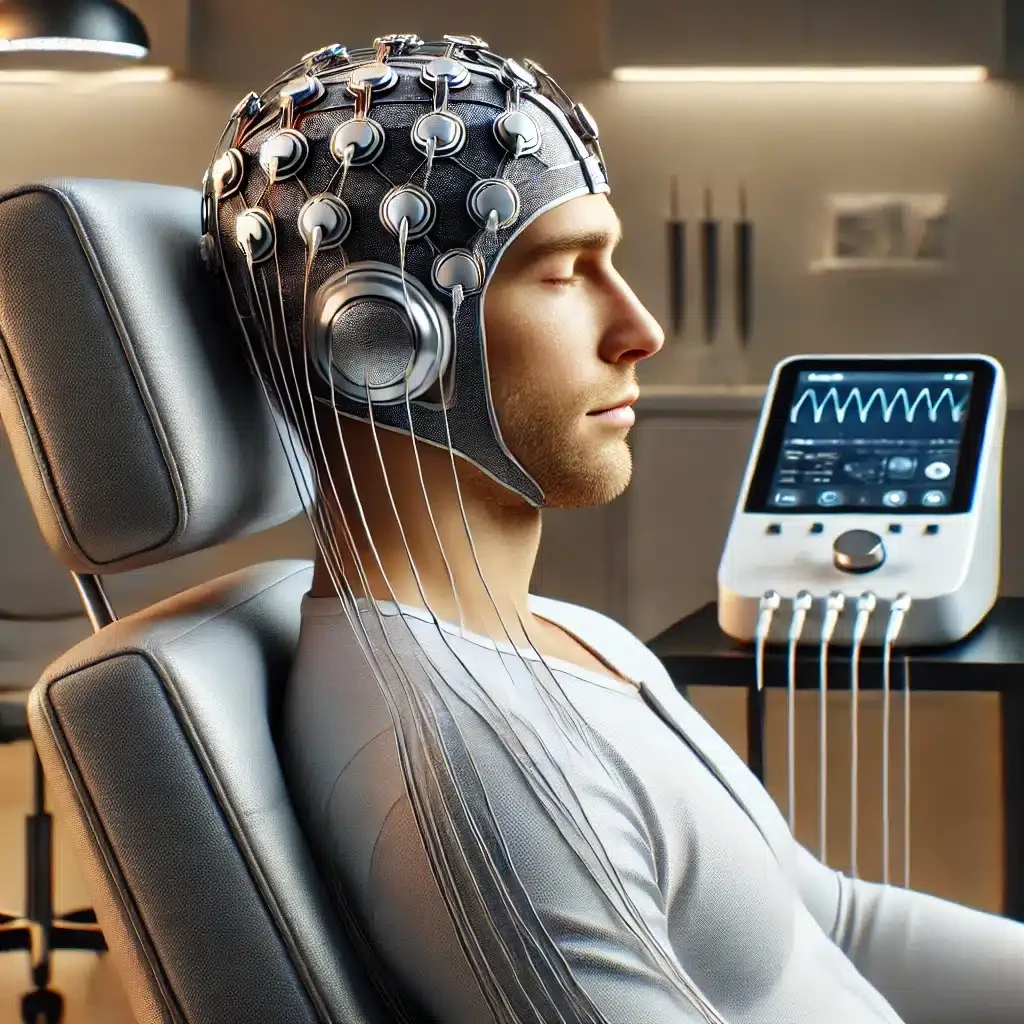
Adding transcranial alternating current stimulation (tACS) to antidepressant treatment improves depression symptoms more effectively than using antidepressants alone. Highlights: Enhanced Efficacy: tACS combined with antidepressants significantly reduces depre…
Read article ↗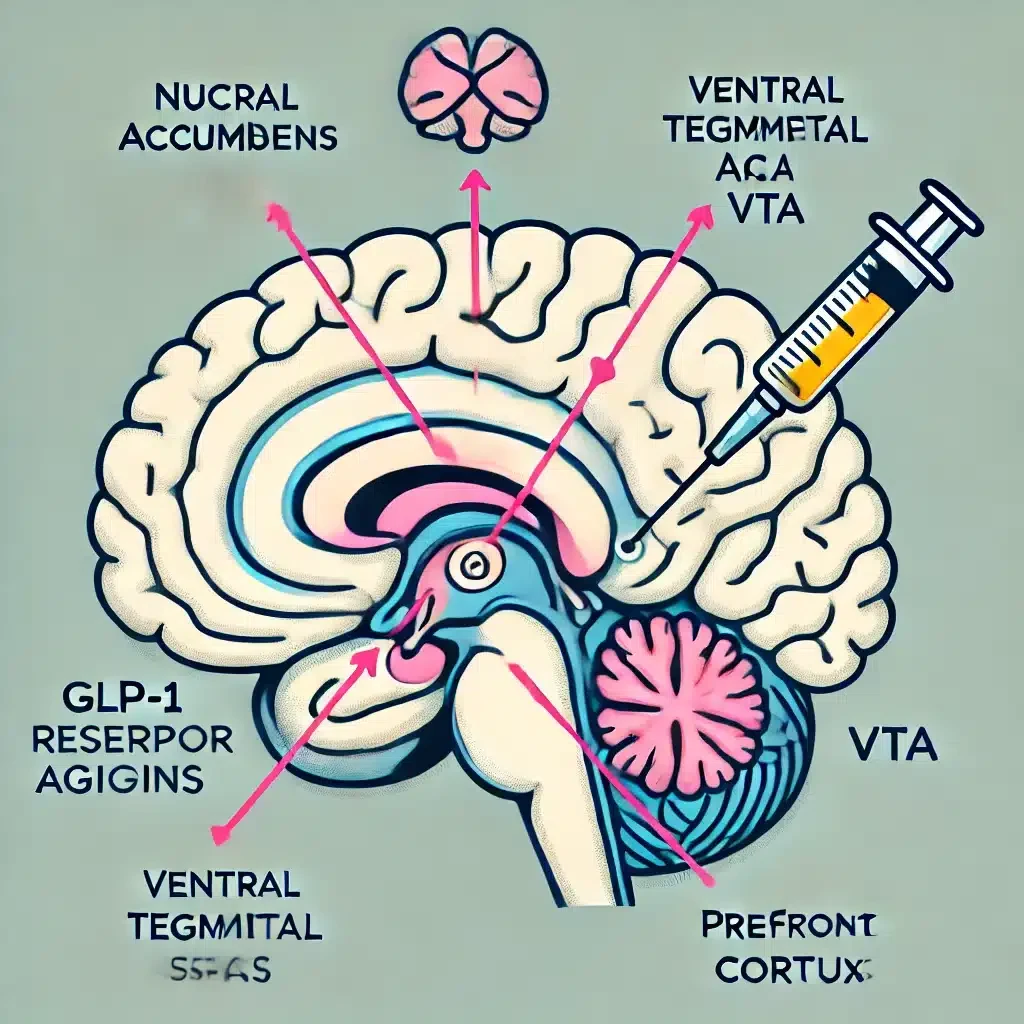
GLP-1 receptor agonists (GLP-1RAs) show promise in regulating the reward system and potentially treating motivation and reward-processing disorders. Highlights: Regulation of Reward System Dysfunction: GLP-1RAs influence the brain’s reward system, which is inv…
Read article ↗
Probiotics may help improve sexual function and reduce depression severity in women treated with SSRIs. Highlights: Depression Prevalence: Approximately 5% of all adults will experience depressive disorder, often accompanied by reduced sexual desire and dysfun…
Read article ↗
A comprehensive study of nearly 5 million cancer patients over 40 years revealed fluctuating trends in cancer-related suicides in the U.S., with a recent significant decrease likely due to advancements in psychosocial care and cancer treatment. Highlights: Dat…
Read article ↗
Major depressive disorder (MDD) involves a topographic reorganization of brain activity from sensory to associative regions, affecting symptom co-occurrence through changes in neural dynamics and excitation-inhibition balance. Highlights: Topographic Reorganiz…
Read article ↗
Epigenetic markers, specifically DNA methylation (DNAm) differences, show promise as diagnostic tools for detecting delirium, including post-operative delirium (POD), across multiple patient cohorts. Highlights: Significant DNAm Differences: Analysis of blood…
Read article ↗