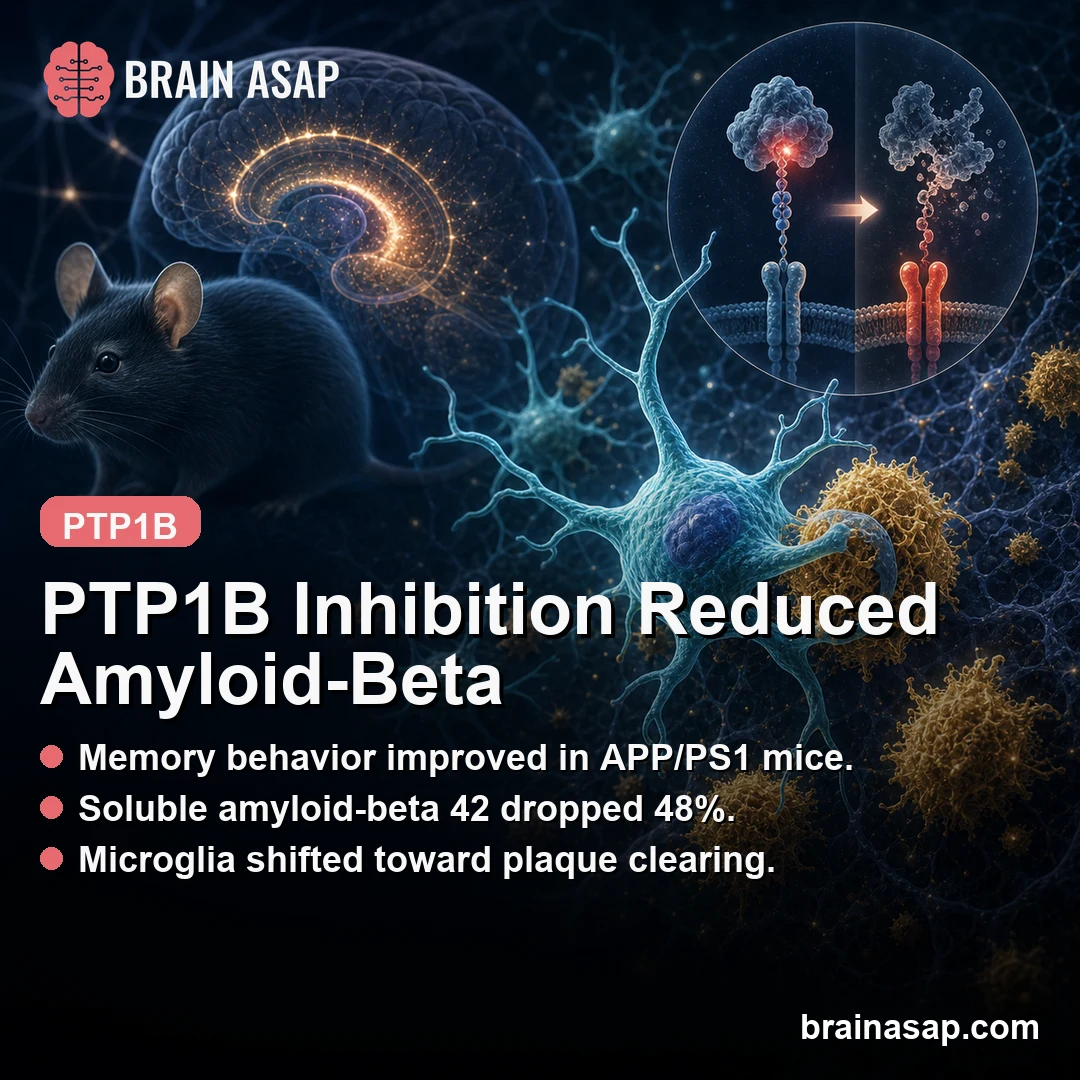
TL;DR: A 2026 mouse study in Proceedings of the National Academy of Sciences found that deleting or inhibiting PTP1B improved memory behavior, reduced amyloid-beta burden, and pushed microglia toward an amyloid-clearing state. Key Findings Memory behavior impr…
Read article ↗
TL;DR: A 2026 study in Cell Chemical Biology found that alzheimer’s inflammation may be driven by a specific chemical switch: S-nitrosylation of STING at cysteine 148, which pushed innate immune signaling toward synaptic damage. Key Findings STING carried the…
Read article ↗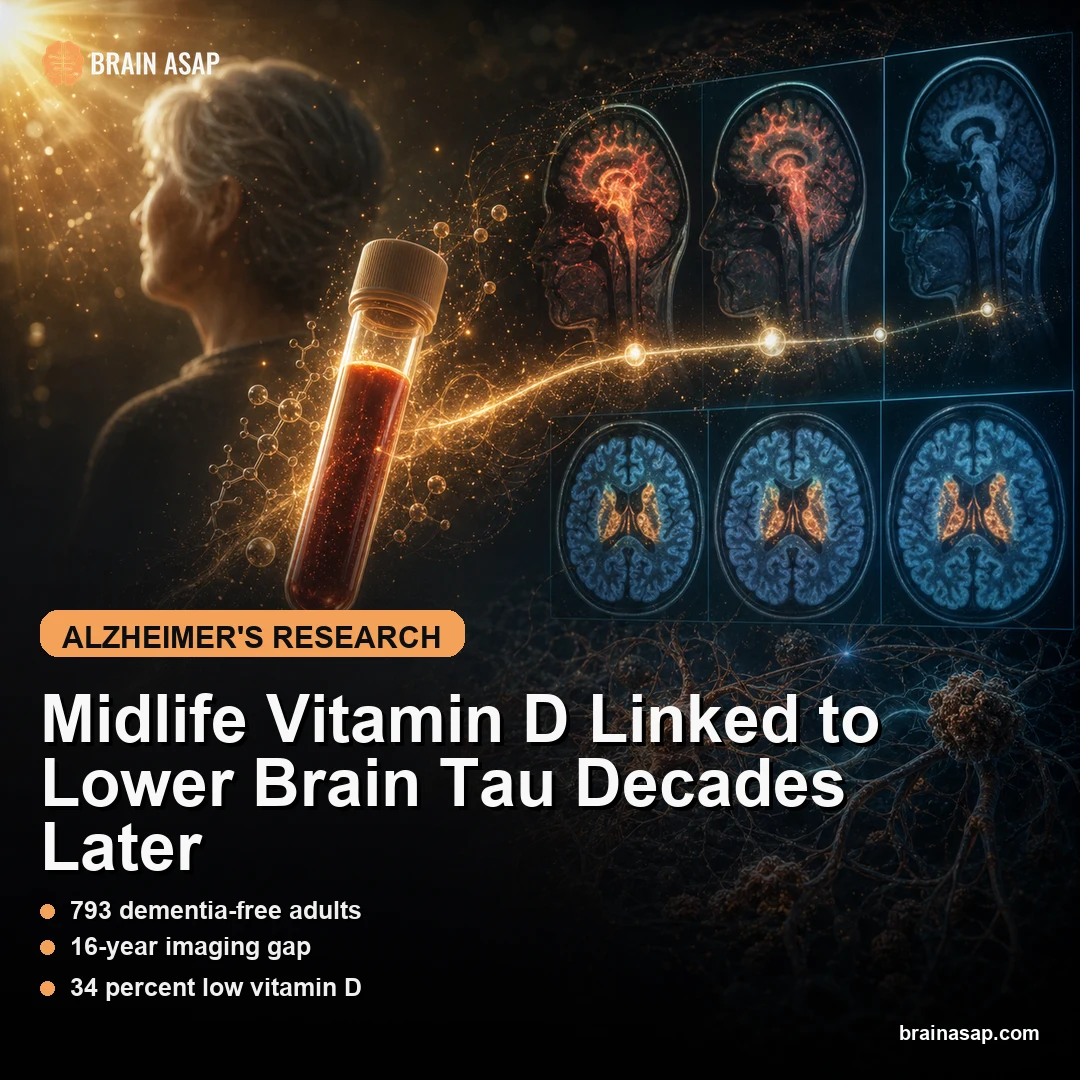
TL;DR: A 2026 study in Neurology Open Access found that in 793 dementia-free adults, higher vitamin D levels around age 39 were associated with less tau readout on PET brain imaging about 16 years later, while amyloid beta did not show the same relationship. K…
Read article ↗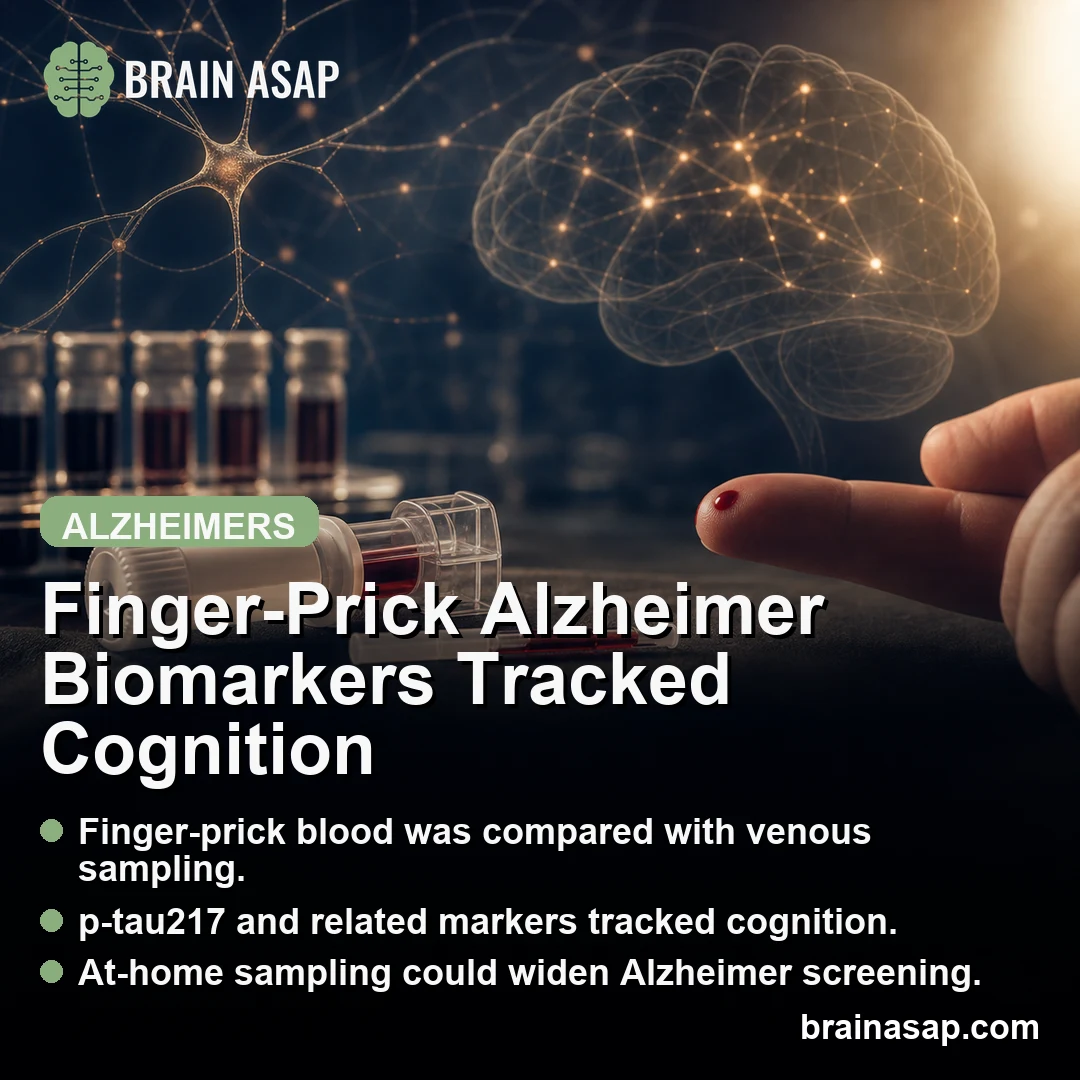
TL;DR: A 2026 study in Nature Communications found that self-administered finger-prick blood tests for phosphorylated tau 217 (p-tau217), an Alzheimer’s tau marker, and glial fibrillary acidic protein (GFAP), an astrocyte-injury marker, correlated with cogniti…
Read article ↗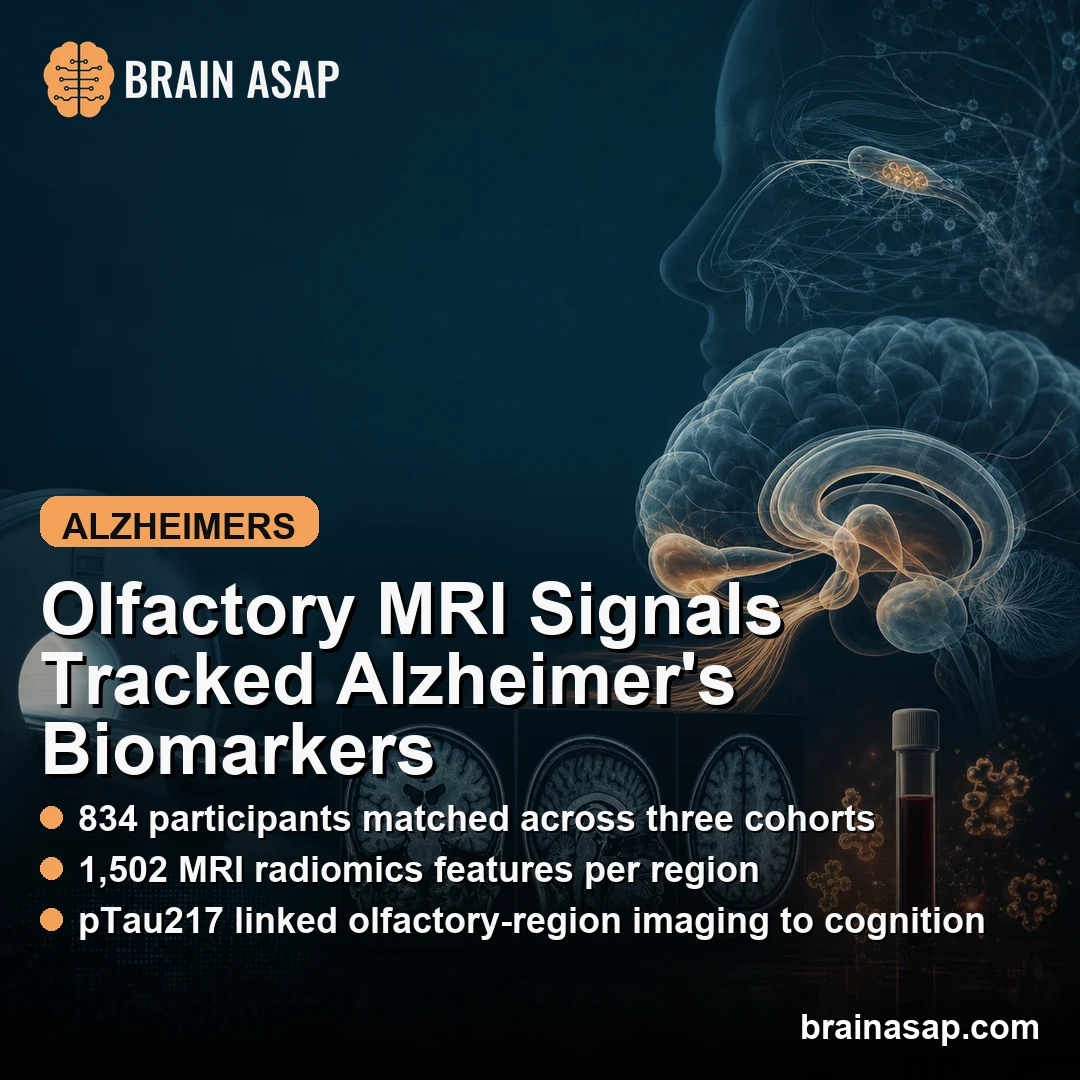
TL;DR: A 2026 article-in-press study in Alzheimer’s Research & Therapy found that olfactory-region MRI radiomics, a method that turns brain scans into quantitative texture and shape features, linked blood pTau217, a tau-related Alzheimer’s disease biomarker, w…
Read article ↗
TL;DR: A 2026 medRxiv preprint found that plasma p-tau217 AI models still separated amyloid-positive from amyloid-negative people across ADNI and A4, but calibration drift made the same probabilities less dependable for clinical decisions. Key Findings Calibra…
Read article ↗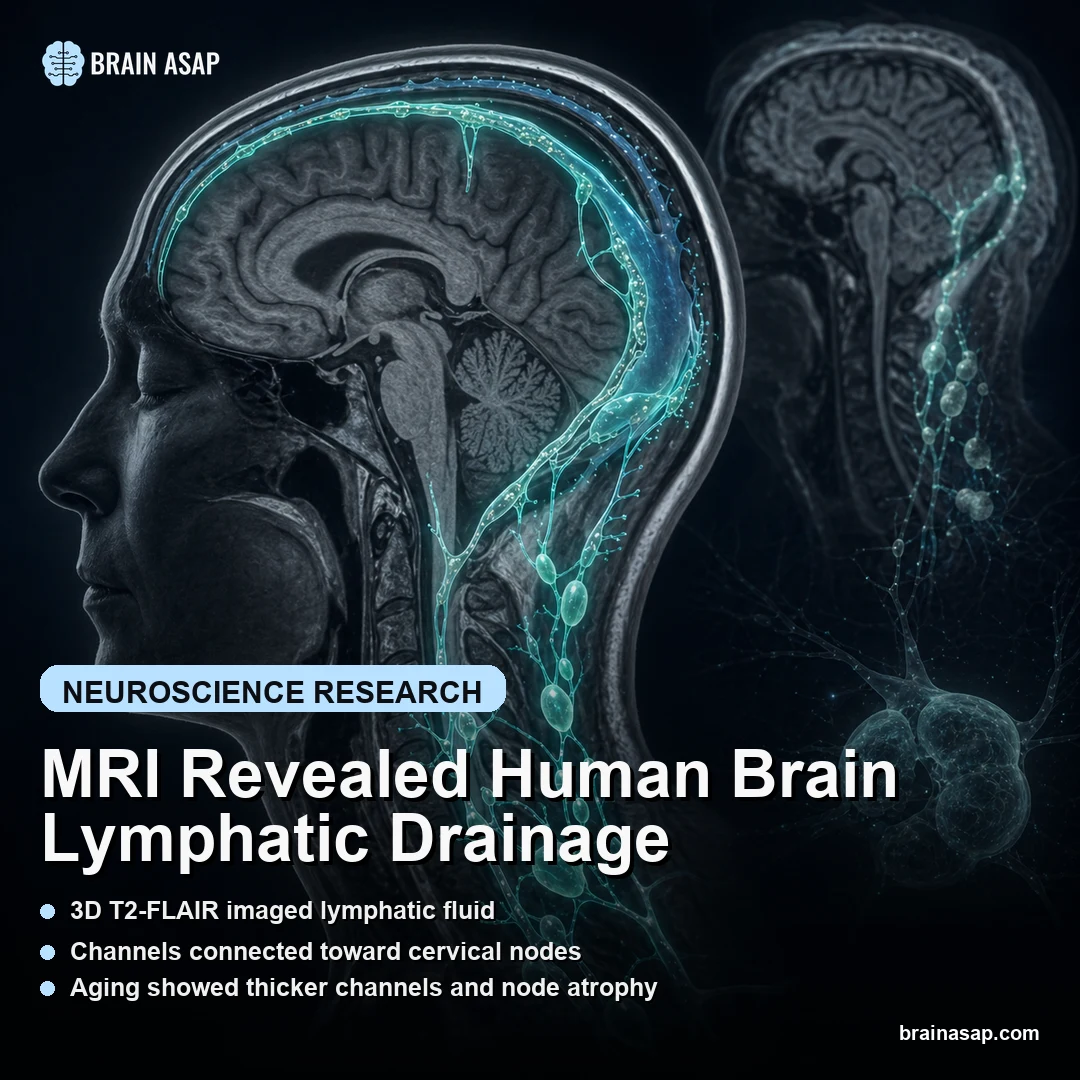
TL;DR: A 2022 study in Nature Communications used non-contrast 3D T2-FLAIR MRI, a scan that suppresses ordinary cerebrospinal-fluid brightness, to map possible brain-border drainage routes toward cervical lymph nodes, but FLAIR brightness alone does not prove…
Read article ↗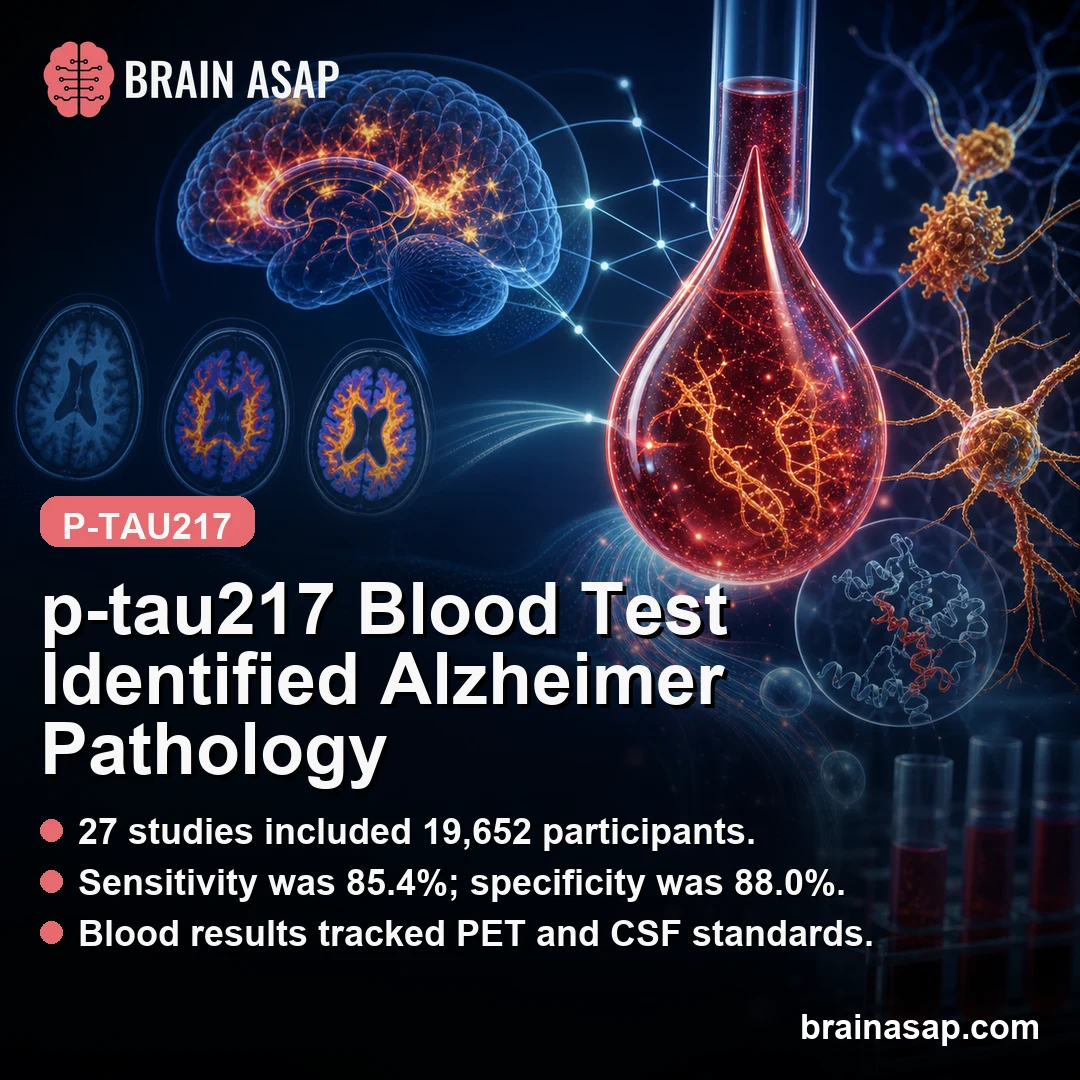
TL;DR: A 2026 systematic review and meta-analysis in Molecular Neurobiology found that plasma phosphorylated tau 217 (p-tau217), a blood marker of Alzheimer-linked tau pathology, identified biomarker-defined Alzheimer’s disease with pooled sensitivity of 85.4%…
Read article ↗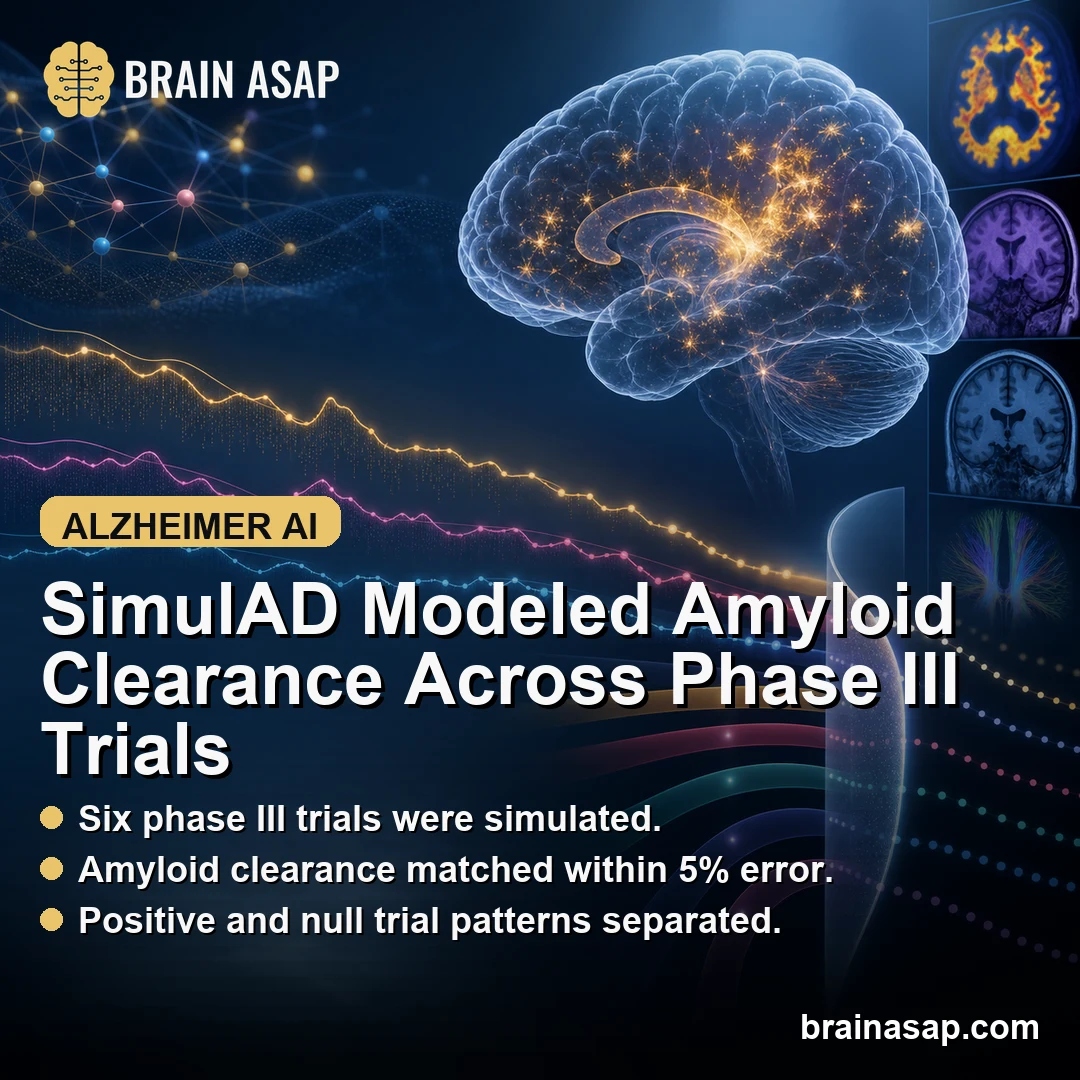
TL;DR: A 2026 medRxiv preprint tested SimulAD, an Alzheimer’s disease progression simulator, and reported that it reproduced mean amyloid-clearance results within 5% error across six major phase III anti-amyloid trials while also separating positive trials fro…
Read article ↗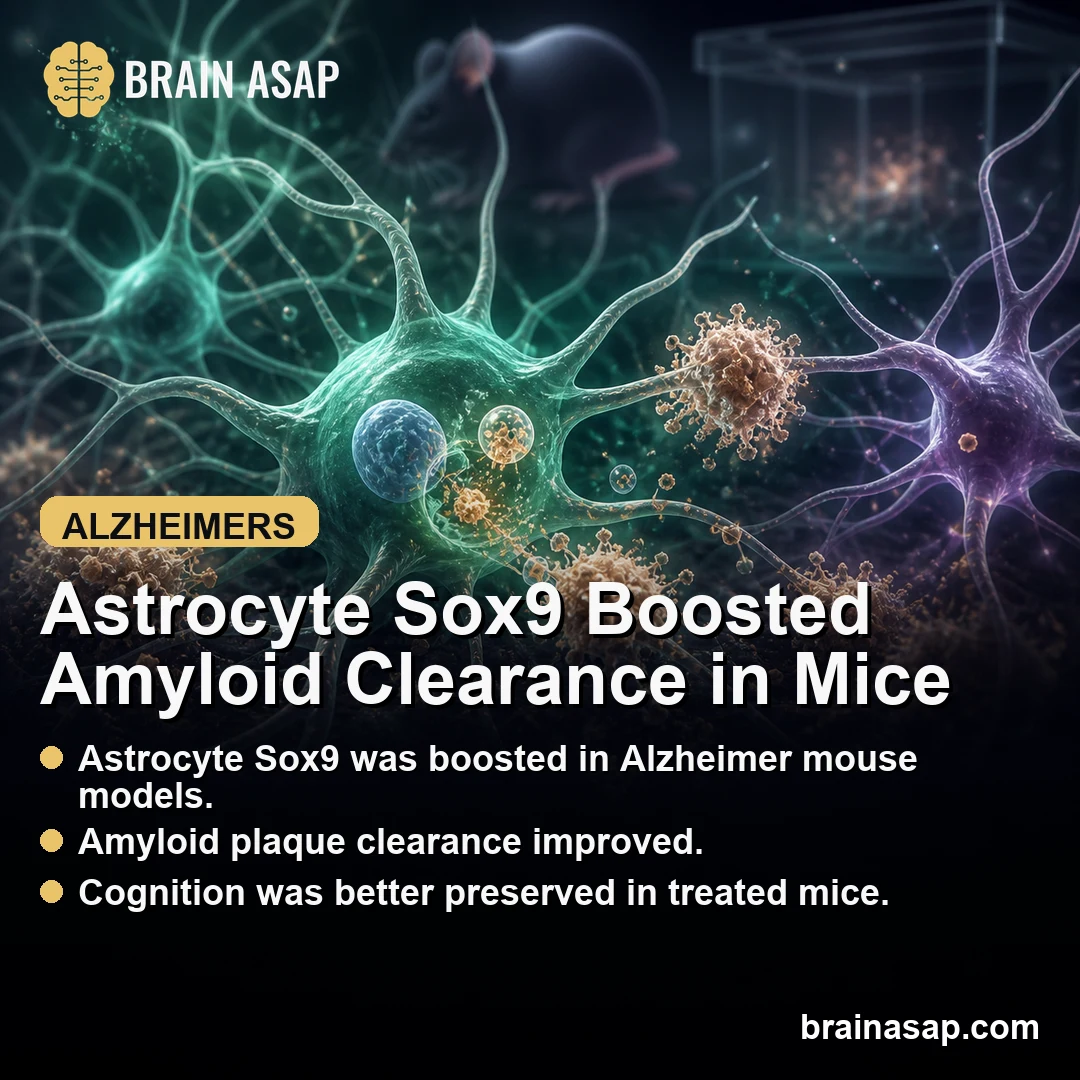
TL;DR: A 2026 study in Nature Neuroscience from Baylor College of Medicine showed that boosting Sox9, a transcription factor that regulates aging astrocytes, improved astrocytes’ ability to clear amyloid plaques in Alzheimer’s mouse models and preserved cognit…
Read article ↗