TL;DR: A 2026 preprint on medRxiv found that blood tau markers and neurofilament light tracked different parts of amyotrophic lateral sclerosis (ALS), with tau markers linked more to current lower-motor-neuron and muscle-injury features while neurofilament lig…
Read article ↗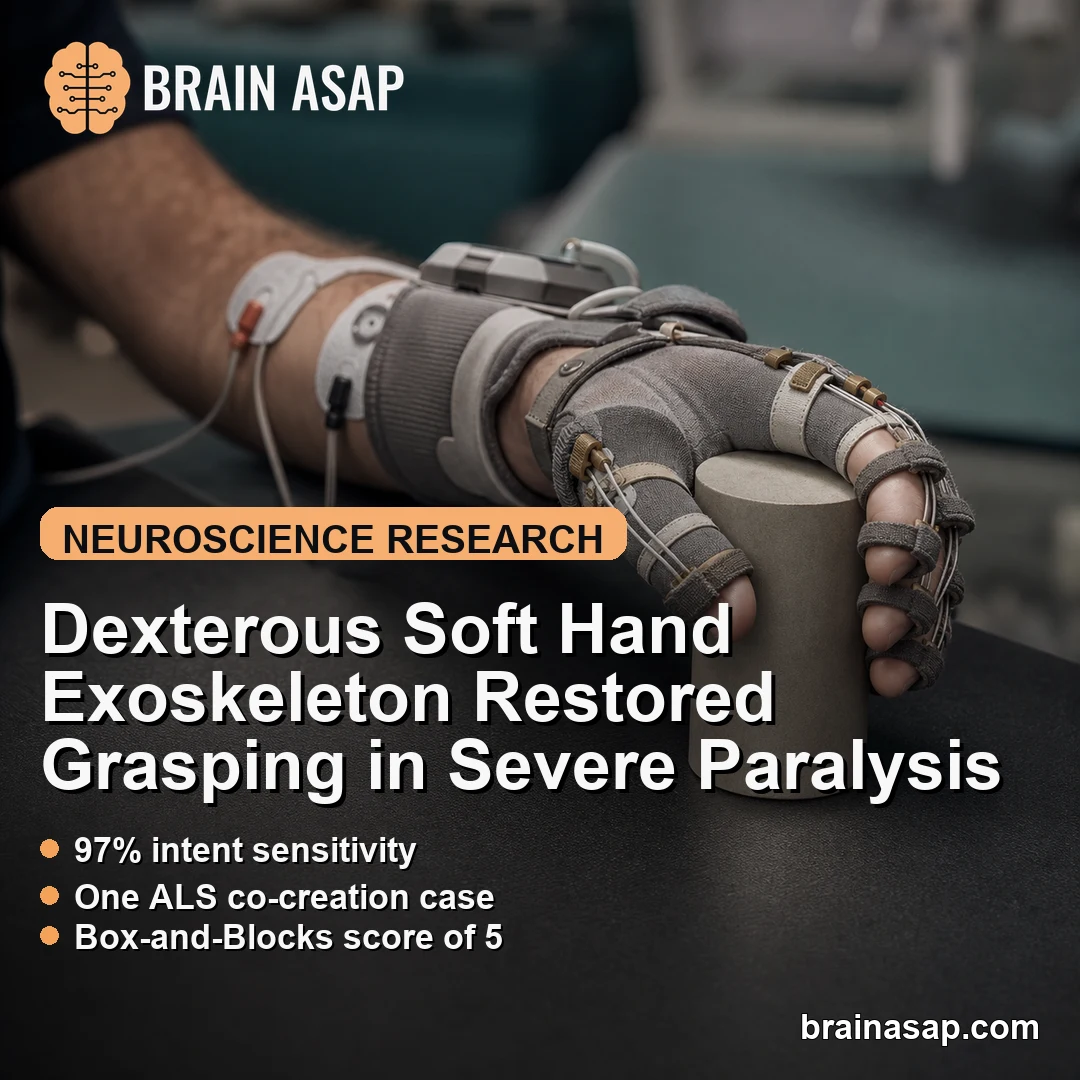
TL;DR: A 2026 study in Nature Machine Intelligence reported that a textile soft hand exoskeleton with thumb control and surface electromyography (sEMG) intent detection restored practical grasping in one person with severe ALS-related hand paralysis and helped…
Read article ↗
TL;DR: A 2026 medRxiv preprint reanalyzed long-term survivors from the AB10015 ALS trial and reported that masitinib-treated patients had higher 5-year survival than historical benchmarks, but the analysis was post hoc, sponsor-supported, and lacked long-term…
Read article ↗
TL;DR: A 2026 BJPsych Open study found clinically significant anxiety in about 18% of non-demented ALS patients for state anxiety and 14% for trait anxiety, with anxiety scores driven mainly by cognitive-affective depression symptoms rather than motor severity…
Read article ↗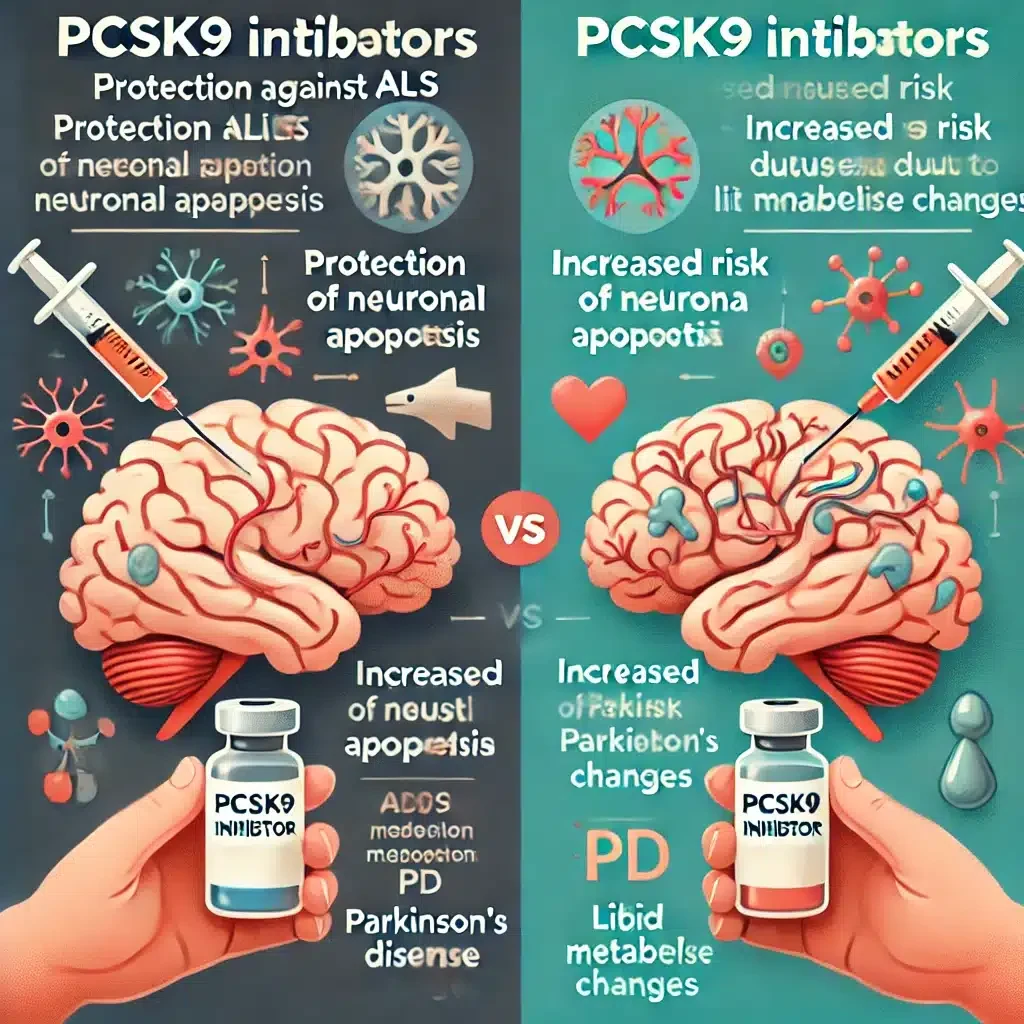
PCSK9 inhibitors significantly reduce the risk of amyotrophic lateral sclerosis (ALS) but increase the risk of Parkinson’s disease (PD). Highlights: ALS Risk Reduction: PCSK9 inhibitors marginally reduced the risk of ALS with an odds ratio of 0.89 (p = 0.048).…
Read article ↗