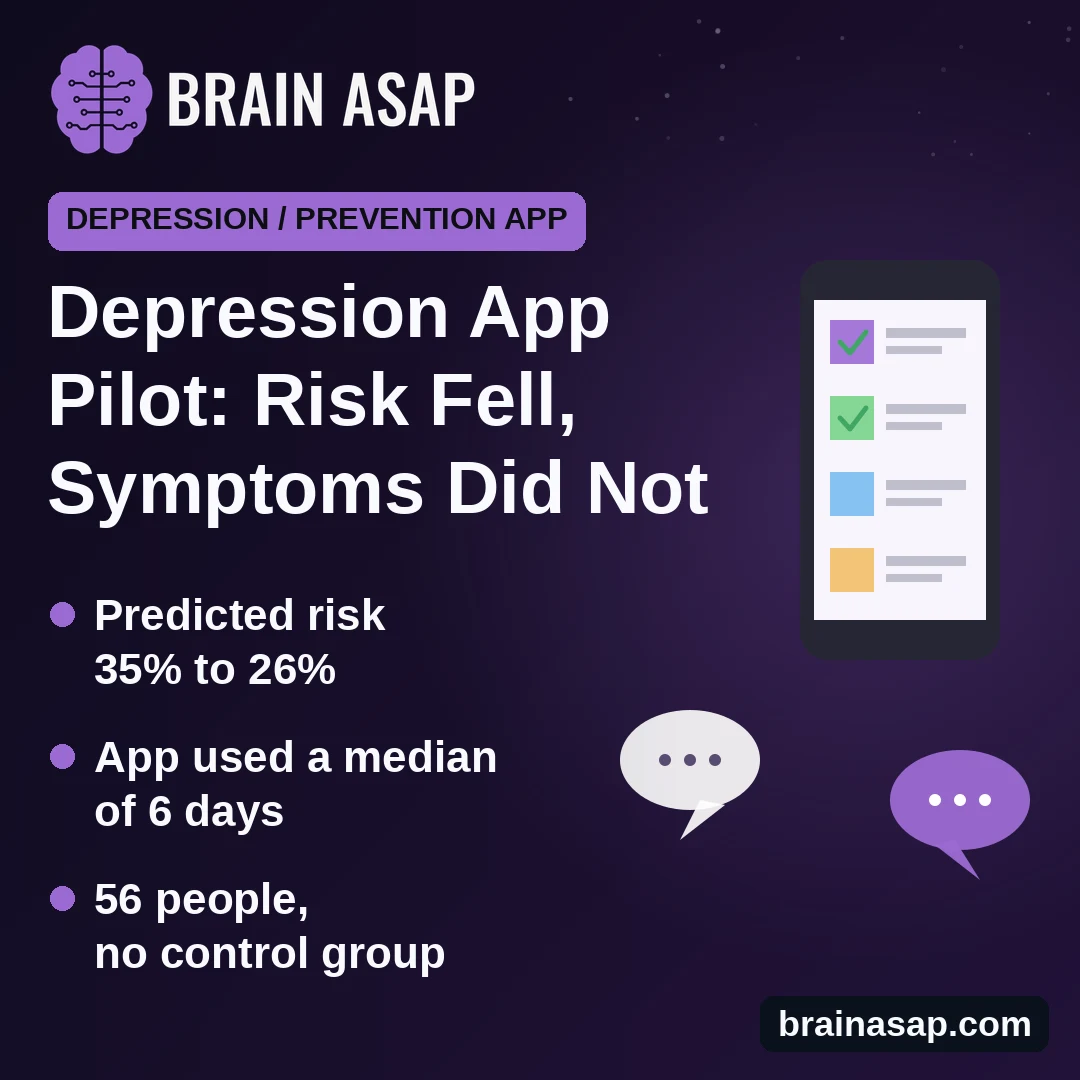
TL;DR: In a small Spanish pilot, adults at high risk of depression got a personalized prevention plan from their family doctor plus an app. After 3 months their predicted depression risk and anxiety scores fell, but depression symptoms did not, most people bar…
Read article ↗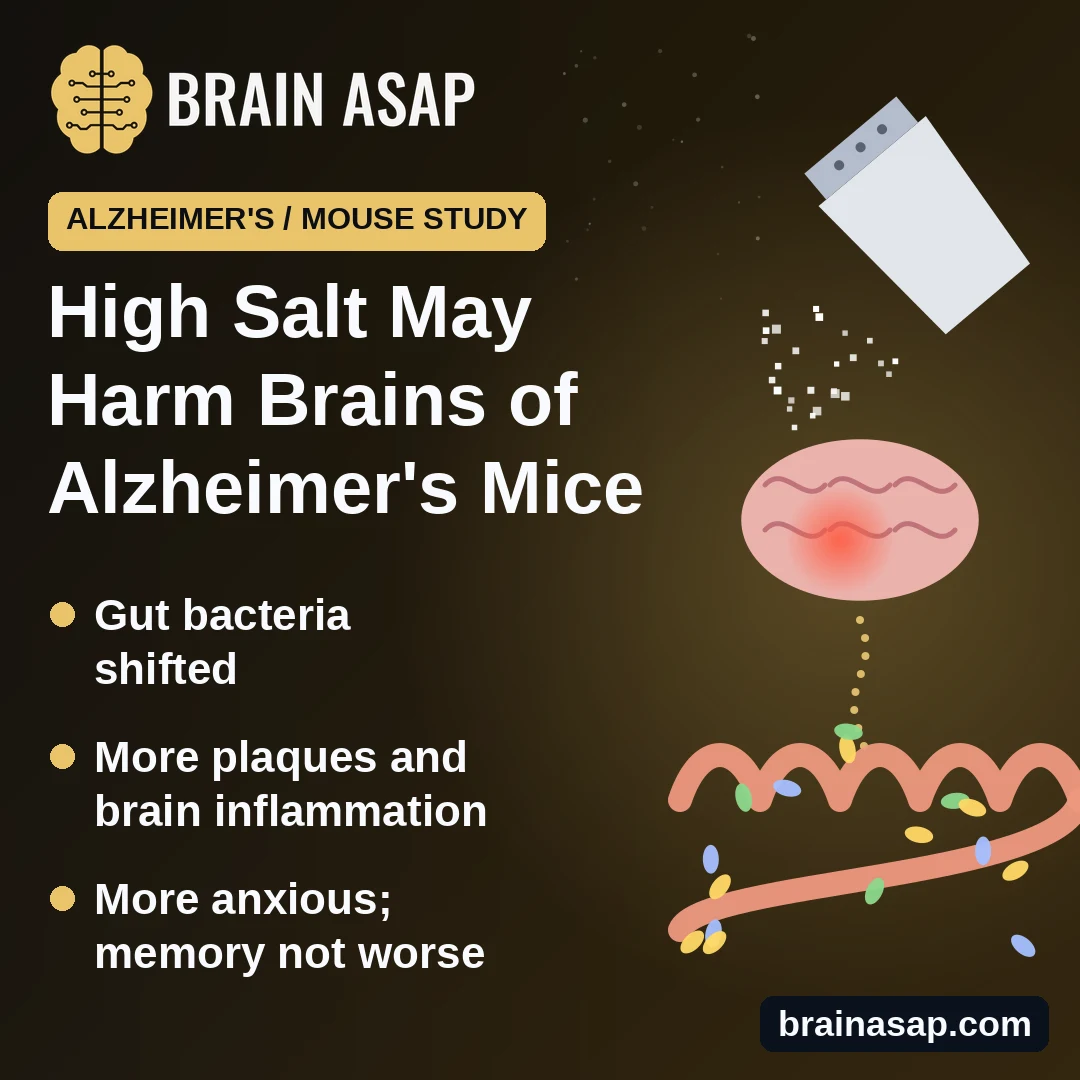
TL;DR: Alzheimer’s-model mice fed very salty chow for 6 months had altered gut bacteria, more brain inflammation and plaques, and more anxious behavior than mice on normal chow. It’s a mouse study, and the gut-to-brain link was not proven. Key Findings 8% vs 0…
Read article ↗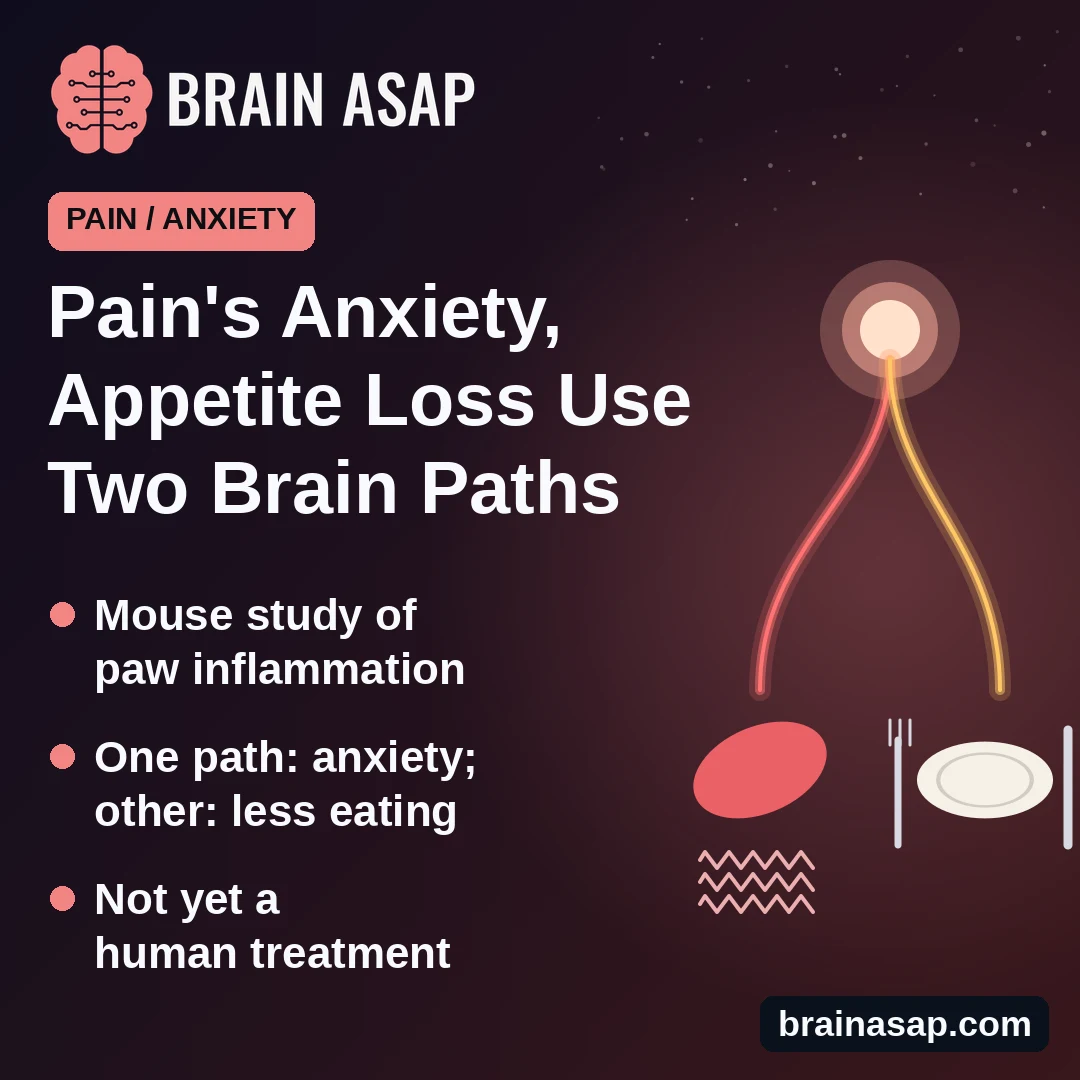
TL;DR: In mice with a painful, inflamed paw, two separate sets of neurons in a pain-and-emotion brain area seemed to drive different side effects. One set, wired to the amygdala, controlled anxiety-like behavior, while the other, wired to a reward hub, control…
Read article ↗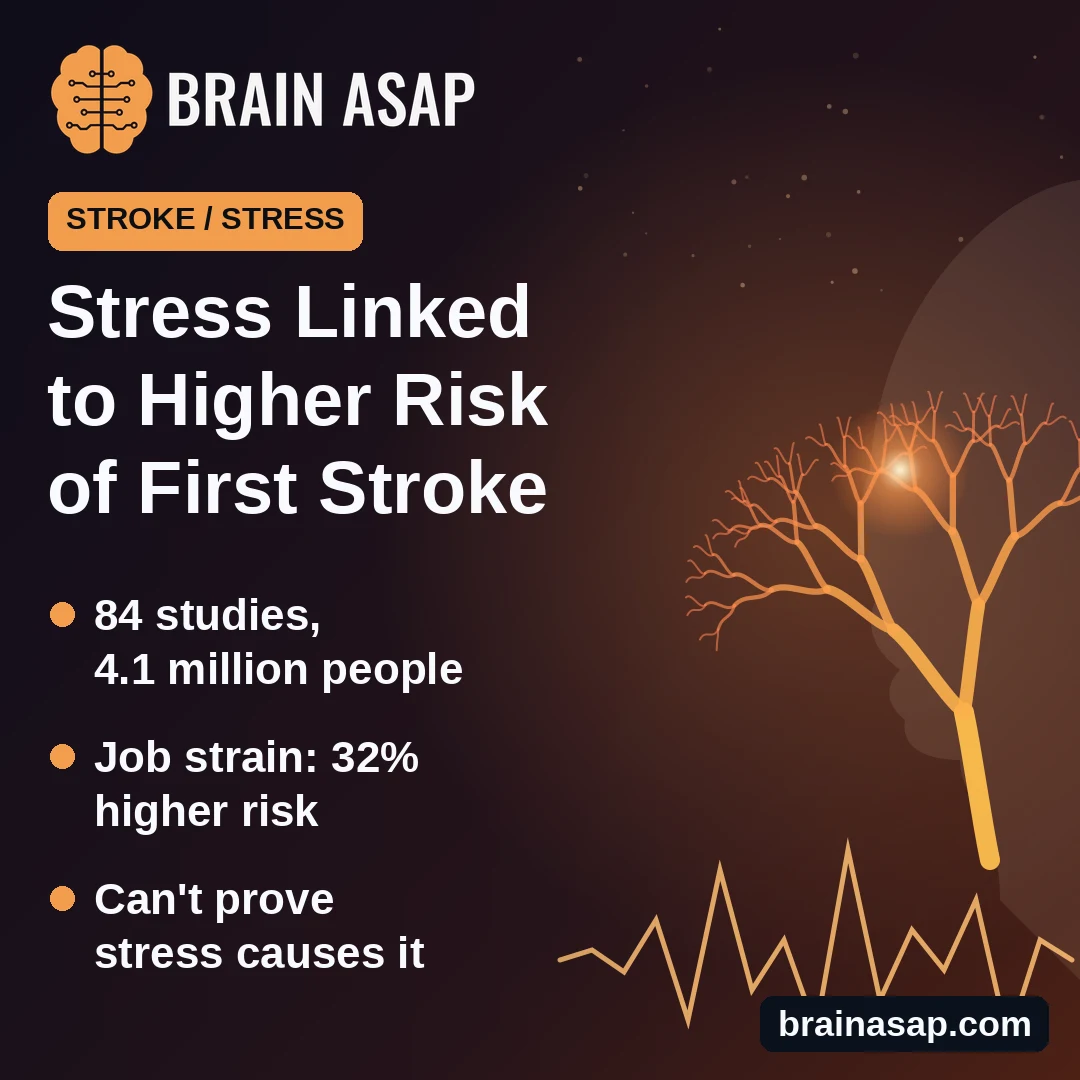
TL;DR: In a review of 84 studies covering 4.1 million people, those with psychological distress or job strain had roughly 30% higher risk of a first stroke. The studies were observational, so they cannot show that stress itself causes strokes. Key Findings 84…
Read article ↗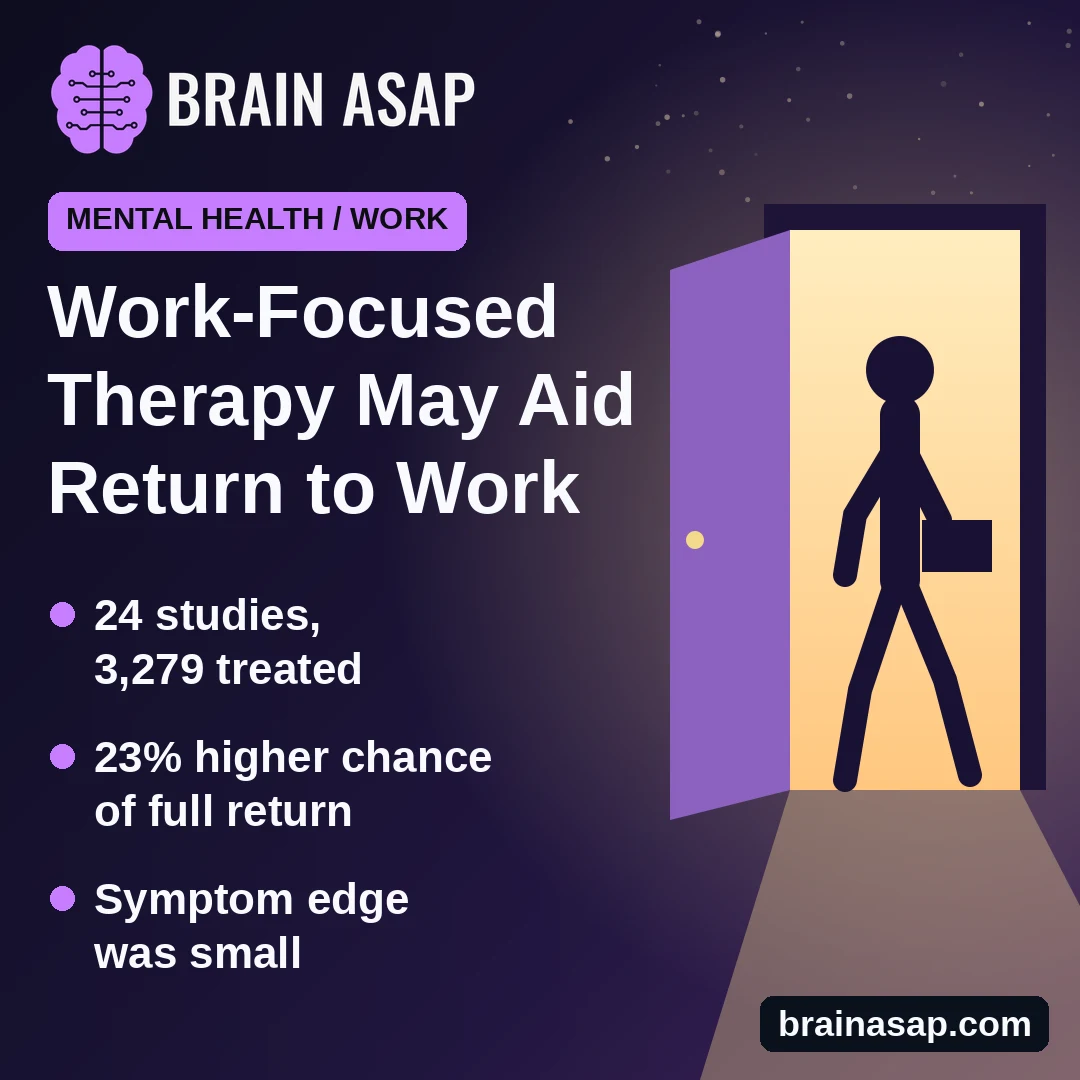
TL;DR: Across 24 studies of adults with depression, anxiety or stress, talk therapy built around getting back to work was linked to a modestly higher chance of fully returning. Its edge over other care for symptoms was small and faded by later follow-up. Key F…
Read article ↗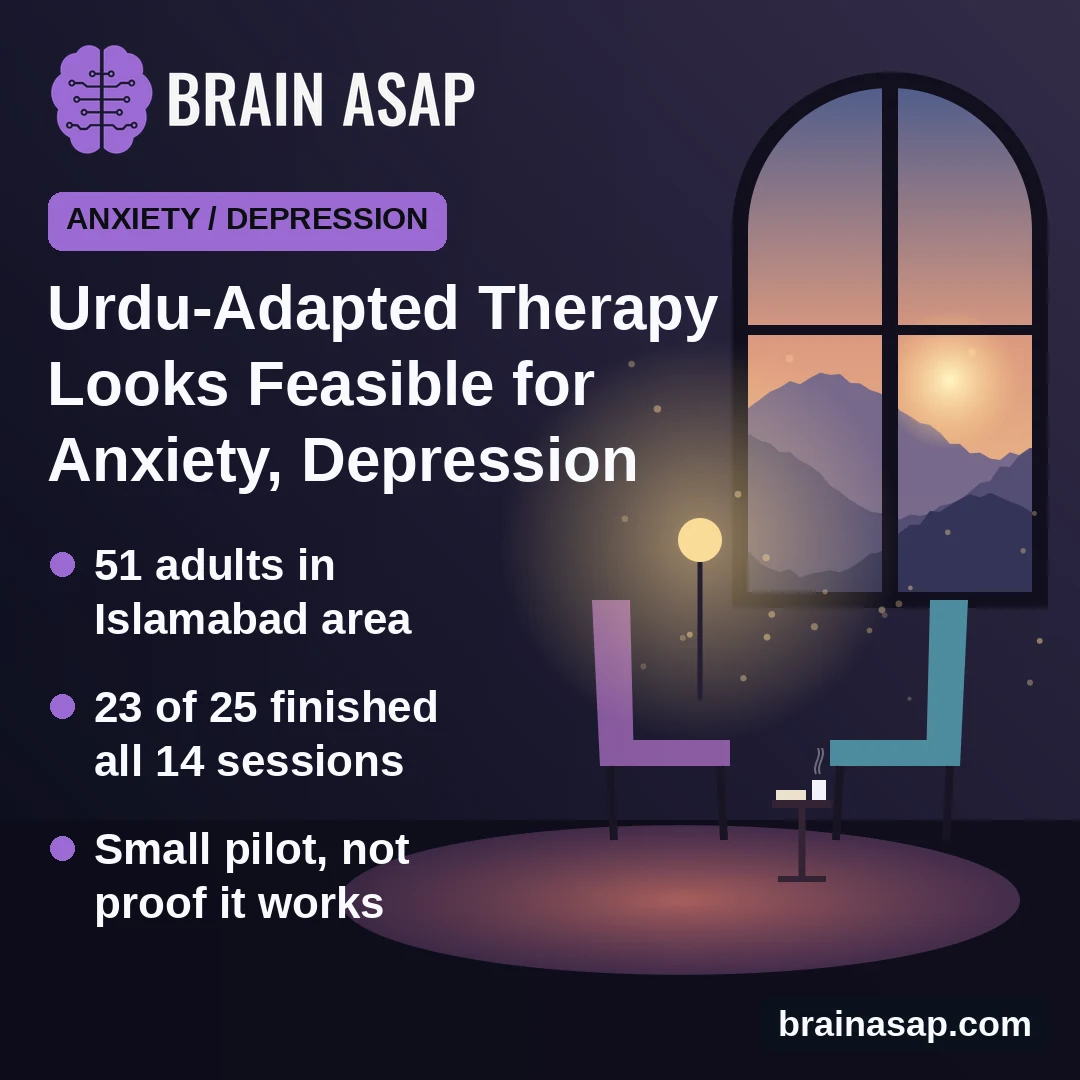
TL;DR: In a small Pakistan pilot, 23 of 25 adults given an Urdu version of a talk therapy for anxiety and depression finished all 14 weeks. The trial was too small to show the therapy works. Key Findings Signed up and stayed: 51 adults were randomly assigned t…
Read article ↗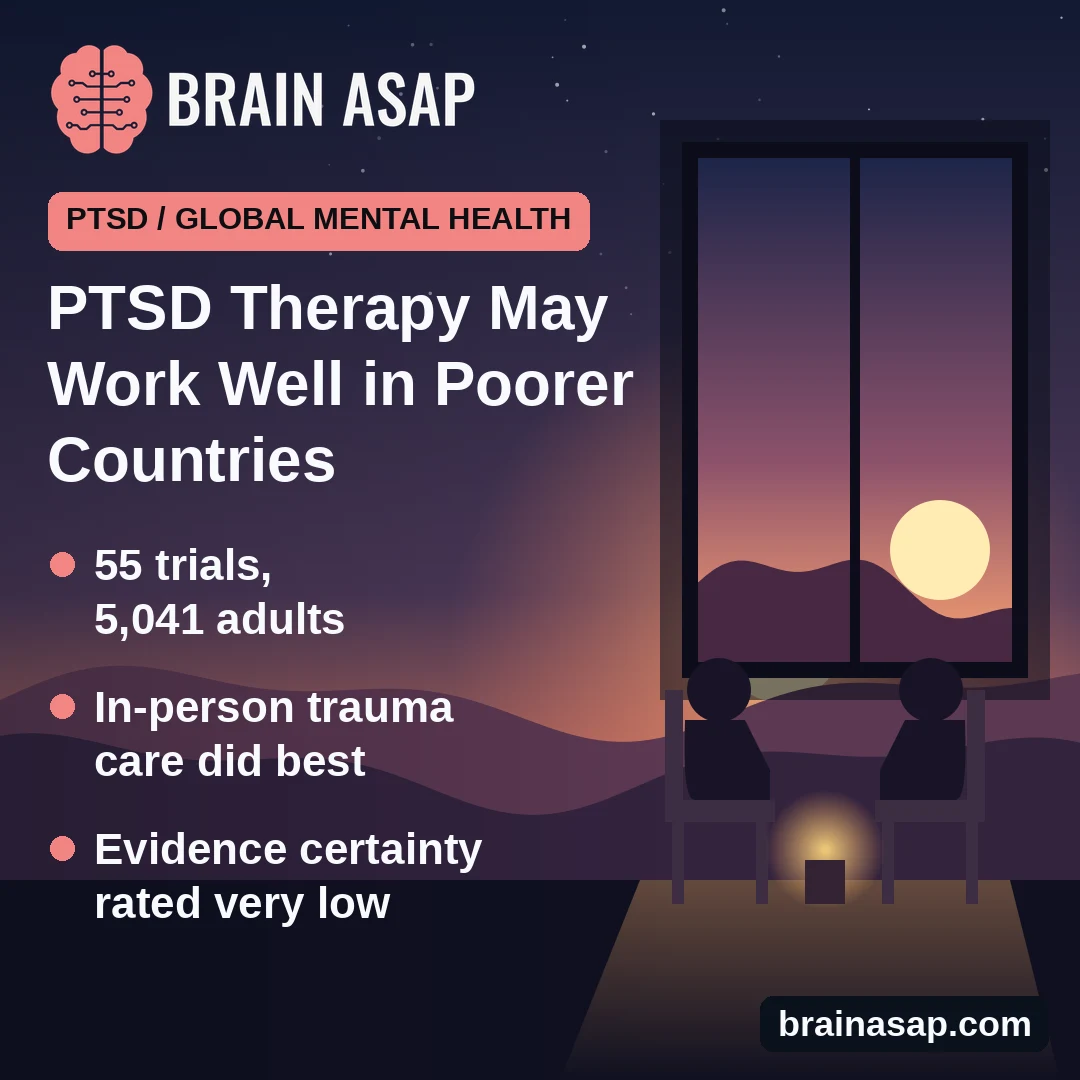
TL;DR: Across 55 trials in low- and middle-income countries (5,041 adults), people who got therapy had much lower PTSD symptoms than people on a wait-list or other comparison. The evidence was very low certainty because many trials were weakly run. Key Finding…
Read article ↗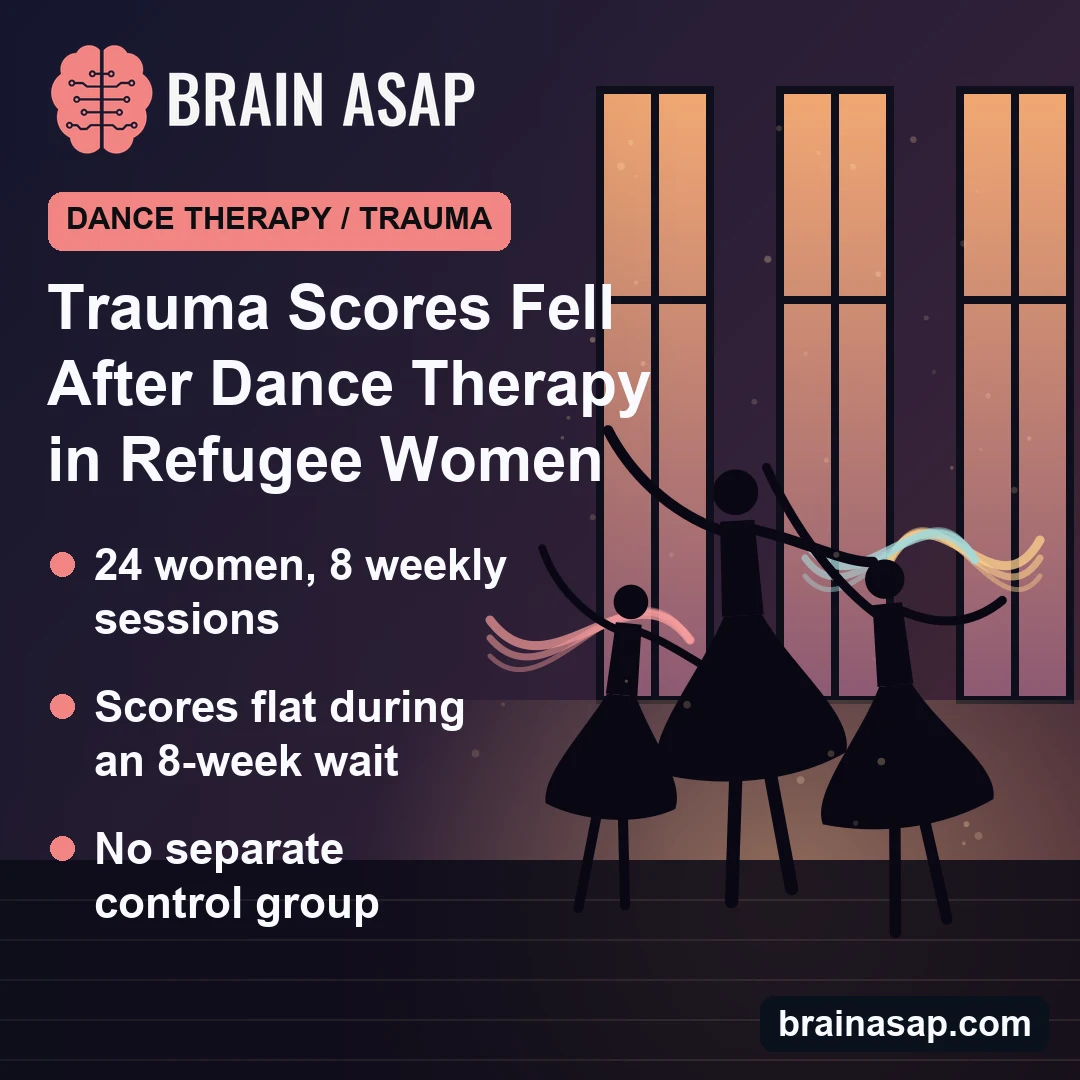
TL;DR: In a small German study of 24 refugee women with trauma symptoms, scores on three symptom questionnaires stayed flat during an 8-week wait, then dropped after 8 weekly dance movement therapy sessions. The group’s average PTSD checklist score slipped jus…
Read article ↗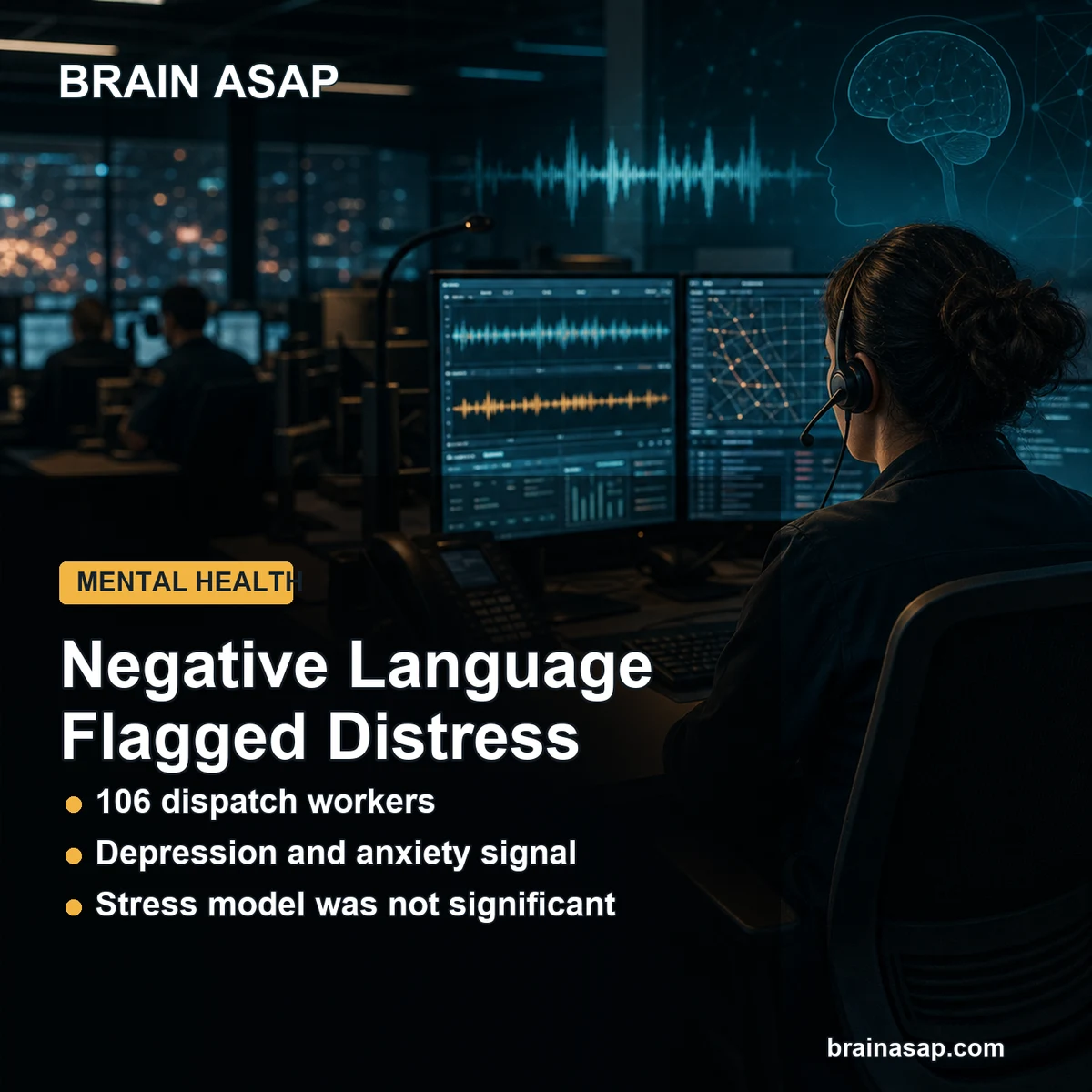
TL;DR: A 2026 study in PLOS One found that emergency call takers and dispatchers who used more negatively valenced words when describing a stressful work event reported higher depression and anxiety symptoms, while arousal-related language did not predict dist…
Read article ↗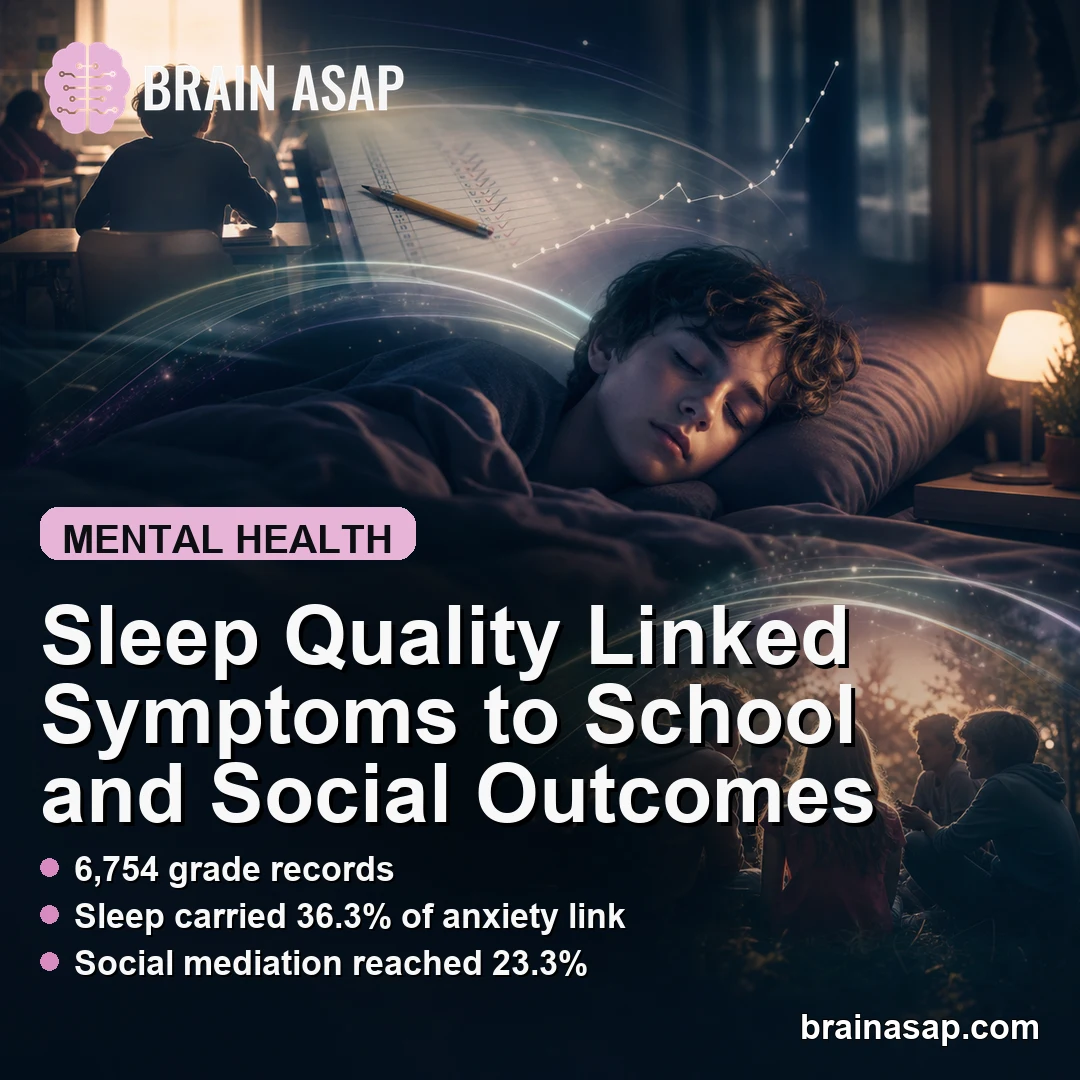
TL;DR: A 2026 study in Psychological Medicine found that sleep quality partly explained how early adolescent depression, anxiety, and psychotic-like experience distress were linked to later school grades and social problems in the Adolescent Brain Cognitive De…
Read article ↗