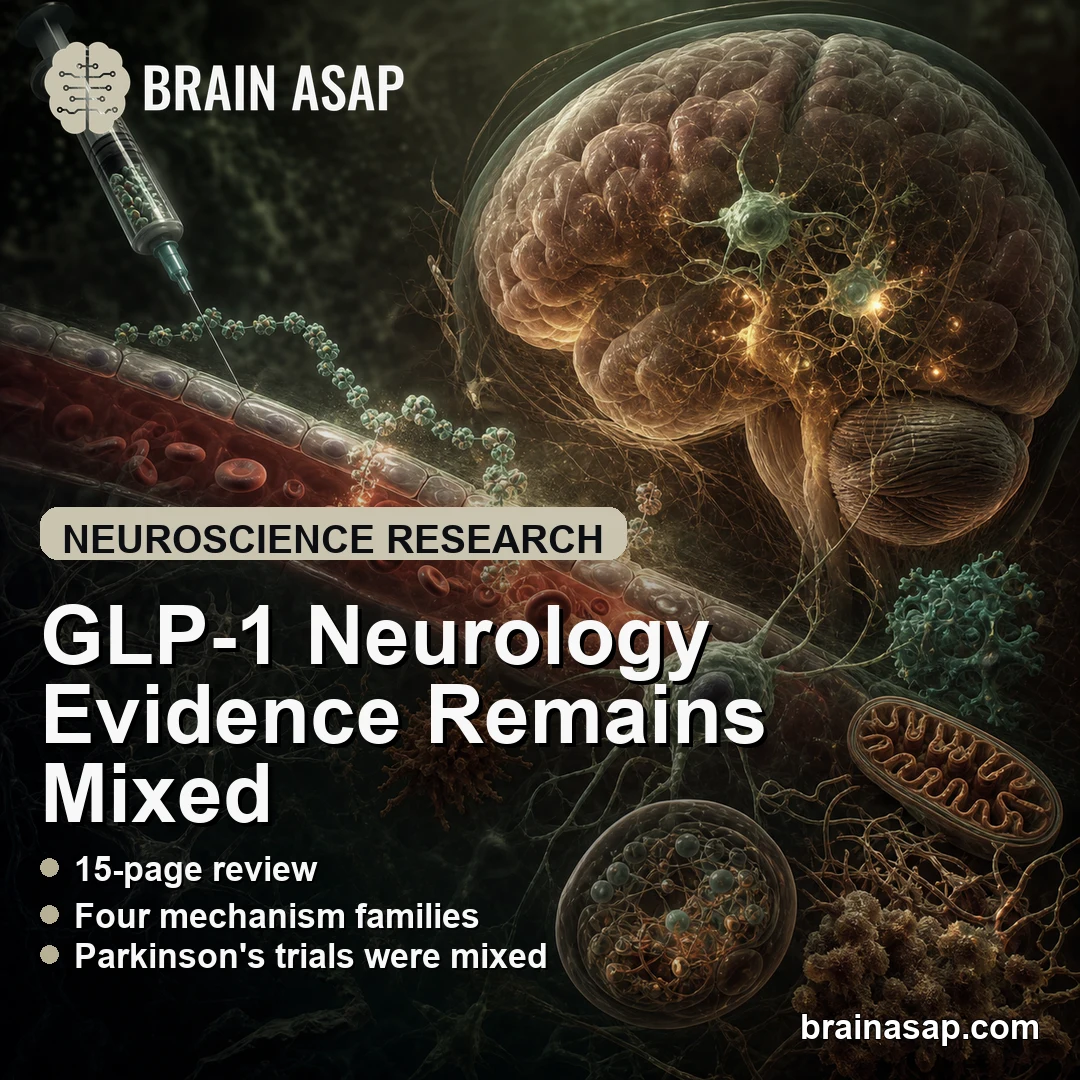
TL;DR: A 2026 review in Drug Design, Development and Therapy argued that glucagon-like peptide-1 (GLP-1) receptor agonists, drugs that mimic a metabolic hormone involved in glucose control, have credible brain-protection mechanisms, but clinical evidence for n…
Read article ↗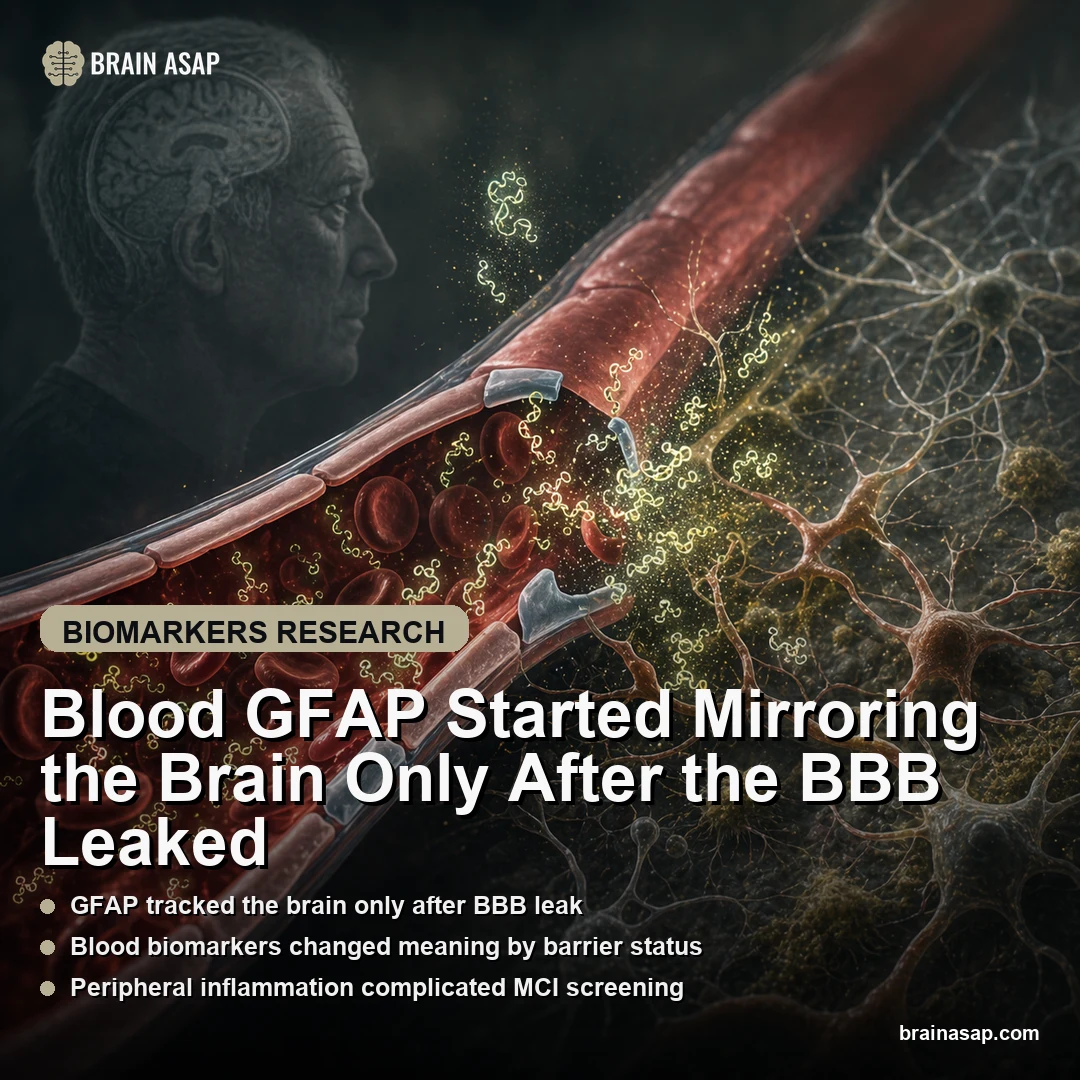
Blood GFAP Started Mirroring the Brain Only After the BBB Leaked TL;DR: Blood biomarkers mostly failed to mirror the brain while the blood-brain barrier stayed intact; once the barrier leaked, glial fibrillary acidic protein (GFAP), an astrocyte injury protein…
Read article ↗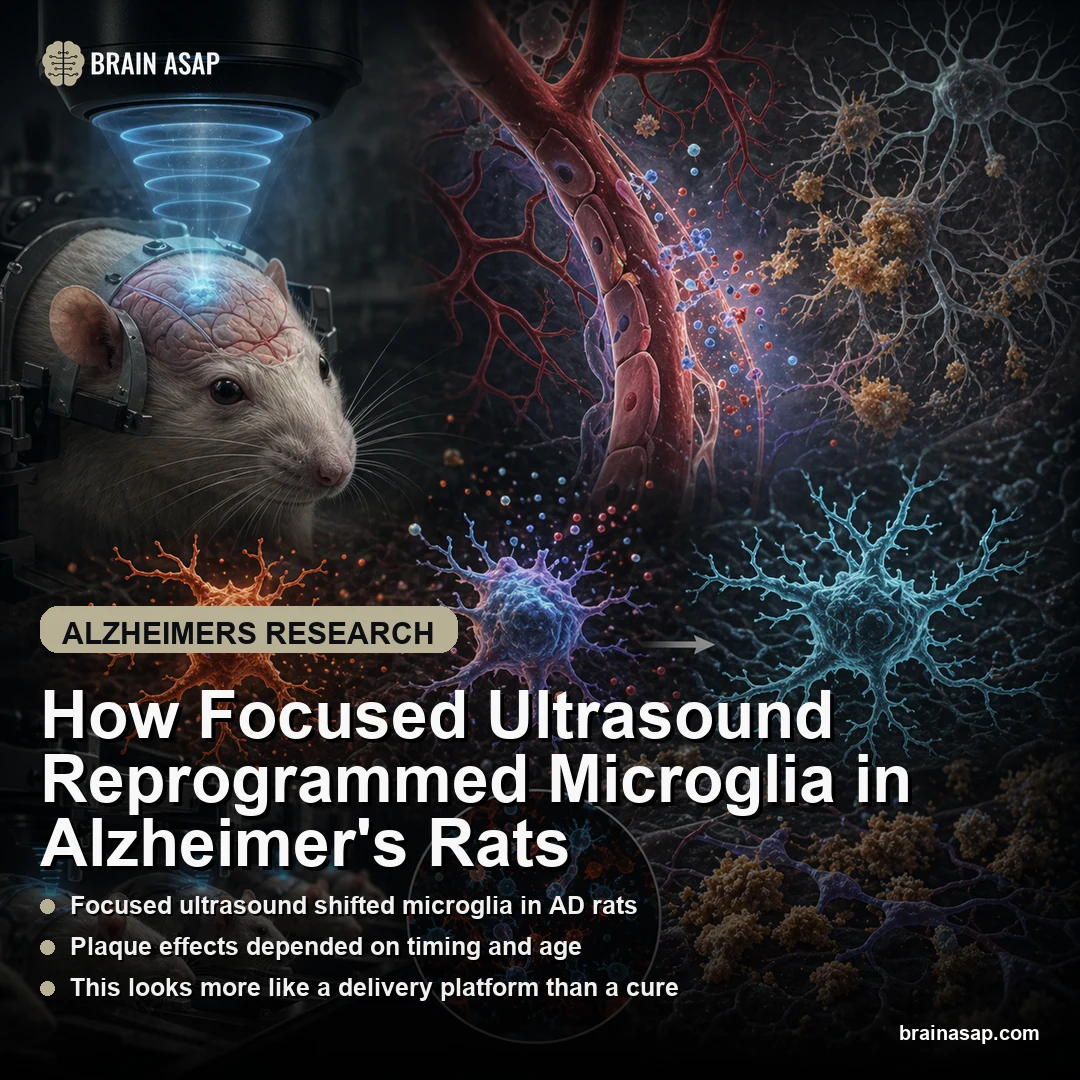
How Focused Ultrasound Reprogrammed Microglia in Alzheimer’s Rats TL;DR: In TgF344-AD rats, repeated low-intensity focused ultrasound triggered a short-lived inflammatory response, then left behind a more durable microglial metabolic shift in early disease wit…
Read article ↗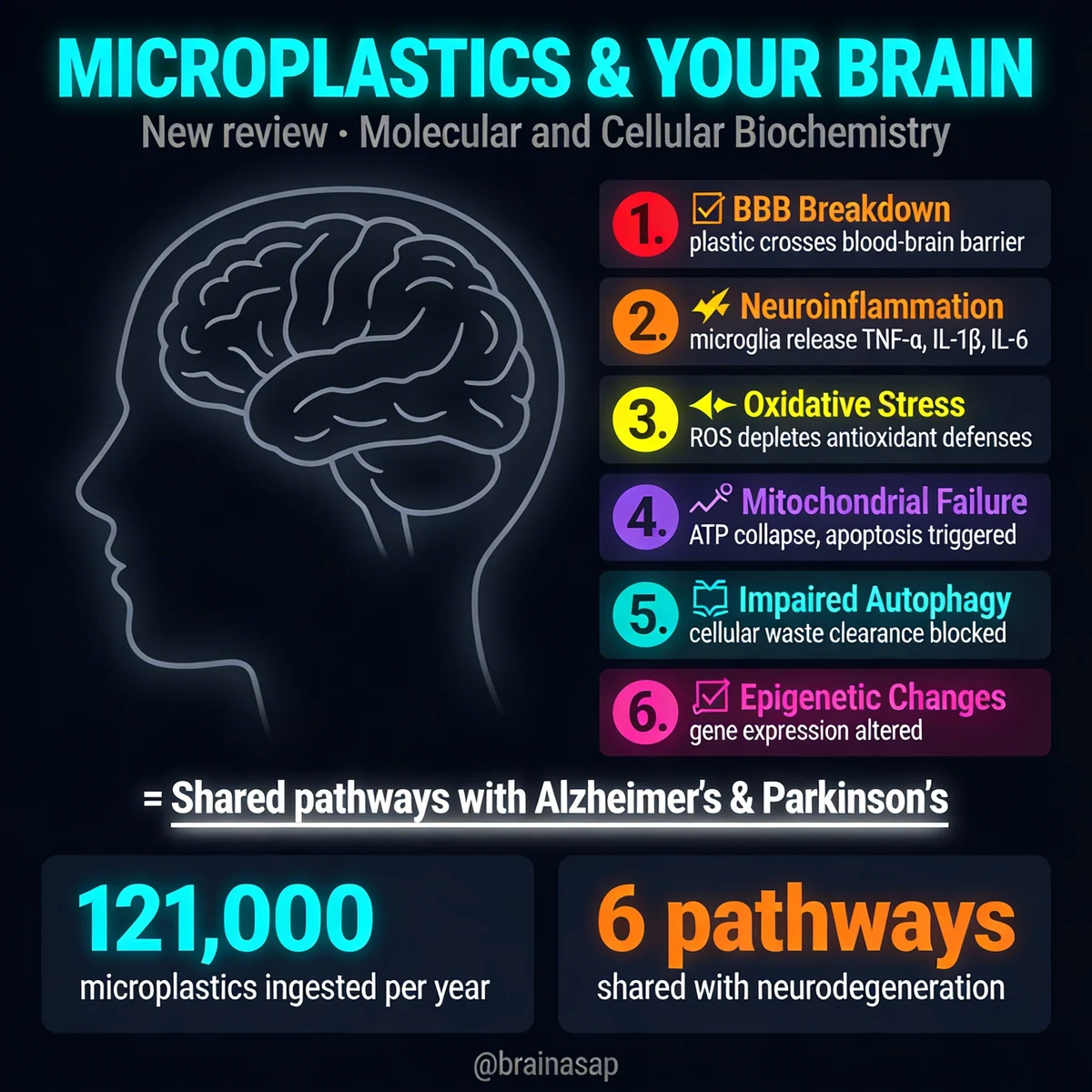
Microplastics and Brain Damage: The Hidden Link TL;DR: Microplastics circulating in your blood may accelerate Alzheimer’s and Parkinson’s disease through six shared pathways—including blood-brain barrier breakdown, chronic inflammation, and oxidative stress. Y…
Read article ↗
TLDR: Quercetin-based alginate nanogels loaded with brain-derived neurotrophic factor (BDNF) can effectively cross the blood-brain barrier via intranasal delivery, providing a promising treatment for depressive disorders. Highlights: Nanogels: Quercetin nanoge…
Read article ↗
New research demonstrates that repeated focused ultrasound treatments can have antidepressant-like effects in rats. The non-invasive technique was able to improve performance on a common test of depressive behaviors. While not a silver bullet solution, focused…
Read article ↗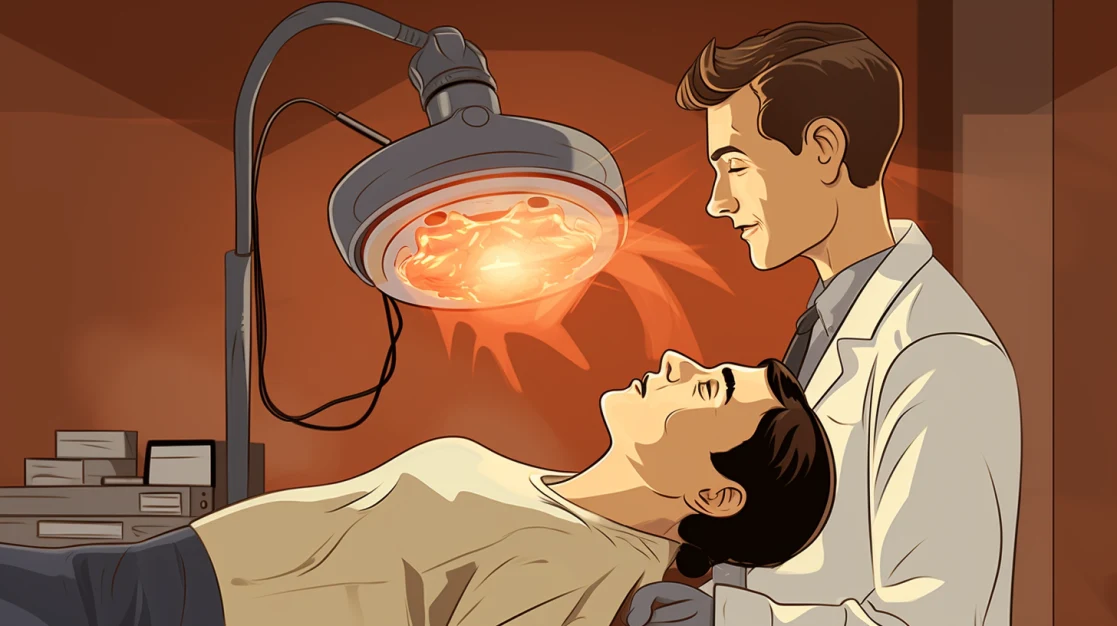
Focused ultrasound (FUS) is an exciting noninvasive brain treatment technology that is revolutionizing how we approach neurological and psychiatric diseases. This incisionless technique uses precisely targeted sound waves to therapeutically stimulate or ablate…
Read article ↗
Plastic particles are rapidly accumulating in the environment and making their way into the food chain, raising concerns over potential impacts on human health. A new study provides alarming evidence that tiny plastic particles can cross into the brain shortly…
Read article ↗
The brain is protected by something called the blood-brain barrier that makes it hard for drugs to reach the brain from the bloodstream. But new research shows that delivering drugs through the nose could be an effective way to bypass the blood-brain barrier a…
Read article ↗