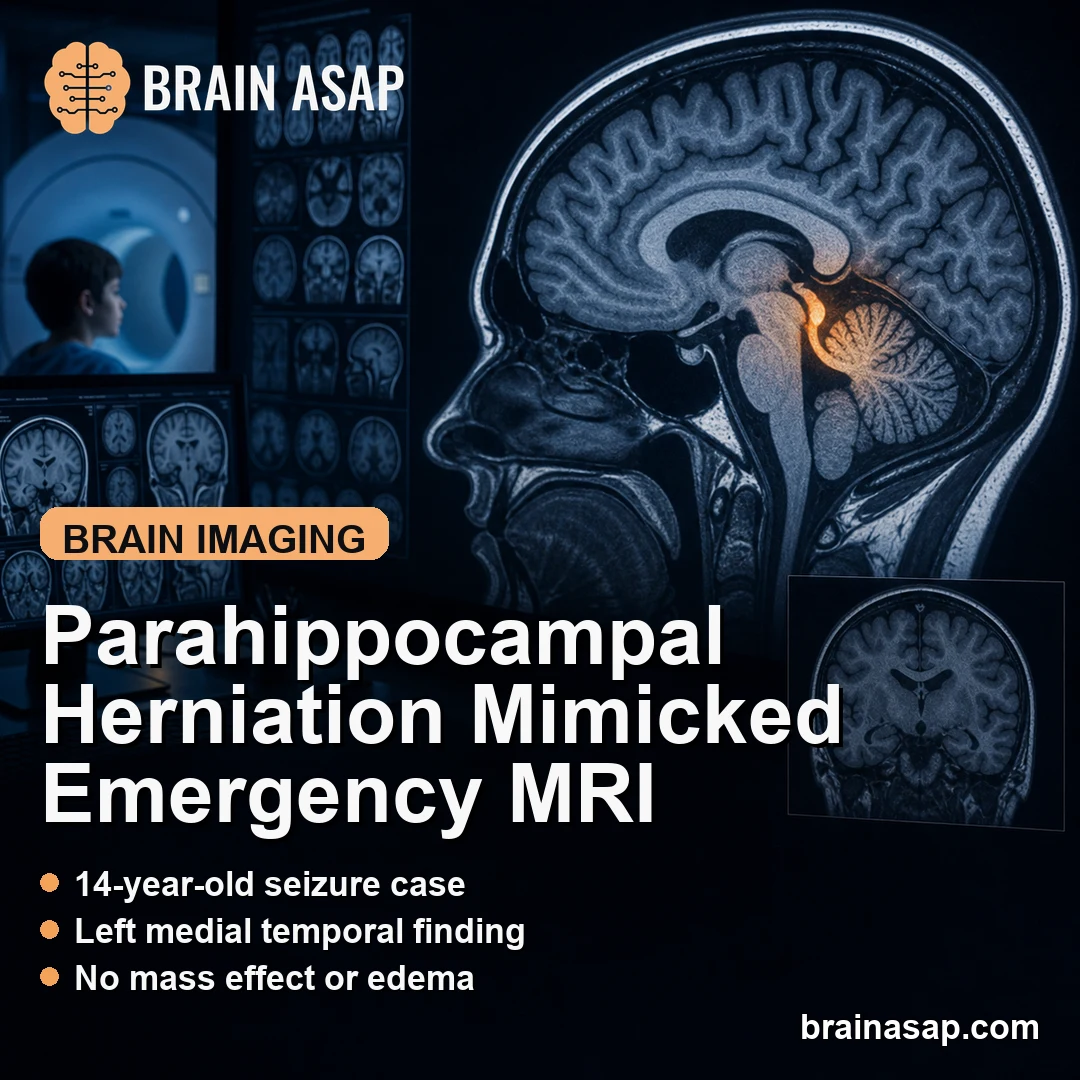
TL;DR: A 2026 study in Radiology Case Reports described a 14-year-old boy whose seizure workup found a rare congenital left parahippocampal herniation on MRI, with imaging features that favored a benign developmental variant rather than tumor or acute brain he…
Read article ↗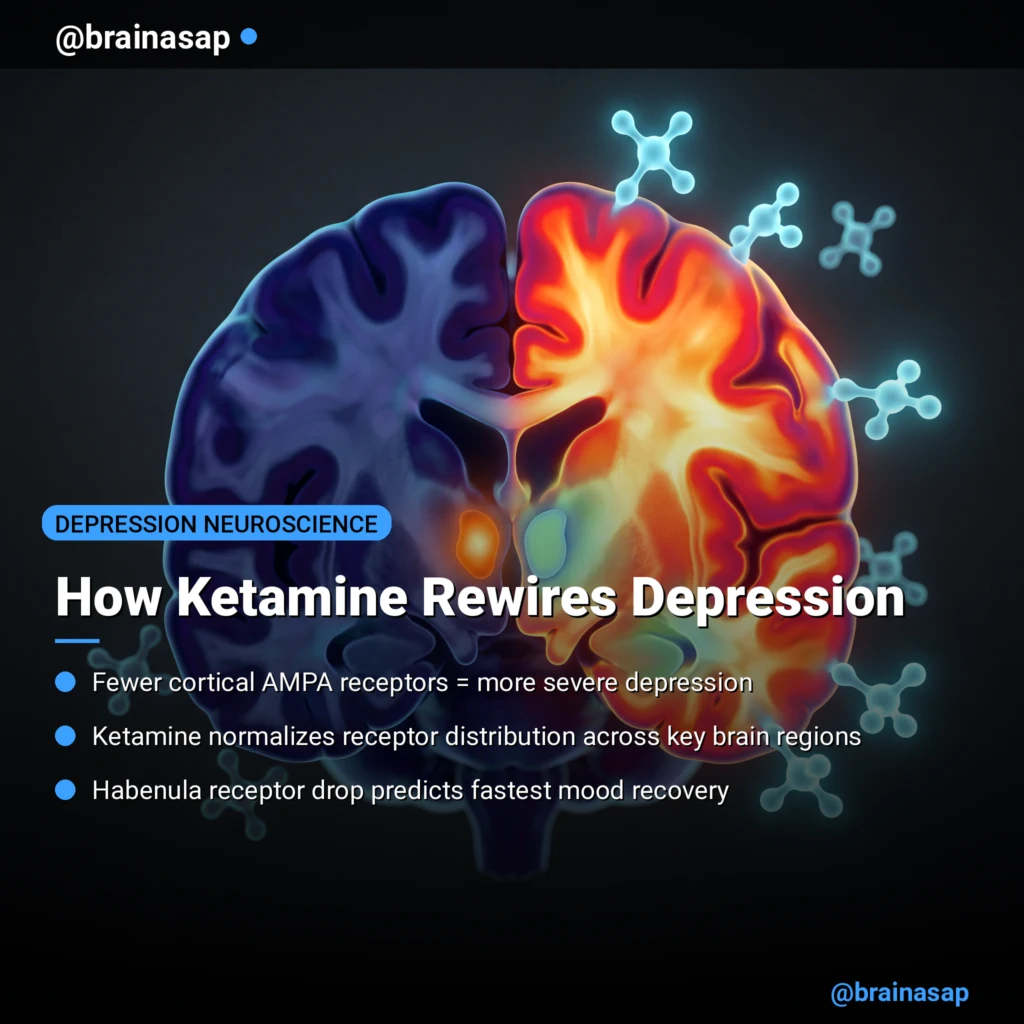
How Ketamine Rewires Receptors to Beat Depression TL;DR: Using PET imaging to directly visualize AMPA receptors in the living human brain, researchers discovered that ketamine’s rapid antidepressant effect works by reshuffling these receptors across specific b…
Read article ↗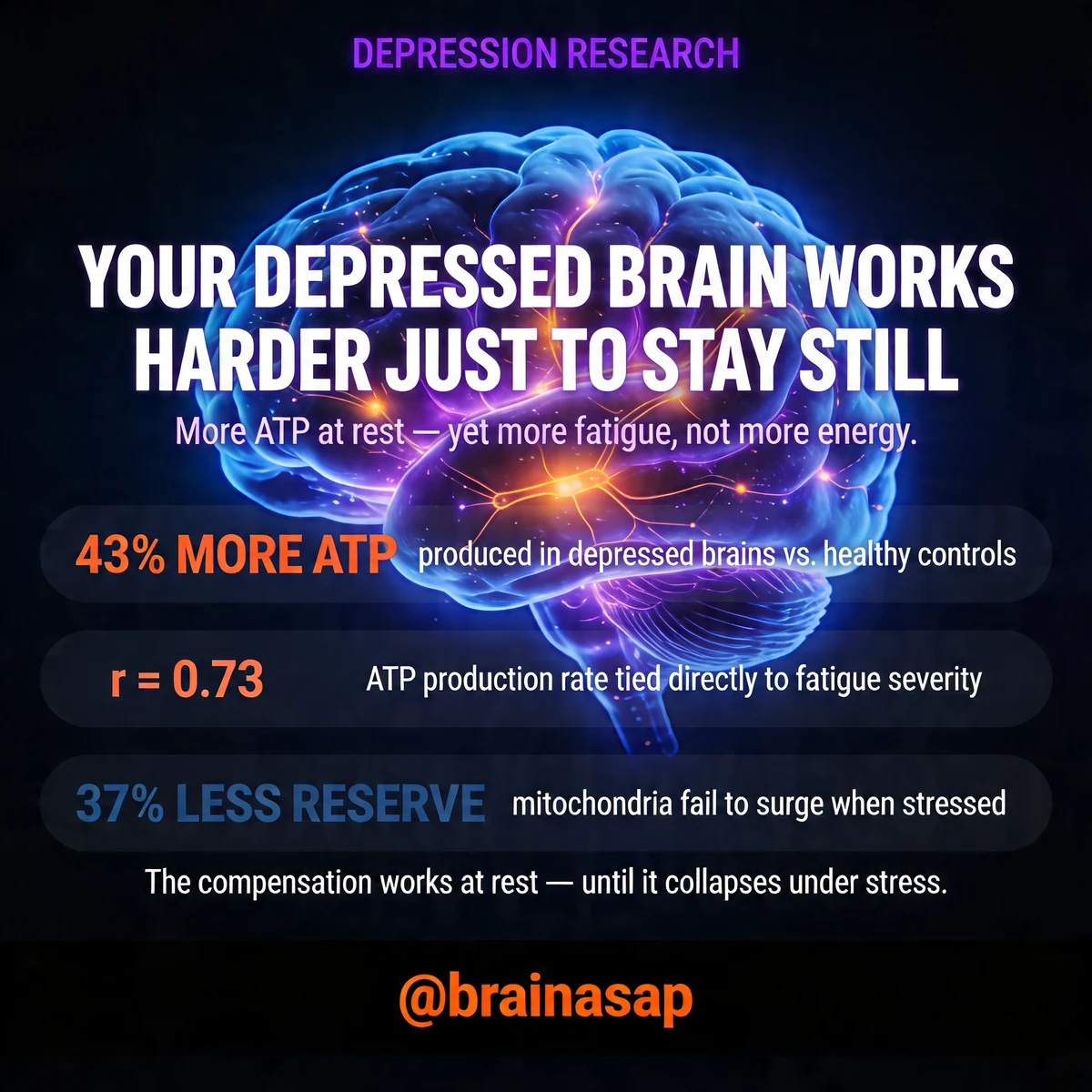
The Energy Paradox: Why Depressed Brains Burn Faster TL;DR: Young adults with depression produce ATP—the cell’s energy currency—at faster rates in both brain and blood, yet still feel more fatigued. New research reveals this is a compensatory mechanism that wo…
Read article ↗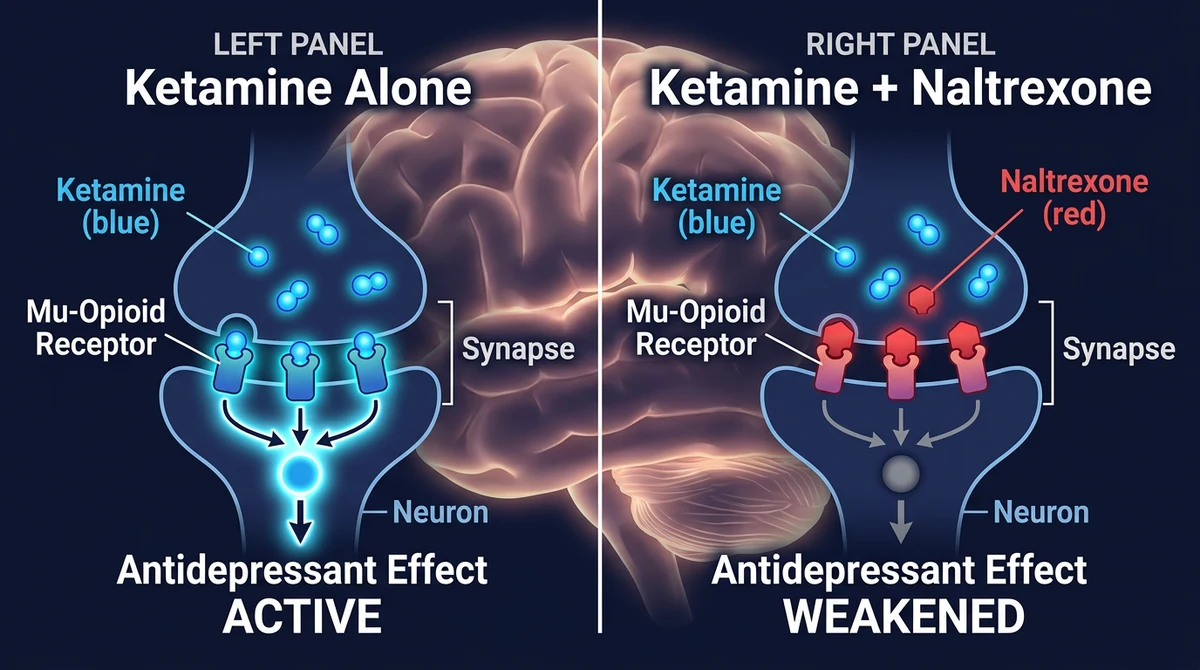
Opioid System Activation is Required for Ketamine’s Antidepressant Effects Ketamine is fast—a single subanesthetic infusion reduces severe depression symptoms within hours, not weeks. But the mechanism remains incompletely understood. For nearly two decades, r…
Read article ↗
Bipolar disorder, formerly known as manic depression, is a chronic mental illness characterized by dramatic shifts in mood and energy levels. It affects about 2-4% of the population worldwide. While we still don’t fully understand what causes bipolar disorder,…
Read article ↗
Attention-deficit/hyperactivity disorder (ADHD) is one of the most common neurodevelopmental disorders, affecting around 5% of children and 2.5% of adults worldwide. The core symptoms are inattention, hyperactivity, and impulsivity that interfere with normal f…
Read article ↗
Autism spectrum disorder (ASD) affects social interaction and communication. A new brain imaging study provides insights into how disruptions in the brain’s social networks may relate to core autism symptoms. The research identifies specific brain regions and…
Read article ↗