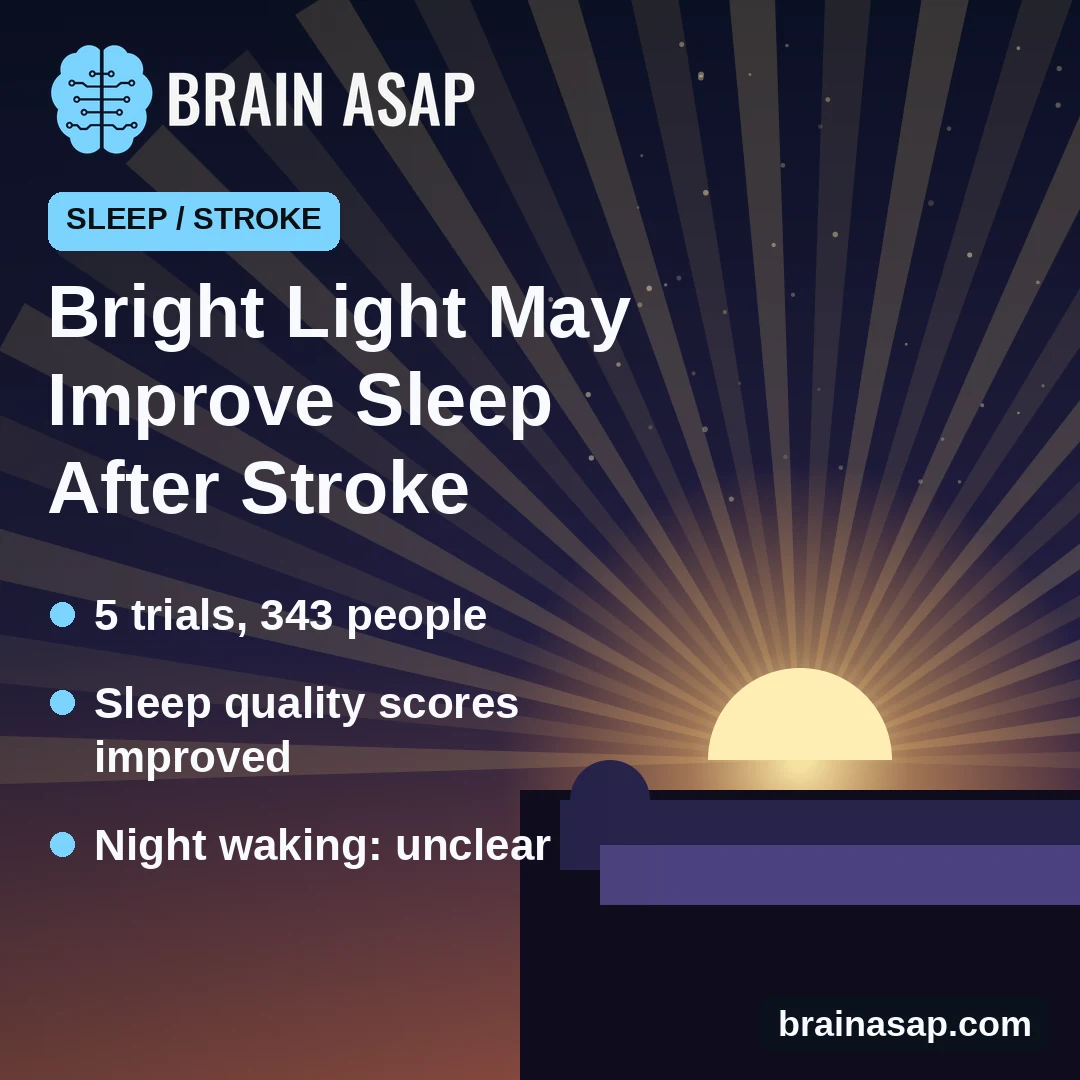
TL;DR: Across 5 small trials of 343 people after stroke, people who sat in bright morning light reported better sleep quality than comparison groups. But measured time awake at night showed no clear change, so the benefit may be more about how sleep feels. Key…
Read article ↗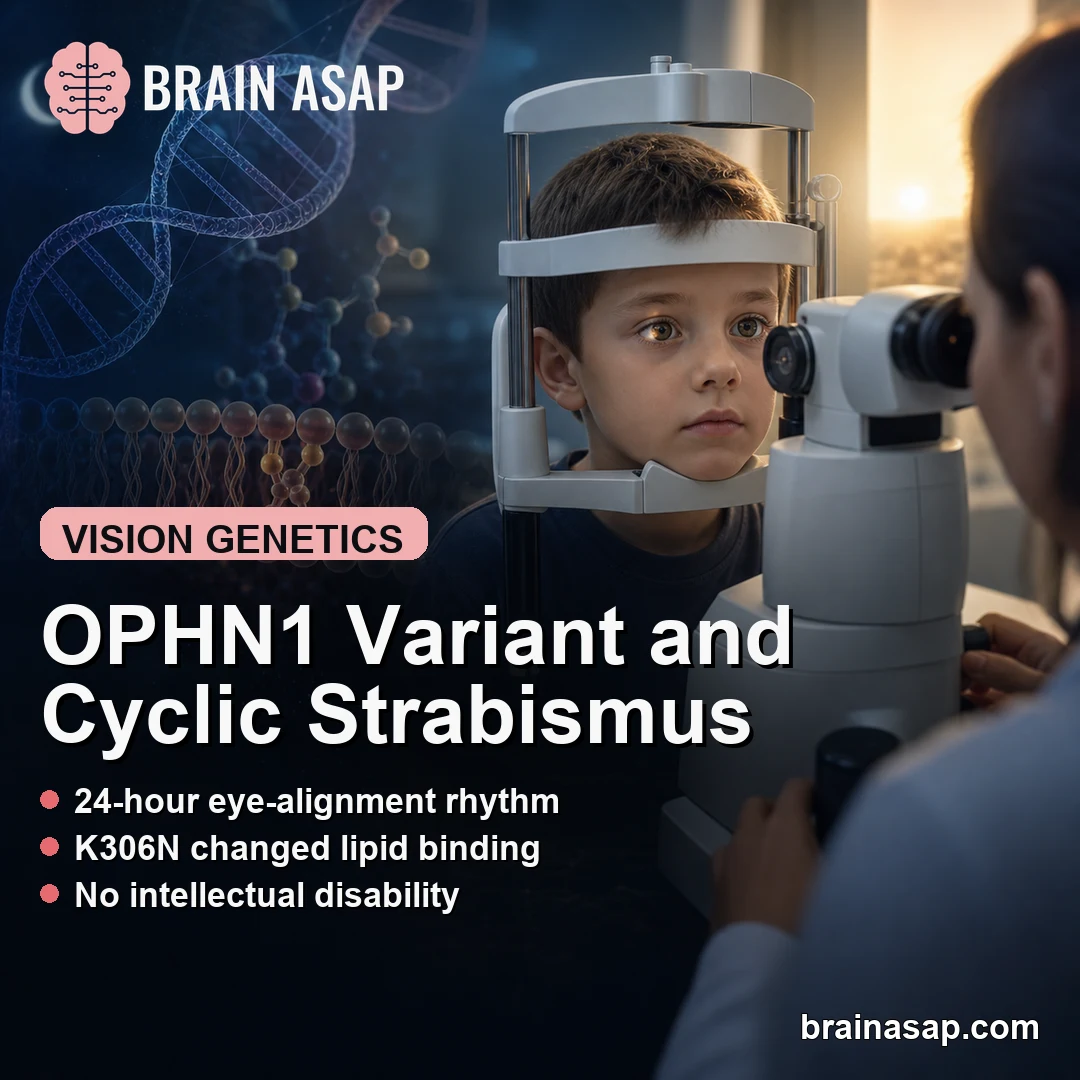
TL;DR: A 2026 study in Scientific Reports identified a novel OPHN1 K306N variant in a boy with cyclic strabismus, linking a 24-hour eye-alignment rhythm to altered phosphoinositide binding without the intellectual disability usually associated with OPHN1 syndr…
Read article ↗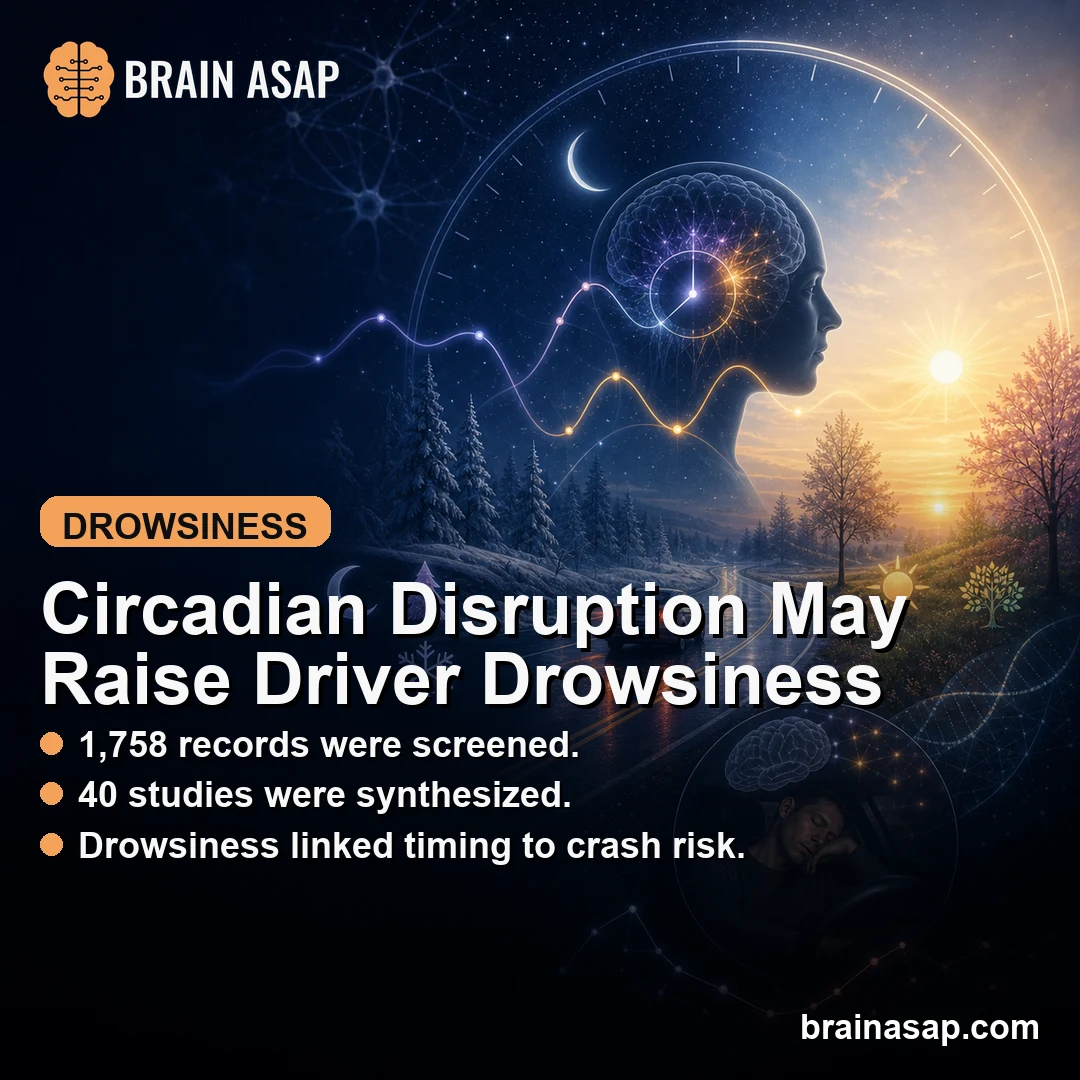
TL;DR: A 2026 scoping review in Sleep Science linked seasonal timing, daylight exposure, daylight saving time (DST), sleep-wake rhythm disruption, and driver drowsiness to traffic-crash risk, but found that few studies directly integrate seasonality with chron…
Read article ↗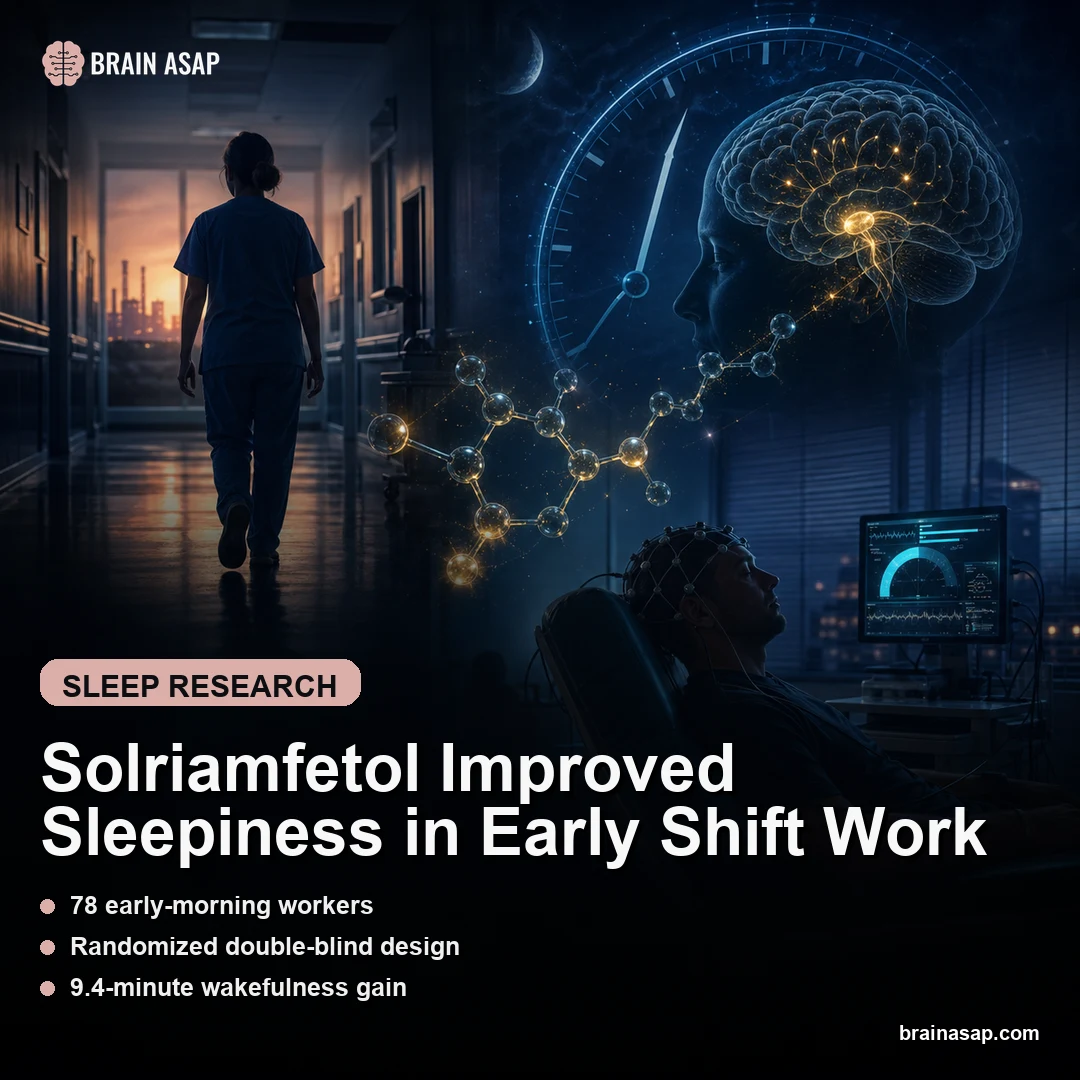
TL;DR: A 2026 study in NEJM Evidence found that solriamfetol added 9.4 minutes of objective wakefulness in early-morning shift work disorder after 4 weeks, without a higher overall adverse-event rate than placebo. Key Findings 78 early-morning workers: Partici…
Read article ↗
TL;DR: A 2026 MRI study in Brain Imaging and Behavior of 136 healthy young adults found no robust whole-brain gray matter, white matter, cortical thickness, or brain-age differences between early and late chronotypes. Key Findings 136 young adults: The study c…
Read article ↗
Probiotic treatment may influence core clock gene expression and metabolites in individuals with major depressive disorder (MDD), potentially linking gut microbiota to circadian rhythms and mood regulation. Highlights: CLOCK Gene Expression: The expression lev…
Read article ↗
Prescription opioid painkillers like oxycodone can be very addictive. People who use them for a long time often have trouble stopping, even if the drugs start causing problems. A new study tested a drug that blocks brain signals that keep people wanting opioid…
Read article ↗
Our bodies have an internal “clock” that anticipates and prepares for food intake at regular times each day. This was demonstrated in a new scientific study that manipulated meal timing in participants. Key Facts: Participants were given either 2 large meals p…
Read article ↗