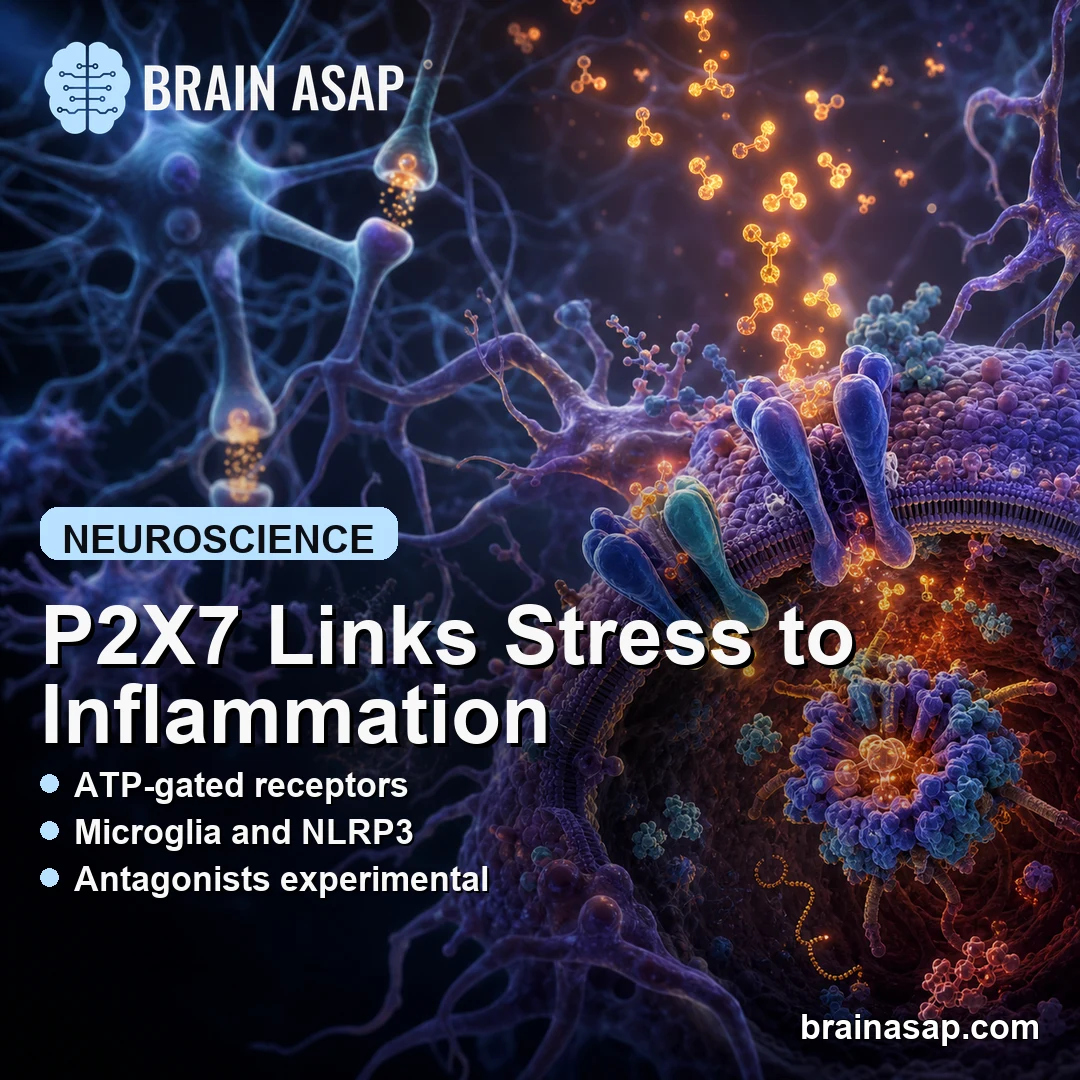
TL;DR: A 2026 review in Purinergic Signalling argues that ATP-gated P2X receptors, especially P2X7 and P2X4, may connect stress-related neuroinflammation with depression and bipolar-disorder biology. Key Findings P2X7 focus: The review describes P2X7 receptor…
Read article ↗
TL;DR: A 2026 nationwide claims study in Integrative Medicine Research found that Korean traditional medicine care without recorded acupuncture claims had the lowest modeled costs and the highest 3-year QALYs among four menopausal-disorder treatment strategies…
Read article ↗
TL;DR: A 2026 randomized trial in JMIR Mental Health found that a 4-week executive-function training app reduced depression and anxiety symptoms at 12-week follow-up, while a self-guided CBT app mainly improved workplace well-being. Key Findings Workplace app…
Read article ↗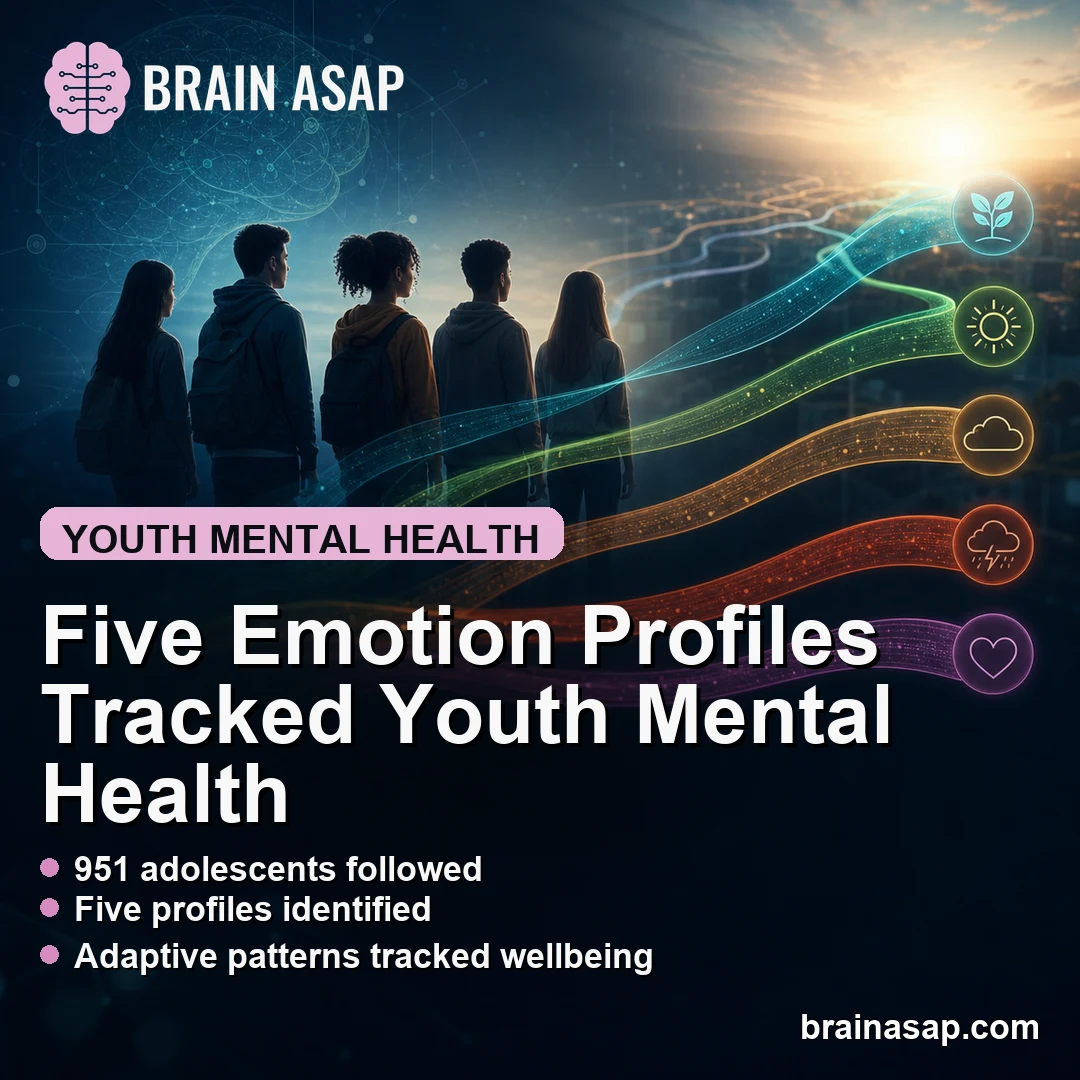
TL;DR: A 2026 study in Research on Child and Adolescent Psychopathology followed 951 New Zealand adolescents and found that 5 emotion-regulation profiles tracked different patterns of anxiety, depression, optimism, resilience, and wellbeing over 5 months. Key…
Read article ↗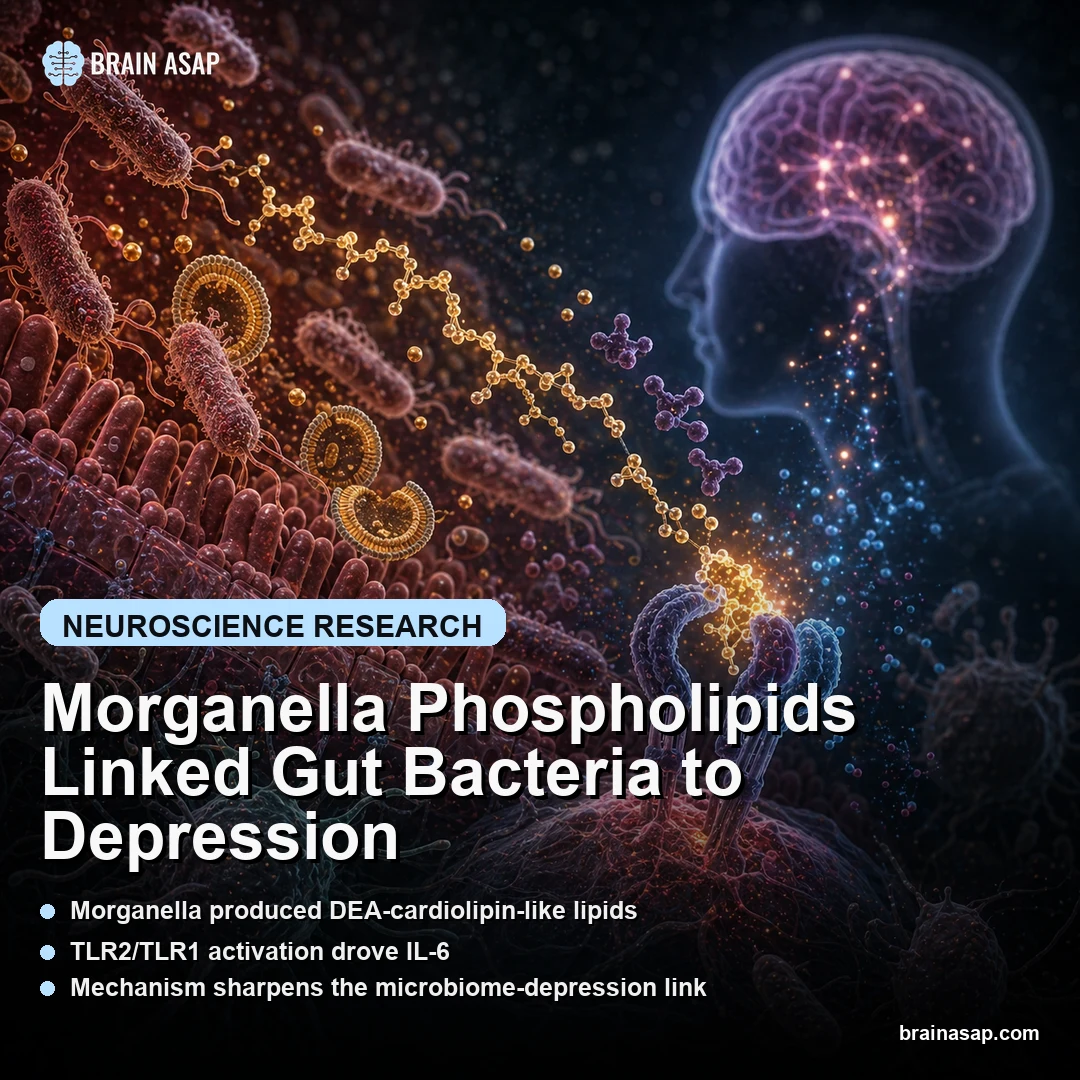
TL;DR: A 2025 study in Journal of the American Chemical Society found that a depression-linked gut bacterium now has a concrete inflammatory mechanism: Morganella morganii can make unusual phospholipids that activate TLR2/TLR1 and drive IL-6. Key Findings Morg…
Read article ↗
TL;DR: A 2024 study in Sociological Forum found that identity-politics measures statistically explained much of the link between progressive ideology and lower self-reported well-being in the 2021 Baylor Religion Survey. Key Findings Well-being gap: Progressiv…
Read article ↗
TL;DR: A 2026 nationwide study in Journal of Korean Medical Science found that among South Korean children and adolescents with intellectual disability, diagnosed ADHD increased from 30.23% in 2012 to 41.77% in 2021, while diagnosed depression increased from 1…
Read article ↗
TL;DR: A 2026 Scientific Reports study of 6,805 English-language media reports found that psychedelic-treatment coverage for depression and PTSD used more positive tone than antidepressant coverage, while antidepressant coverage used more risk and negative-emo…
Read article ↗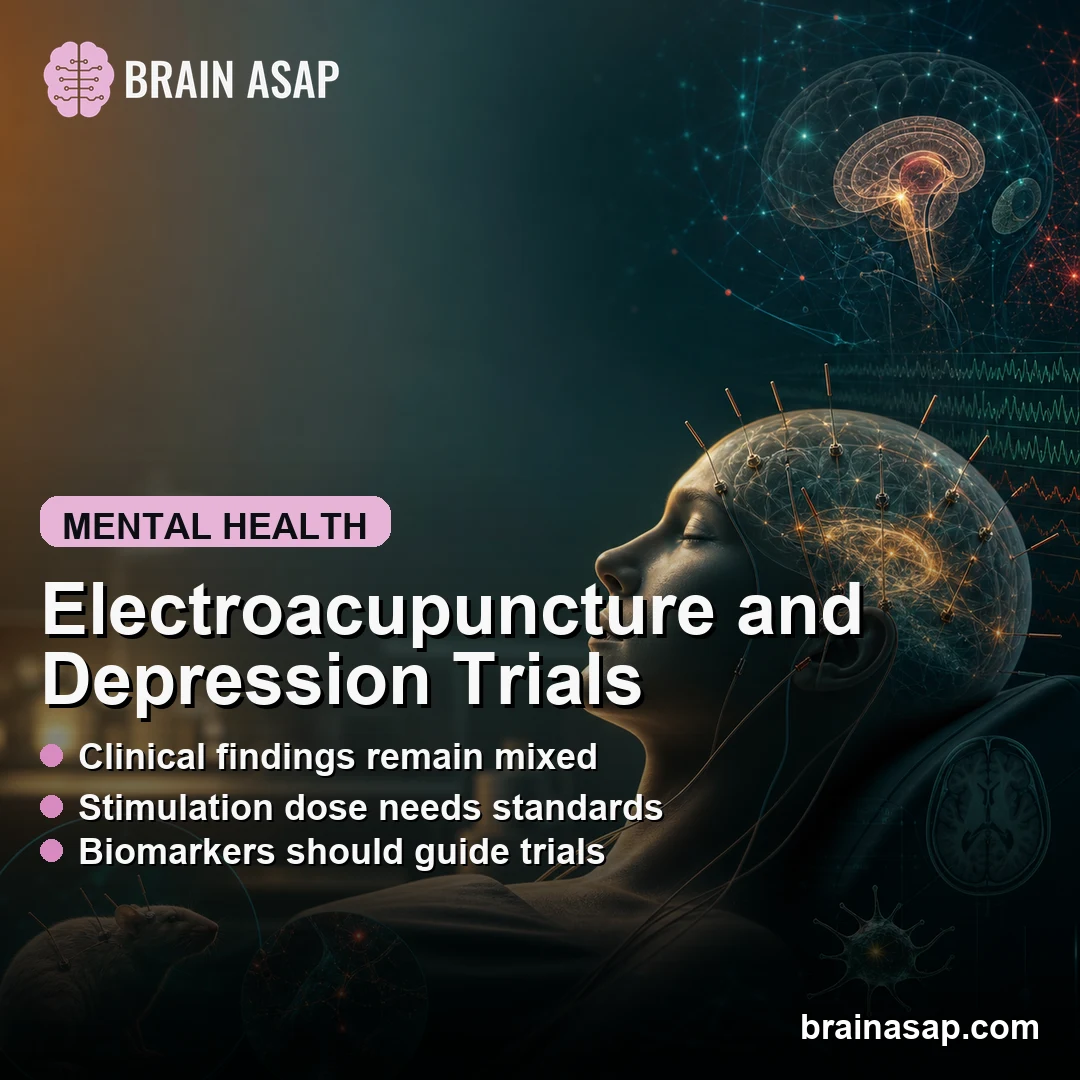
TL;DR: A 2026 review in Neuropsychiatric Disease and Treatment argued that electroacupuncture (EA), acupuncture delivered with small electrical stimulation, has depression-related mechanism evidence, but clinical trials need biomarker-guided patient groups, st…
Read article ↗
TL;DR: A 2026 qualitative study in iScience found that a 10-week Arts on Prescription program helped unemployed young adults with anxiety, depression, or stress report better mood, stronger routines, and less isolation, but some activities also caused stress,…
Read article ↗