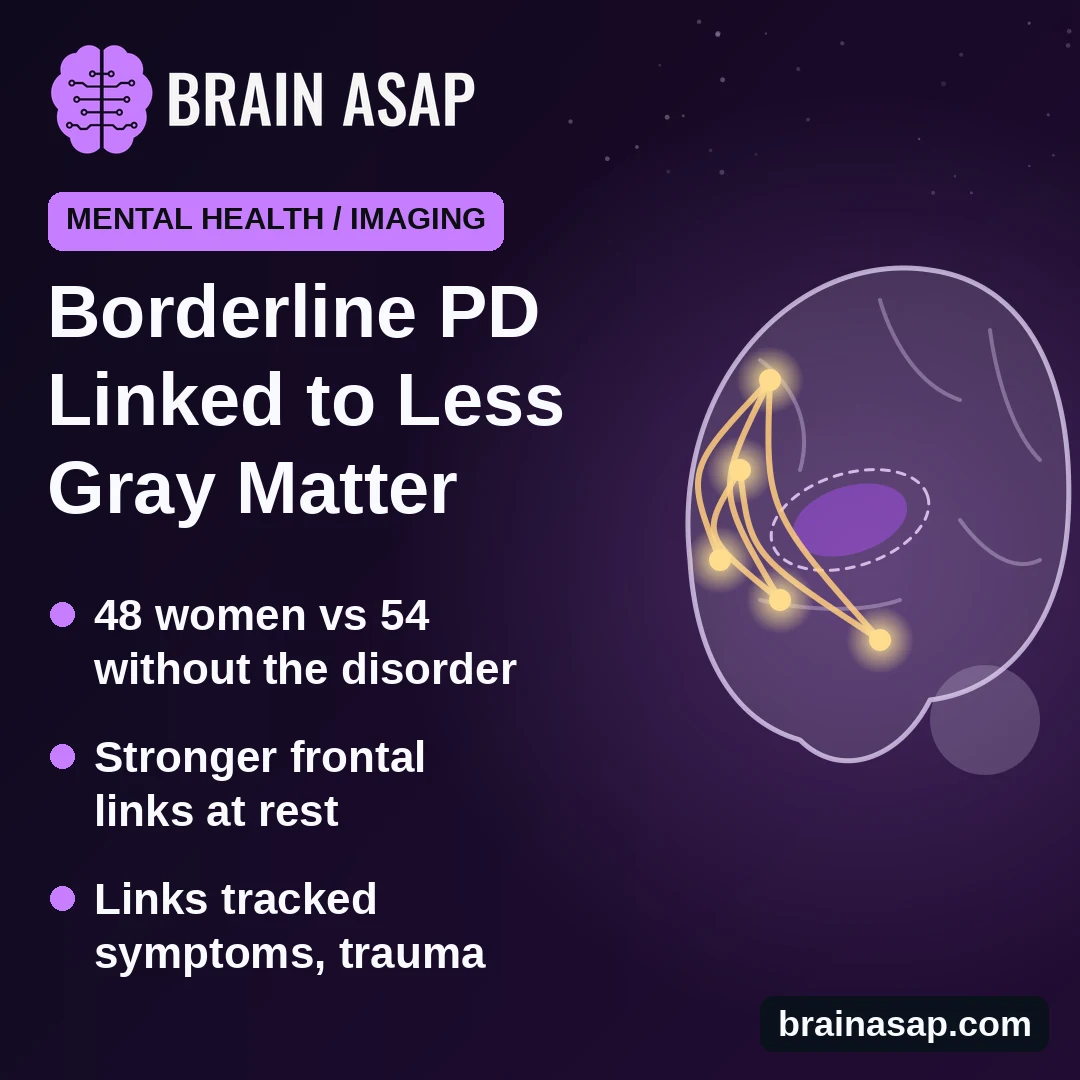
TL;DR: Brain scans of 48 women with borderline personality disorder showed less gray matter in the insula and parts of the frontal lobe than in 54 women without it. Some of those frontal areas were more strongly in sync with other brain regions, and that synci…
Read article ↗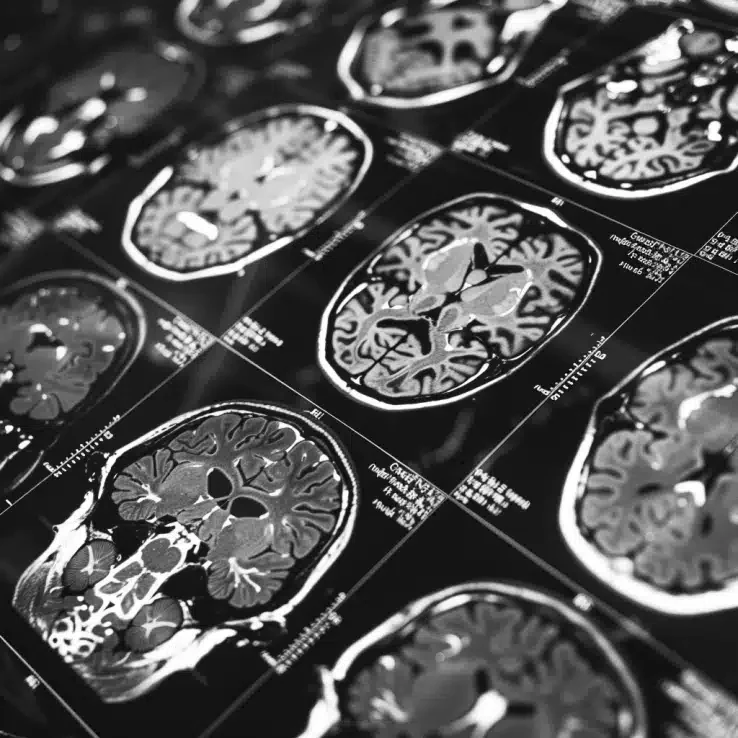
Normal aging leads to a decrease in brain volume, with gray and white matter shrinking and cerebrospinal fluid increasing, as measured by synthetic MRI. Highlights: Study Sample: 300 healthy adults (141 males, median age 48; 159 females, median age 50) were an…
Read article ↗
New research reveals that increased inflammation, indicated by higher levels of a protein called VCAM-1, is associated with decreased gray matter and altered brain connectivity in patients with major depressive disorder (MDD). These brain changes also correlat…
Read article ↗
Human intelligence is a complex cognitive trait that has fascinated scientists and philosophers for centuries. New research is shedding light on the neurobiological underpinnings of intelligence, from genes to cells to brain networks. Key Facts: Intelligence i…
Read article ↗
Narcissism is characterized by self-importance, entitlement, and interpersonal difficulties. Neuroscience research has begun to uncover the complex mechanisms underlying the paradoxical patterns of narcissistic functioning. Key findings show: Narcissism involv…
Read article ↗
Schizophrenia is a severe mental illness characterized by hallucinations, delusions, disorganized thinking and behavior. While antipsychotic medications can help manage symptoms, their long-term effects on brain structure are not fully understood. A new study…
Read article ↗
Cocaine use can lead to significant structural changes and accelerated aging of the brain, according to a new study. Key findings include: Cocaine users showed widespread gray matter loss in areas involved in emotions, language, cognition and decision-making.…
Read article ↗