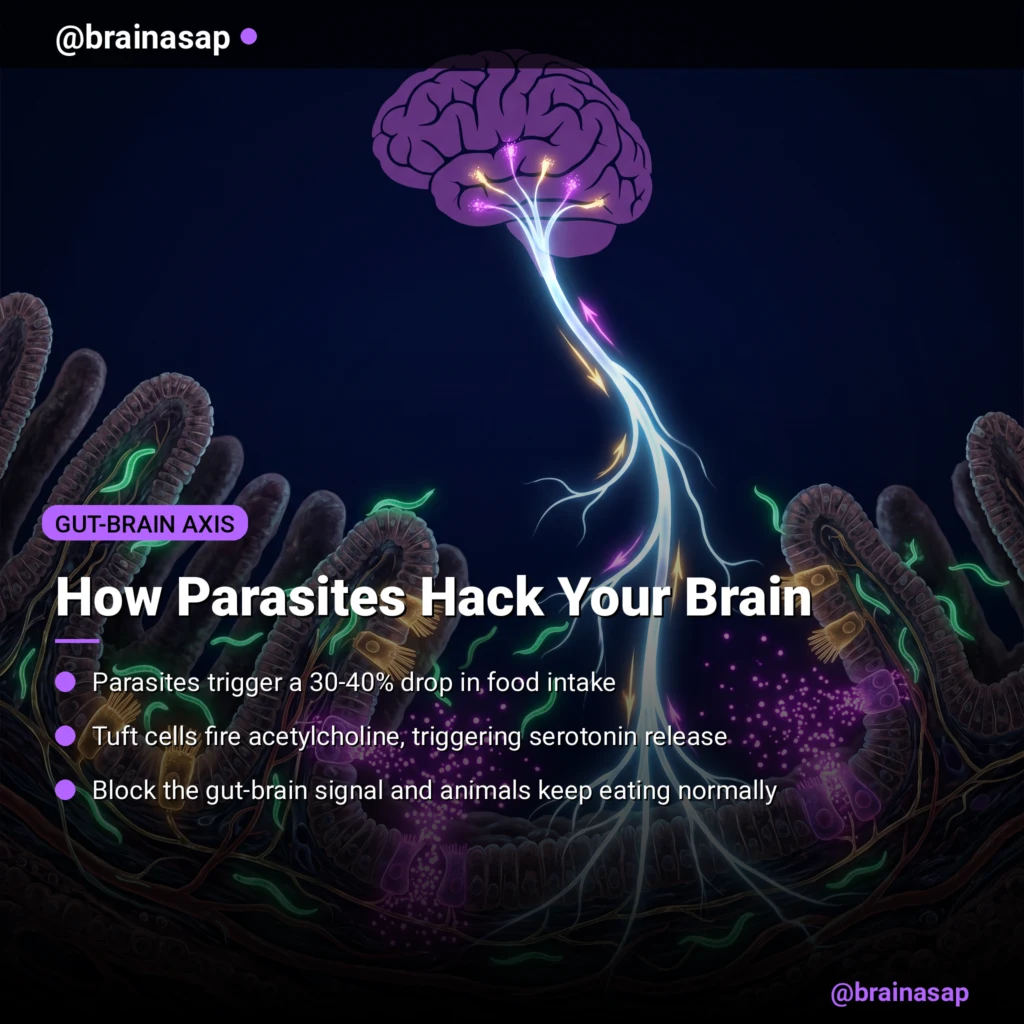
How Parasites Hack Your Gut-Brain Connection TL;DR: Parasitic infections trigger a sophisticated cellular conversation in the gut that signals the brain to stop eating—a protective response that reveals how infection hijacks the gut-brain axis through epitheli…
Read article ↗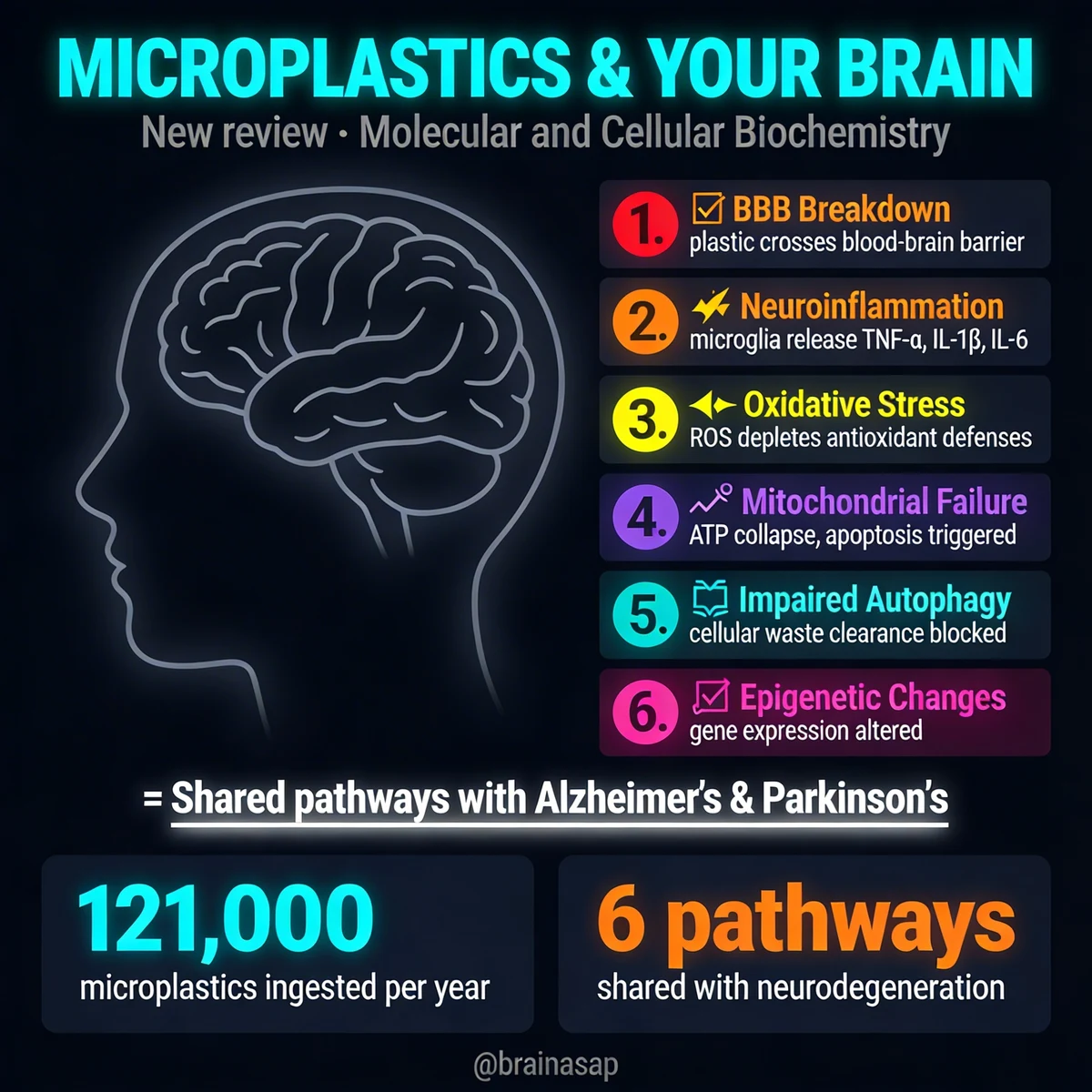
Microplastics and Brain Damage: The Hidden Link TL;DR: Microplastics circulating in your blood may accelerate Alzheimer’s and Parkinson’s disease through six shared pathways—including blood-brain barrier breakdown, chronic inflammation, and oxidative stress. Y…
Read article ↗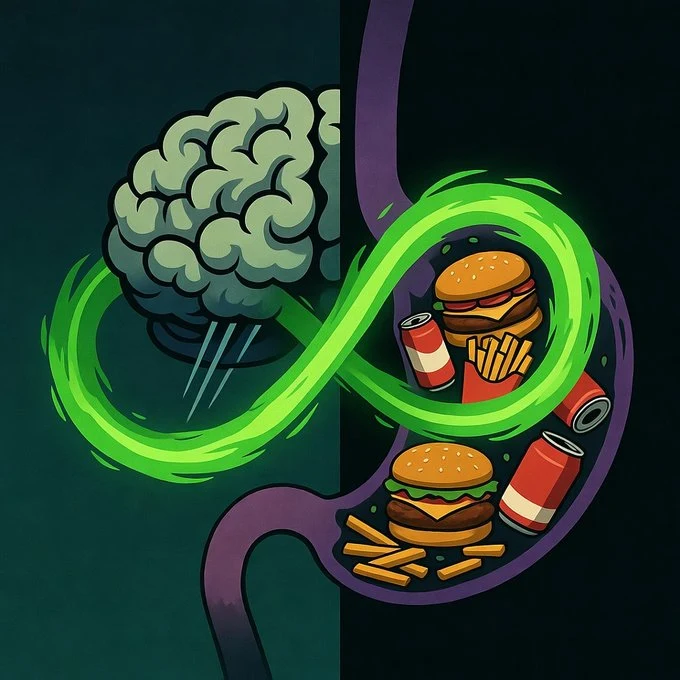
Obesity and Depression Share Five Converging Biological Pathways Obesity and depression represent two of the world’s fastest-growing epidemics. By 2030, over 1 billion people will have obesity, while depression will affect more than 350 million. Yet they are r…
Read article ↗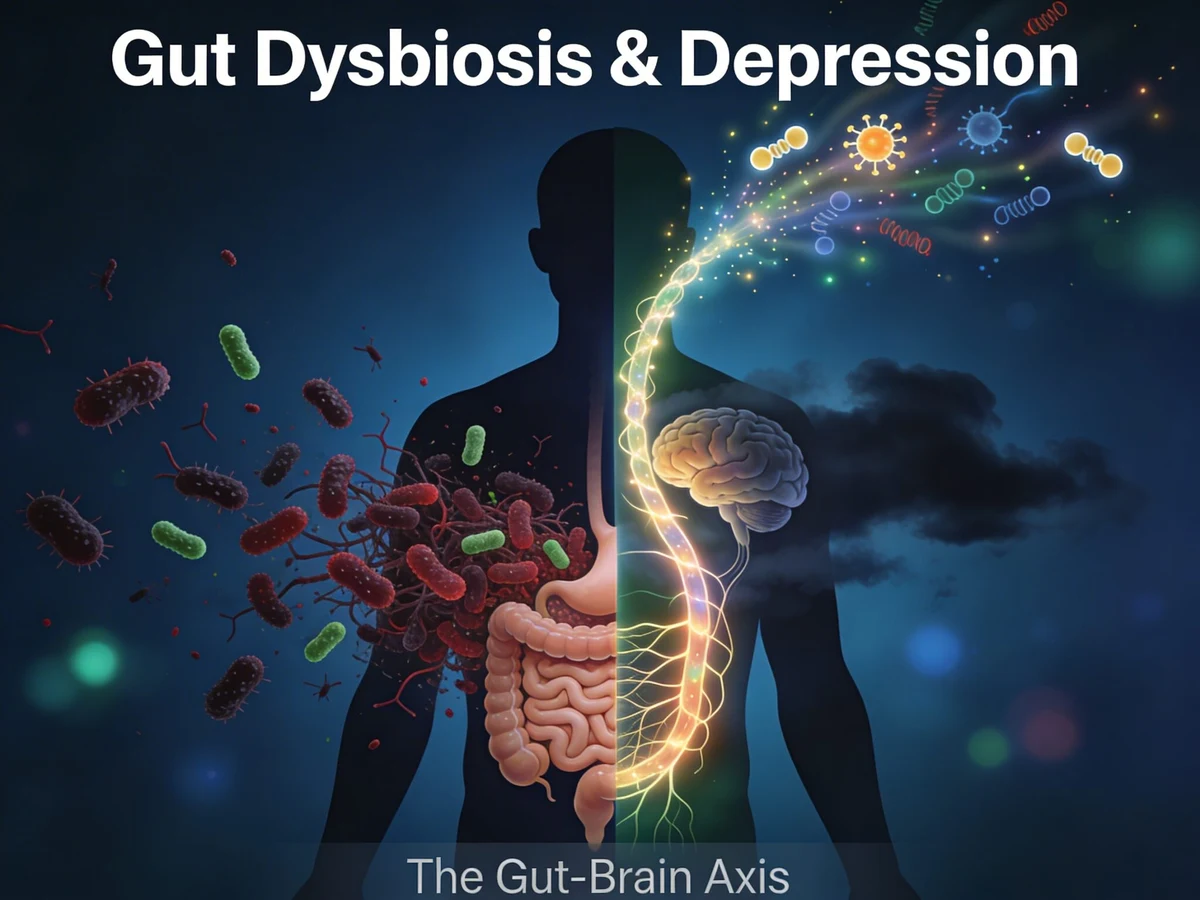
Dysbiotic Gut Microbiota Depletes Amino Acids and Triggers Depression in Youth Depression in children and adolescents affects 4–5% of youth worldwide, with rates climbing steeply over the past decade. Conventional treatment targets serotonin—but new evidence r…
Read article ↗
Probiotics and prebiotics show potential benefits in improving symptoms and quality of life in children with ADHD, but more extensive studies are needed to confirm these effects. Highlights: Positive Impact on Functioning: Lactobacillus rhamnosus GG (LGG) supp…
Read article ↗
Gut microbiota may influence epilepsy, but the exact mechanisms and involved microbiota are unclear, with potential treatments including ketogenic diets, probiotics, and fecal microbiota transplants being explored. Highlights: Approximately 33% of epilepsy pat…
Read article ↗
The naturally occurring peptide BPC 157 shows potential to treat stroke, schizophrenia symptoms, and spinal cord injury in animal models. Key facts: BPC 157 rapidly counteracted stroke damage and led to full recovery of memory, coordination and movement in rat…
Read article ↗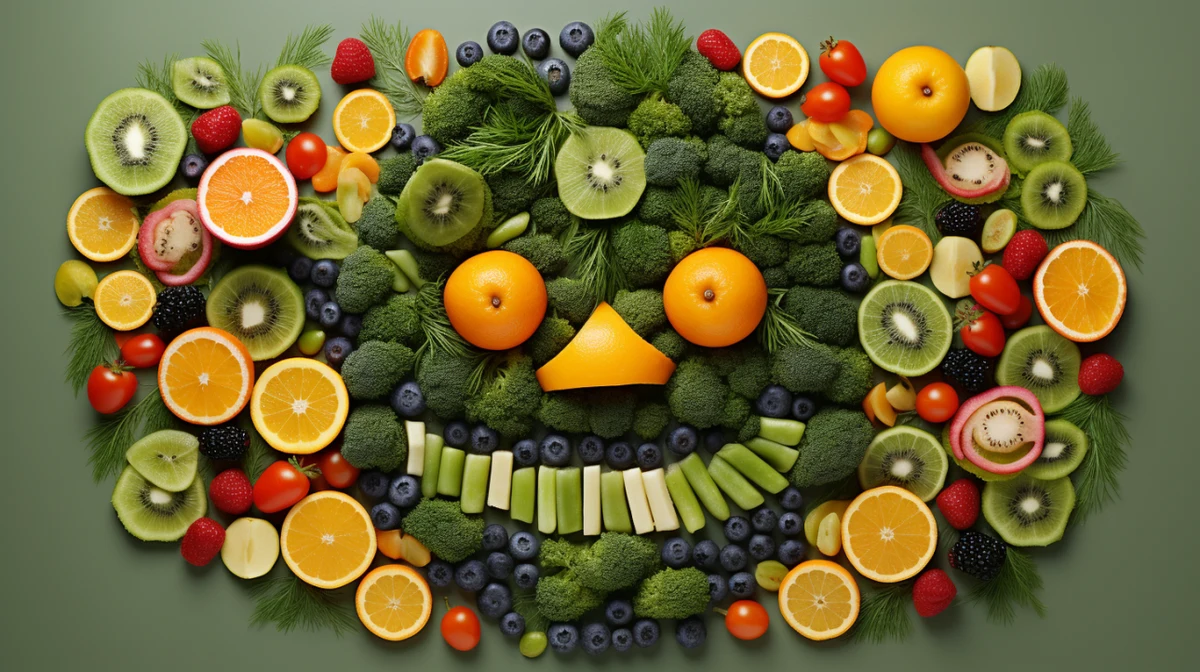
Nutrition plays a major role in mental health, with diet quality closely linked to risk of common mental disorders like depression. This review comprehensively analyzes recent research on the impacts of nutrition on mental health and the use of nutritional int…
Read article ↗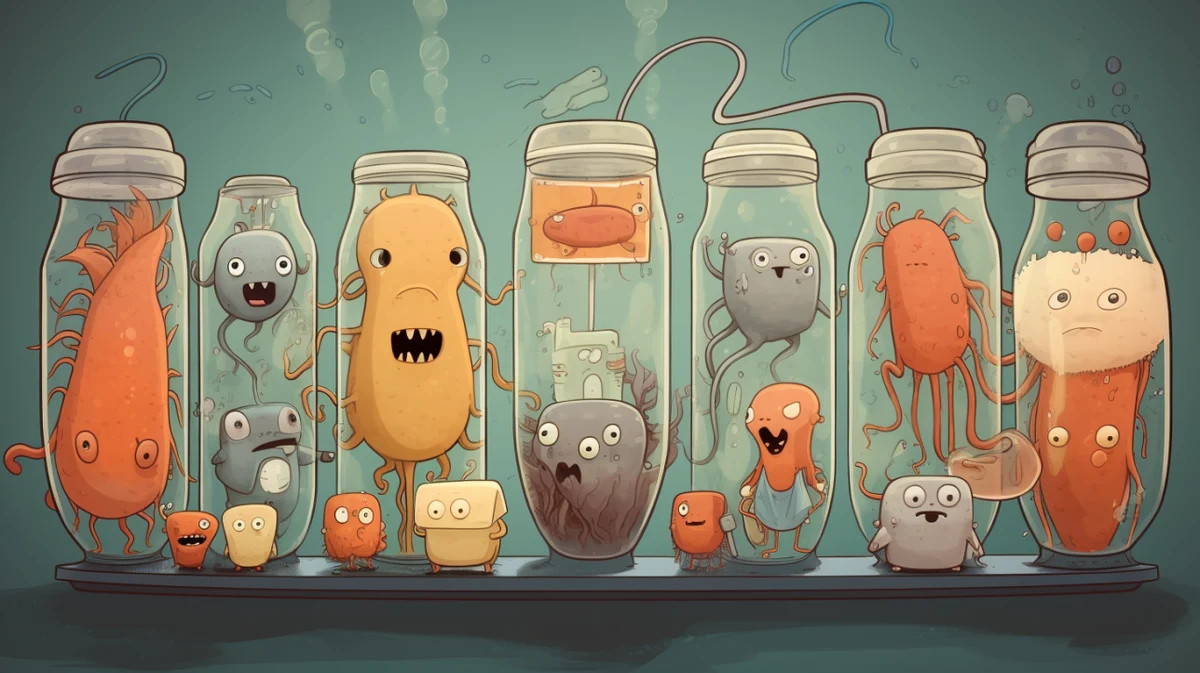
Fecal microbiota transplantation (FMT) shows potential as an effective new treatment for major depressive disorder (MDD). Key facts: FMT aims to restore a healthy gut microbiome which is thought to impact mood and mental health. Studies show links between gut…
Read article ↗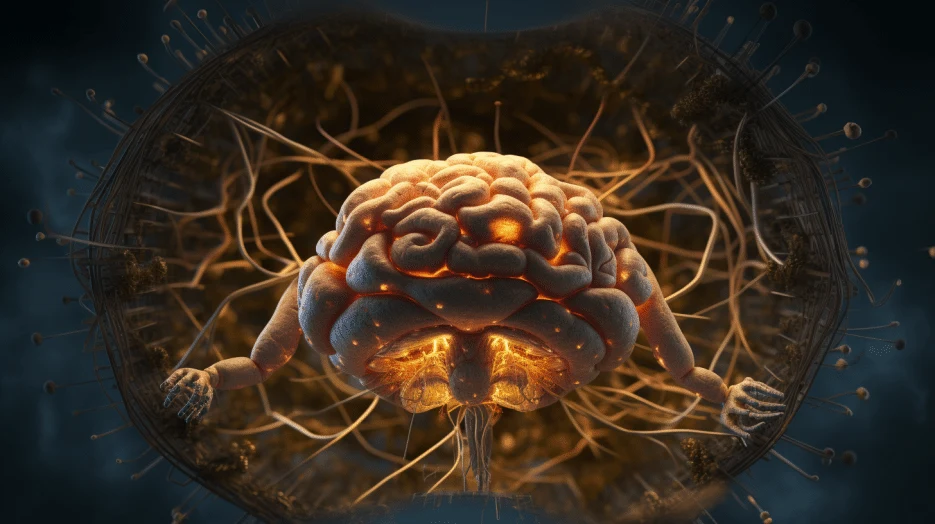
Depression affects over 270 million people worldwide. New research is investigating whether manipulating gut bacteria with probiotics, prebiotics or synbiotics can help treat depression symptoms. Key Facts: Probiotics are live microorganisms that provide healt…
Read article ↗