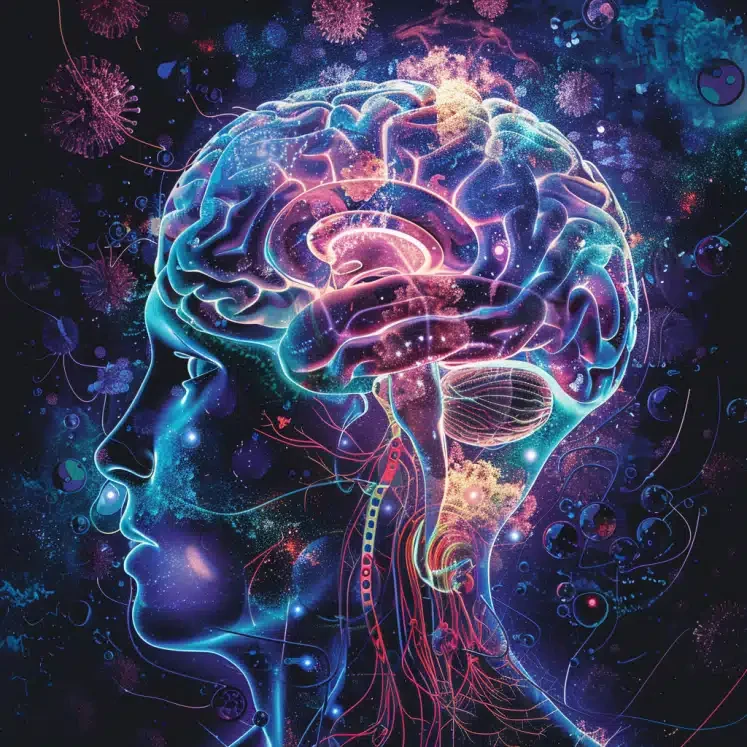
Gut microbiota may influence epilepsy, but the exact mechanisms and involved microbiota are unclear, with potential treatments including ketogenic diets, probiotics, and fecal microbiota transplants being explored. Highlights: Approximately 33% of epilepsy pat…
Read article ↗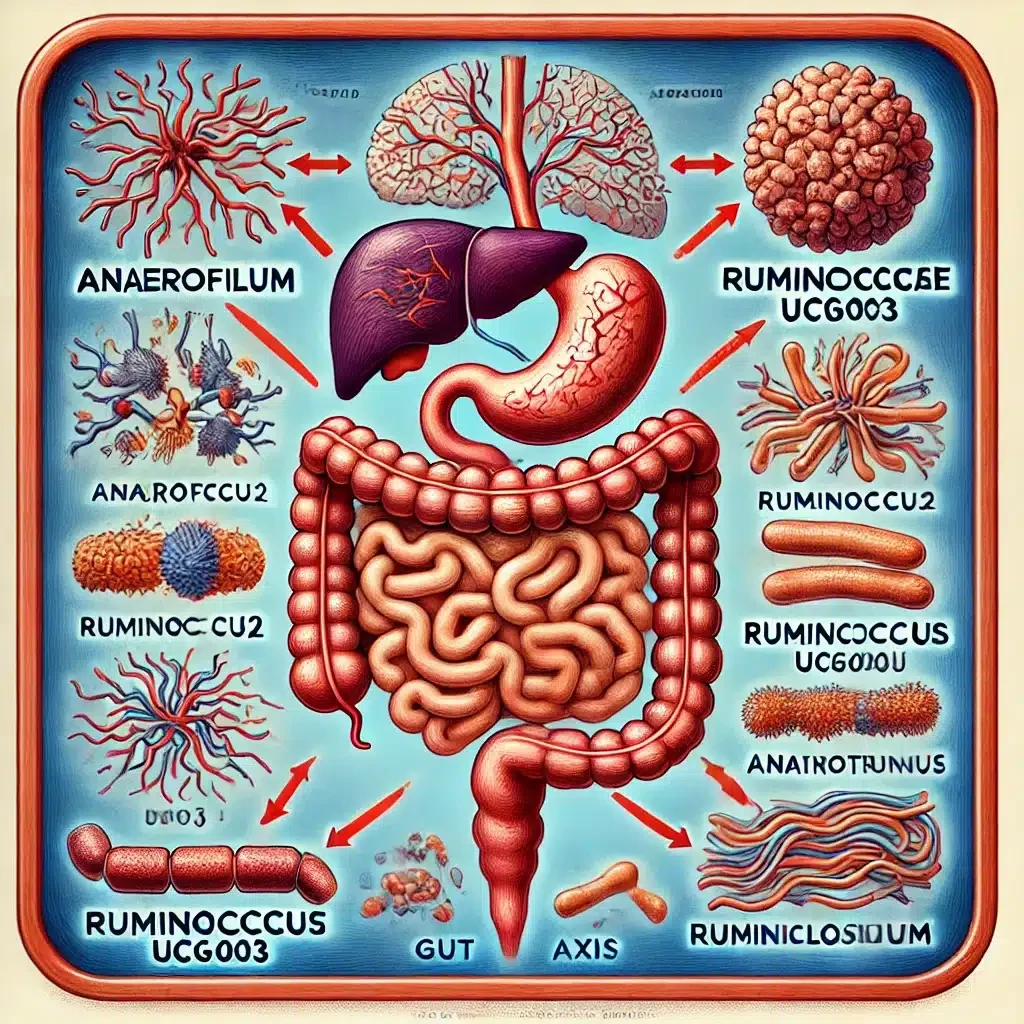
A Mendelian randomization study identified five gut microbiota taxa with potential causal effects on multiple sclerosis (MS), highlighting new avenues for understanding and treating the disease. Highlights: Causal Associations Identified: The study identified…
Read article ↗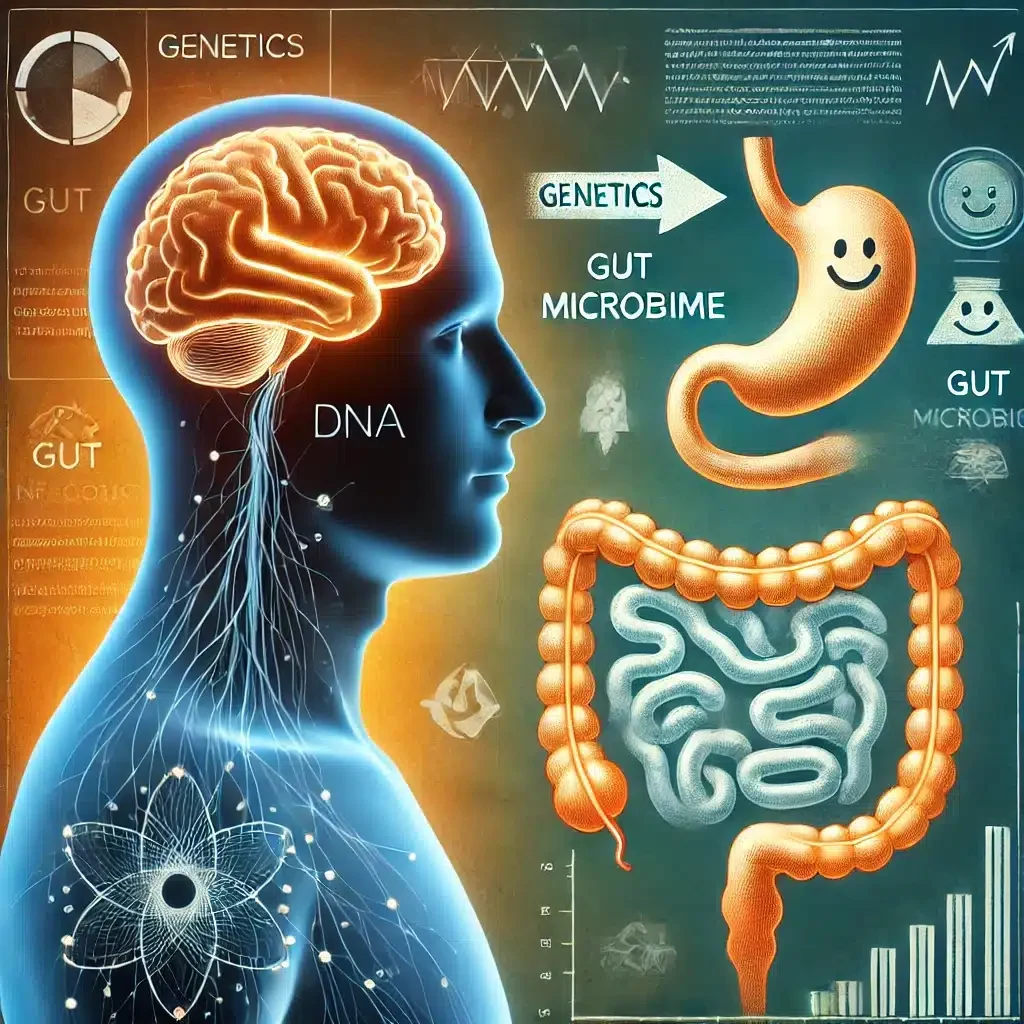
Alterations in the gut microbiome are causally linked to major depressive disorder (MDD), with certain gut bacteria either increasing or decreasing the risk of developing MDD. Highlights: Protective Bacteria: Ten gut bacterial taxa, including phylum Actinobact…
Read article ↗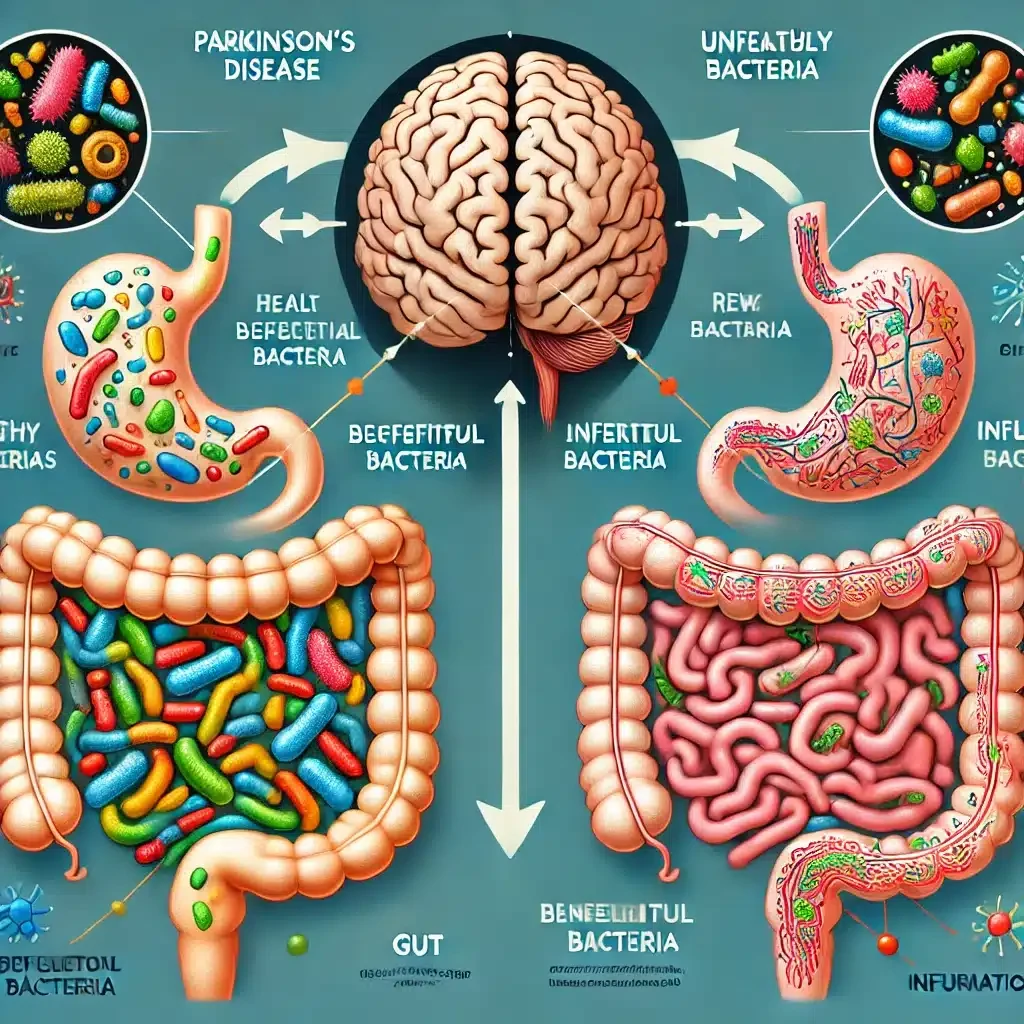
TLDR: A study identified specific gut microbial features in Parkinson’s disease (PD) across different countries, highlighting increased α-diversity, altered bacterial species, and decreased metabolites in PD patients. Highlights: Increased α-Diversity: The stu…
Read article ↗
Nutrition plays a major role in mental health, with diet quality closely linked to risk of common mental disorders like depression. This review comprehensively analyzes recent research on the impacts of nutrition on mental health and the use of nutritional int…
Read article ↗
Fecal microbiota transplantation (FMT) shows potential as an effective new treatment for major depressive disorder (MDD). Key facts: FMT aims to restore a healthy gut microbiome which is thought to impact mood and mental health. Studies show links between gut…
Read article ↗