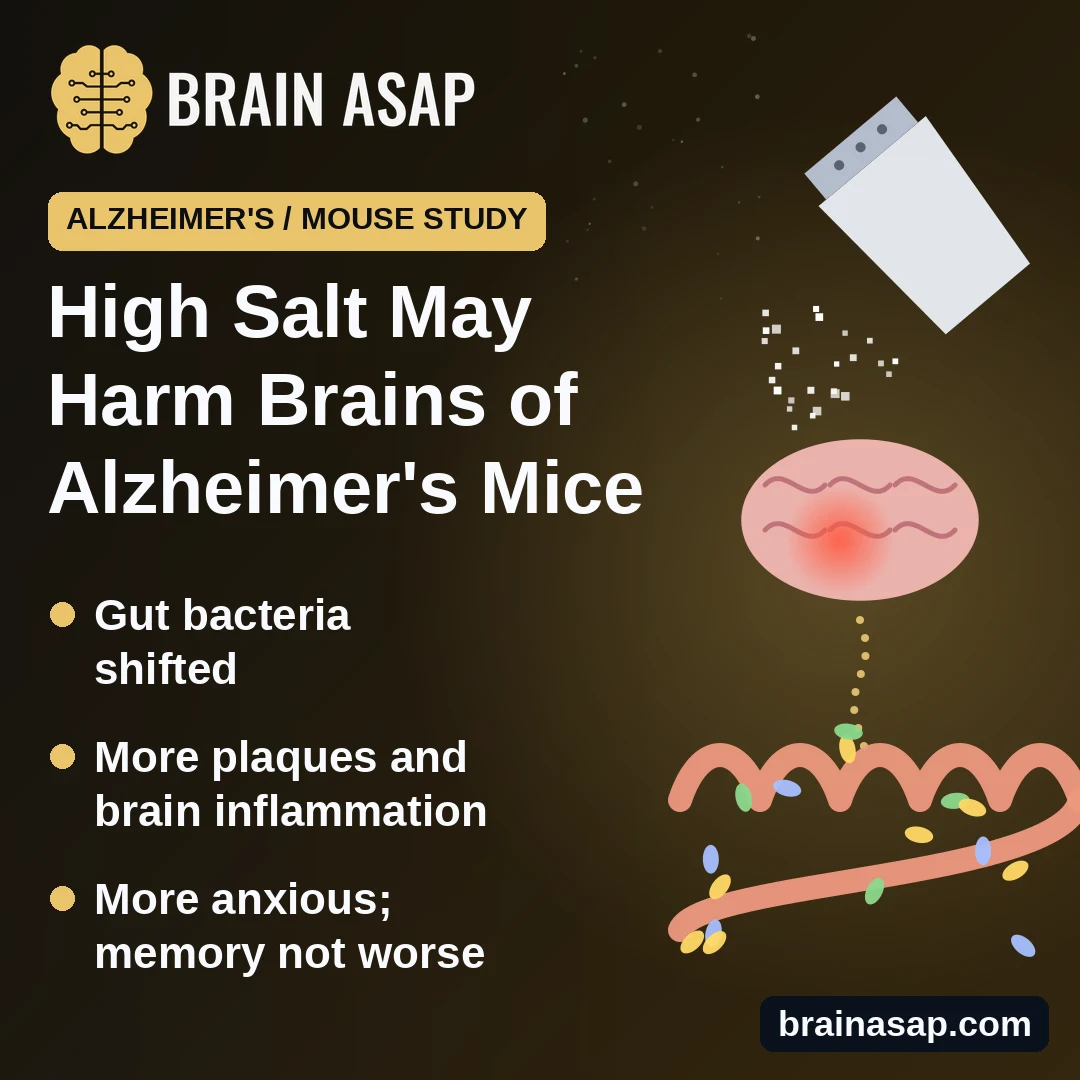
TL;DR: Alzheimer’s-model mice fed very salty chow for 6 months had altered gut bacteria, more brain inflammation and plaques, and more anxious behavior than mice on normal chow. It’s a mouse study, and the gut-to-brain link was not proven. Key Findings 8% vs 0…
Read article ↗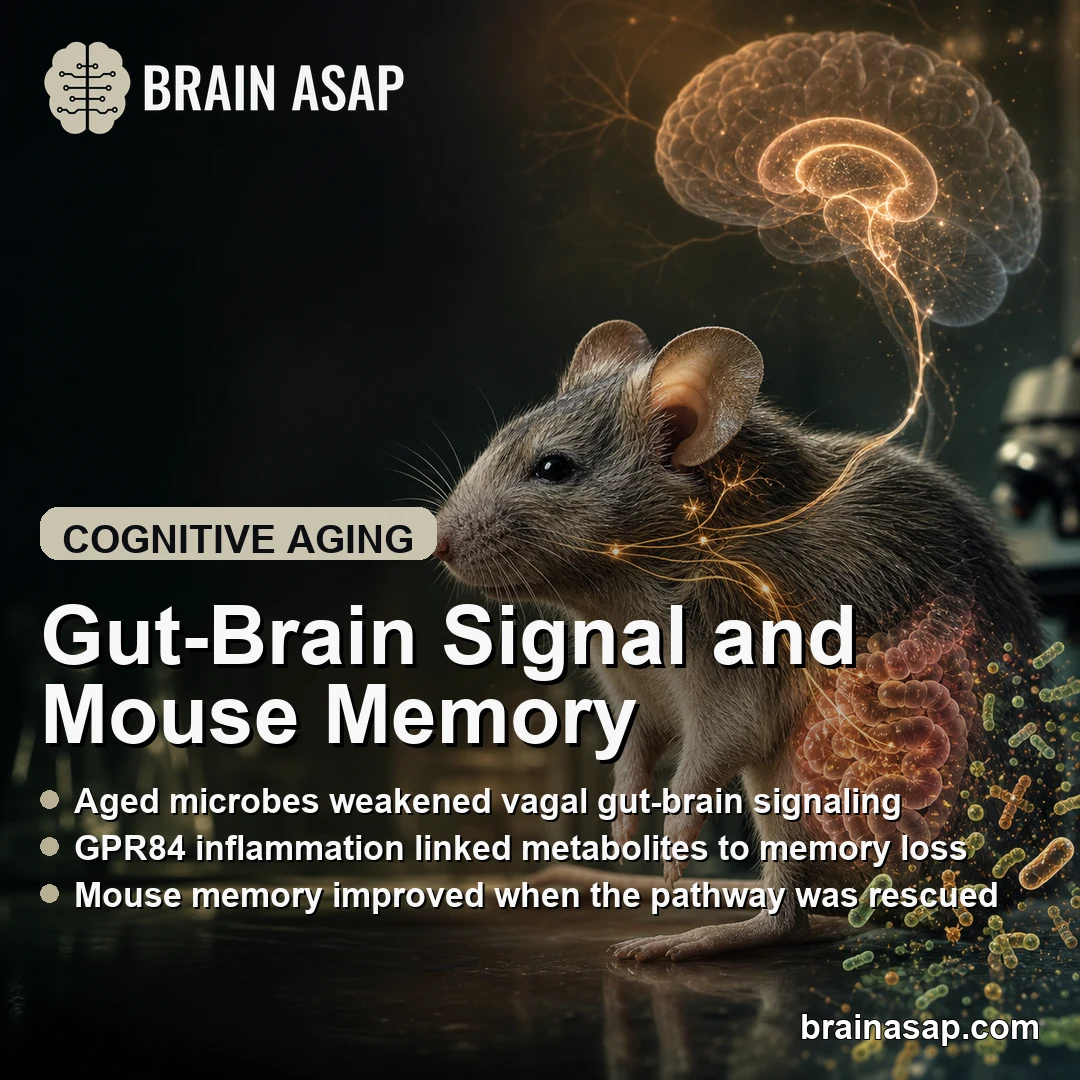
TL;DR: A 2026 mouse study in Nature found that age-related gut microbiome changes impaired vagal gut-brain signaling and hippocampal memory encoding, while several interventions restored memory performance in aged or microbiome-aged mice. Key Findings Aged mic…
Read article ↗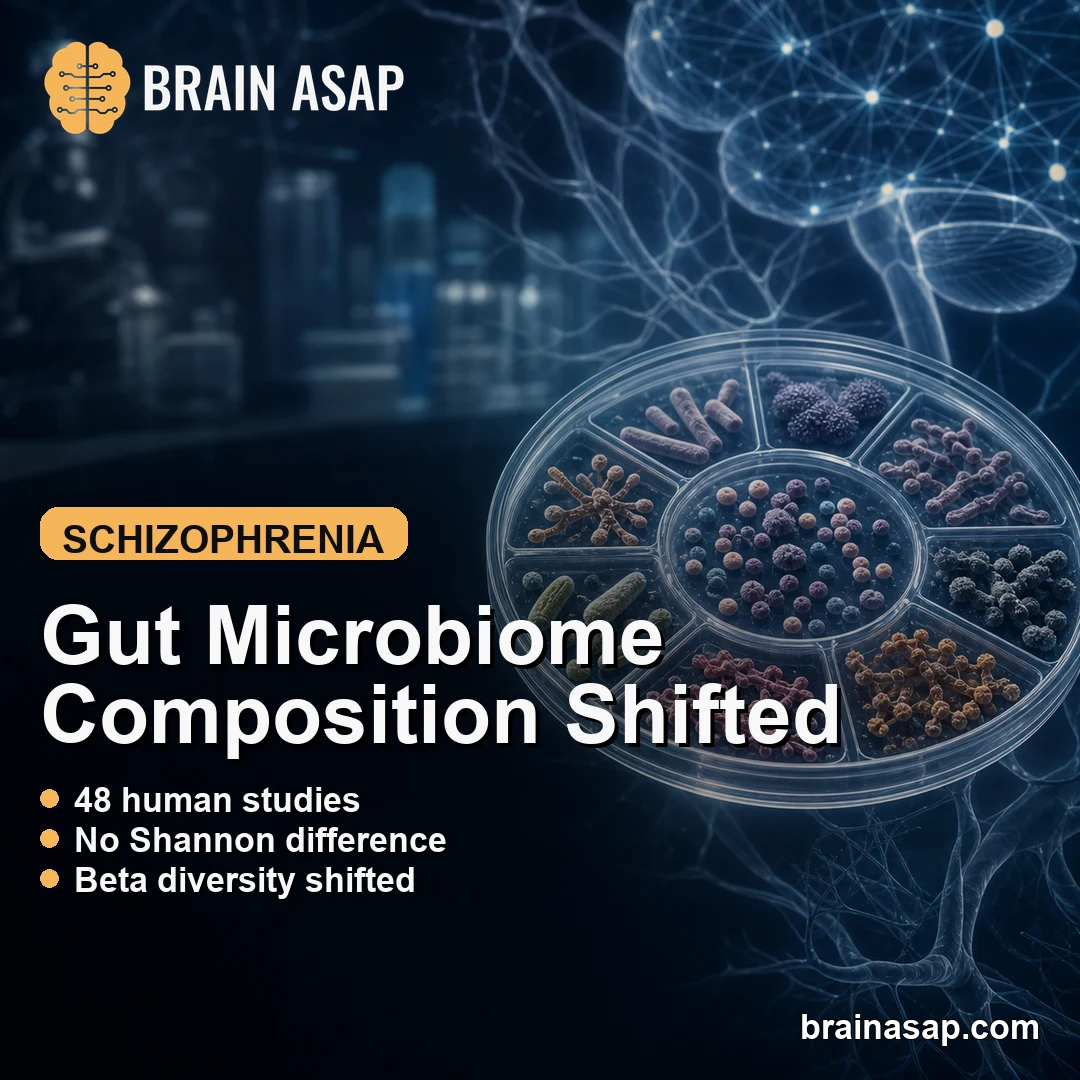
TL;DR: A 2026 systematic review and meta-analysis in International Journal of Molecular Sciences found no significant global gut-microbiome alpha-diversity difference in schizophrenia, but reported recurring community-composition and taxonomic shifts. Key Find…
Read article ↗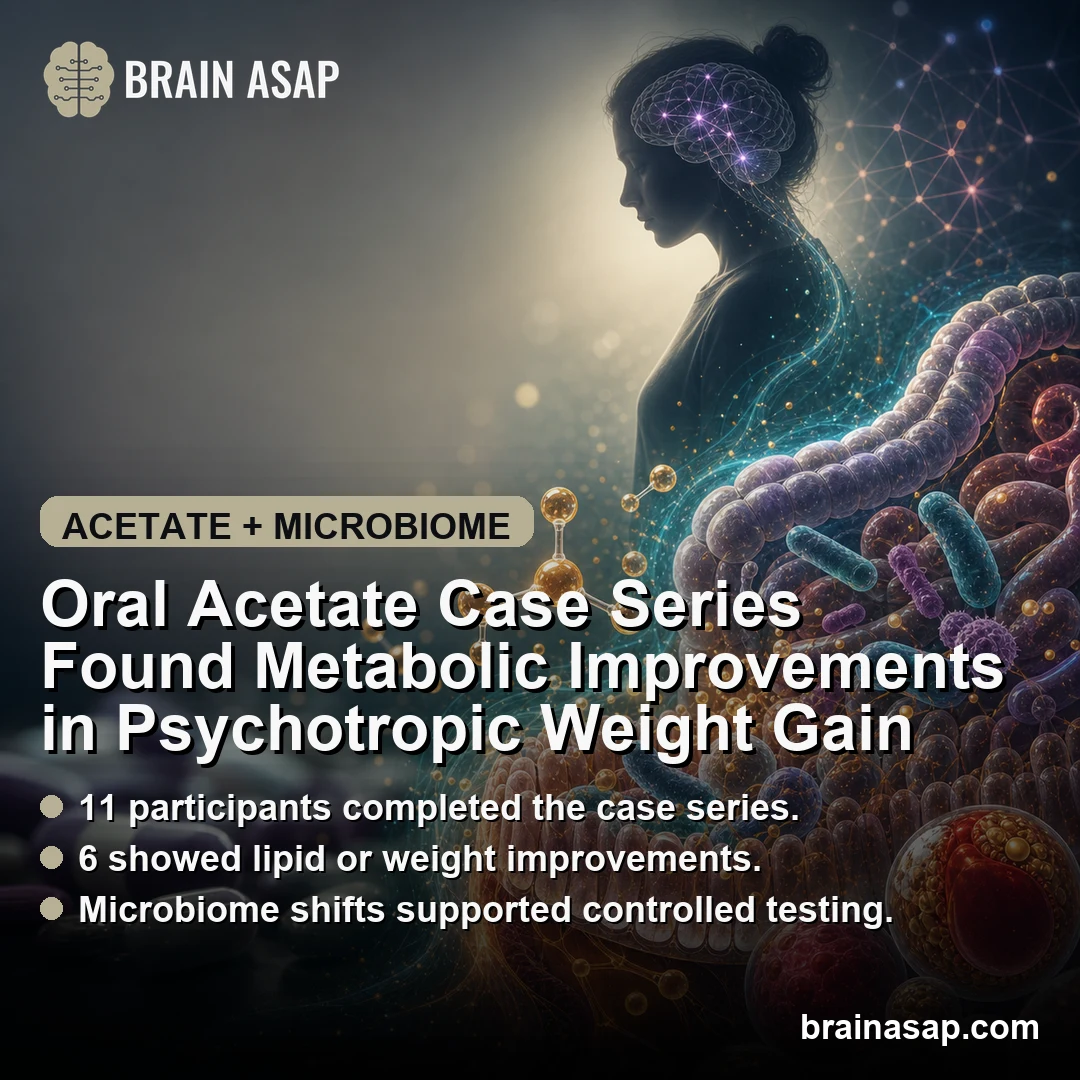
TL;DR: A 2026 case-series study in Translational Psychiatry tested delayed-release oral acetate from apple cider vinegar capsules in 11 young adults taking psychotropic medications and found high adherence, no product-related adverse events, microbiome shifts,…
Read article ↗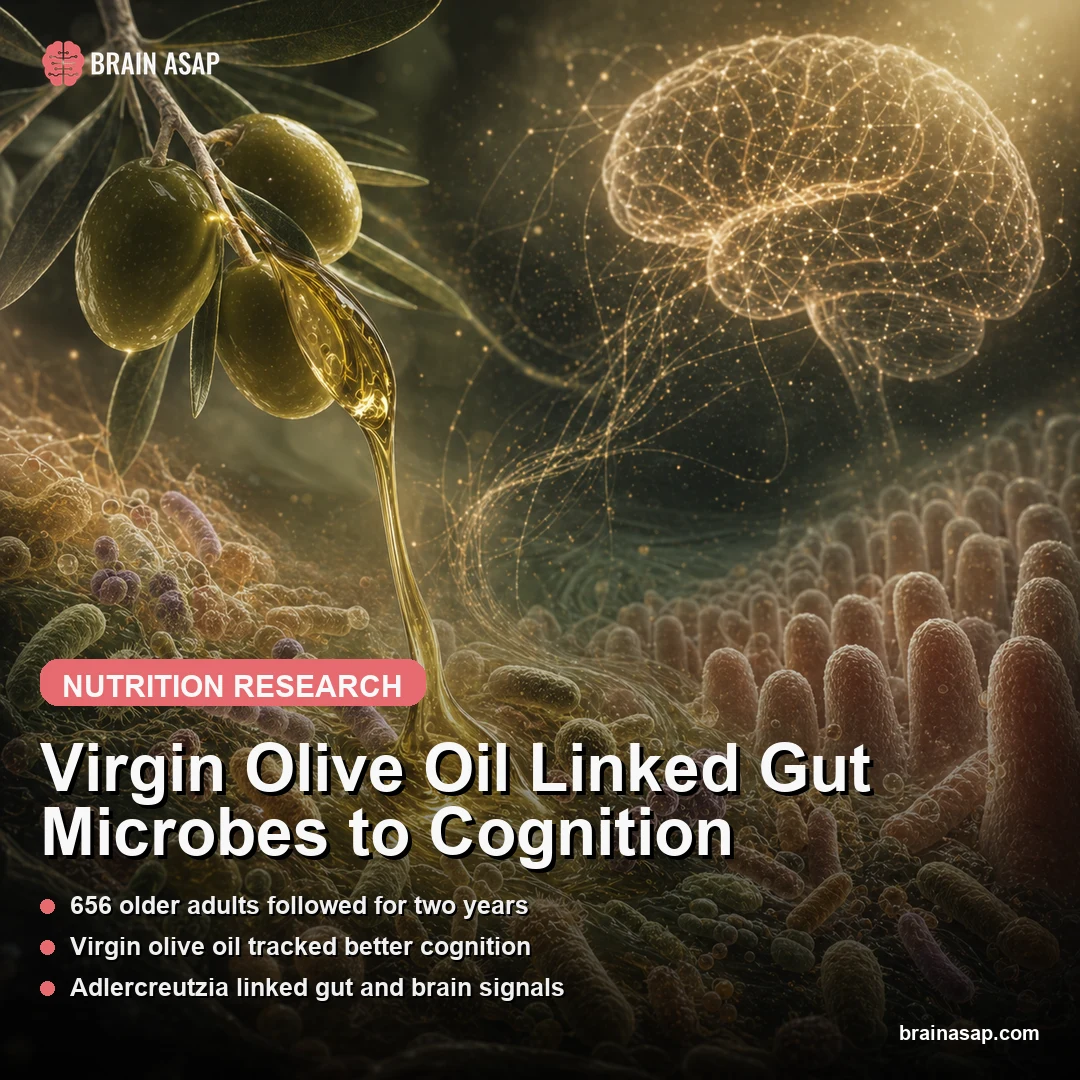
TL;DR: A 2026 study in Microbiome found that in older adults at metabolic risk, virgin olive oil was linked to better cognitive preservation and richer gut microbiota, while common refined olive oil pointed the other way. Key Findings Metabolic-risk cohort tra…
Read article ↗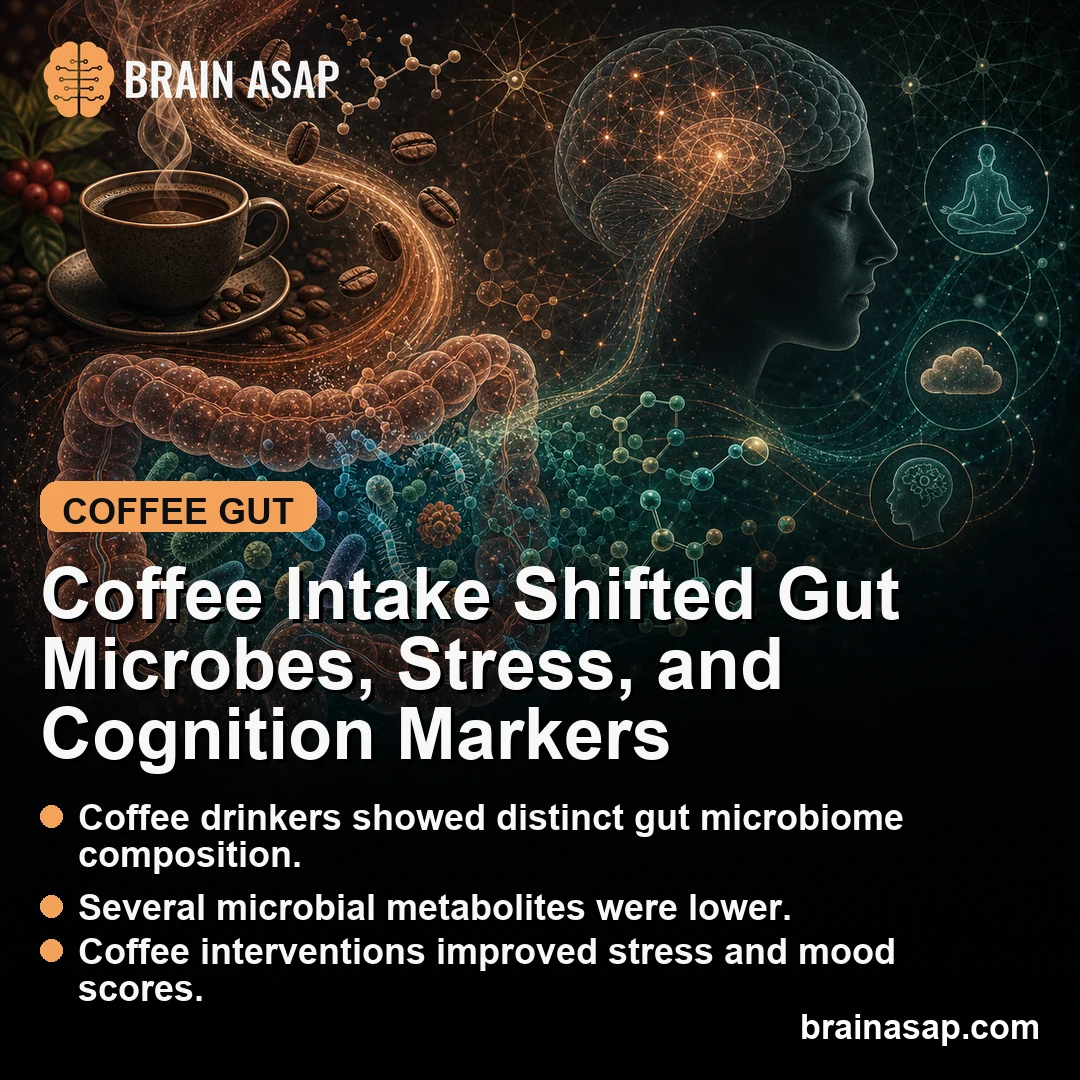
TL;DR: A 2026 human microbiome and intervention study in Nature Communications found that coffee drinkers showed distinct gut microbiome composition and lower several microbial metabolites, while caffeinated and decaffeinated coffee shifted stress and mood mea…
Read article ↗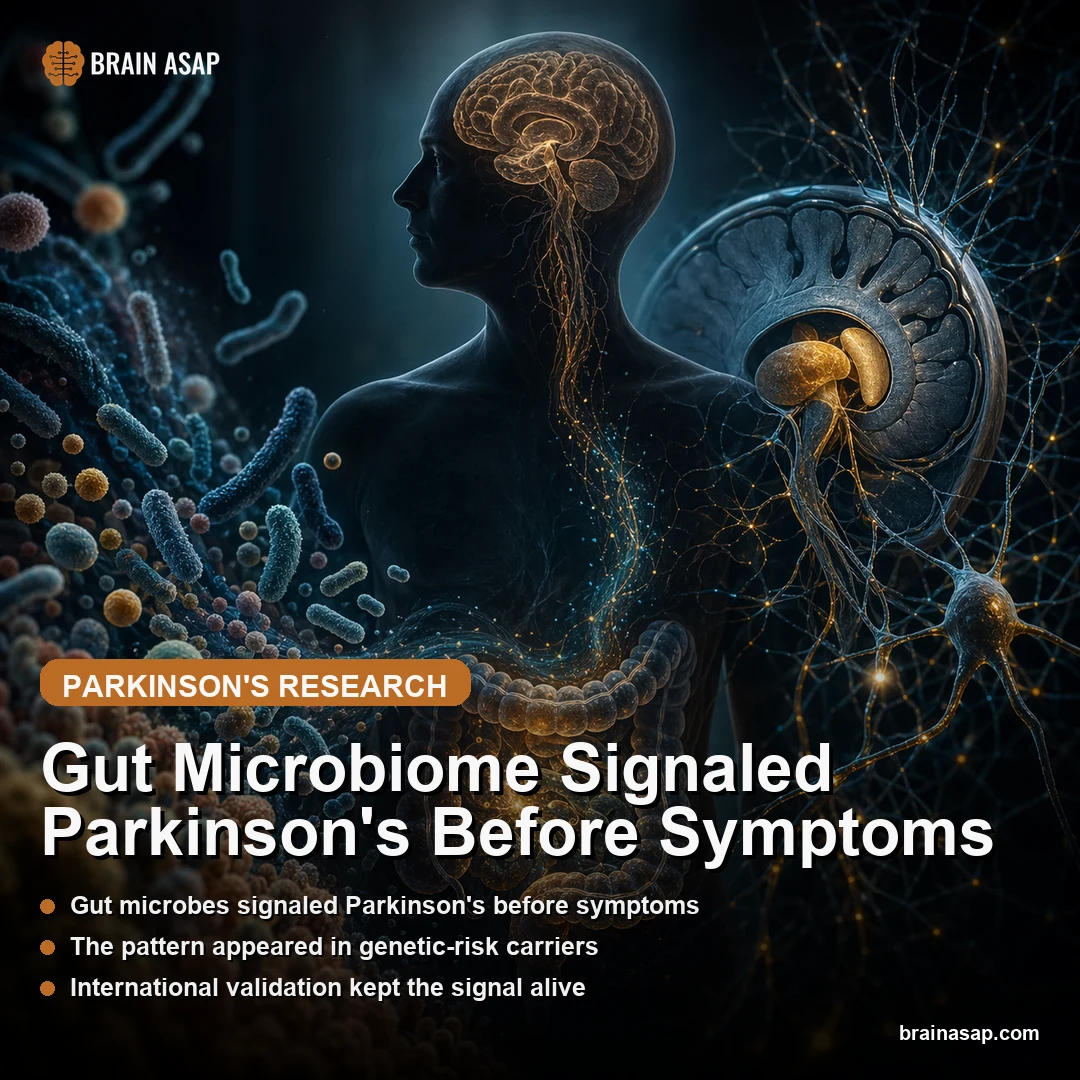
Gut Microbiome Signal Appeared Before Parkinson’s Symptoms in GBA1 Carriers TL;DR: In people carrying a genetic risk factor for Parkinson’s but not yet symptomatic, about 25% of their gut microbiome signature already looked intermediate between healthy control…
Read article ↗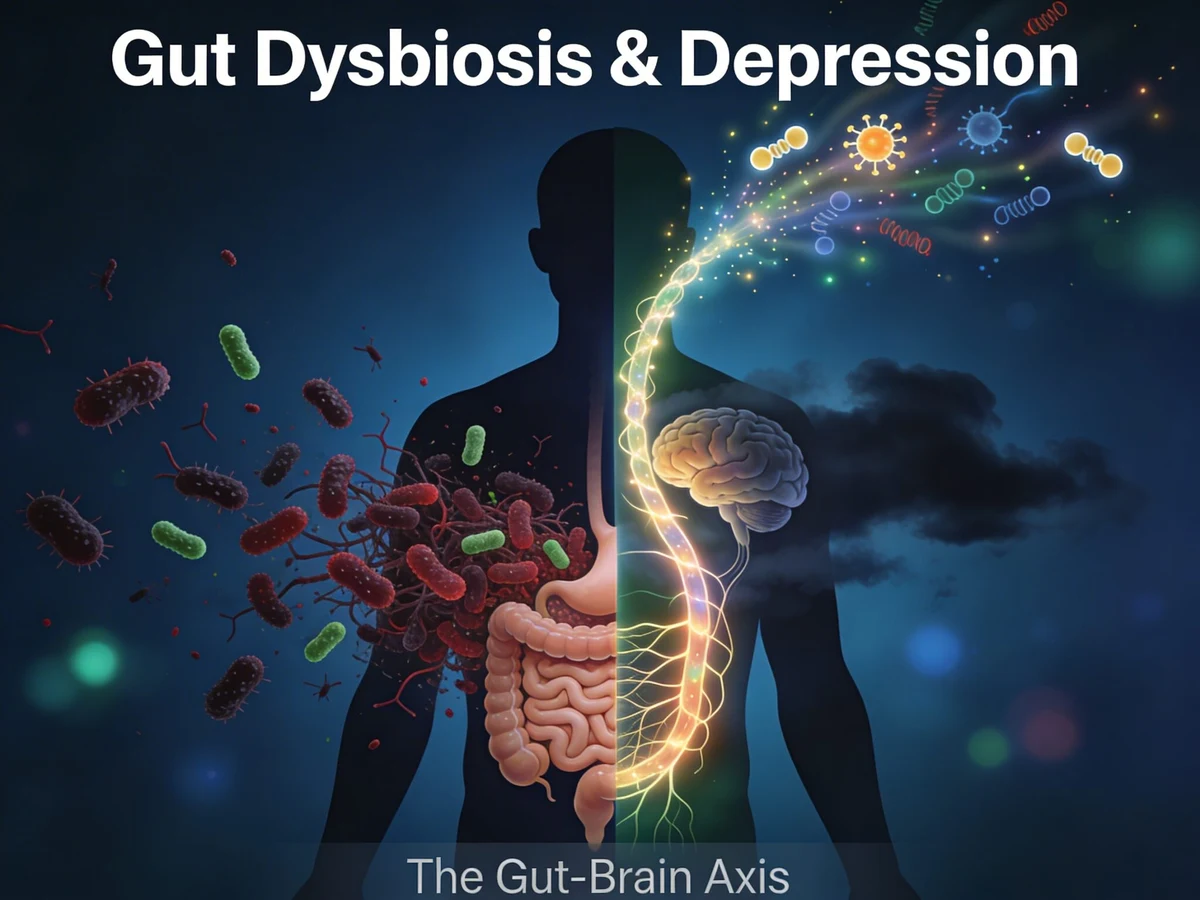
Dysbiotic Gut Microbiota Depletes Amino Acids and Triggers Depression in Youth Depression in children and adolescents affects 4–5% of youth worldwide, with rates climbing steeply over the past decade. Conventional treatment targets serotonin—but new evidence r…
Read article ↗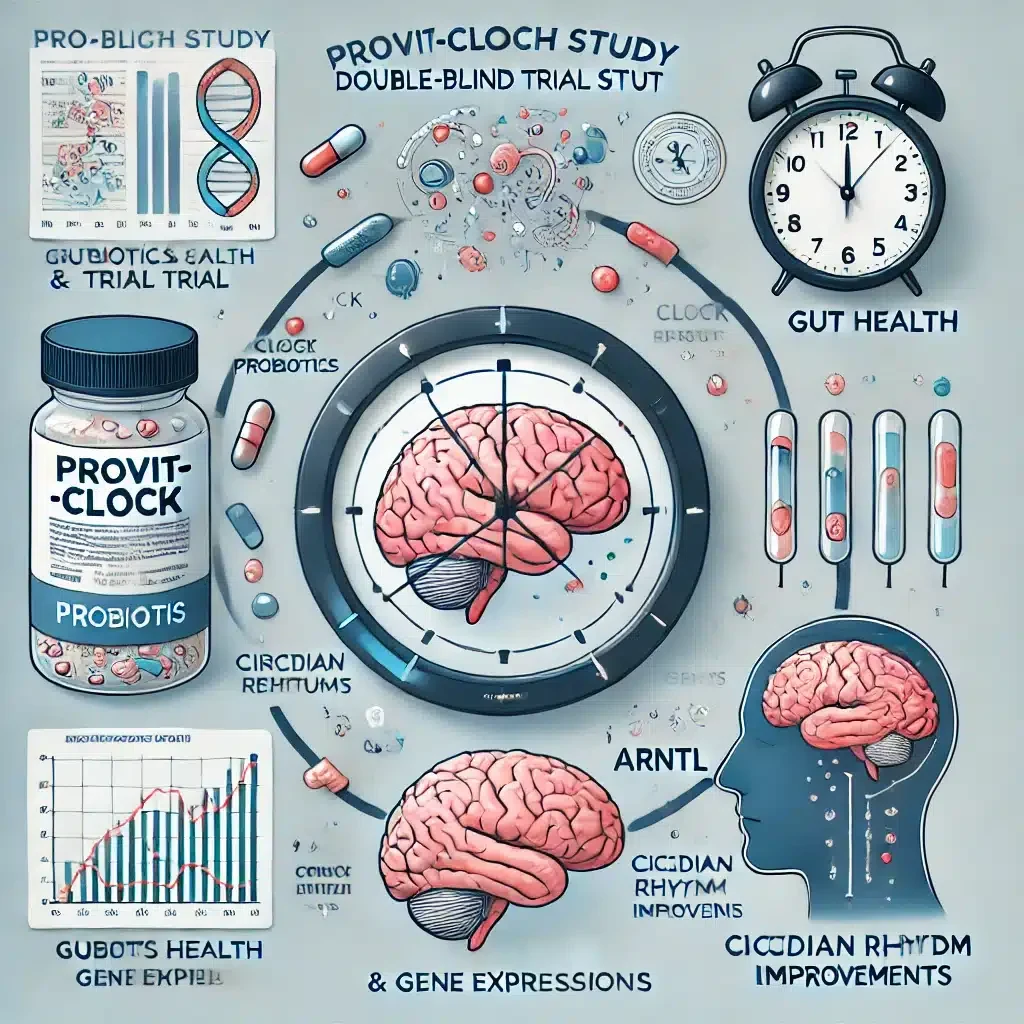
Probiotic treatment may influence core clock gene expression and metabolites in individuals with major depressive disorder (MDD), potentially linking gut microbiota to circadian rhythms and mood regulation. Highlights: CLOCK Gene Expression: The expression lev…
Read article ↗
Probiotics and prebiotics show potential benefits in improving symptoms and quality of life in children with ADHD, but more extensive studies are needed to confirm these effects. Highlights: Positive Impact on Functioning: Lactobacillus rhamnosus GG (LGG) supp…
Read article ↗