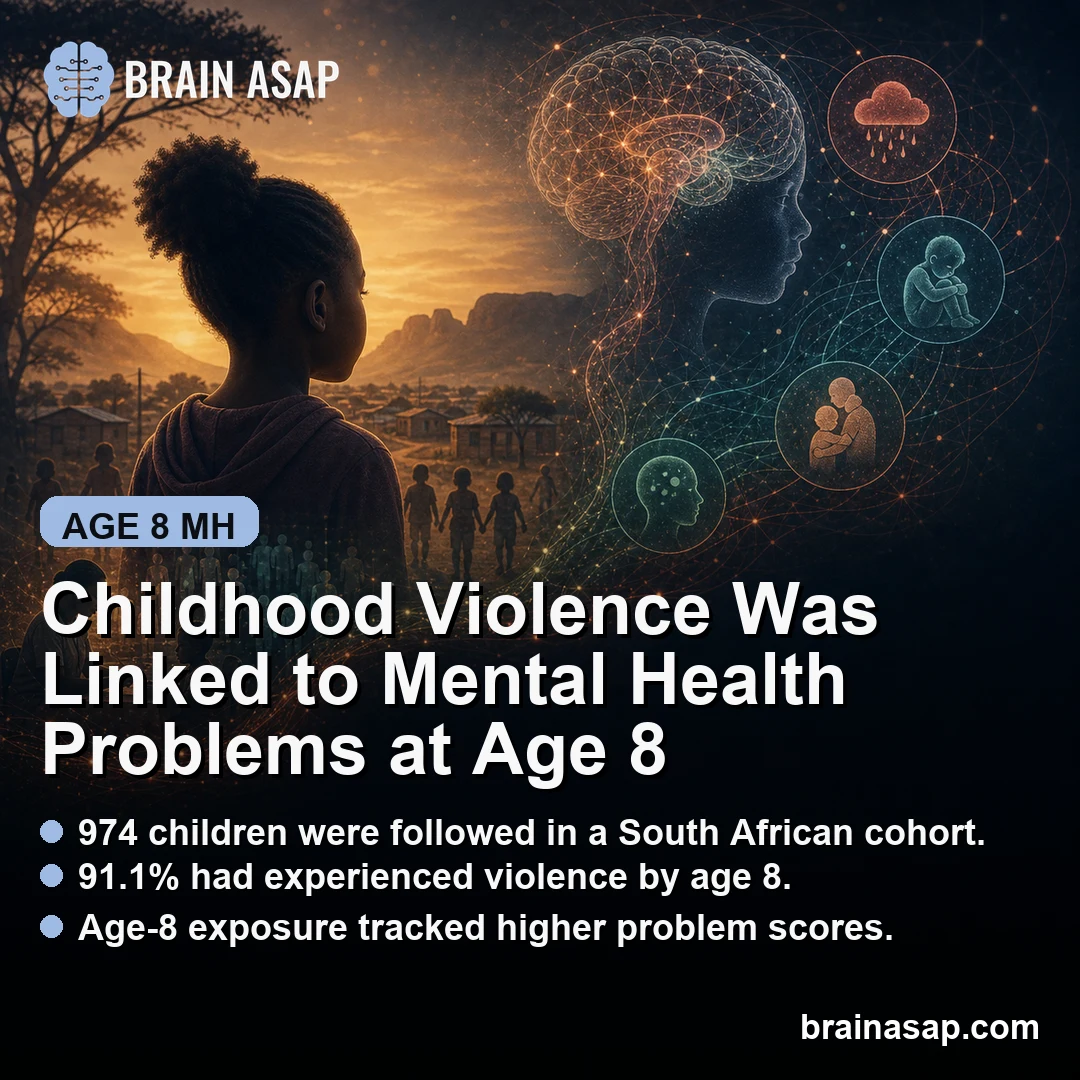
TL;DR: A 2026 preprint birth-cohort study in medRxiv found that 91.1% of children had experienced violence by age 8, while age-8 violence exposure was associated with higher internalizing, externalizing, total problem scores, and disorder odds. Key Findings Ev…
Read article ↗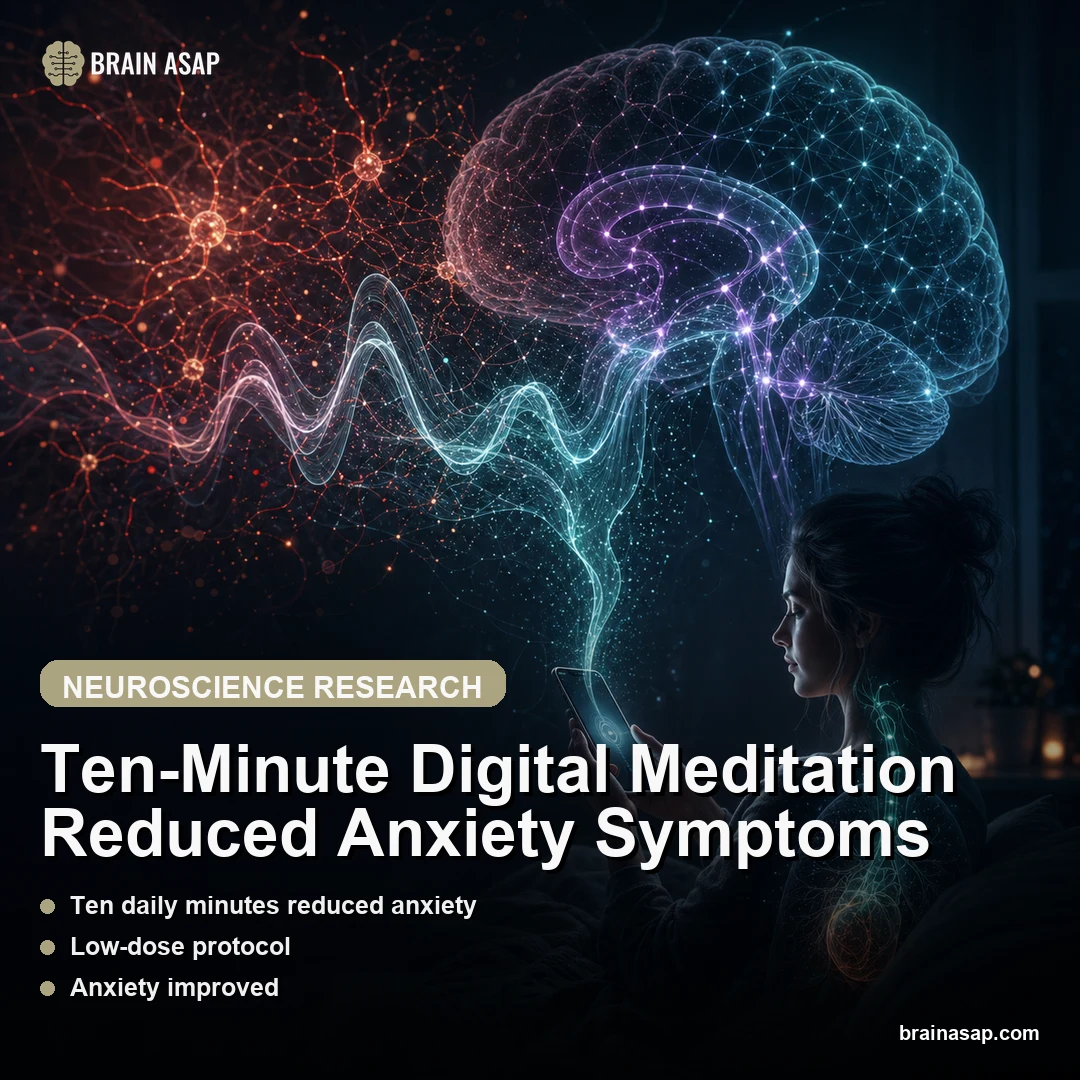
TL;DR: A 2026 randomized-trial preprint in medRxiv reported that 10 minutes of daily digital meditation reduced anxiety and mind wandering, with the largest gains in people who started with higher symptom burden. Key Findings Ten daily minutes reduced anxiety:…
Read article ↗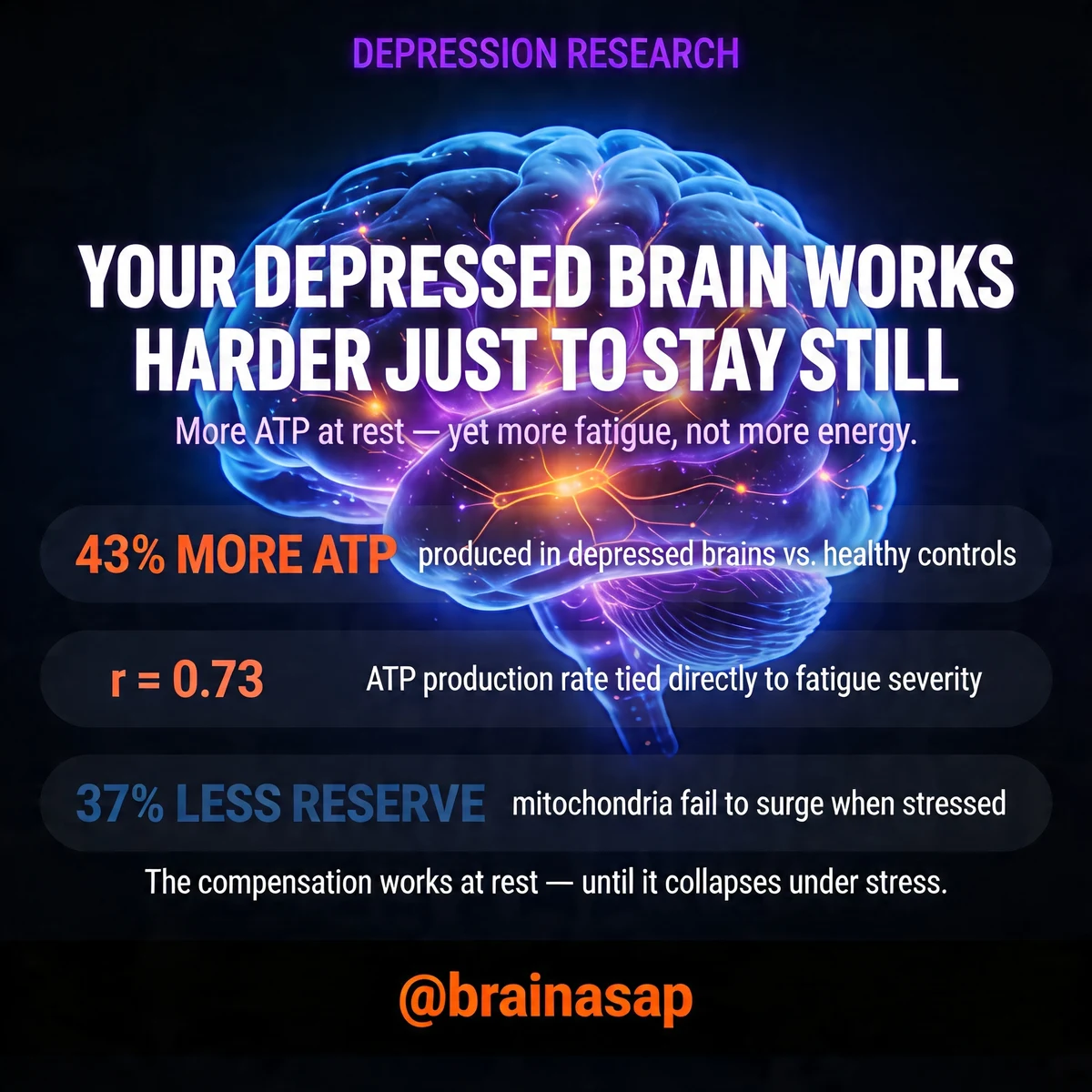
The Energy Paradox: Why Depressed Brains Burn Faster TL;DR: Young adults with depression produce ATP—the cell’s energy currency—at faster rates in both brain and blood, yet still feel more fatigued. New research reveals this is a compensatory mechanism that wo…
Read article ↗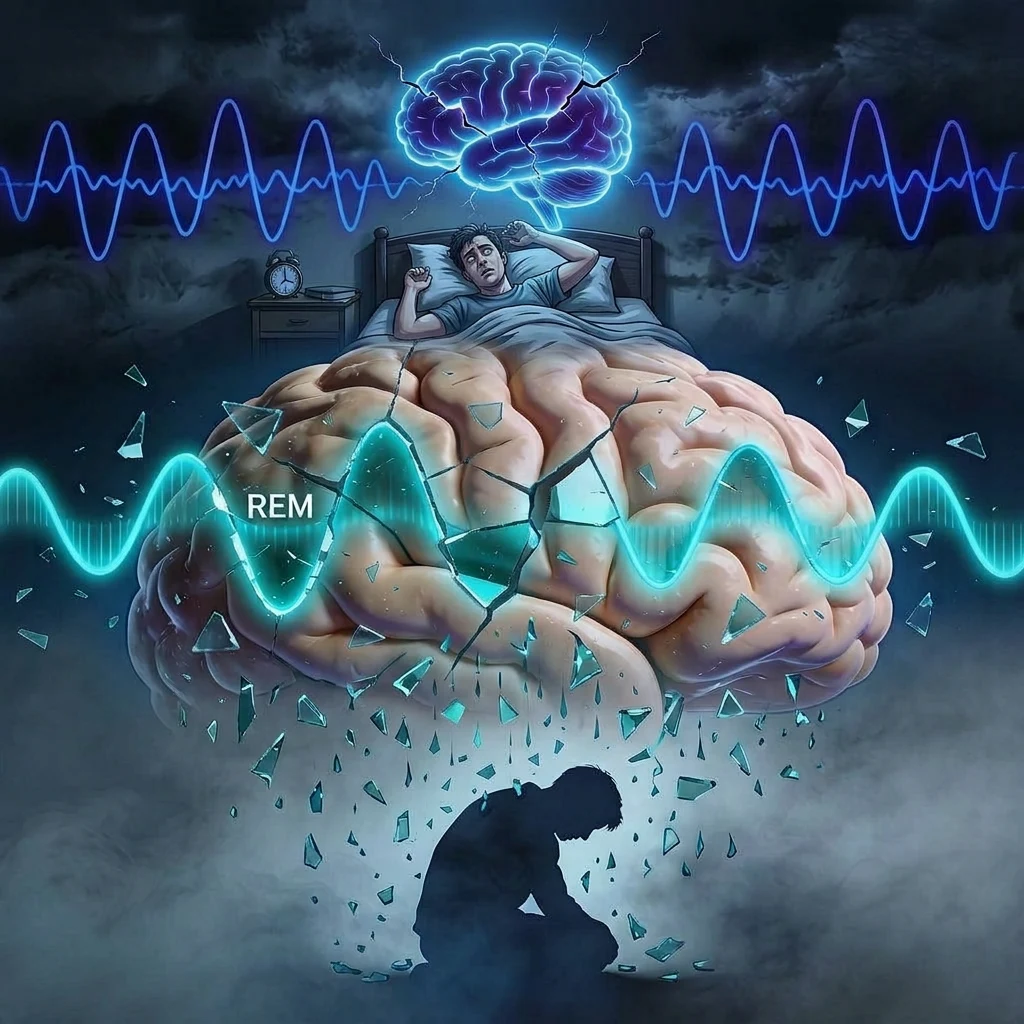
The Brain That Won’t Shut Down: How Fragmented REM Sleep Breeds Depression TL;DR: Chronic insomnia fragments REM sleep through persistent hyperarousal, preventing emotional memory consolidation and creating a vicious cycle that breeds depression—but cognitive-…
Read article ↗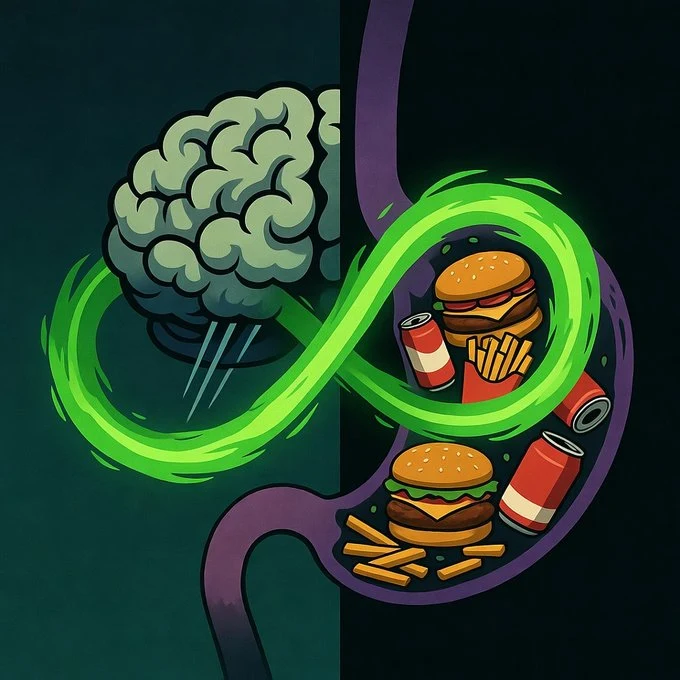
Obesity and Depression Share Five Converging Biological Pathways Obesity and depression represent two of the world’s fastest-growing epidemics. By 2030, over 1 billion people will have obesity, while depression will affect more than 350 million. Yet they are r…
Read article ↗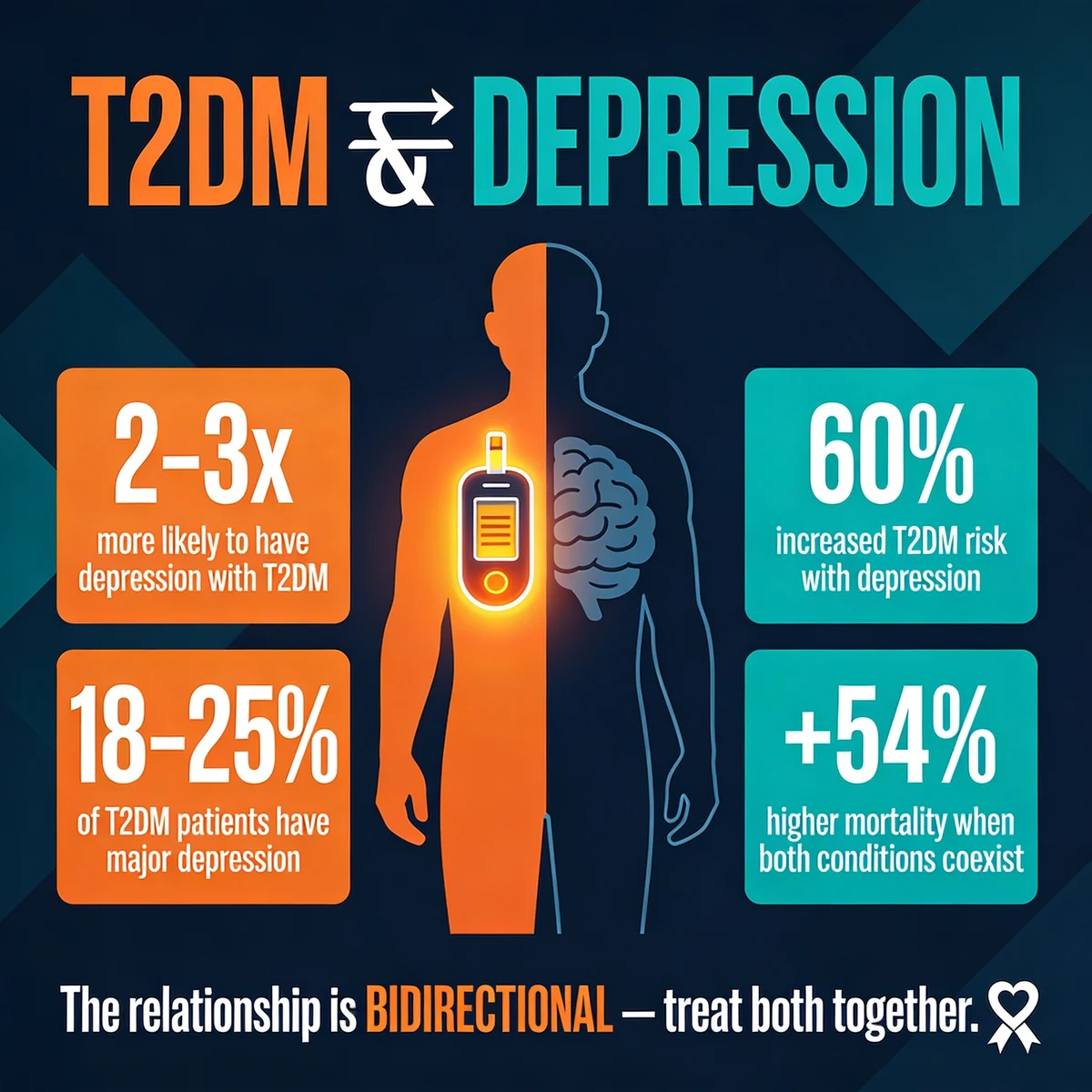
Diabetes and Depression Are Not Just Comorbidities—They Drive Each Other TL;DR: Diabetes and depression form a vicious cycle: high blood sugar triggers neuroinflammation and HPA axis dysfunction that cause depression, while depression sabotages blood sugar con…
Read article ↗
Different psychiatric conditions exhibit varied sleep problems, with insomnia and fatigue being the most common issues. Highlights: Worst Sleep Profiles: Traits related to affect disorders, generalized anxiety, and ADHD show the worst sleep problems, including…
Read article ↗
Some patients exhibit extreme altruism to the point of self-harm, posing unique challenges for therapists in balancing support and intervention. Highlights: Altruism & Self-Harm: Therapists often encounter patients who display extreme altruism, sometimes to th…
Read article ↗
TLDR: LSD does not provide psychological resilience during stressful experiences such as job loss – and may increase psychological distress. Highlights: The study analyzed data from 5,067,553 unemployed individuals seeking jobs. LSD users who had used the drug…
Read article ↗
TLDR: A study in the UK found that severe COVID anxiety tends to decrease over 6 months from onset, both organically and with the help of CBT for Health Anxiety (CBT-HA), though many individuals still experience significant anxiety and poor social functioning,…
Read article ↗