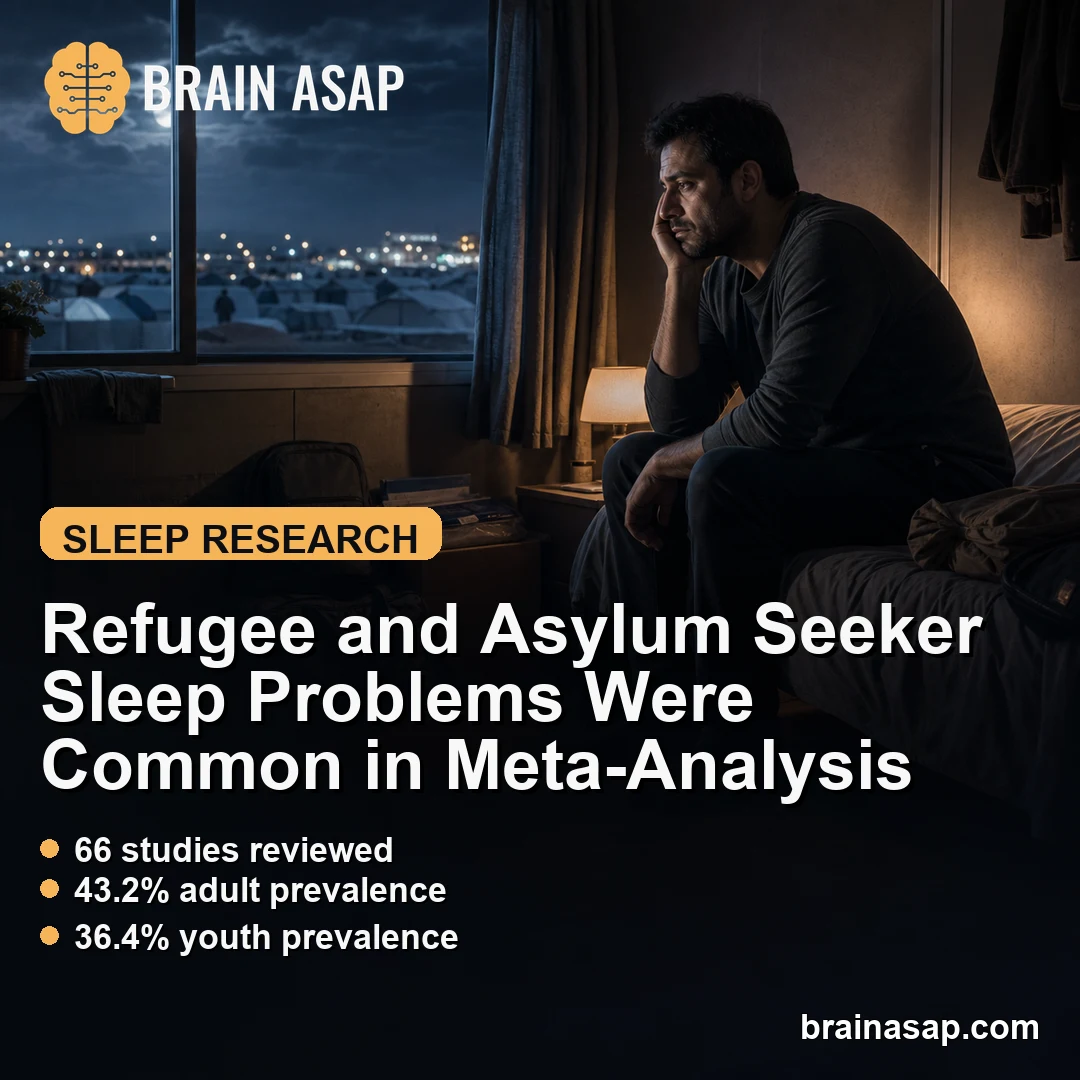
TL;DR: A 2026 meta-analysis in PLOS One found clinically important sleep problems in refugee and asylum-seeking populations, with pooled sleep-adversity prevalence of 43.2% in adults and 36.4% in children and adolescents. Key Findings 66 studies reviewed: The…
Read article ↗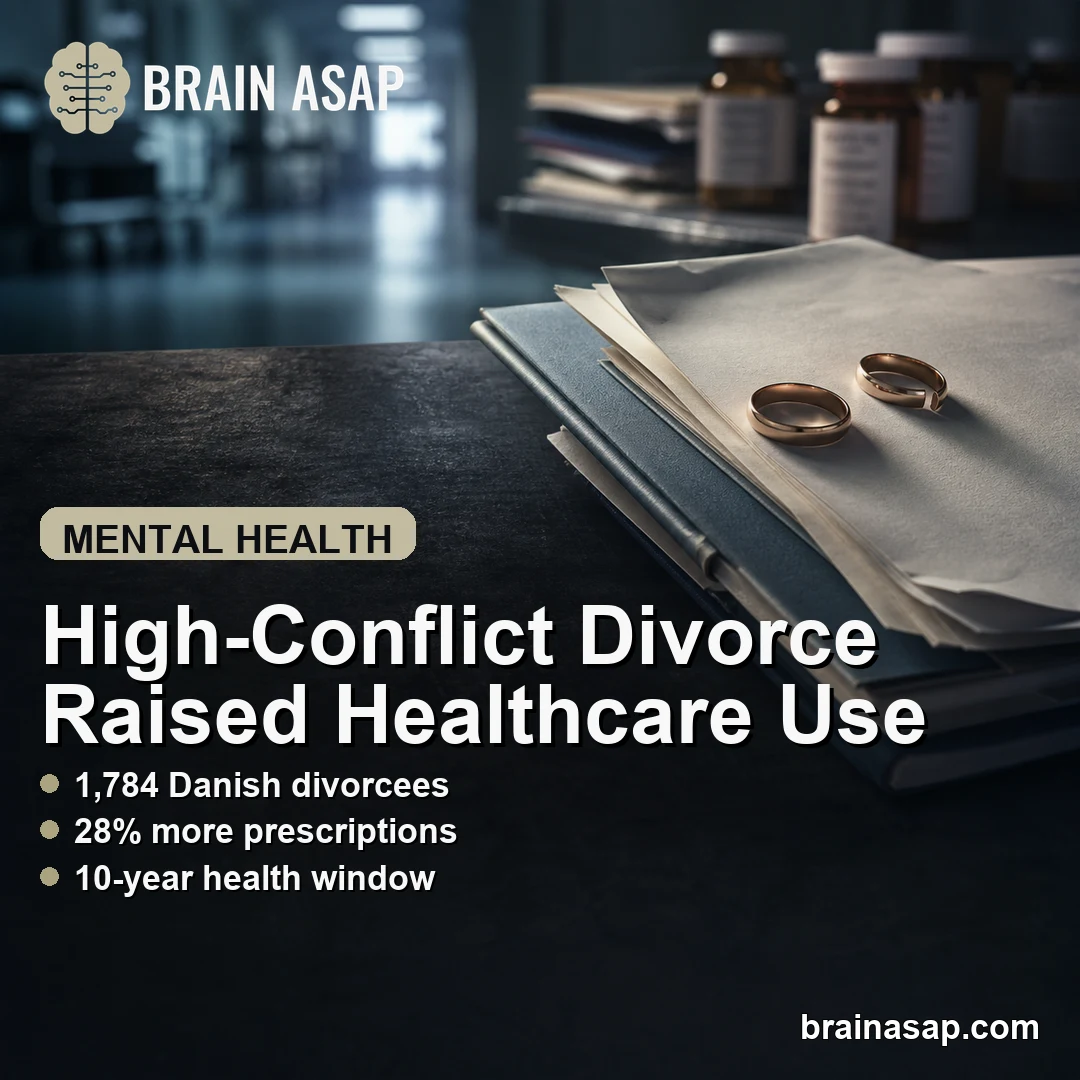
TL;DR: A 2026 Danish register study in British Journal of Health Psychology found that higher divorce conflict was linked to more prescriptions, more primary care visits, and higher hospitalisation odds across the years around legal divorce. Key Findings 1,784…
Read article ↗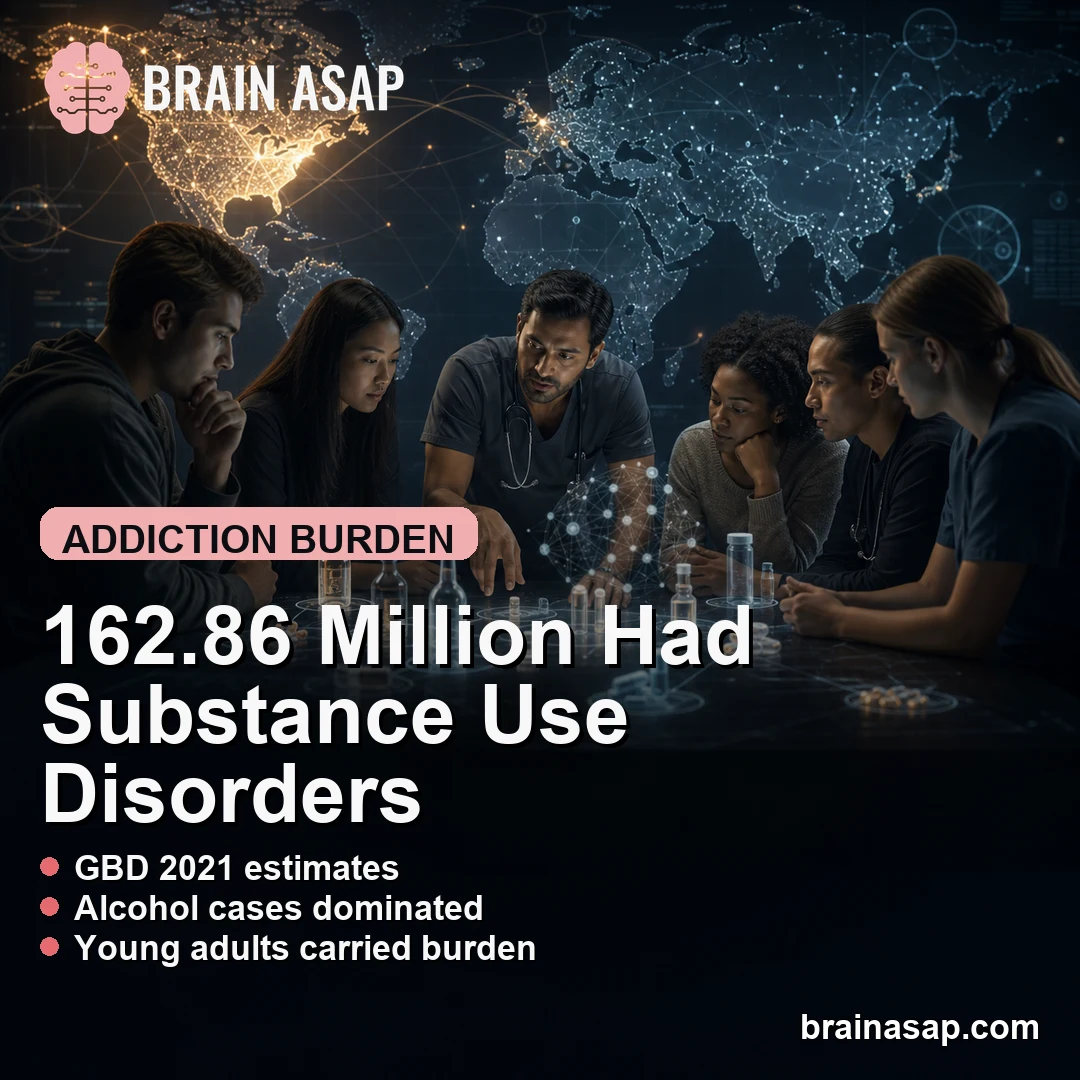
TL;DR: A 2026 Journal of Global Health analysis of Global Burden of Disease 2021 data estimated that 162.86 million people had substance use disorders in 2021, with age-standardized rates down since 1990 but major inequality across sex, age, region, and develo…
Read article ↗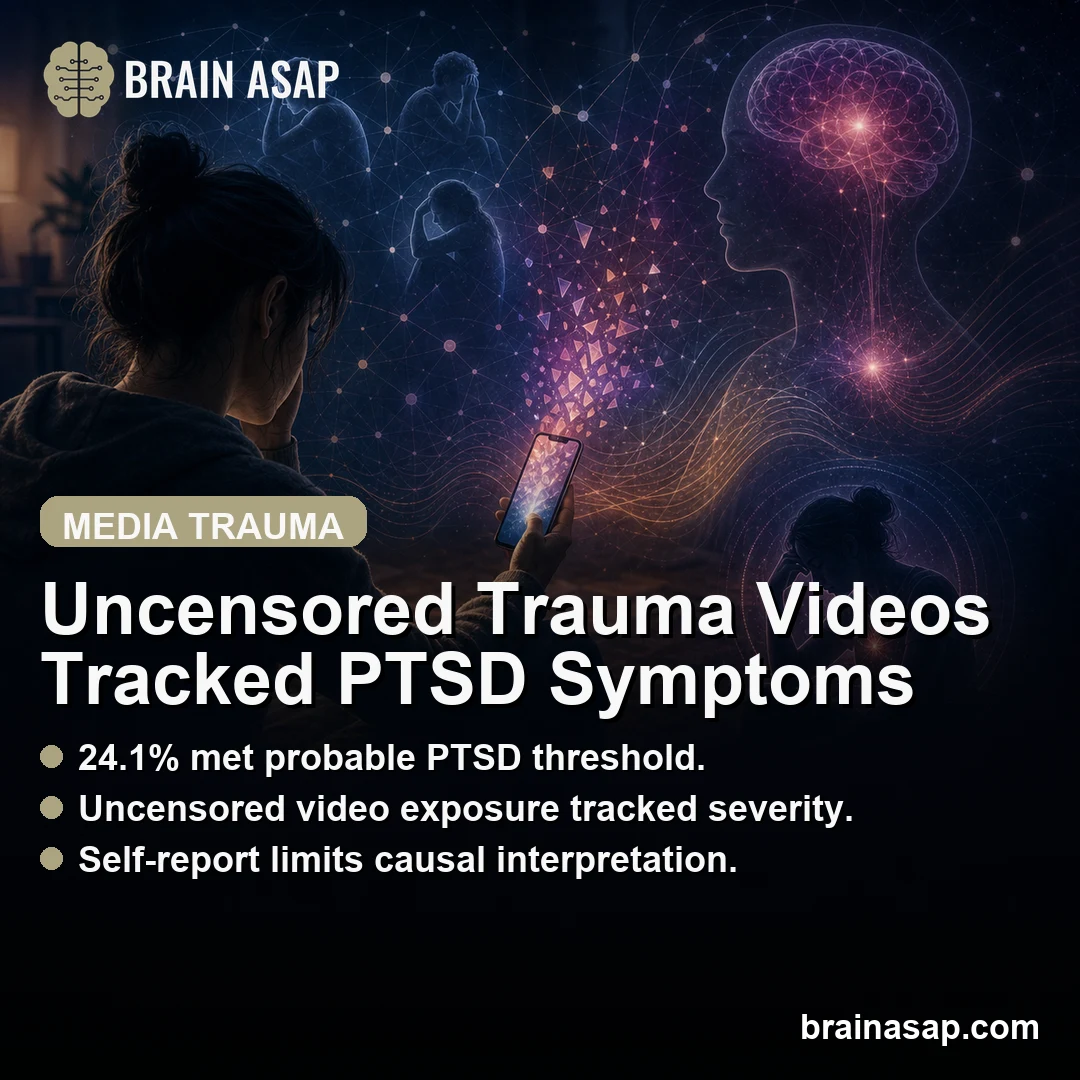
TL;DR: A 2026 preprint cohort analysis in medRxiv found that about 24.1% of the sample met the PCL-5 threshold for probable post-traumatic stress disorder, or PTSD, while frequent uncensored video exposure was associated with higher PTSD symptom severity after…
Read article ↗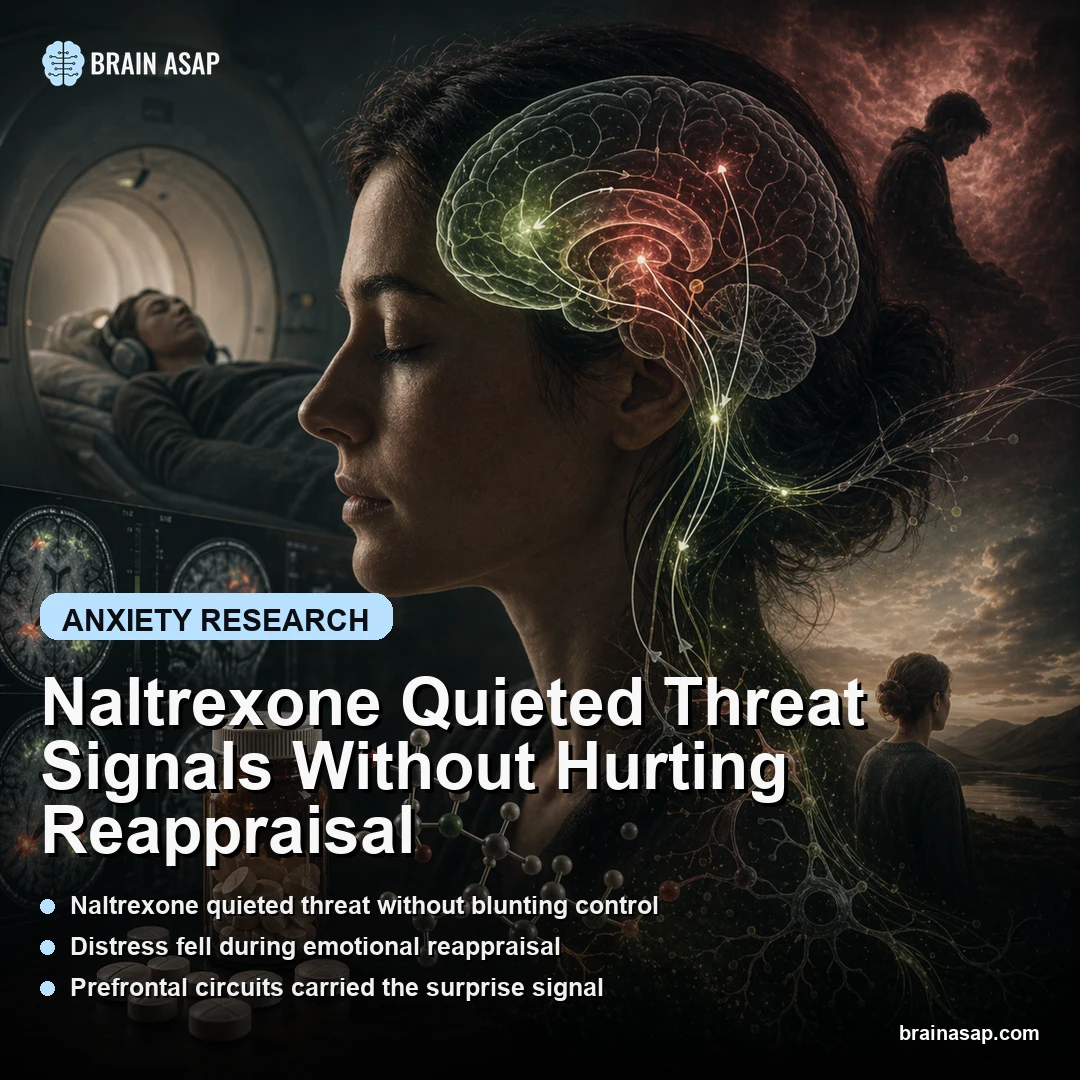
TL;DR: A 2026 study in The British Journal of Psychiatry found that a single 50 mg dose of naltrexone reduced distress and shifted threat-related brain activity without blocking people’s ability to reappraise negative images. Key Findings 38 healthy volunteers…
Read article ↗
TL;DR: A 2026 Critical Care Explorations paper described a 17-year-old girl whose intentional lisdexamfetamine overdose was followed by delayed severe heart failure, with left ventricular ejection fraction falling below 20% before recovery over months. Key Fin…
Read article ↗
TL;DR: A 2026 study protocol in Trials describes COSTS, a randomized trial that will compare cognitive behavioral therapy for insomnia (CBT-I) with standard cognitive behavioral therapy (CBT) in 60 people with treatment-resistant schizophrenia and persistent s…
Read article ↗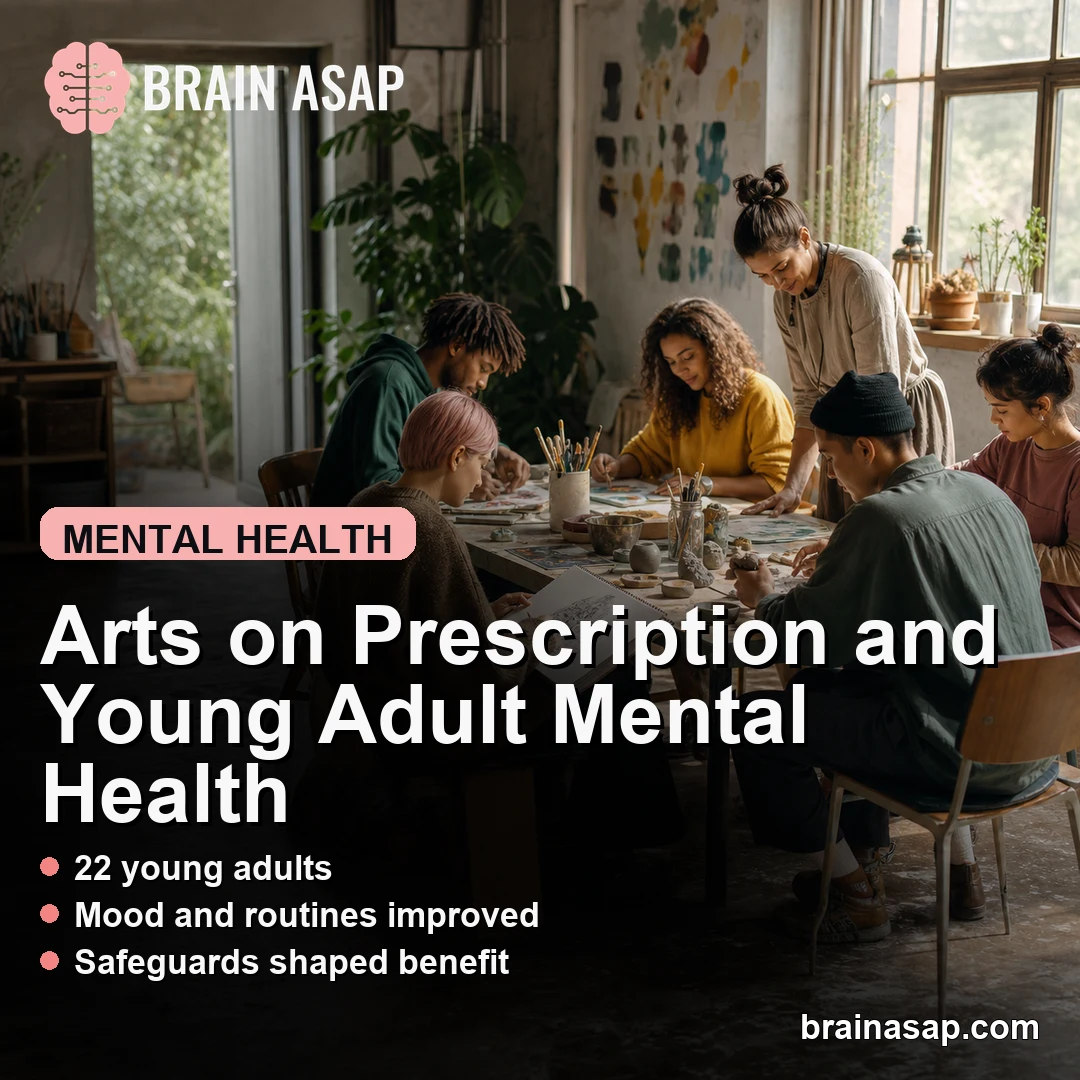
TL;DR: A 2026 qualitative study in iScience found that a 10-week Arts on Prescription program helped unemployed young adults with anxiety, depression, or stress report better mood, stronger routines, and less isolation, but some activities also caused stress,…
Read article ↗
TL;DR: A 2026 study in Journal of Korean Medical Science found that resistance exercise was more consistently associated with lower depression and anxiety scores than aerobic exercise in Korean adults, but the cross-sectional design means the study cannot prov…
Read article ↗
TL;DR: A 2026 study in Computers in Human Behavior grouped 1,316 U.S. adults by when they first saw sexually explicit media and when regular viewing began; the highest distress appeared in people who moved into regular viewing early, while late regular engagem…
Read article ↗