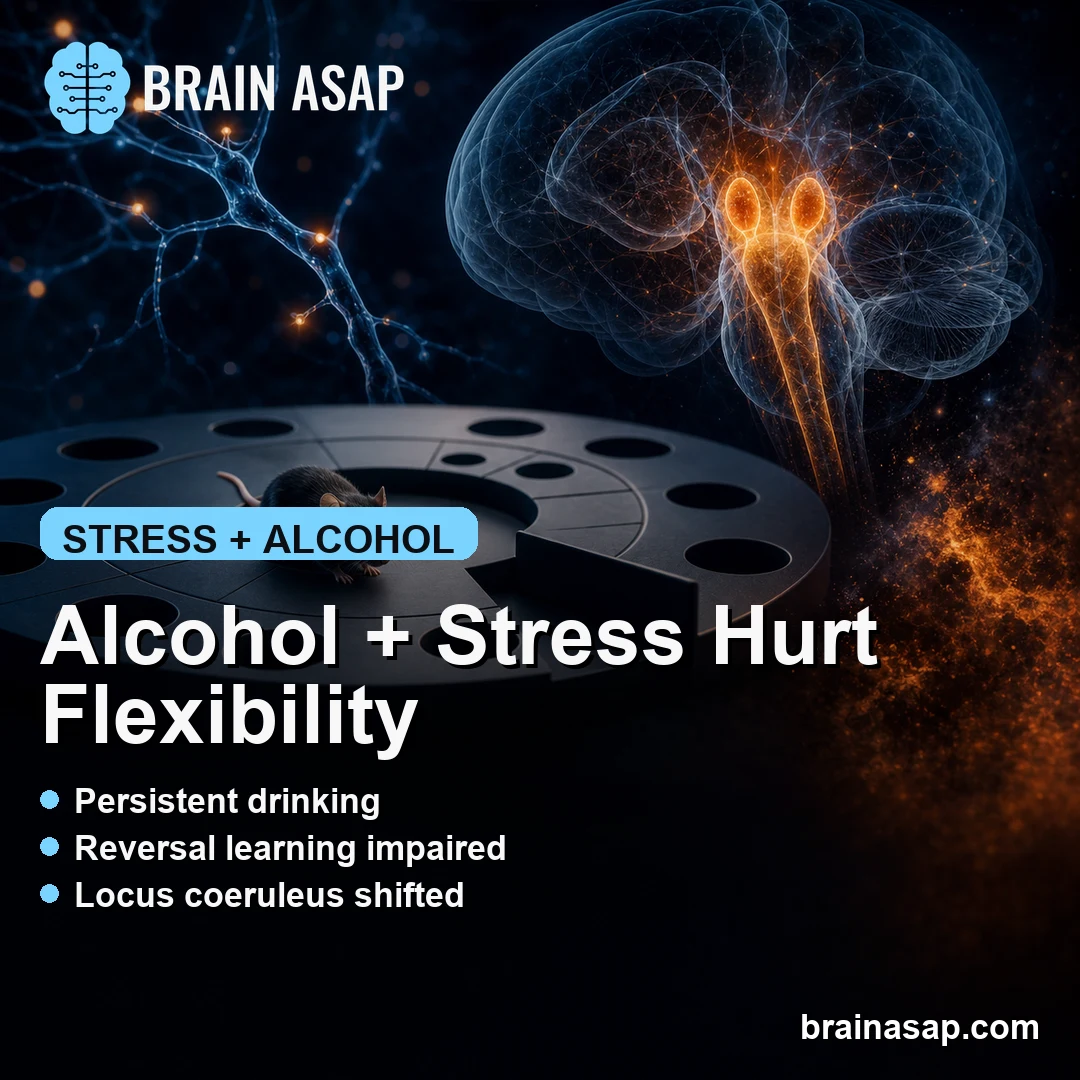
TL;DR: A 2026 mouse study in Alcohol: Clinical and Experimental Research found that chronic intermittent ethanol plus repeated forced-swim stress left mice drinking more alcohol months later and impaired reversal learning in midlife, alongside locus coeruleus…
Read article ↗
TL;DR: A 2026 preprint in medRxiv found that head-impact-related magnetoencephalography (MEG) changes in high-school football players were strongest in cortical regions matching specific neurotransmitter and gene-expression maps, especially norepinephrine, nic…
Read article ↗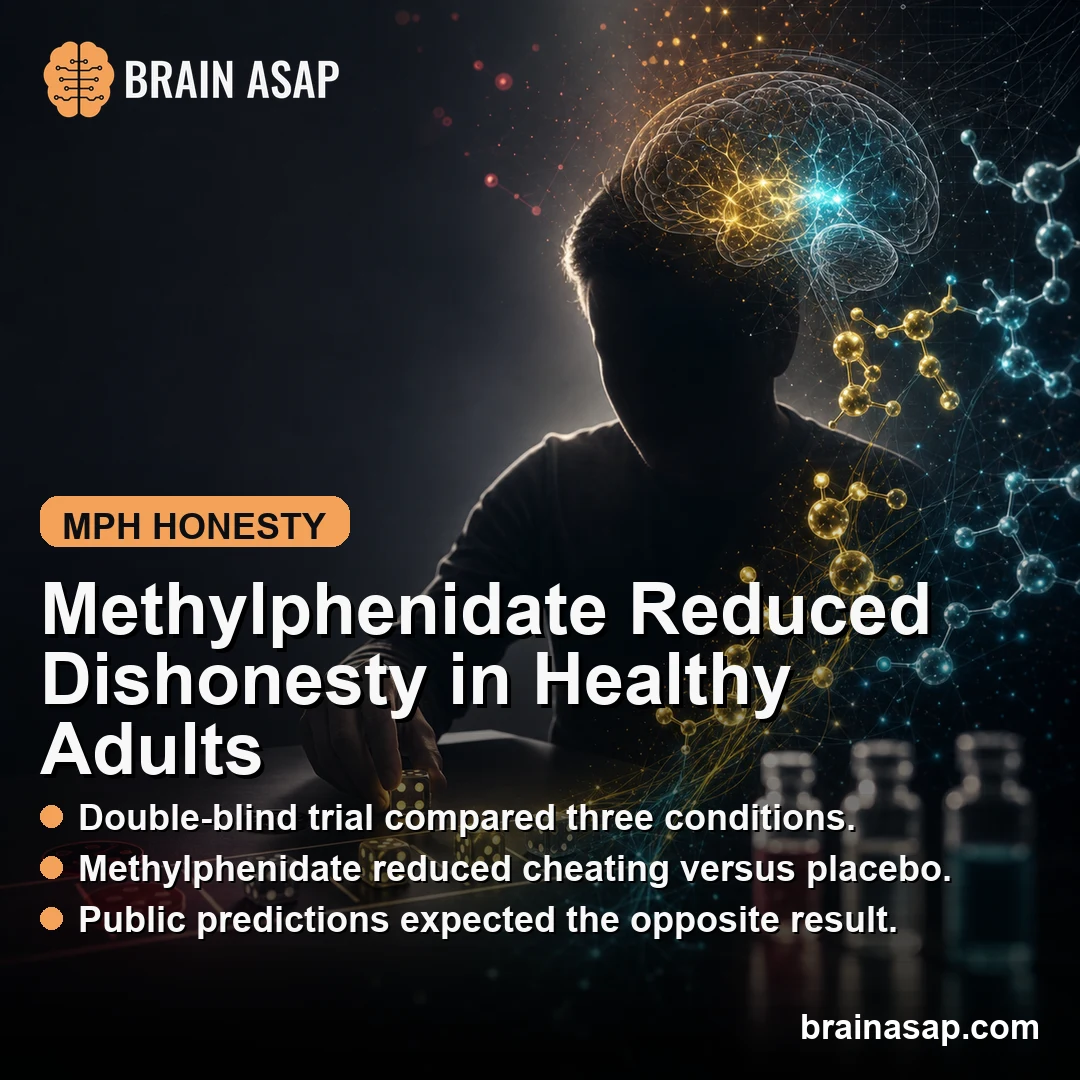
TL;DR: A 2026 double-blind trial in Psychopharmacology found that methylphenidate reduced cheating in healthy adults compared with placebo, contrary to survey respondents’ expectations about smart drugs. Key Findings Methylphenidate reduced dishonesty vs place…
Read article ↗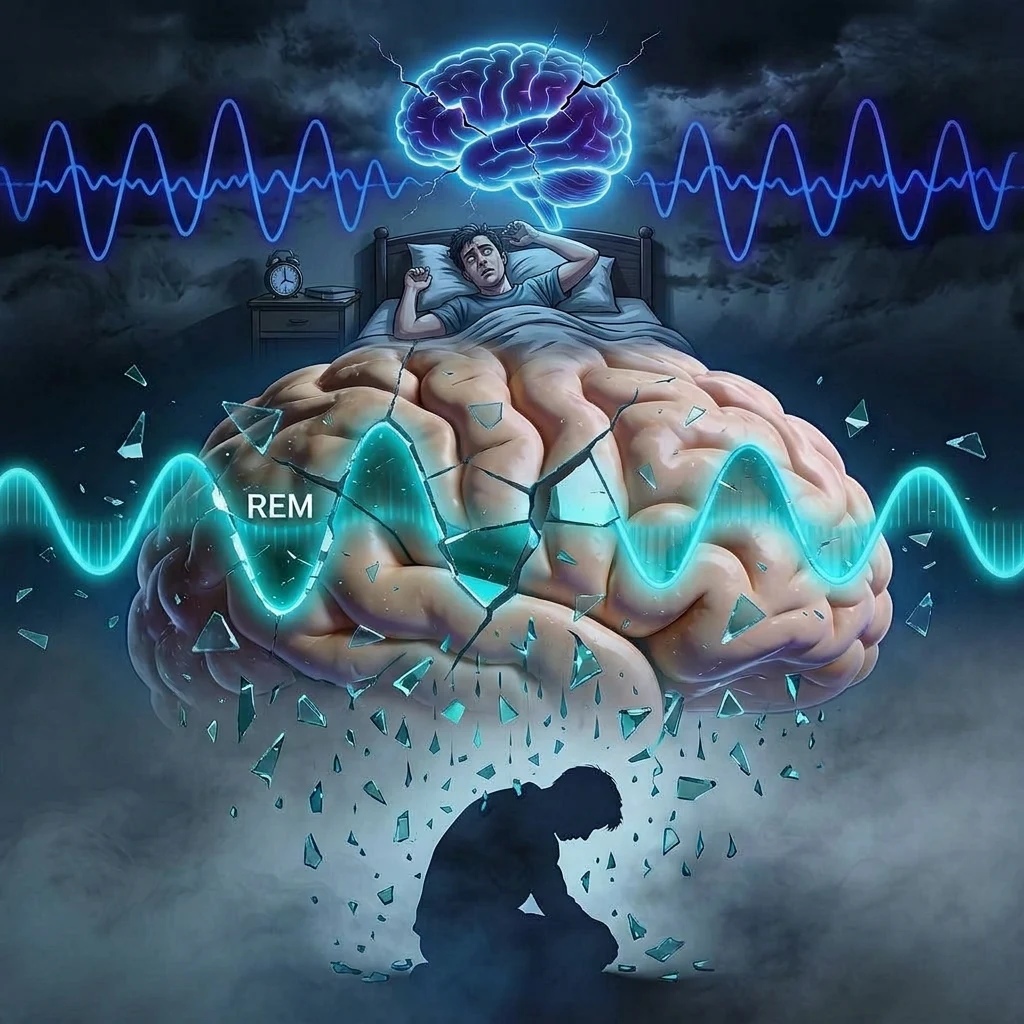
The Brain That Won’t Shut Down: How Fragmented REM Sleep Breeds Depression TL;DR: Chronic insomnia fragments REM sleep through persistent hyperarousal, preventing emotional memory consolidation and creating a vicious cycle that breeds depression—but cognitive-…
Read article ↗
Current antidepressants can take weeks to improve symptoms of depression. New research explores reasons for this delay and provides clues to develop more rapid-acting drugs. Key Facts: Most antidepressants increase brain serotonin and norepinephrine, but their…
Read article ↗
Synthetic cathinones like MDPV emerged as drugs of abuse in the early 2010s, gaining notoriety for their powerful stimulant effects and association with bizarre intoxication and death. Despite legislation banning MDPV and its analogs, these substances continue…
Read article ↗
Attention-deficit/hyperactivity disorder (ADHD), long thought of as a childhood condition, is increasingly recognized as a disorder that can persist into adulthood. Up to 60% of children with ADHD continue to experience symptoms as adults. Yet treatment option…
Read article ↗
Researchers have discovered that changes in a region deep in the brain called the brainstem may contribute to recurring major depressive disorder (MDD). Key findings include: Patients with first-episode and recurrent depression showed volume decreases in brain…
Read article ↗
Feeling lonely and socially isolated is associated with poorer health outcomes and increased risk of early mortality. Research in monkeys now reveals how loneliness impacts the immune system, providing clues into the mechanisms underlying the health risks of l…
Read article ↗