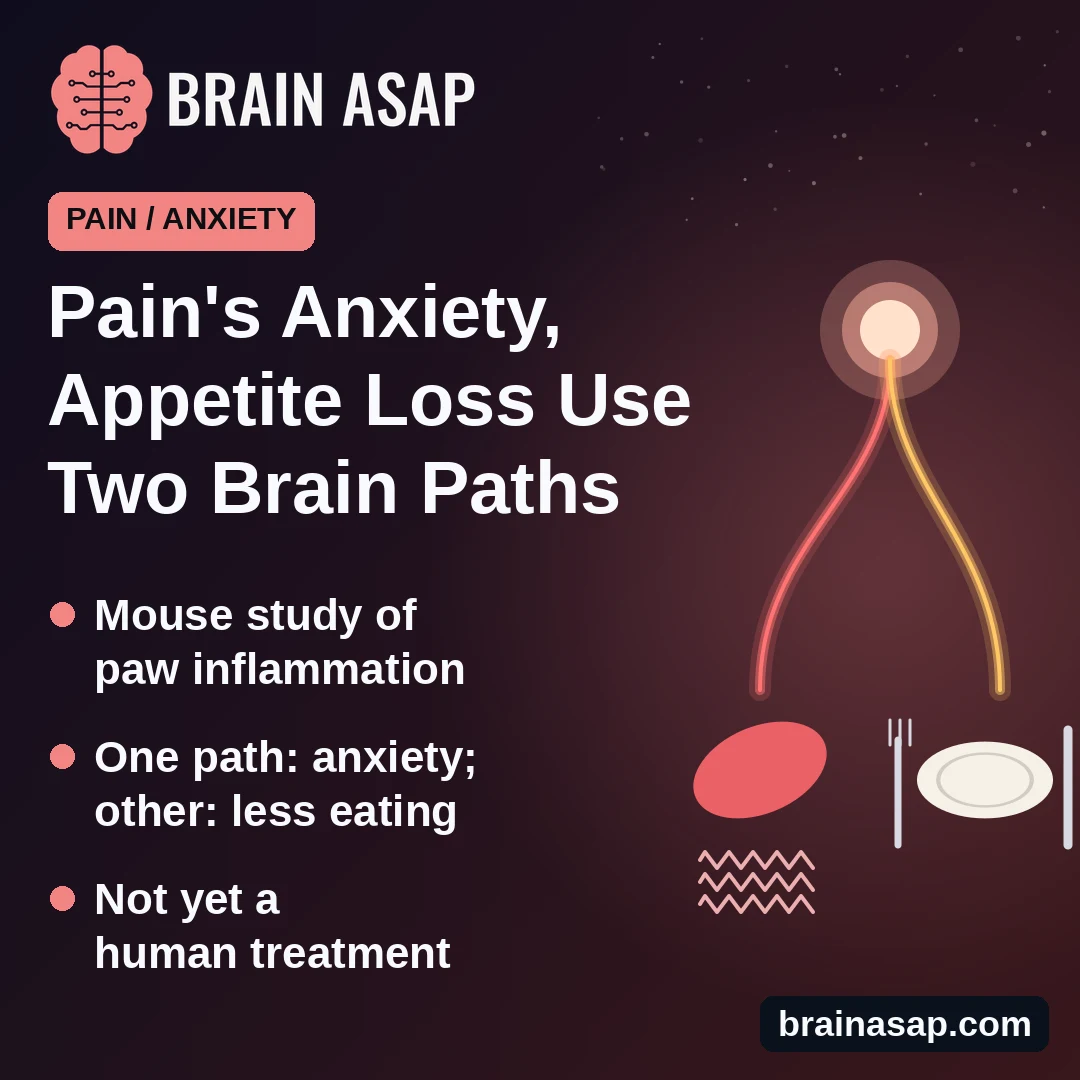
TL;DR: In mice with a painful, inflamed paw, two separate sets of neurons in a pain-and-emotion brain area seemed to drive different side effects. One set, wired to the amygdala, controlled anxiety-like behavior, while the other, wired to a reward hub, control…
Read article ↗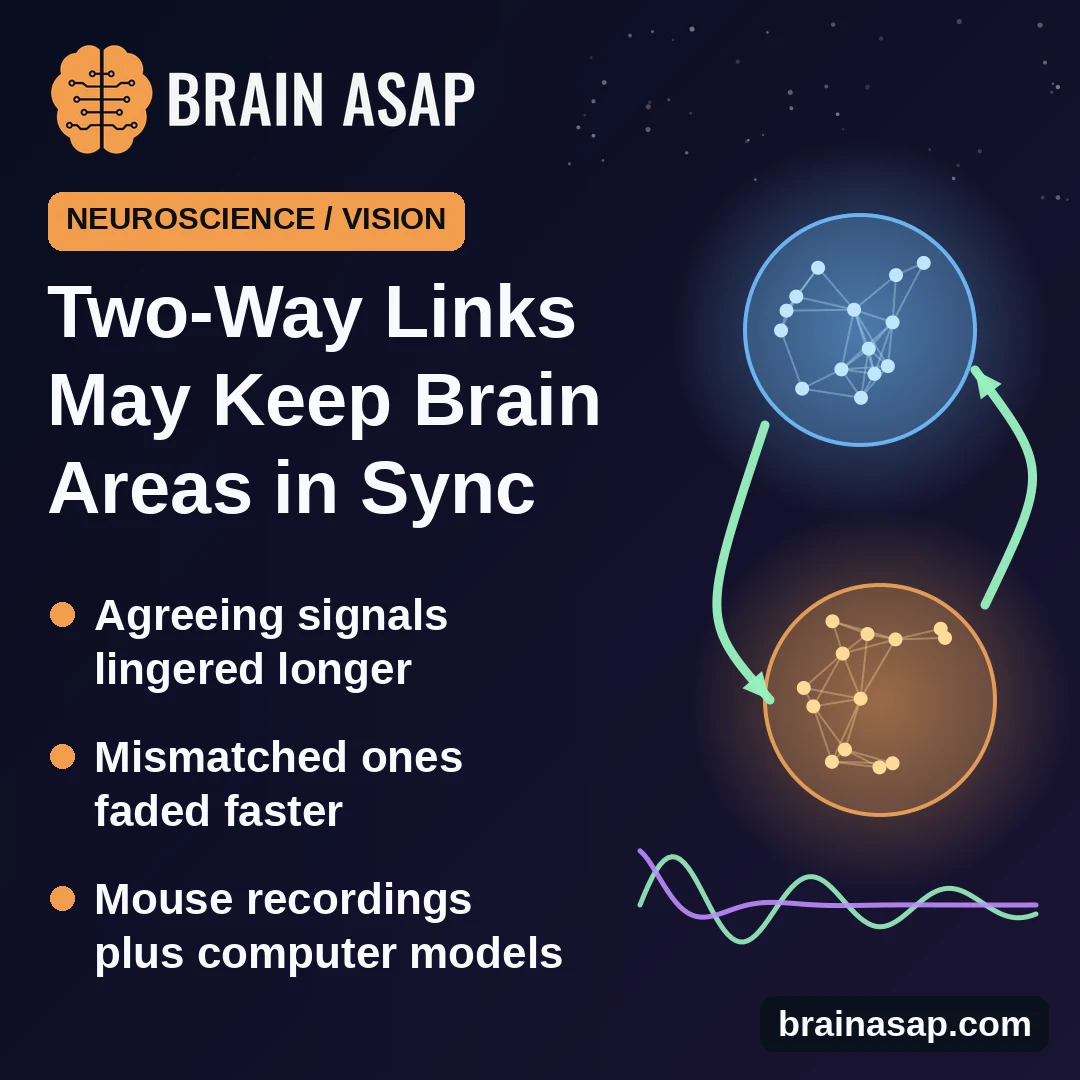
TL;DR: In mice, two visual areas of the brain kept signals they agreed on going longer and let mismatched signals fade faster. The two-way wiring between the areas appears to be what makes this happen. Key Findings Two areas recorded at once: 194 neurons in th…
Read article ↗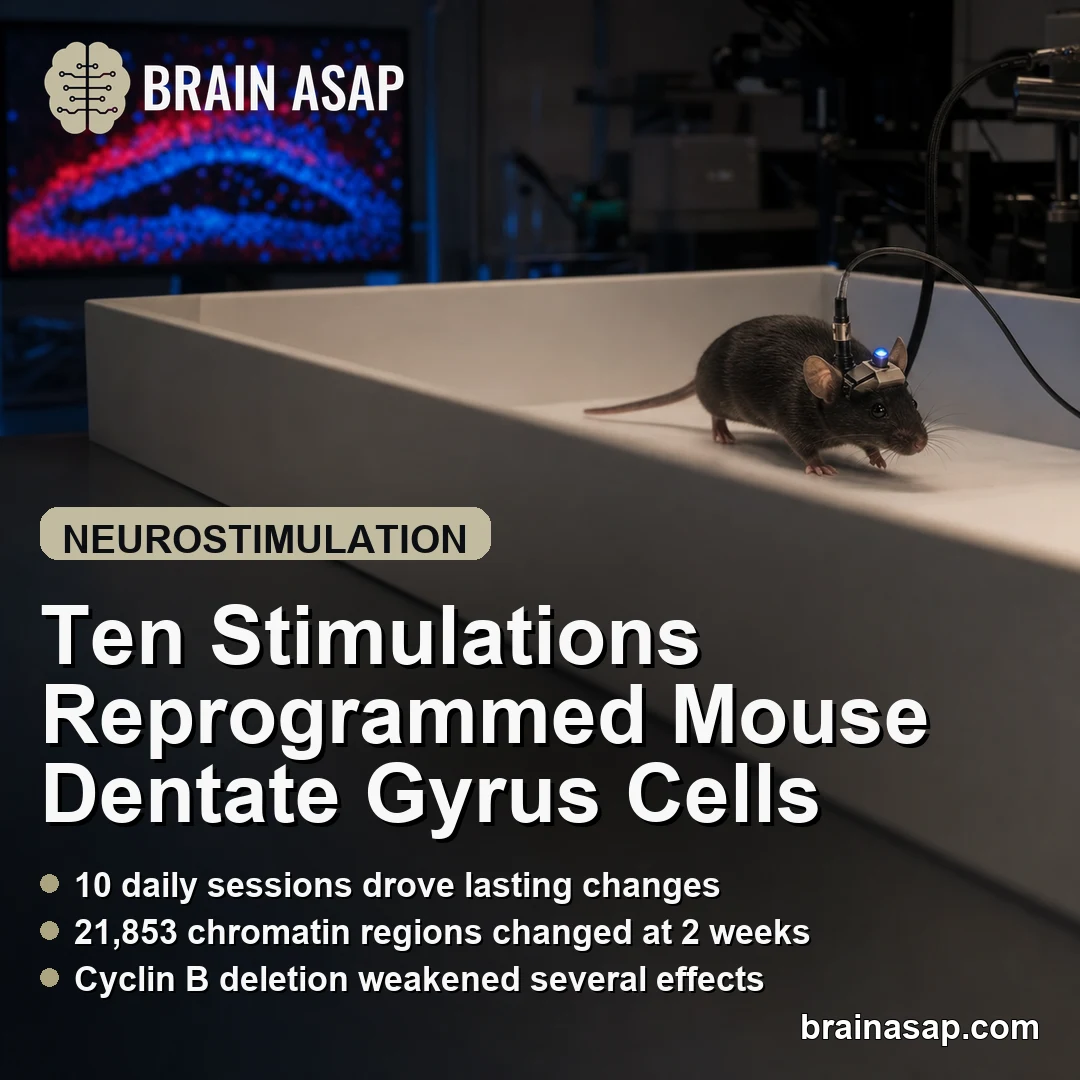
TL;DR: A 2026 mouse study in Nature Communications reported that 10 daily bouts of optogenetic dentate-gyrus stimulation produced weeks-long changes in chromatin, nuclear structure, behavior, and spatial coding, while Cyclin B deletion weakened several effects…
Read article ↗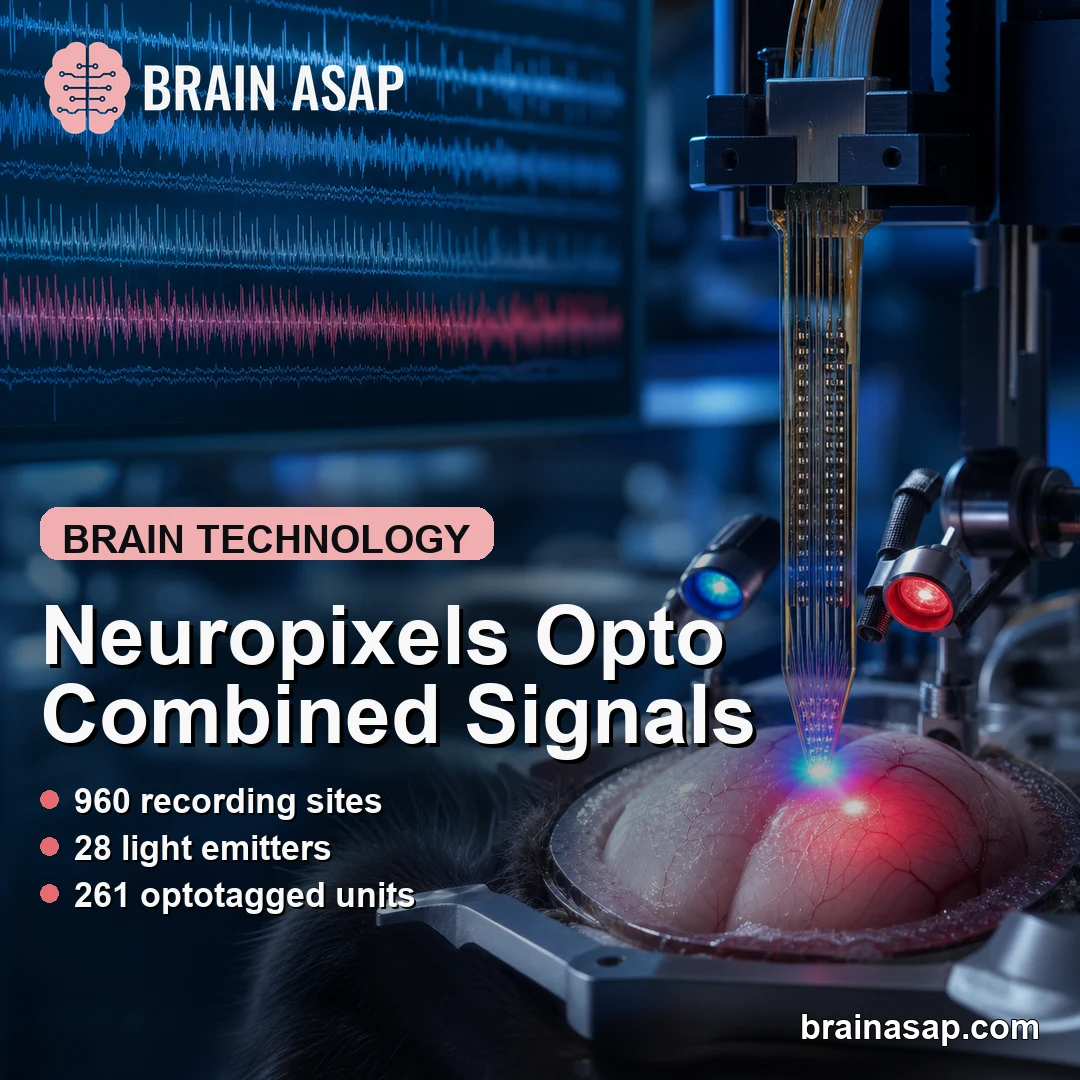
TL;DR: A 2026 methods paper in Nature Methods describes Neuropixels Opto probes that combine high-density neural recording with spatially addressable blue and red optogenetic stimulation in 1 mouse-brain device. Key Findings 960 recording sites: Each prototype…
Read article ↗
TL;DR: A 2026 study in Communications Biology found that restraint stress weakened medial prefrontal cortex (mPFC, a frontal brain region that helps organize social behavior) activity during social testing, while stress-activated amygdala and hypothalamic oxyt…
Read article ↗
Dopamine Disruption May Start Alzheimer’s Memory Failure TL;DR: In an Alzheimer’s mouse model, early memory failure tracked a broken dopamine signal into the lateral entorhinal cortex, and both optogenetic dopamine reactivation and L-DOPA partially restored le…
Read article ↗
Epilepsy impacts millions of people worldwide. While medications have been the mainstay of treatment, one-third of patients continue to have seizures despite available drugs. This highlights the need for innovative therapies. Recent years have seen exciting de…
Read article ↗