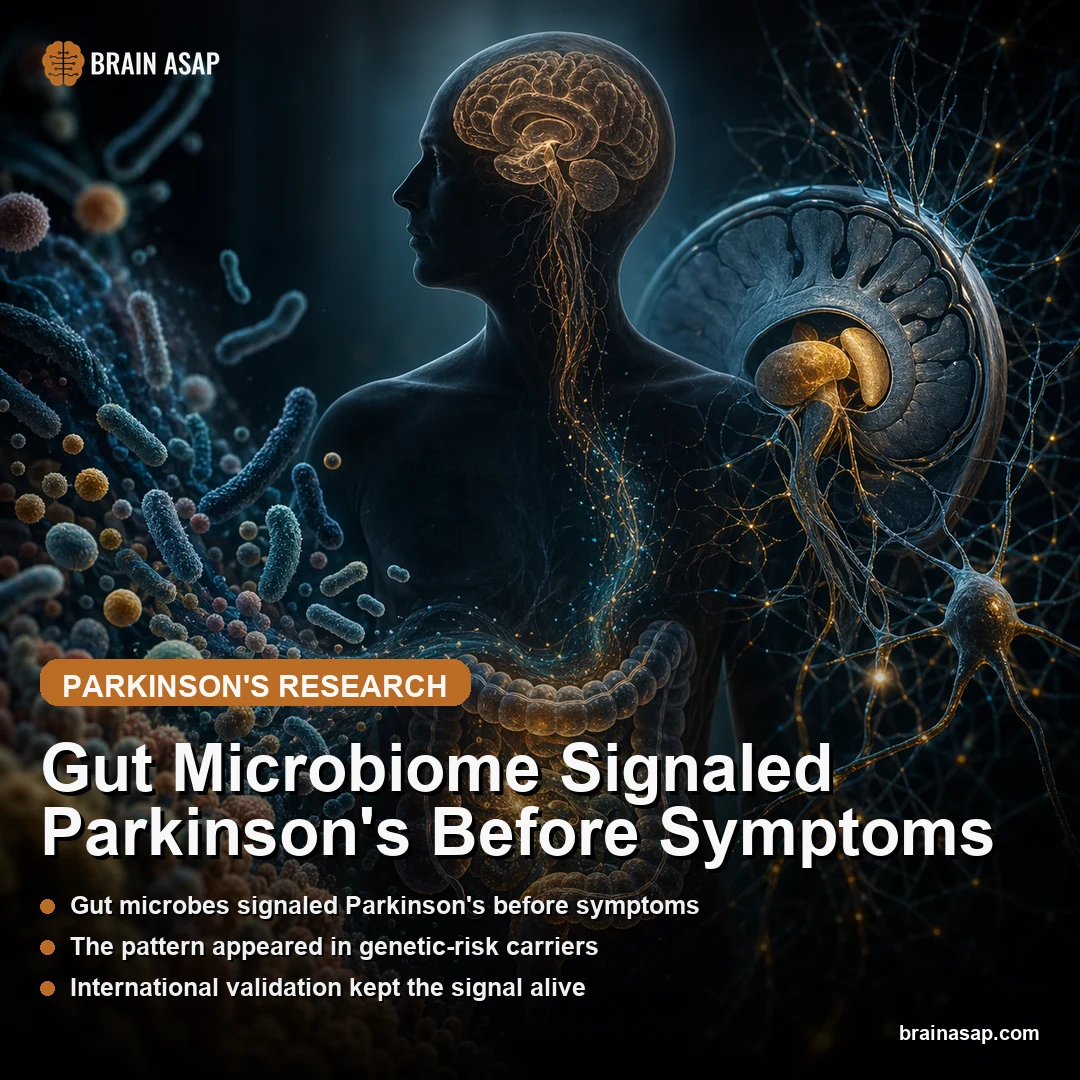
Gut Microbiome Signal Appeared Before Parkinson’s Symptoms in GBA1 Carriers TL;DR: In people carrying a genetic risk factor for Parkinson’s but not yet symptomatic, about 25% of their gut microbiome signature already looked intermediate between healthy control…
Read article ↗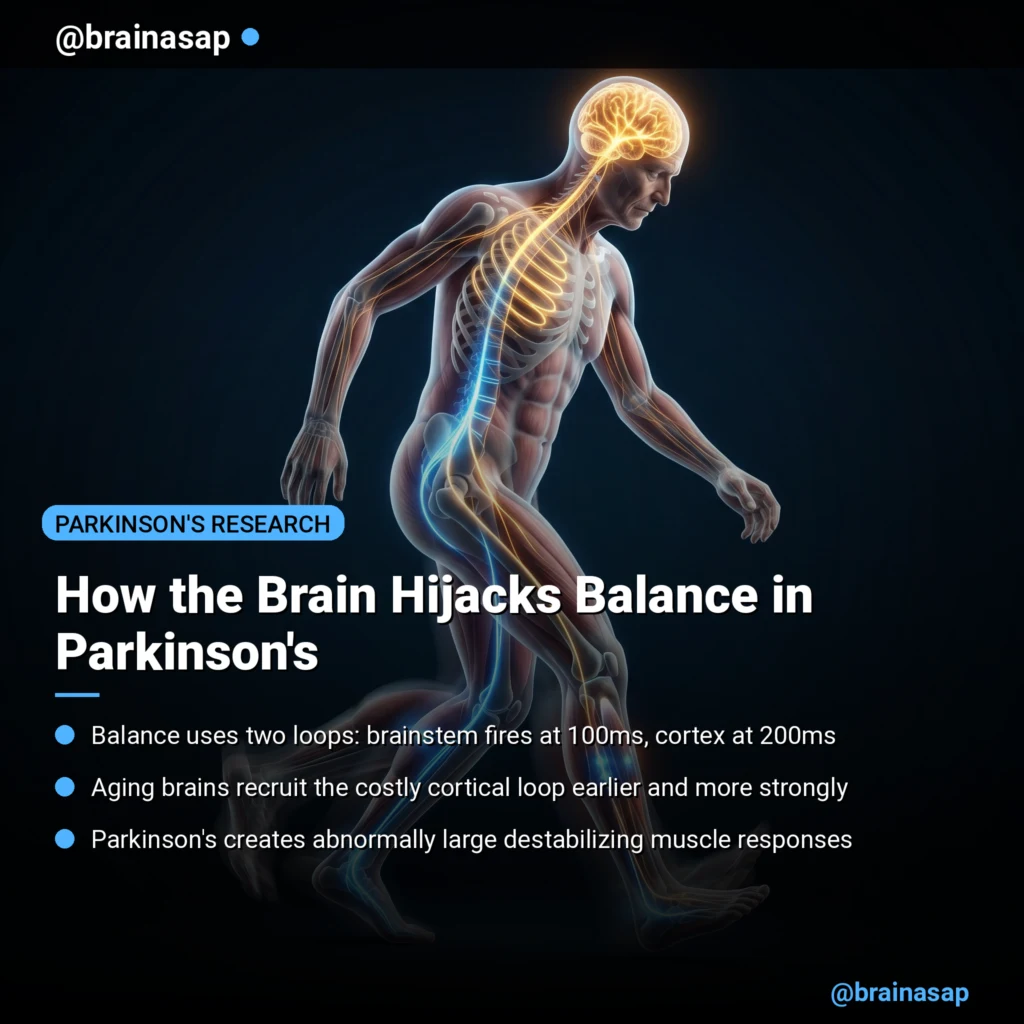
How the Brain Hijacks Balance Control in Parkinson’s TL;DR: When older adults face large balance challenges, their brains shift from relying on quick brainstem reflexes to slower cortical circuits—a shift that happens even in Parkinson’s disease, revealing a m…
Read article ↗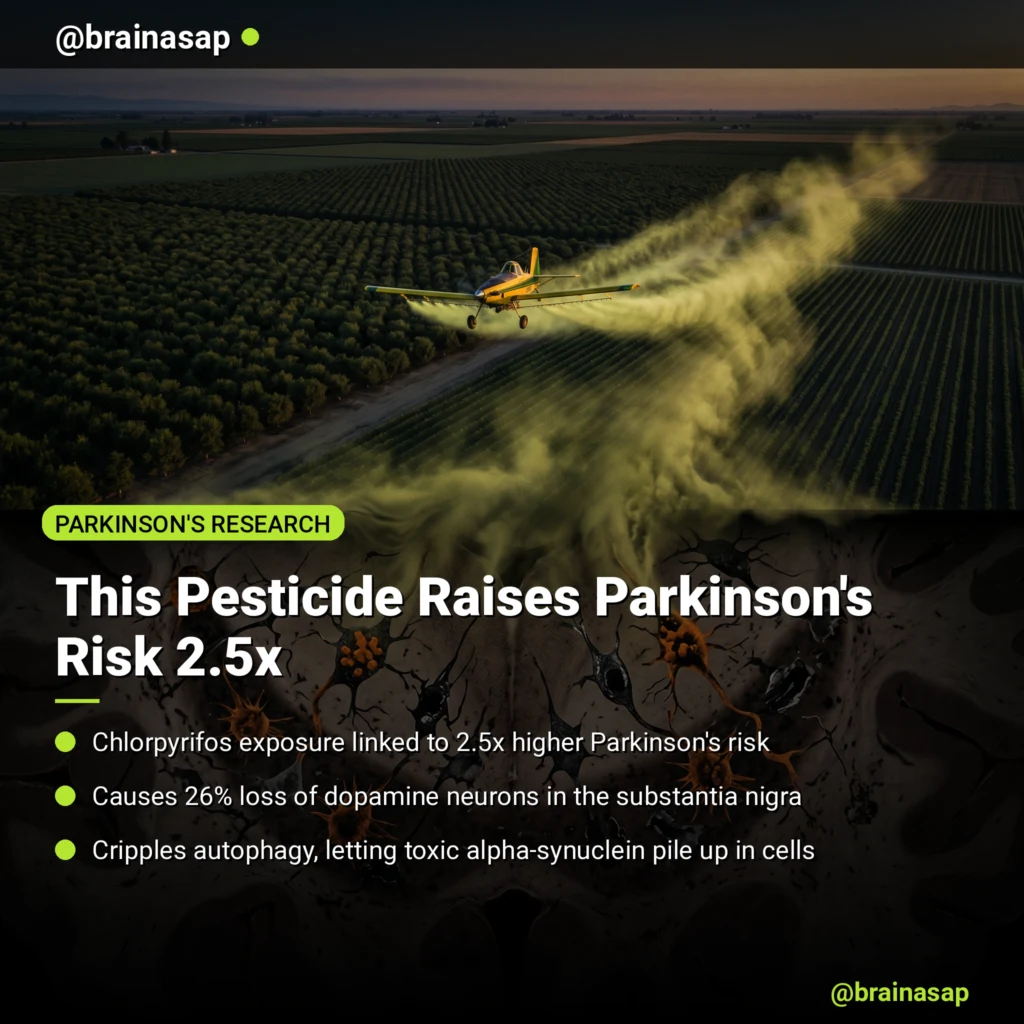
Chlorpyrifos Linked to 2.5x Higher Parkinson’s Risk TL;DR: A pesticide sprayed on US crops decades ago more than doubles your risk of Parkinson’s disease, and new research shows exactly how it damages dopamine neurons. You probably never heard of chlorpyrifos,…
Read article ↗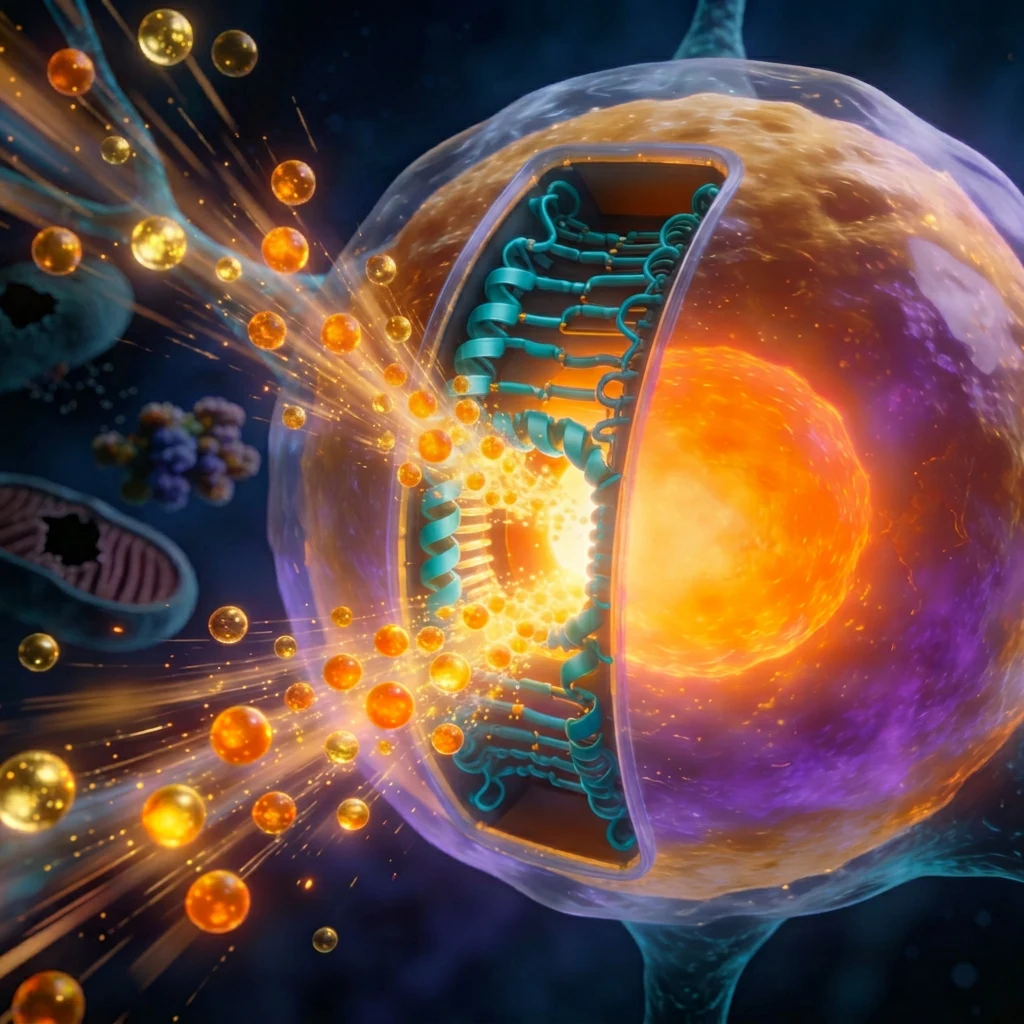
How a Hidden Proton Channel Sabotages Brain Cells in Parkinson’s TL;DR: A newly decoded proton channel called TMEM175 lies dormant in lysosomes until acid arrives—then it opens wide and floods the cell with hydrogen ions, disrupting the delicate pH balance lin…
Read article ↗
Zinc levels were found to have a causal effect on the risk of Parkinson’s disease, while other oxidative stress biomarkers showed no significant association. Highlights: A study identified a significant causal relationship between higher zinc levels and increa…
Read article ↗
Optical coherence tomography (OCT) reveals significant retinal nerve fiber layer (RNFL) thinning in Parkinson’s disease (PD) patients, correlating with disease severity and suggesting OCT as a potential biomarker for PD diagnosis and monitoring. Highlights: RN…
Read article ↗
Necrostatin-1, an inhibitor of necroptosis, exhibits significant neuroprotective effects and potential therapeutic applications in various neurological disorders by modulating cell death pathways, inflammation, and reactive oxygen species. Highlights: Mechanis…
Read article ↗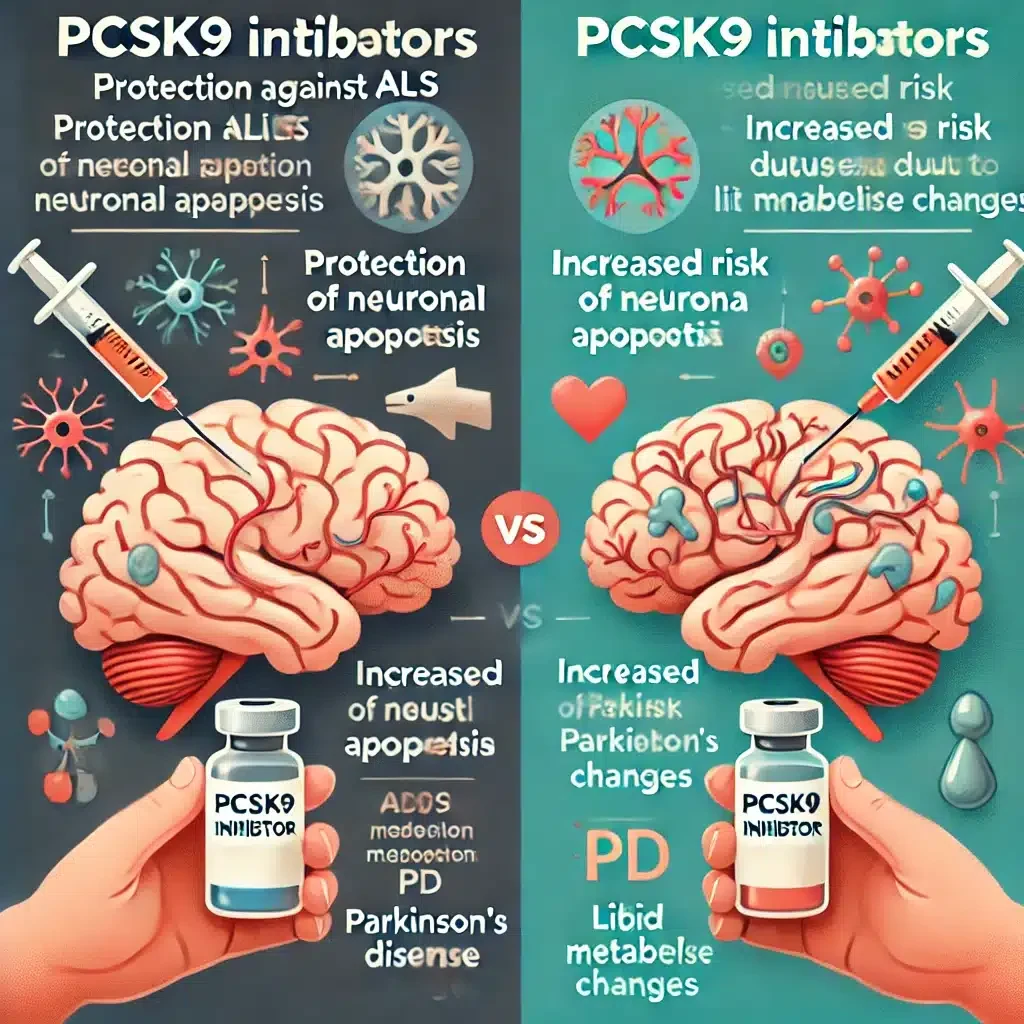
PCSK9 inhibitors significantly reduce the risk of amyotrophic lateral sclerosis (ALS) but increase the risk of Parkinson’s disease (PD). Highlights: ALS Risk Reduction: PCSK9 inhibitors marginally reduced the risk of ALS with an odds ratio of 0.89 (p = 0.048).…
Read article ↗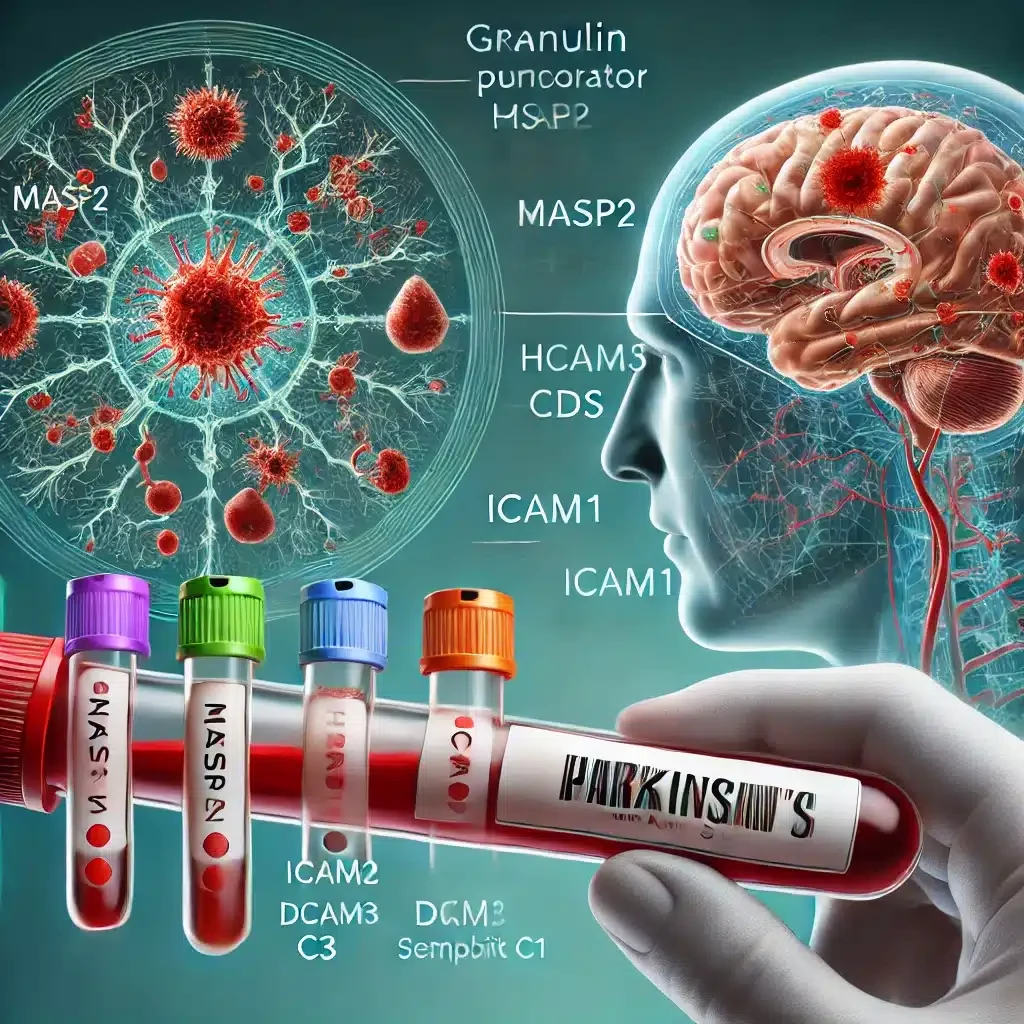
A study identified a panel of eight plasma biomarkers that can predict Parkinson’s disease up to seven years before motor symptoms appear. Highlights: Biomarker Panel: The study validated a panel of 8 proteins, including Granulin precursor and Complement C3, u…
Read article ↗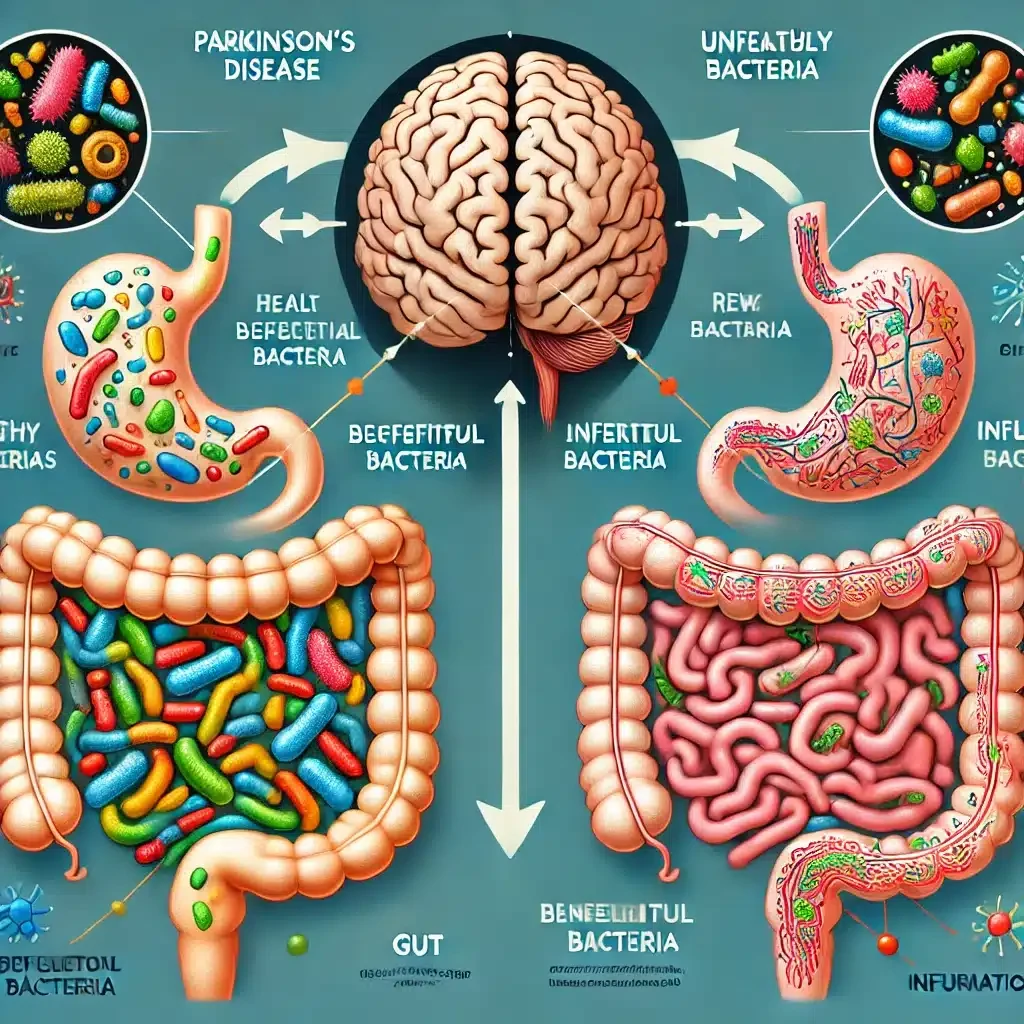
TLDR: A study identified specific gut microbial features in Parkinson’s disease (PD) across different countries, highlighting increased α-diversity, altered bacterial species, and decreased metabolites in PD patients. Highlights: Increased α-Diversity: The stu…
Read article ↗