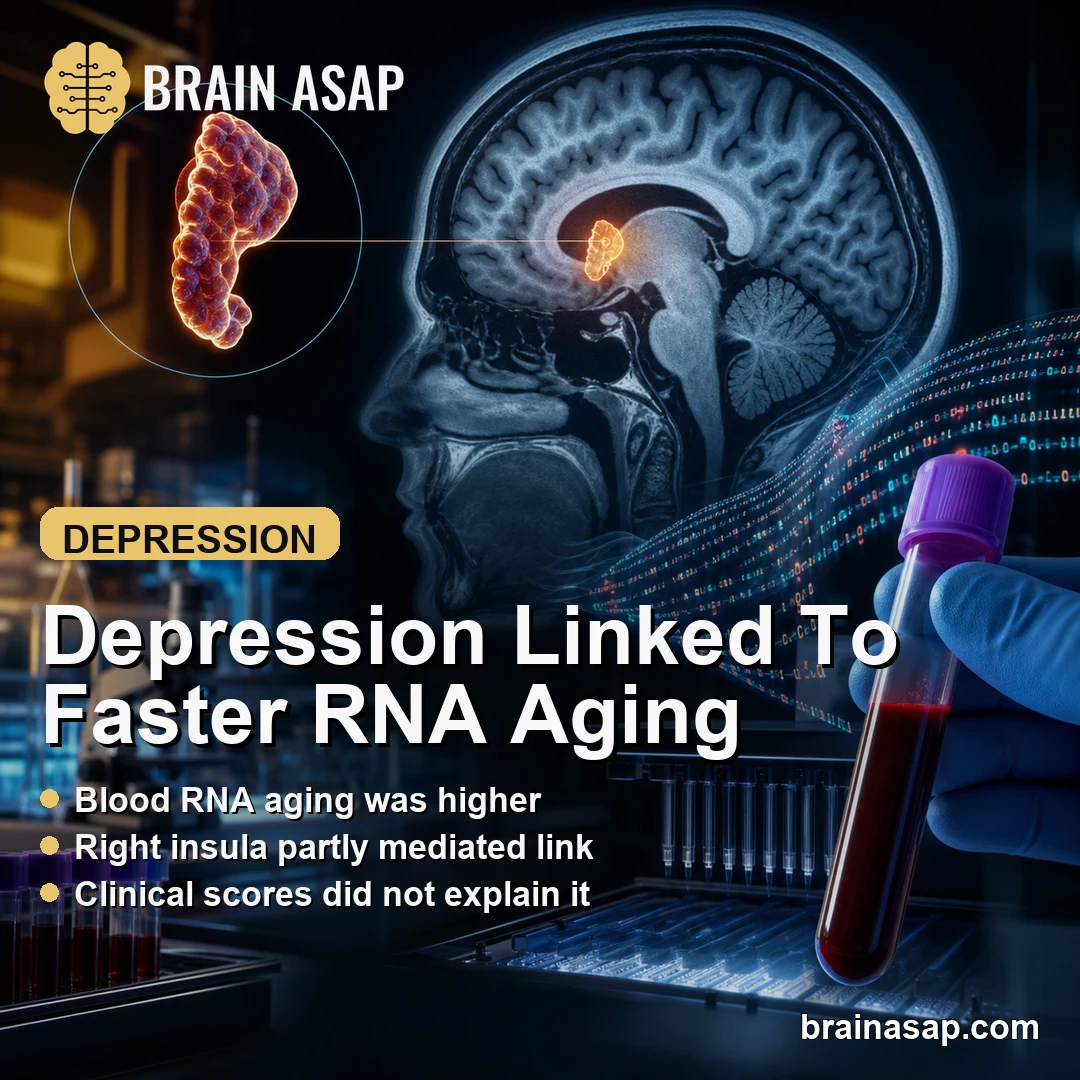
TL;DR: A 2026 case-control study in Psychological Medicine linked major depressive disorder to faster blood-based transcriptomic aging and found that right-insula brain changes partly explained the depression association. Key Findings Transcriptomic aging was…
Read article ↗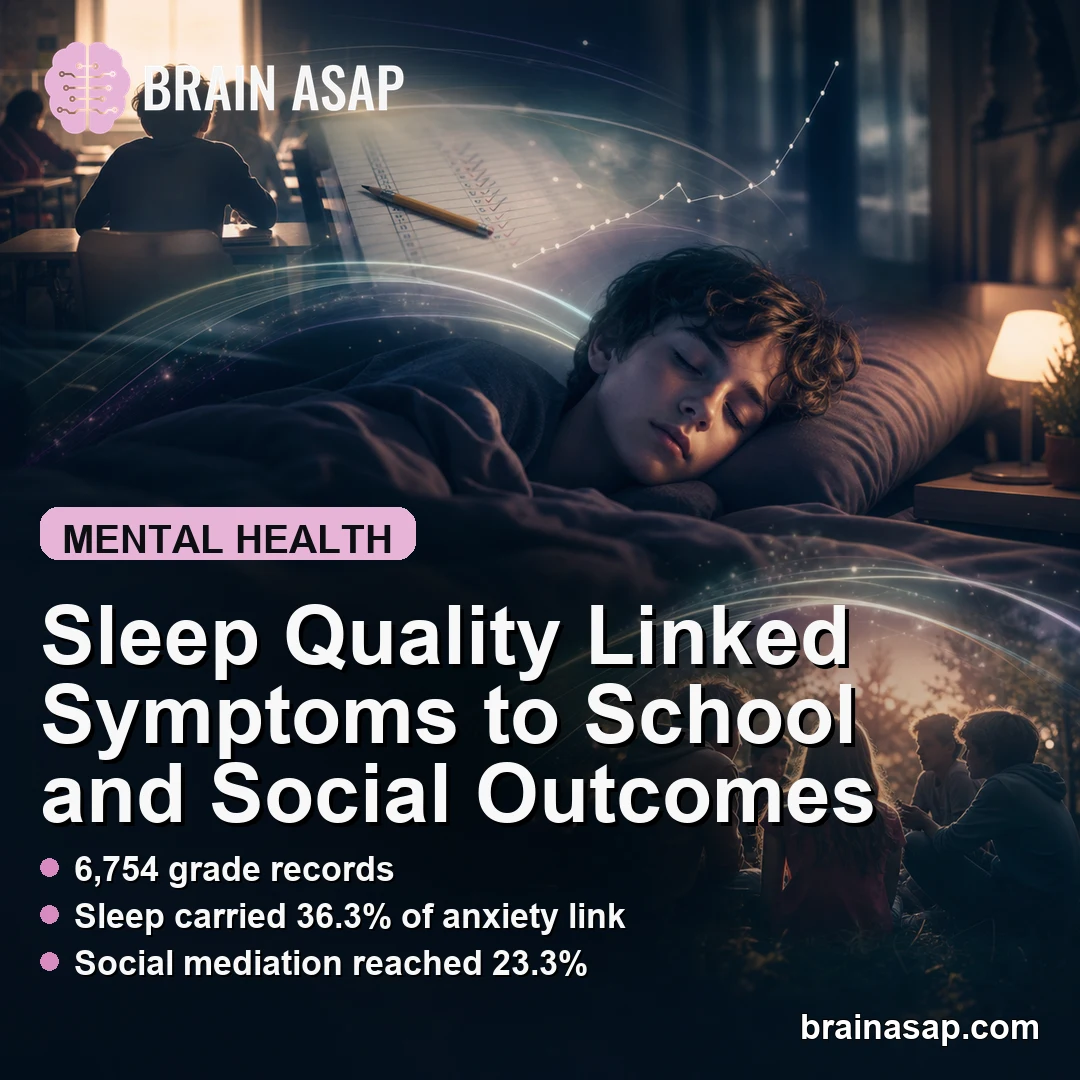
TL;DR: A 2026 study in Psychological Medicine found that sleep quality partly explained how early adolescent depression, anxiety, and psychotic-like experience distress were linked to later school grades and social problems in the Adolescent Brain Cognitive De…
Read article ↗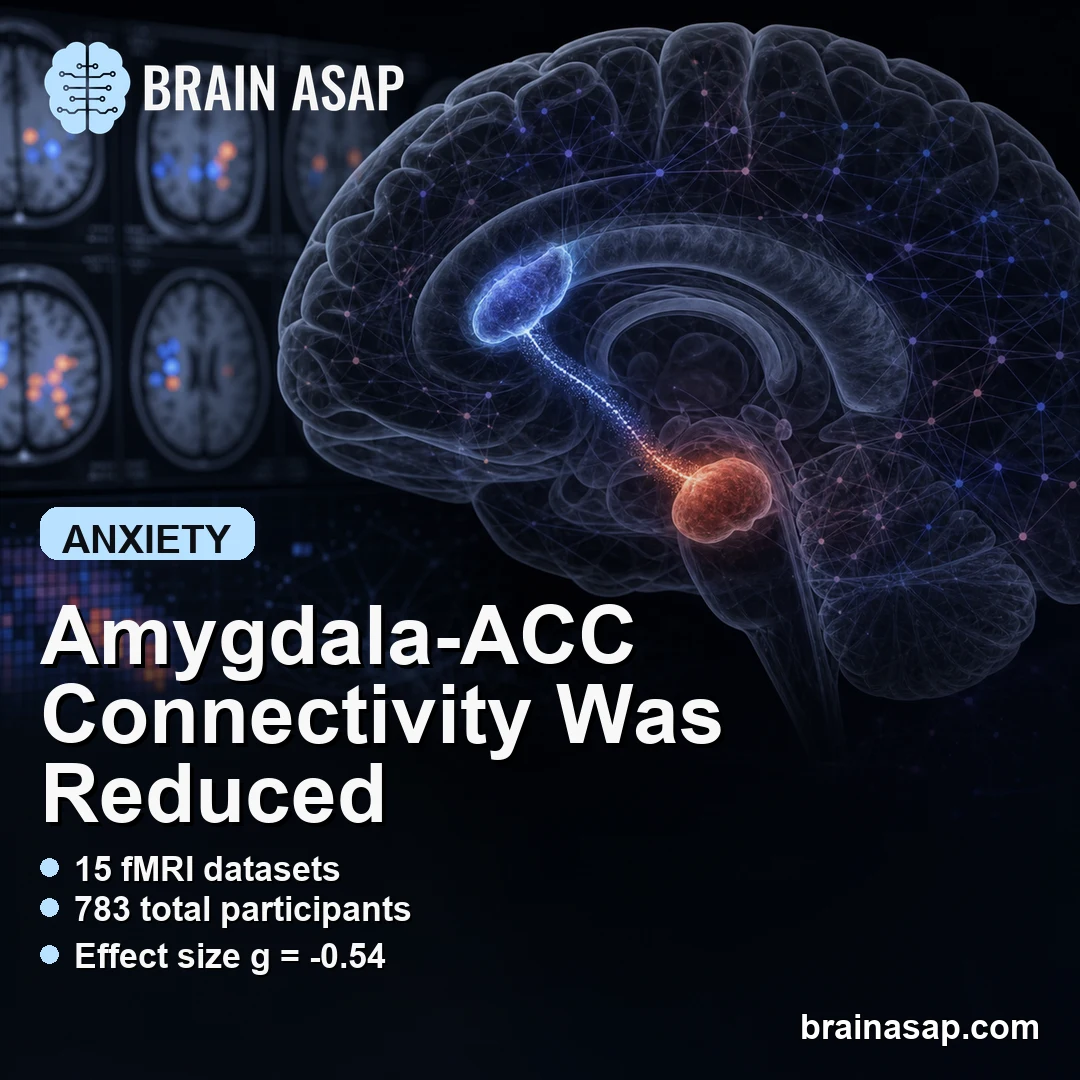
TL;DR: A 2026 meta-analysis in Psychological Medicine found that reduced resting-state connectivity between the amygdala and anterior cingulate cortex was the most robust brain-network difference in anxiety disorders. Key Findings 15 datasets: The meta-analysi…
Read article ↗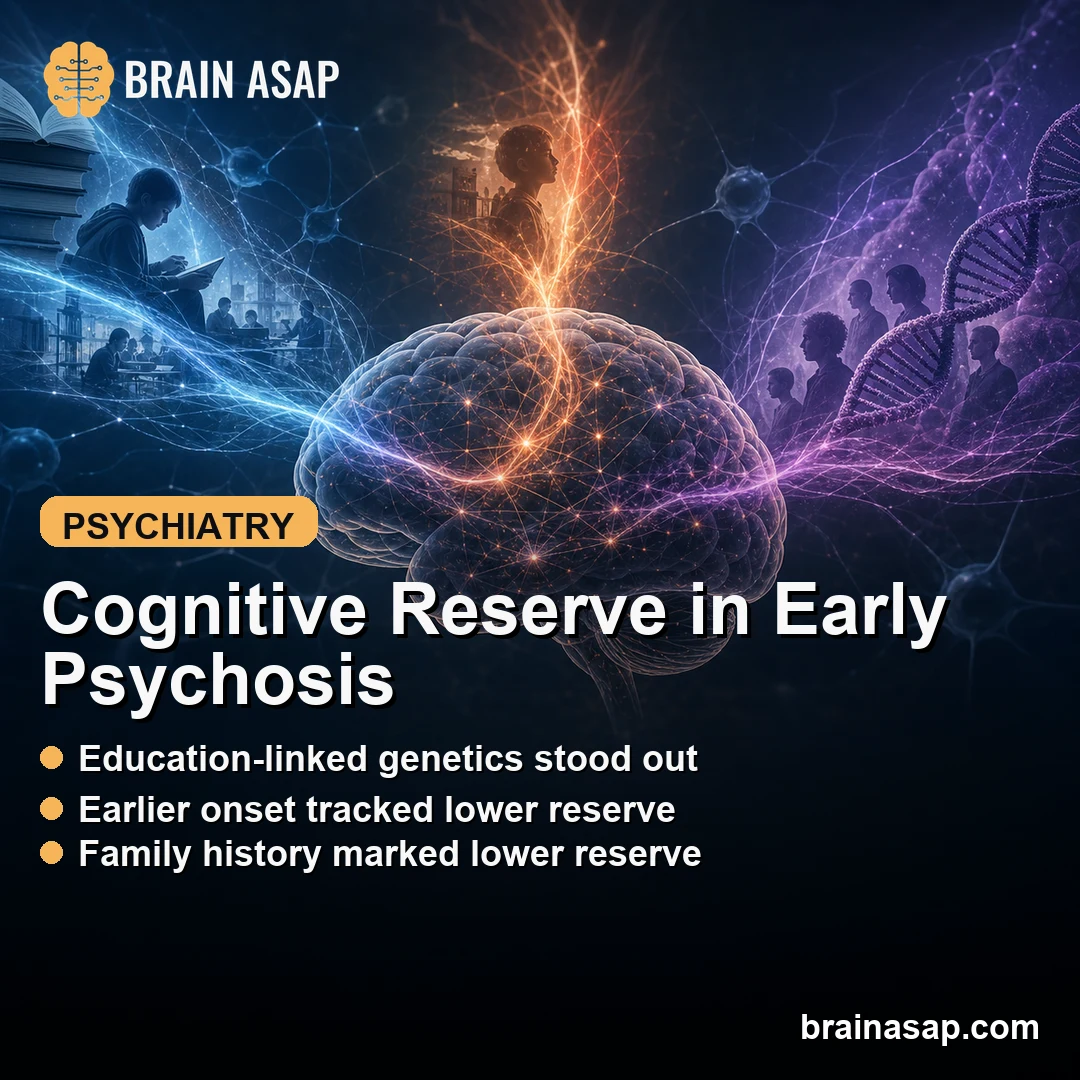
TL;DR: A 2026 study in Psychological Medicine found that cognitive reserve in non-affective first-episode psychosis was higher with greater genetic predisposition to educational attainment and lower with earlier psychosis onset or family history of psychosis.…
Read article ↗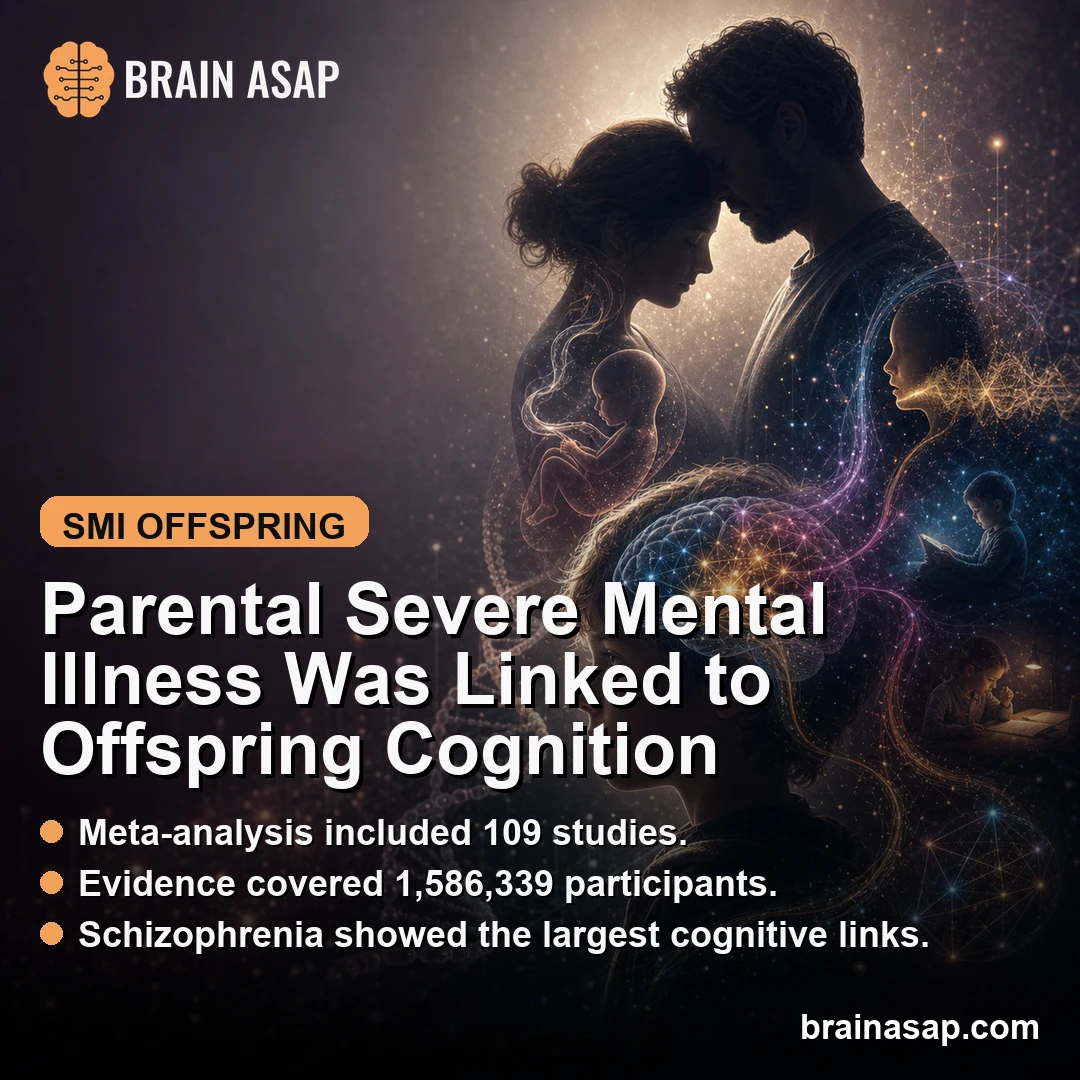
TL;DR: A 2026 Psychological Medicine meta-analysis of 109 studies linked parental severe mental illness, especially schizophrenia and bipolar disorder, to lower cognitive performance in offspring across IQ, language, memory, executive function, and general cog…
Read article ↗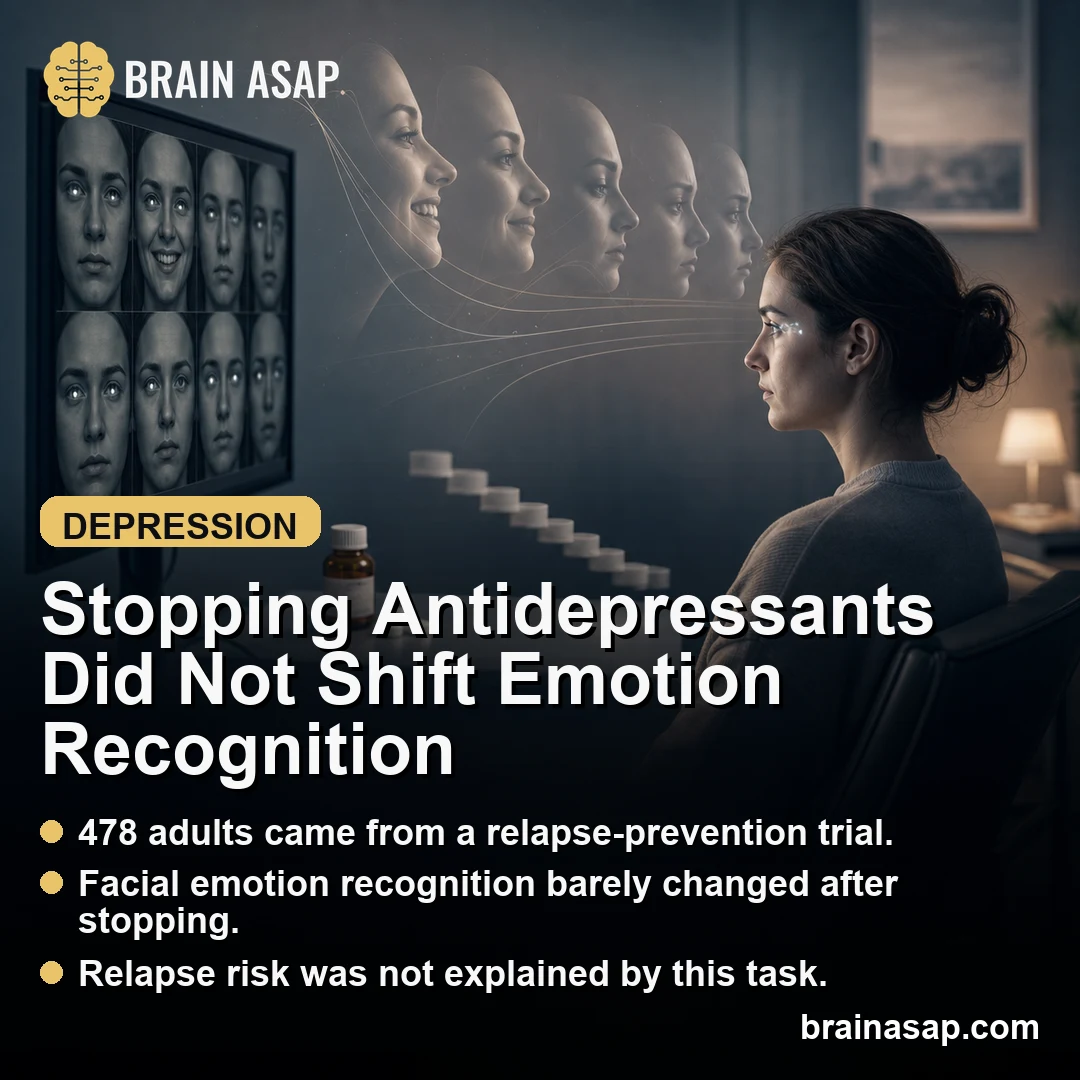
TL;DR: A 2026 study in Psychological Medicine found that stopping maintenance antidepressants did not meaningfully change facial emotion recognition over 12 or 52 weeks in adults with recurrent depression who were currently well. Key Findings Trial sample: The…
Read article ↗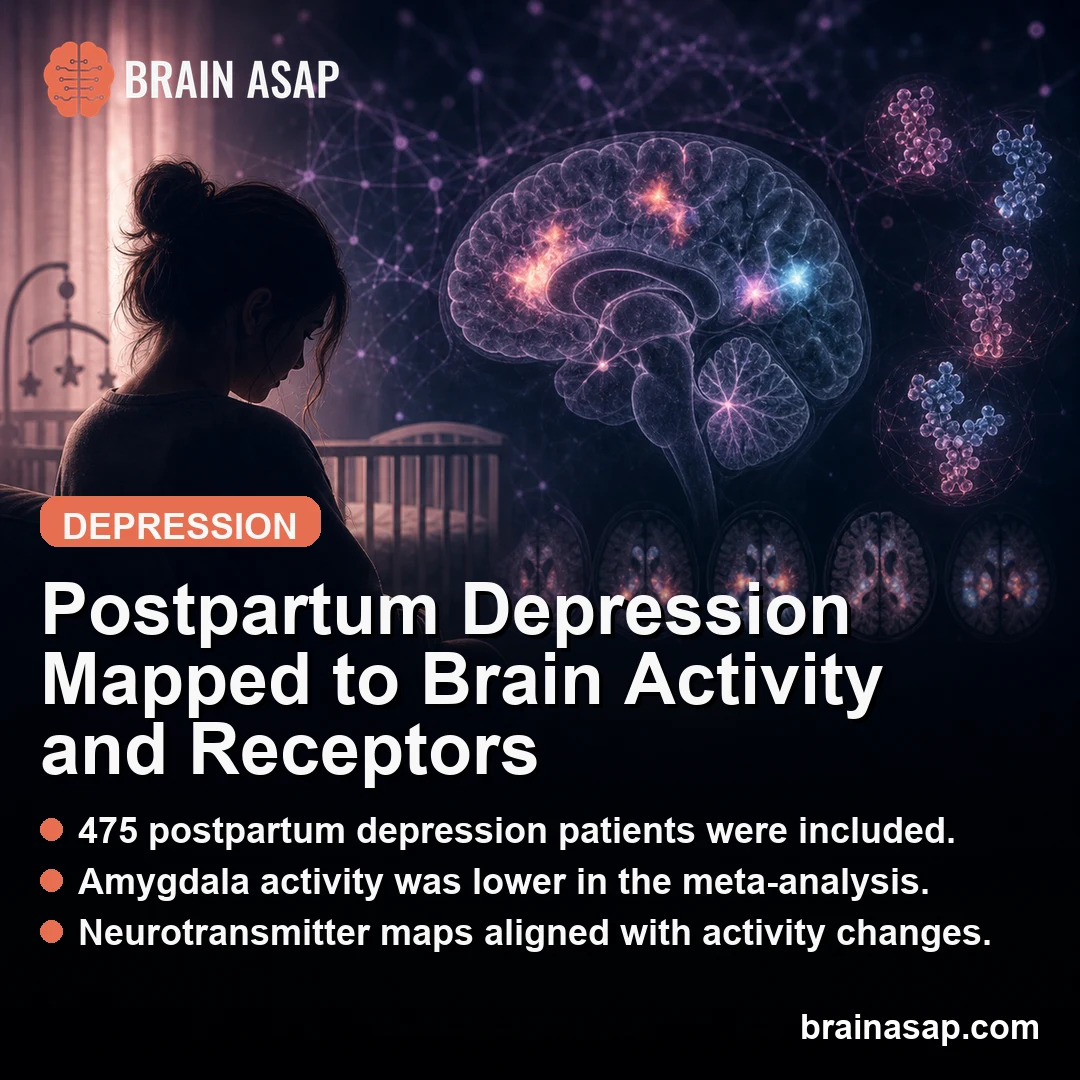
TL;DR: A 2026 meta-analysis in Psychological Medicine found postpartum depression (PPD) brain-activity differences across default-mode, limbic, and sensorimotor regions, with spatial overlap in serotonin, dopamine, and vesicular acetylcholine transporter maps.…
Read article ↗