TL;DR: A 2026 systematic review and meta-analysis in Bipolar Disorders found that poor medication adherence in bipolar disorder was linked to substance use, psychotic features, lower insight, poorer functioning, and several markers of more severe illness, but…
Read article ↗
TL;DR: A 2026 study in Implementation Science Communications found that high-performing HEALing Communities Study coalitions used representative membership, shared goals, data support, and communications campaigns to strengthen opioid-use-disorder service impl…
Read article ↗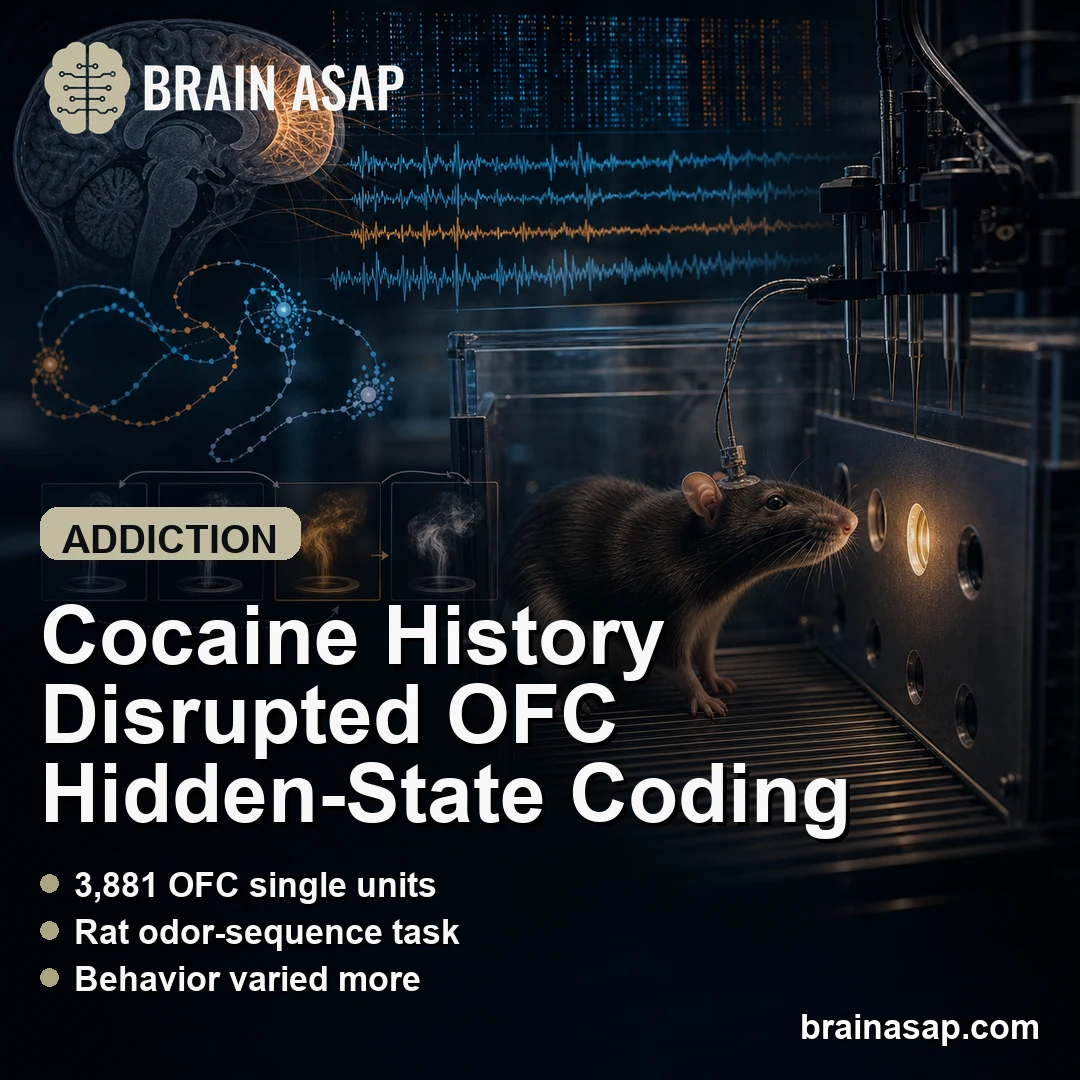
TL;DR: A 2026 study in eLife found that prior cocaine self-administration disrupted how rat orbitofrontal cortex (OFC), a frontal brain region involved in task structure and flexible behavior, encoded hidden states in an odor-sequence task. Key Findings 3,881…
Read article ↗
TL;DR: A 2026 medRxiv preprint from the ENIGMA Addiction Working Group used structural MRI from 2,782 people with substance use disorder (SUD) and 1,951 controls and reported that addiction-related brain differences followed cortical network hubs and neurotran…
Read article ↗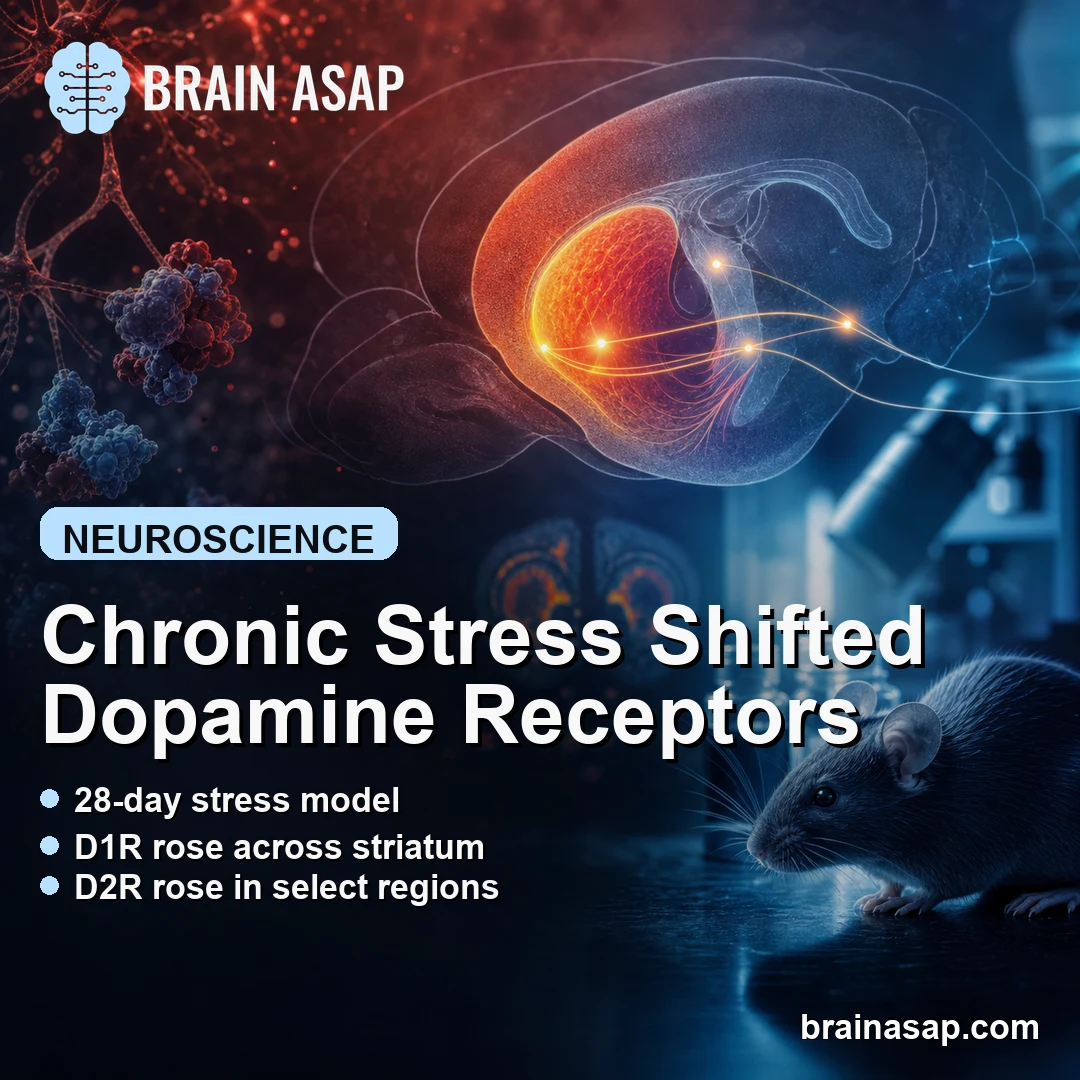
TL;DR: A 2026 mouse study in Neurochemical Research found that 28 days of unpredictable chronic mild stress increased dopamine D1 receptor binding across the striatum and raised dopamine D2 receptor binding only in selected regions, regardless of fatty acid-bi…
Read article ↗
TL;DR: A 2026 meta-analysis in European Journal of Psychotraumatology found that trauma cues increased substance craving in trauma-exposed people who use substances, and the strongest pathway ran through cue-triggered negative affect. Key Findings 32 studies:…
Read article ↗
TL;DR: A 2026 randomized clinical trial in JAMA Network Open found that one supervised 30 mg/70 kg psilocybin dose plus cognitive behavioral therapy produced 40.5% six-month smoking abstinence versus 10.0% with a nicotine patch plus the same therapy. Key Findi…
Read article ↗
TL;DR: A 2026 randomized trial analysis in European Journal of Psychotraumatology found that COPE-A, an integrated exposure-based therapy for youth with posttraumatic stress disorder (PTSD) and substance use disorder (SUD), reduced PTSD symptoms more than supp…
Read article ↗
TL;DR: A 2026 medRxiv preprint found that hospital stakeholders saw a need for CARES, a Comprehensive Addiction Risk Evaluation System combining genetic and behavioral/environmental risk information, but warned that provider burden, substance-use stigma, and w…
Read article ↗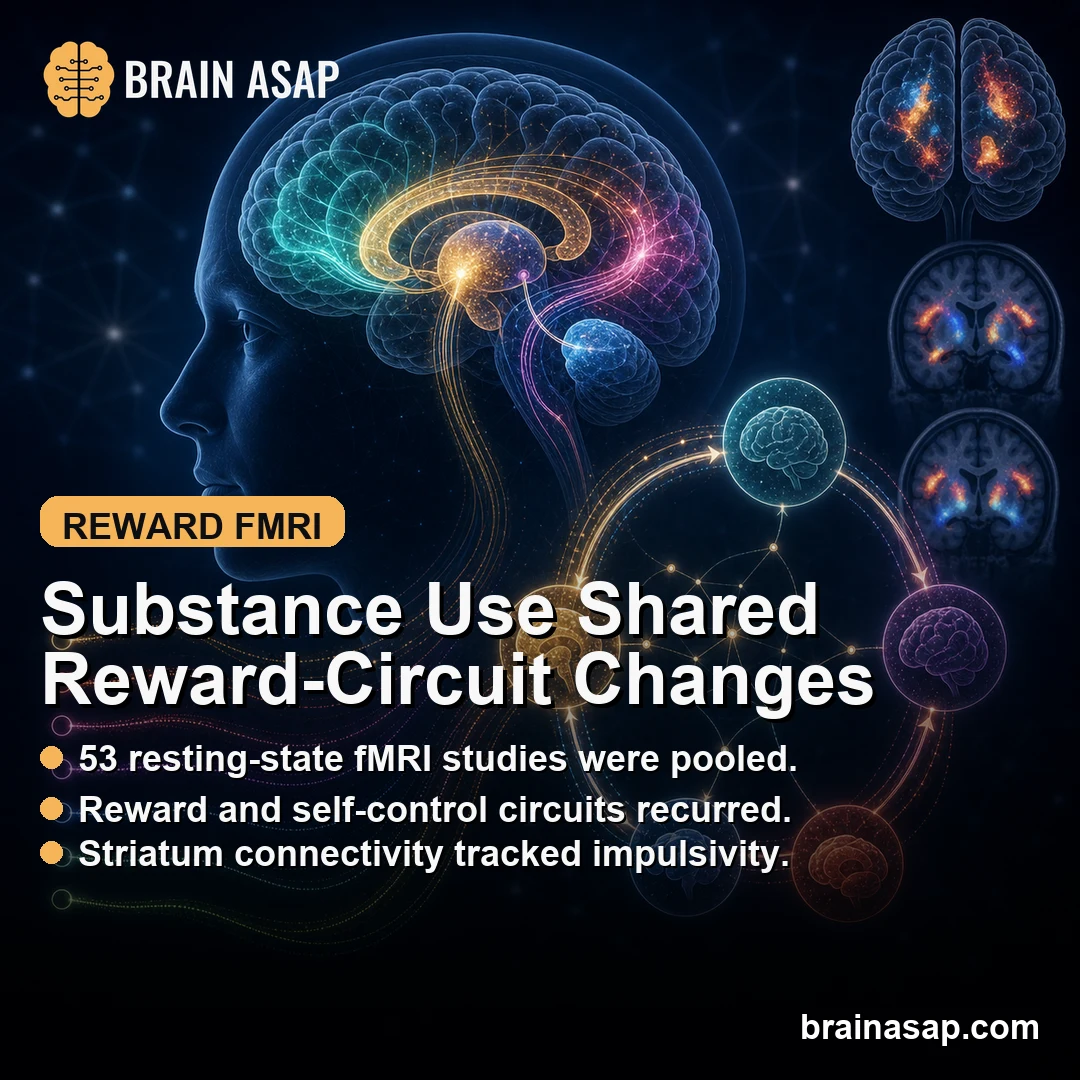
TL;DR: A 2025 systematic review in Translational Psychiatry found that substance use disorder was associated with recurring resting-state functional MRI (rs-fMRI), a scan of spontaneous brain-network communication, abnormalities in reward and self-control circ…
Read article ↗