Bigorexia Nervosa & Muscle Dysmorphia in Bodybuilders: The Hidden Crisis of Never Being Big Enough

Bigorexia nervosa, also known as muscle dysmorphia or reverse anorexia, is an emerging psychiatric disorder characterized by an obsessive focus on becoming more muscular. Individuals with bigorexia have a distorted self-image and see themselves as small and weak even if they have large, muscular physiques. This excessive preoccupation leads to unhealthy behaviors like over-exercising, restrictive …

Read more

Antidepressants Like Fluoxetine in Wastewater & Wildlife Behavior (Starling Birds Study)

The presence of pharmaceuticals in the environment has become a growing concern, with increasing evidence that these compounds can impact wildlife at low, environmentally relevant levels. One drug in particular – the popular antidepressant fluoxetine (Prozac) – deserves special attention due to its potential effects on brain function and behavior. Key Facts: Fluoxetine is commonly …

Read more

Corpus Callosum Size, Thickness, & Intelligence (IQ): No Direct Link Found

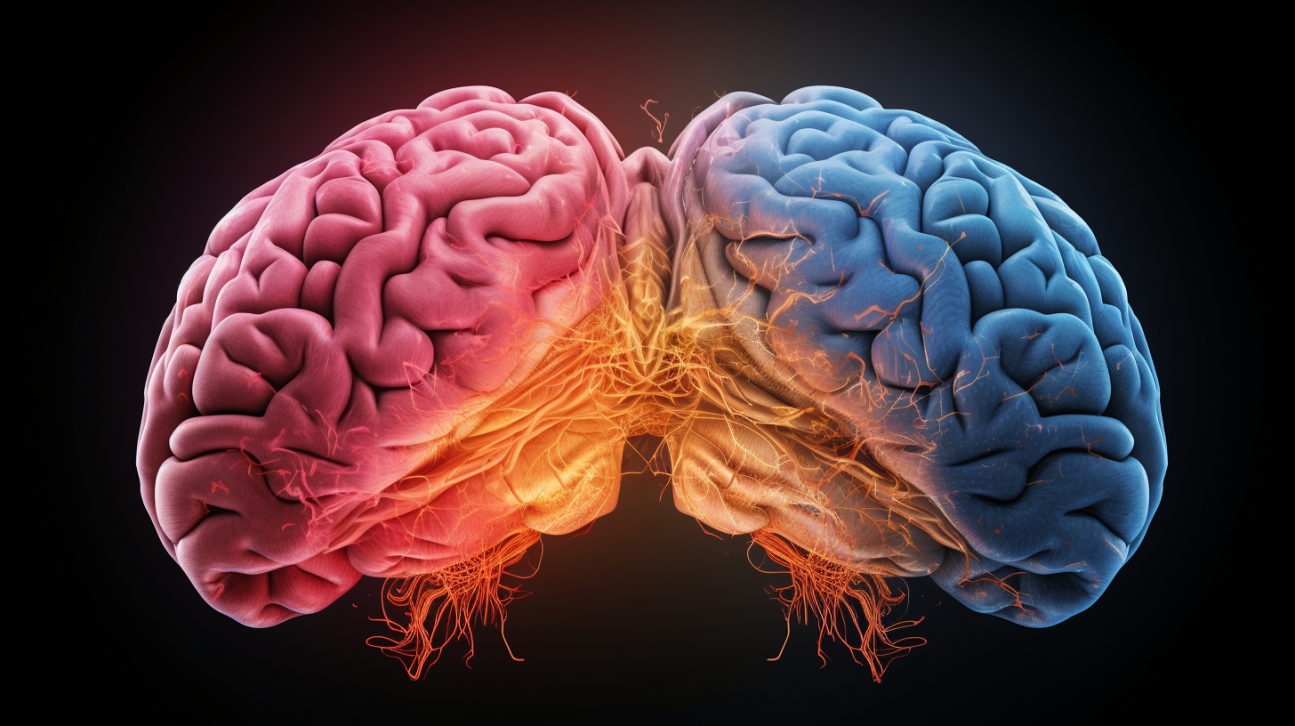
The corpus callosum is the thick band of nerve fibers that connects the left and right hemispheres of the brain, acting like a superhighway to allow communication between the two sides. Given its role in integrating information, researchers have long speculated that the size and structure of the corpus callosum may be linked to intellectual …

Read more

Phrenology Debunked with Neuroimaging & Big Data: Pseudoscience of Skull Shape & Personality Traits

Phrenology, the pseudoscience of linking personality traits to head shape, has captivated minds for over 200 years despite lacking empirical evidence. A recent study took a novel approach to finally settling the debate – utilizing modern neuroimaging and big data to rigorously test phrenological claims. The results provide a definitive refutation of phrenology’s core premise. …

Read more

Physiognomy & Human Look-Alikes: Shared Genetics in Dopplegangers

Researchers have uncovered new insights into the genetic underpinnings of human facial likeness and physical similarity in an intriguing nature versus nurture study on real-life look-alike pairs. Key Findings: 50% of look-alike pairs studied shared high genetic similarity, despite being unrelated Over 19,000 SNPs were identified that were shared across genetically similar look-alike pairs These …

Read more

Microplastics & Nanoplastics Cross the Blood-Brain-Barrier Hours After Ingestion

Plastic particles are rapidly accumulating in the environment and making their way into the food chain, raising concerns over potential impacts on human health. A new study provides alarming evidence that tiny plastic particles can cross into the brain shortly after being ingested. Key findings: Polystyrene micro- and nanoparticles ranging from 0.3 to 10 microns …

Read more

Ibogaine for Opioid Addiction: Safety Concerns & Cardiac Risks

Ibogaine, an alkaloid derived from the Tabernanthe iboga shrub found in Africa, has received attention as a potential treatment for addiction, particularly opioid use disorder. While small studies have hinted at effectiveness, a new clinical study shows ibogaine comes with concerning safety risks that may limit its therapeutic potential. Key facts: Ibogaine resulted in significant …

Read more

Fluoride Linked to Poorer Sleep & Apnea in U.S. Teens

A new study published in Environmental Health suggests fluoride exposure may disrupt normal sleep patterns and contribute to daytime sleepiness in U.S. teenagers. The research found associations between higher fluoride levels and symptoms of sleep apnea, later bedtimes, and excessive daytime tiredness. While more studies are needed, the findings add to evidence that fluoride may …

Read more

Borderline Personality Disorder (BPD): Half (50%) of Core Features Unchanged Long-Term

Borderline personality disorder (BPD), long seen as an unchanging and lifelong condition, may actually have both stable and variable elements according to new research. The study found that about half of BPD features persist over time, while the other half fluctuate. This suggests BPD has a more dynamic course than traditionally thought. Key Takeaways: Around …

Read more