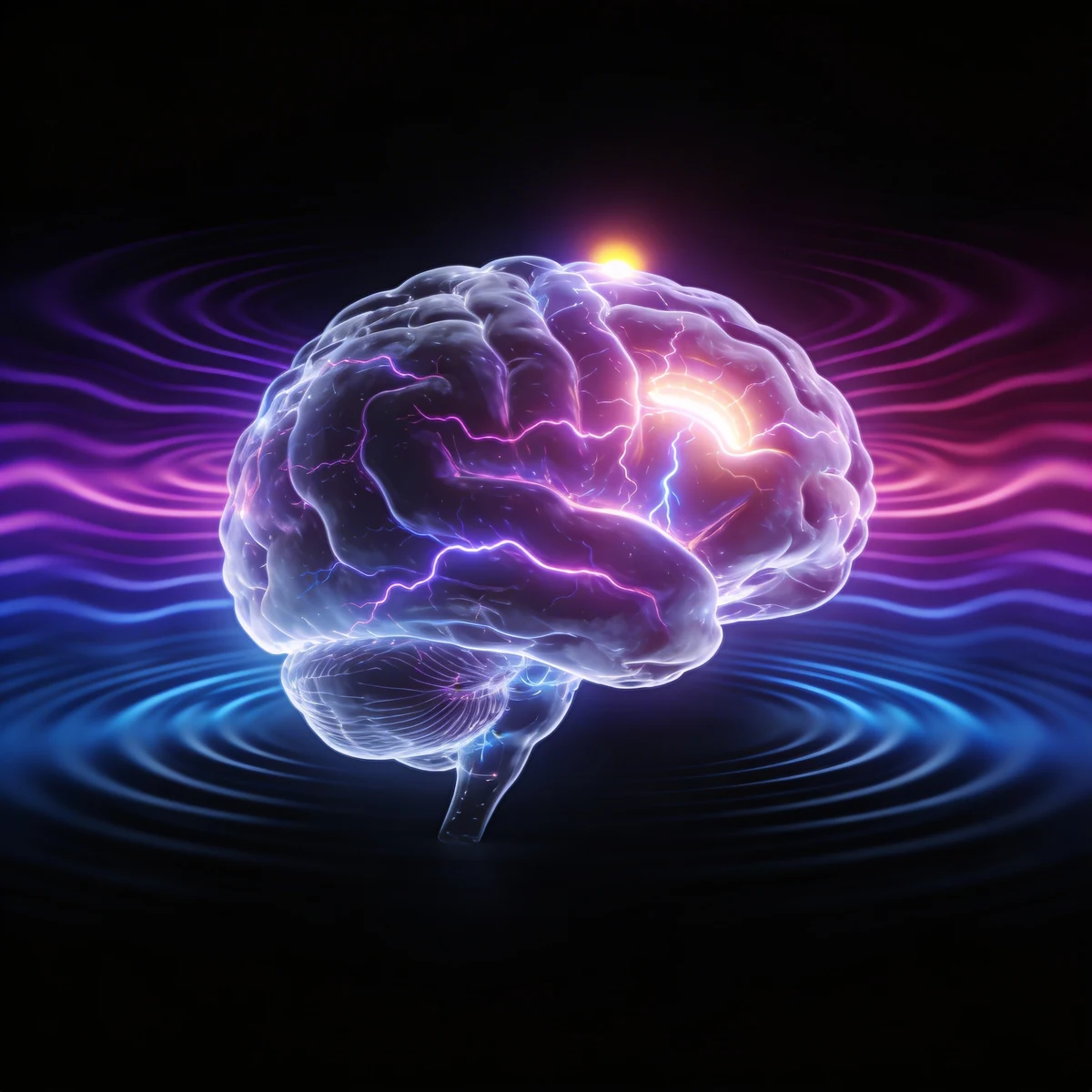
How Psychedelics Hijack Brain Waves to Create Hallucinations TL;DR: A psychedelic drug that activates serotonin receptors dramatically amplifies slow 5-Hz brain oscillations in visual and memory regions, suggesting a mechanism for how hallucinogens distort per…
Read article ↗
Ketamine significantly reduces suicidal ideation in depressed patients, with rapid effects observed within the first day of treatment. Highlights: Rapid Reduction: Ketamine shows a significant reduction in suicidal ideation within the first day of treatment (R…
Read article ↗
A study examined the effects of ketamine on sleep arousal metrics in individuals with treatment-resistant depression (TRD) vs. healthy volunteers, finding that ketamine increases certain sleep-related brain activities but does not significantly mediate its ant…
Read article ↗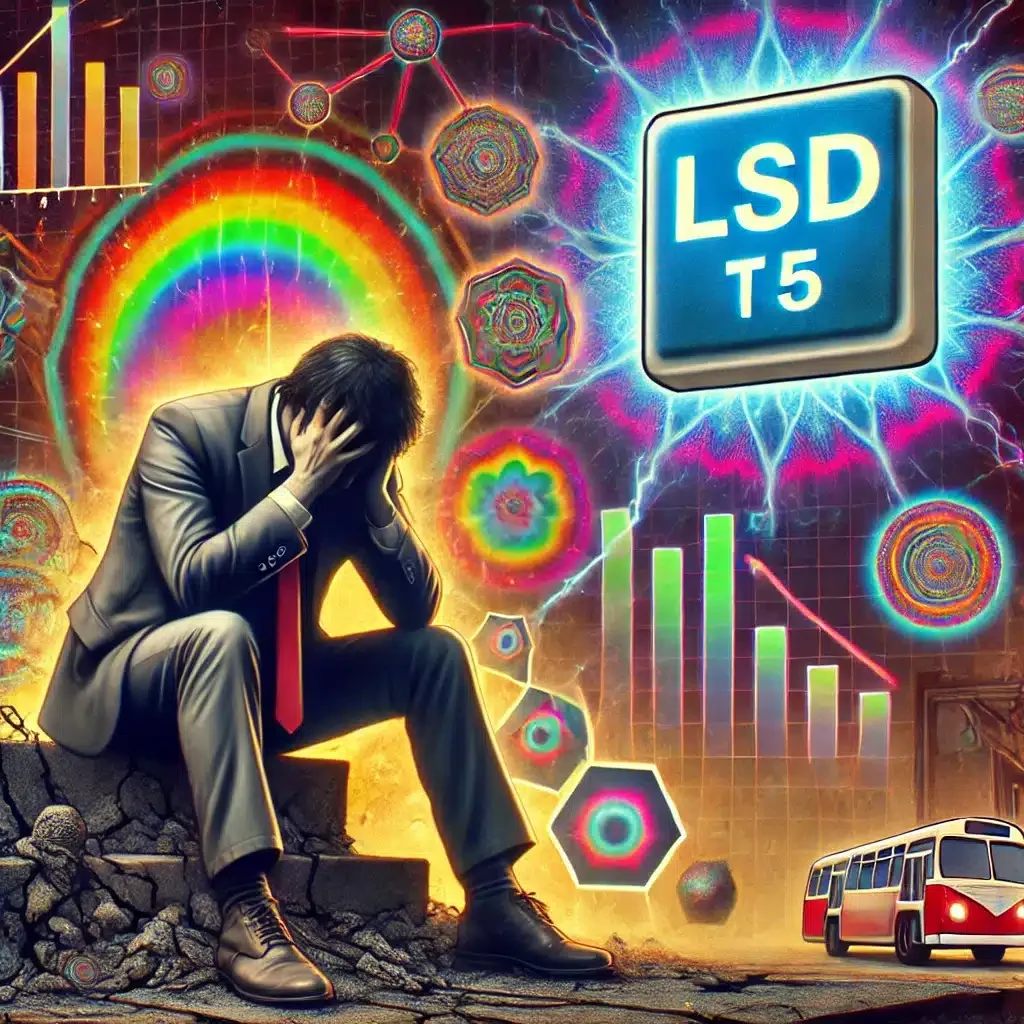
TLDR: LSD does not provide psychological resilience during stressful experiences such as job loss – and may increase psychological distress. Highlights: The study analyzed data from 5,067,553 unemployed individuals seeking jobs. LSD users who had used the drug…
Read article ↗
Researchers uncover a surprising molecular mechanism that explains ketamine’s exceptionally long-lasting antidepressant effects. Key Facts: Ketamine’s antidepressant effects last for days after its concentration drops to low, ineffective levels only an hour af…
Read article ↗
Big picture: Psychoplastogens are a groundbreaking new class of psychoactive compounds that rapidly induce structural and functional changes in the brain, allowing pathological neural circuits to be rewired for therapeutic benefit. Key facts about psychoplasto…
Read article ↗
Ibogaine, an alkaloid derived from the Tabernanthe iboga shrub found in Africa, has received attention as a potential treatment for addiction, particularly opioid use disorder. While small studies have hinted at effectiveness, a new clinical study shows ibogai…
Read article ↗
Ayahuasca is a traditional psychedelic brew from the Amazon that has been used for centuries in shamanic healing rituals. Research is now exploring its potential therapeutic benefits for mental health and addiction. Key Facts: Ayahuasca contains DMT, a halluci…
Read article ↗
A new study provides evidence that the psychedelic compound psilocybin has both immediate and lasting anti-inflammatory effects in healthy volunteers. The findings shed light on how psilocybin may improve mood, social behavior, and potentially treat depression…
Read article ↗
Researchers find similarities in brain activity induced by different psychedelic drugs in rats, providing clues to how they alter consciousness. Key facts: Psychedelic drugs like LSD and ketamine induce high-frequency brain waves that synchronize activity acro…
Read article ↗