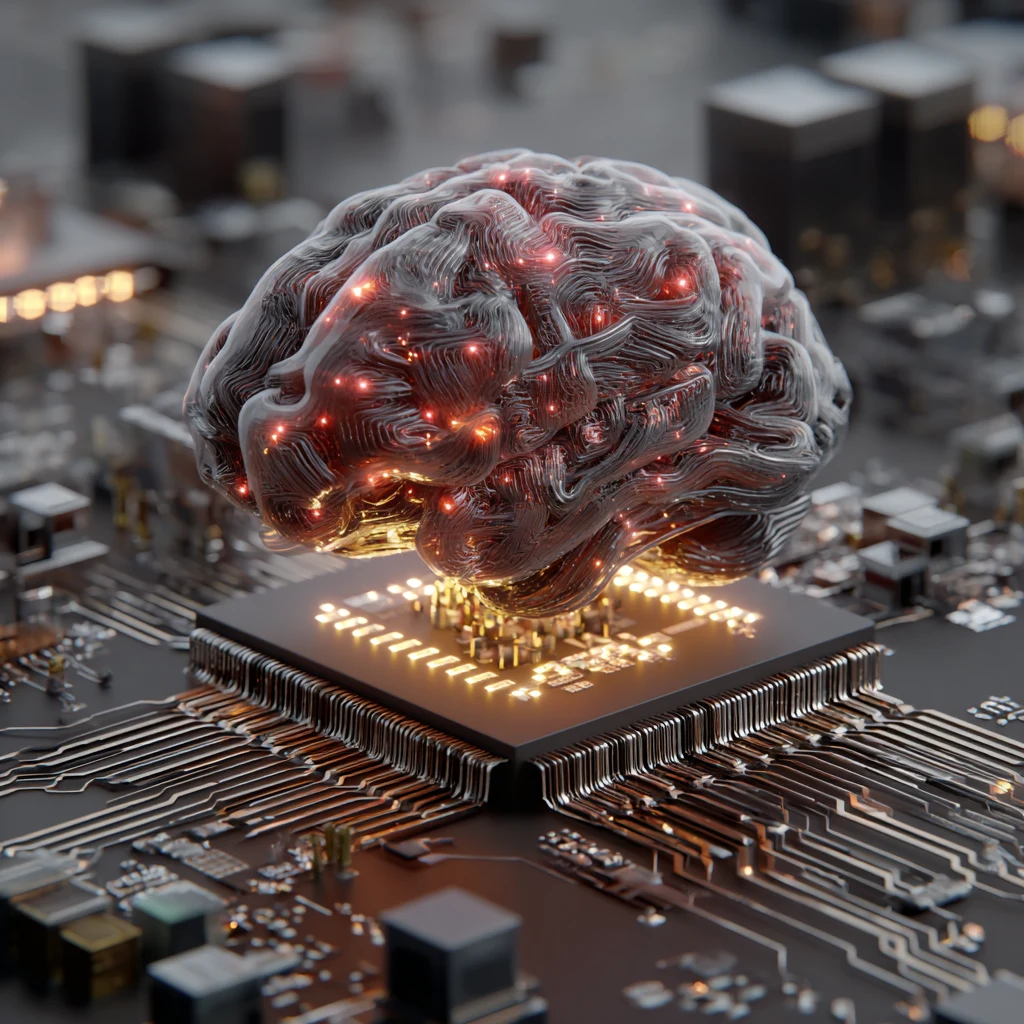
The Tiniest Neural Recorder: How Light-Powered Implants Can Monitor the Brain for a Year TL;DR: A nanometer-scale wireless implant (MOTE) powered by light recorded stable brain activity in mice for a full year without tethers or degradation. Recording brain ac…
Read article ↗
Guanfacine extended release (GXR) may effectively improve cognitive impairments and brain activity in long-COVID patients. Highlights: Patient Presentation: A 32-year-old woman experienced cognitive impairments such as difficulty in word recall, reading, and w…
Read article ↗
ACOT7 shows promise as a non-invasive serum biomarker for Alzheimer’s disease (AD) with high diagnostic accuracy. Highlights: Increased Expression: ACOT7 levels were significantly elevated in AD patients and animal models compared to controls. Correlation with…
Read article ↗
Gut microbiota may influence epilepsy, but the exact mechanisms and involved microbiota are unclear, with potential treatments including ketogenic diets, probiotics, and fecal microbiota transplants being explored. Highlights: Approximately 33% of epilepsy pat…
Read article ↗
Nanoparticle-enhanced radiotherapy (NERT) is a promising approach to improving brain tumor treatment by enhancing radiotherapy efficacy through targeted delivery and radiosensitization while overcoming challenges posed by the blood-brain barrier. Highlights: M…
Read article ↗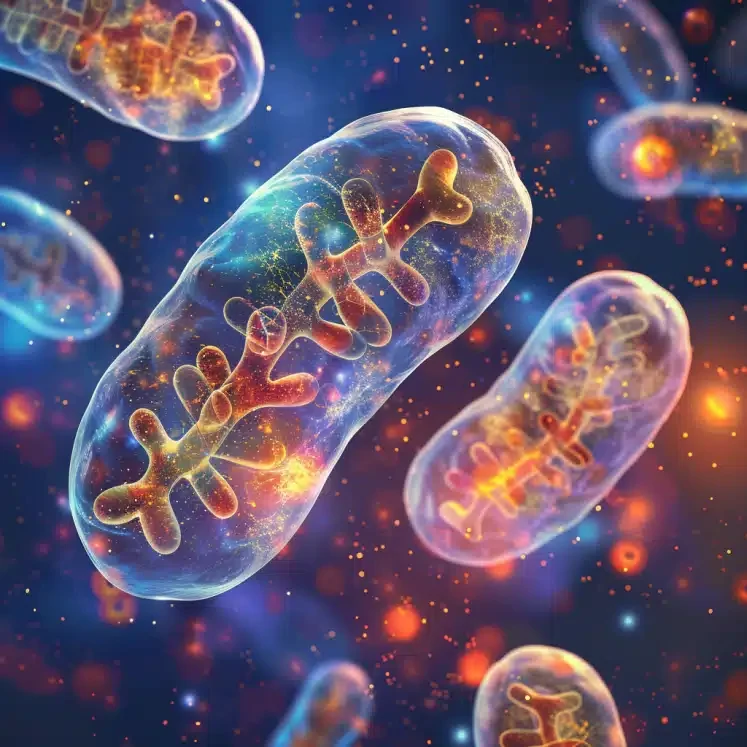
A study found a strong link between mitochondrial disorders and conditions like autism, ADHD, and various psychiatric issues. Highlights: Common Link: Mitochondrial disorders are frequently found in people with autism, ADHD, and intellectual disabilities. ASD…
Read article ↗
Repurposing antipsychotics and antidepressants with favorable safety profiles and blood-brain barrier permeability shows promise for glioblastoma (GBM) treatment, primarily through disrupting lysosomal function and inducing cell death. Highlights: Mechanism of…
Read article ↗
Psychosocial factors such as stress and depression, along with physical health issues like tympanic abnormalities and diabetes, significantly contribute to dizziness and chronic dizziness in adults. Highlights: Prevalence & Chronicity: Dizziness affected 24.6%…
Read article ↗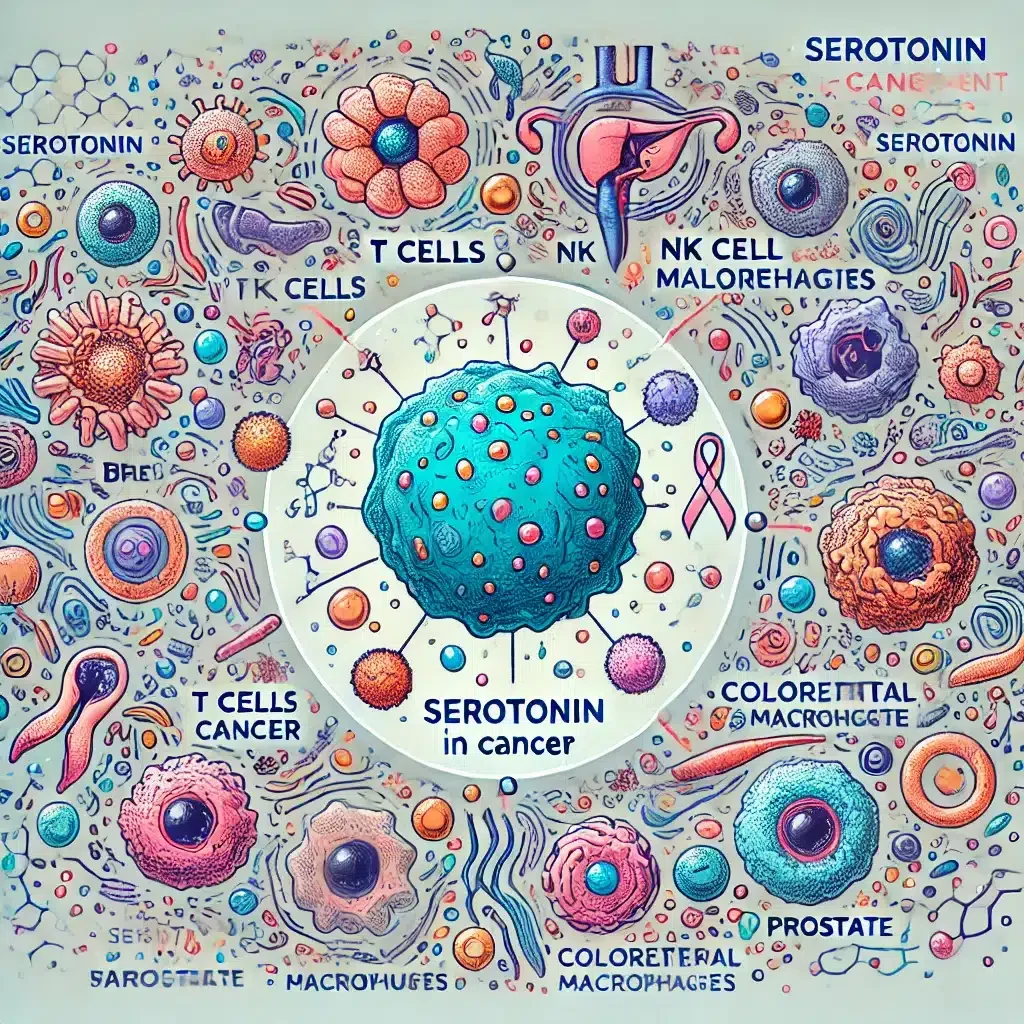
Cancer patients frequently experience depressive symptoms, and the role of serotonin in tumor regulation varies across different types. Highlights: Prevalence of Depression in Cancer Patients: A significant portion of cancer patients experience depressive symp…
Read article ↗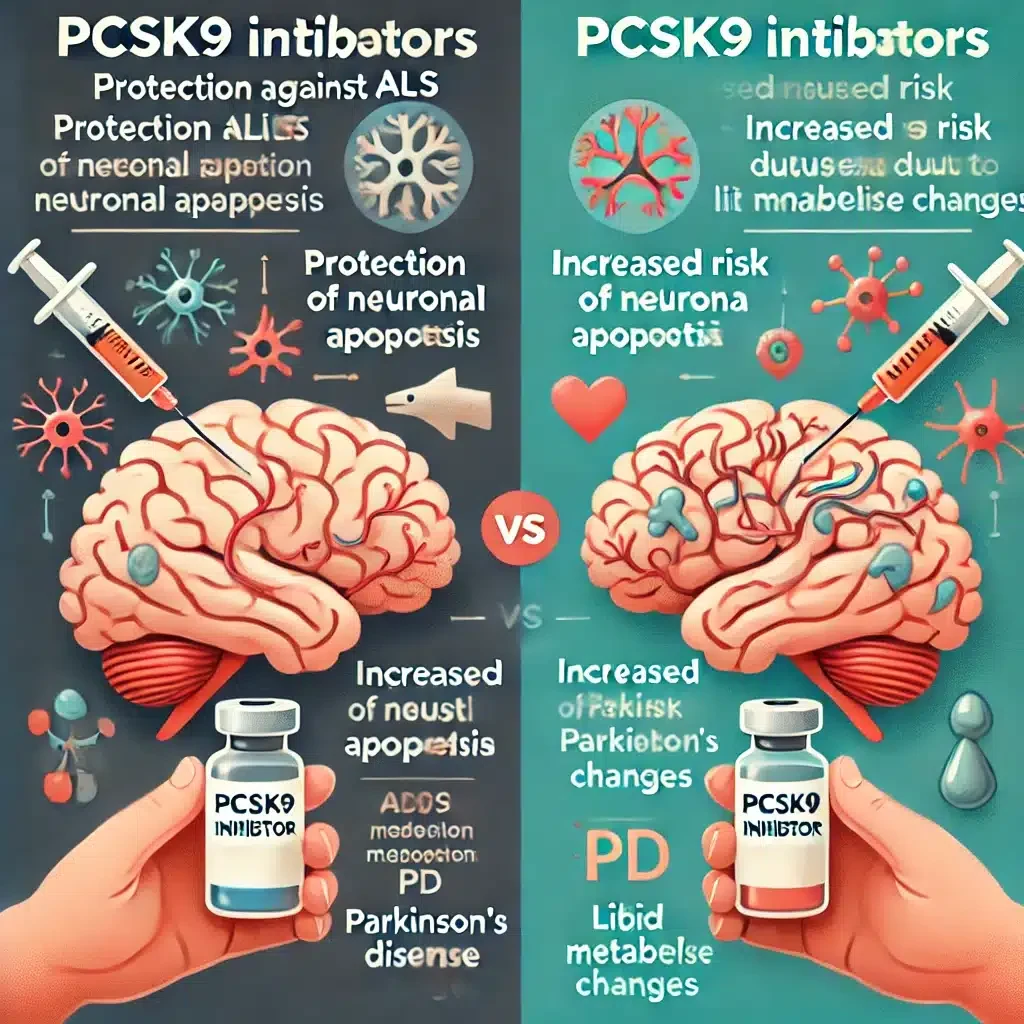
PCSK9 inhibitors significantly reduce the risk of amyotrophic lateral sclerosis (ALS) but increase the risk of Parkinson’s disease (PD). Highlights: ALS Risk Reduction: PCSK9 inhibitors marginally reduced the risk of ALS with an odds ratio of 0.89 (p = 0.048).…
Read article ↗