Hypertension in older adults leads to poorer cognitive and walking performance due to the need for more brain resources to manage dual tasks. Highlights: Older adults with hypertension show higher brain activation in motor and sensory areas when performing dua…
Read article ↗
This study shows that type 2 diabetes causes decreased blood flow and changes in neural activity in specific parts of the hippocampus, which may initially compensate for cognitive decline but deteriorate with worsening diabetes. Highlights: Decreased Perfusion…
Read article ↗
A study found that adults recovering from their first COVID-19 infection more than 1-year ago have higher levels of fatigue and other chronic neuropsychiatric symptoms, influenced by vaccination status and socioeconomic factors. Highlights: Adults who had thei…
Read article ↗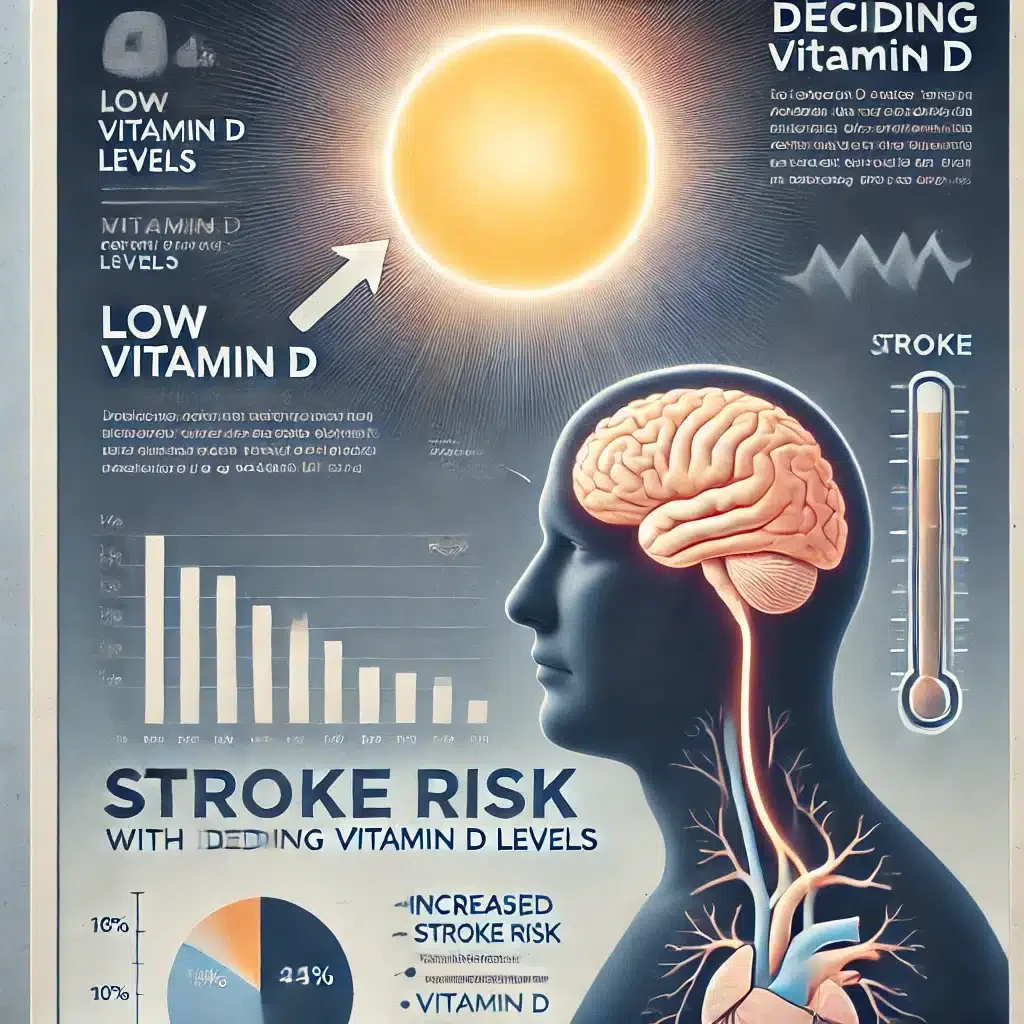
TLDR: Lower serum vitamin D levels are associated with an increased risk of stroke, particularly ischemic stroke, and are linked to poorer stroke outcomes. Highlights: The meta-analysis included 27 studies with 45,302 participants, finding a combined relative…
Read article ↗
TLDR: Objective olfactory dysfunction 1-3 months after COVID-19 predicts post-COVID condition (PCC) and reduced quality of life after one year, while subjective symptoms do not. Highlights: Individuals with objectively measured olfactory dysfunction shortly af…
Read article ↗
TLDR: Herpes zoster vaccination is linked to a lower risk of dementia, but more studies are needed to confirm this association. Highlights: Five high-quality studies involving 103,615 vaccinated patients were analyzed. Herpes zoster vaccination was associated…
Read article ↗
TLDR: GLP-1 agonists were found to significantly reduce the risk of dementia in older individuals with type 2 diabetes mellitus (T2DM) compared to DPP-4 inhibitors and sulfonylureas. Highlights: A sequential trial emulation was conducted using data from Swedis…
Read article ↗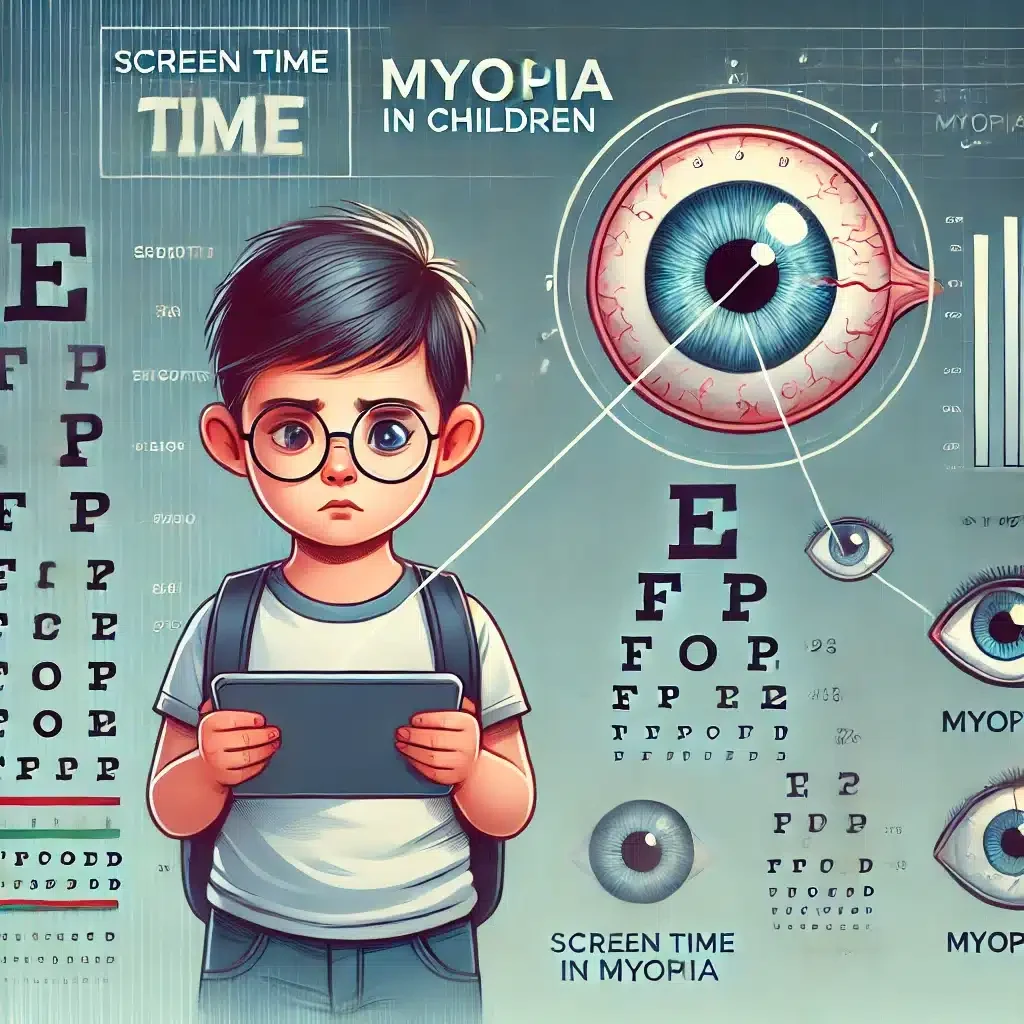
TLDR: High screen time exposure is significantly associated with an increased risk of myopia in children and adolescents, with computer use showing the strongest correlation, followed by television, while smartphone use shows no significant association. Highli…
Read article ↗
TLDR: A recent study explored the potential causal relationship between atopic dermatitis (AD) a.k.a. eczema and various psychiatric disorders – finding bidirectional links. Highlights: Data from over 860,000 individuals were analyzed Atopic dermatitis (eczema…
Read article ↗
Ménière’s disease, a debilitating inner ear disorder, has long puzzled scientists and patients alike with its unpredictable episodes of vertigo, hearing loss, and tinnitus. Recent studies have explored the potential benefits of lifestyle and dietary changes in…
Read article ↗