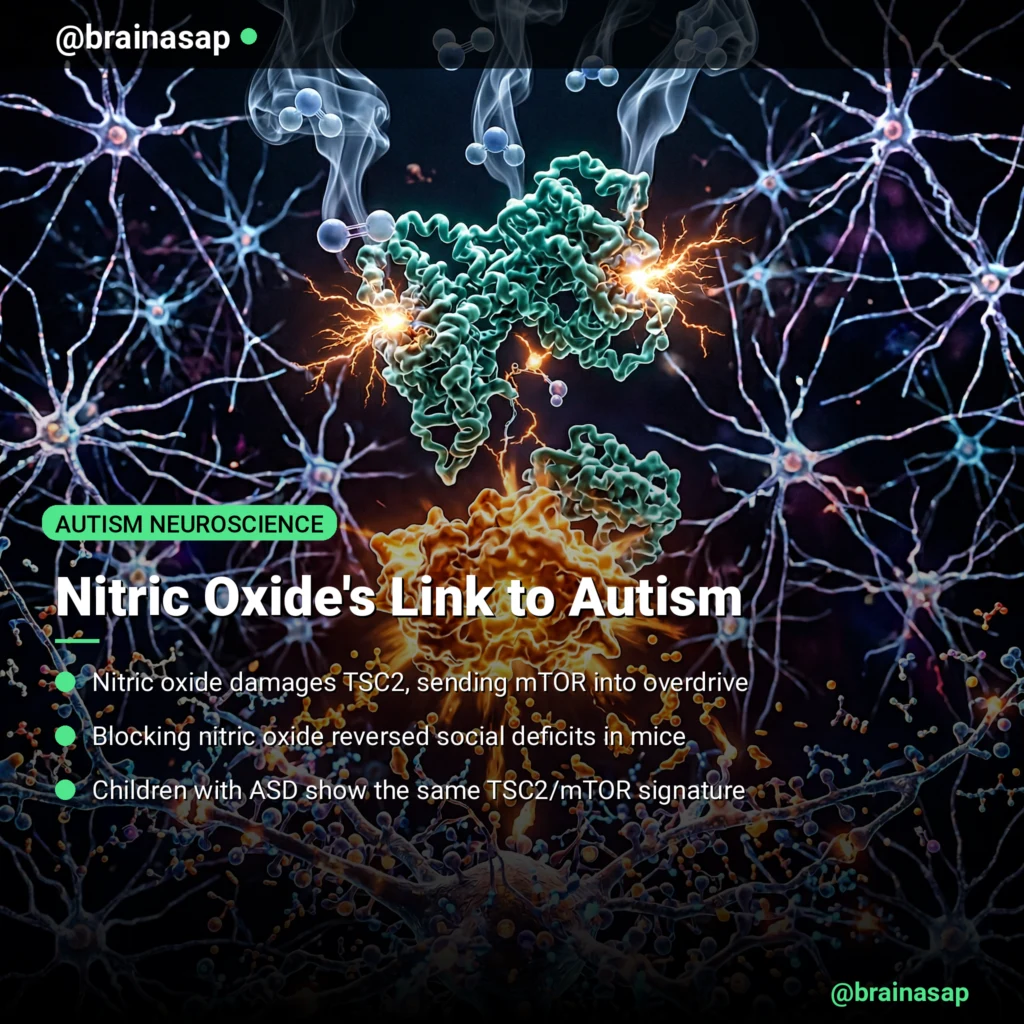
Nitric Oxide’s Hidden Link to Autism Behavior TL;DR: A chemical messenger called nitric oxide triggers protein damage that sends the mTOR pathway into overdrive in autism-related mouse models, driving social deficits and repetitive behaviors—and blocking this…
Read article ↗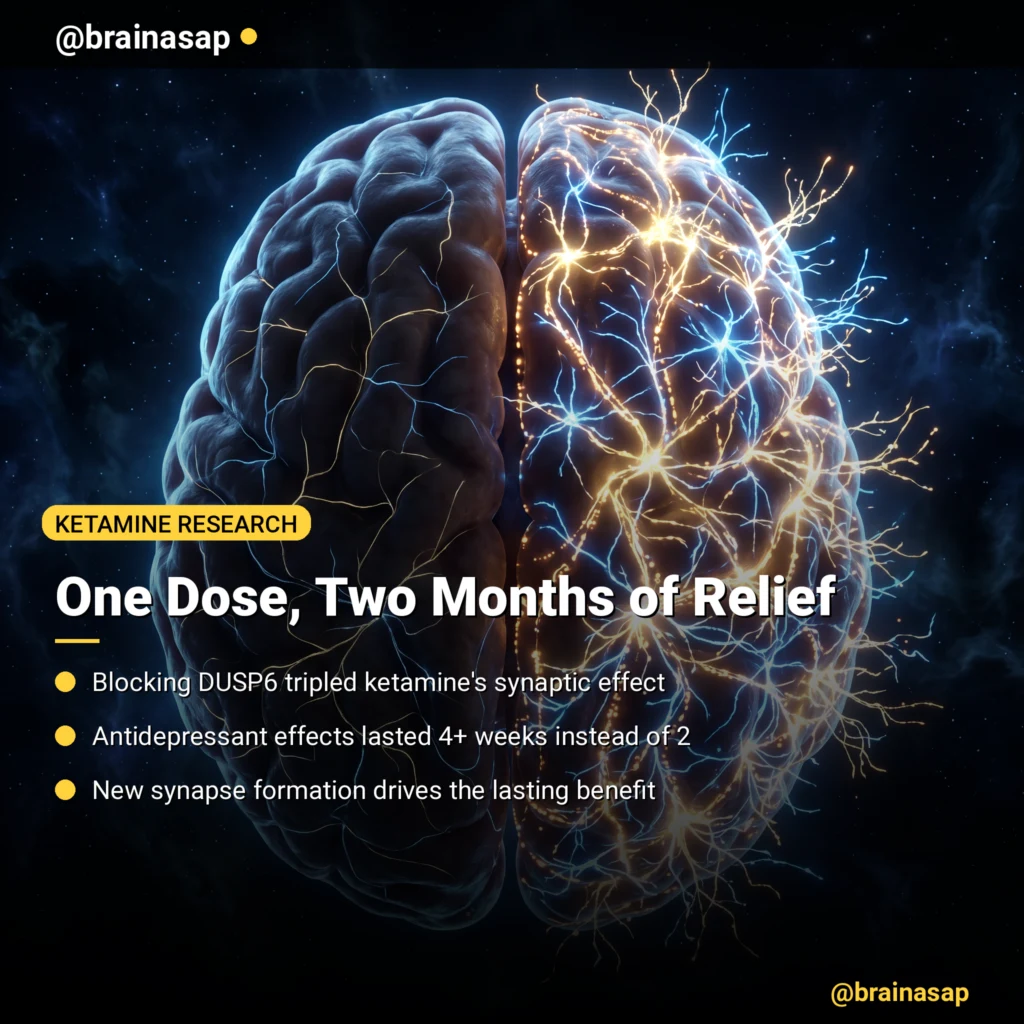
How Scientists Turned a Brief Ketamine High into a Two-Month Antidepressant Effect TL;DR: Blocking DUSP6 protein alongside ketamine extends antidepressant effects from 2 weeks to 4+ weeks in mice, potentially offering single-dose treatment instead of repeated…
Read article ↗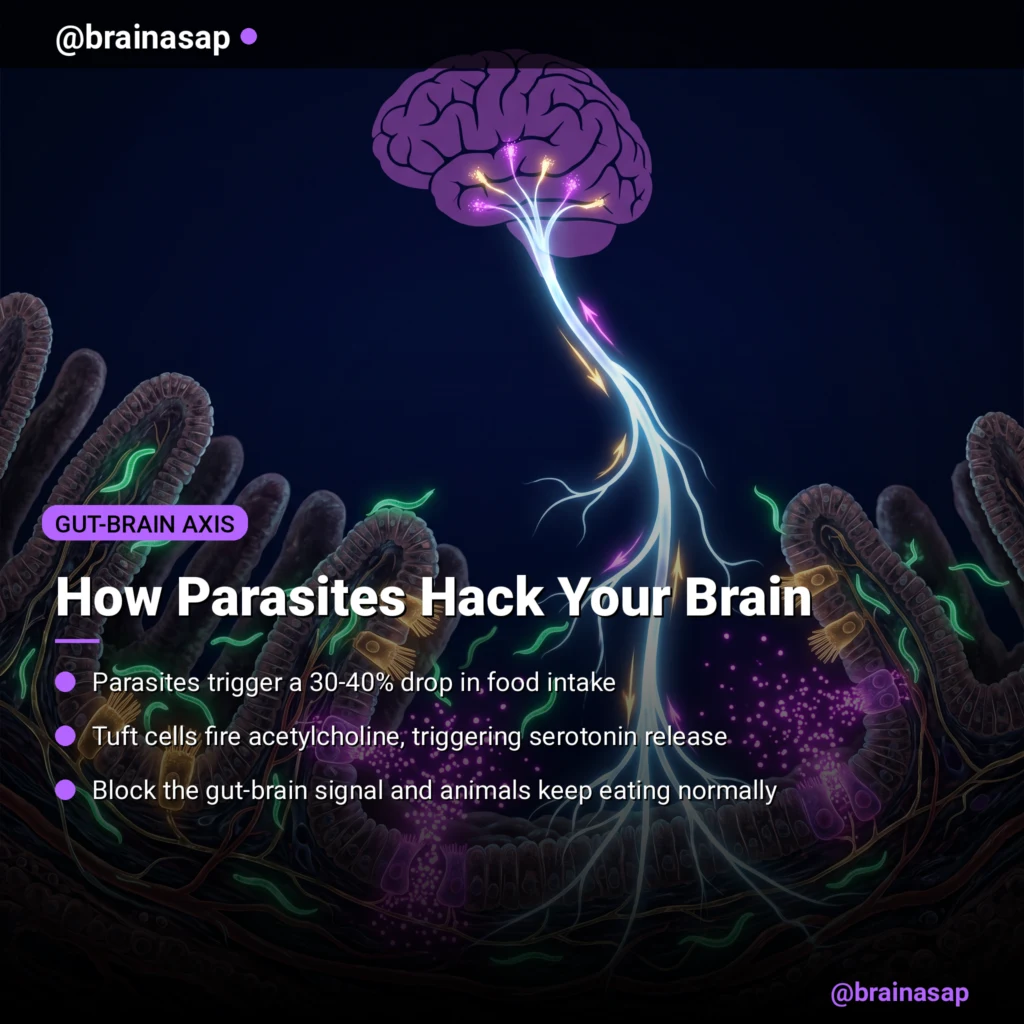
How Parasites Hack Your Gut-Brain Connection TL;DR: Parasitic infections trigger a sophisticated cellular conversation in the gut that signals the brain to stop eating—a protective response that reveals how infection hijacks the gut-brain axis through epitheli…
Read article ↗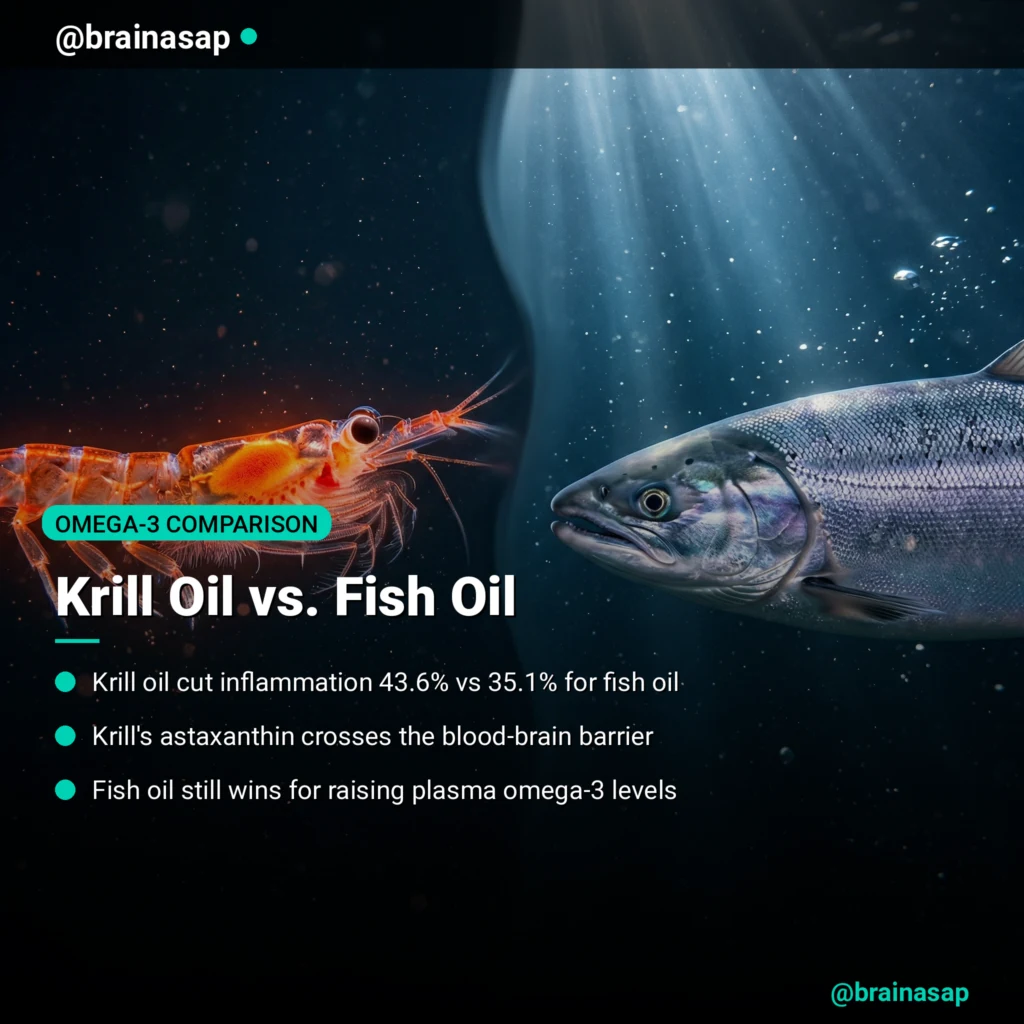
Krill Oil vs Fish Oil: Which Omega-3 Source Wins Against Inflammation and Oxidative Stress? TL;DR: Krill oil has a slight edge for inflammation due to astaxanthin, but fish oil wins for raising blood omega-3 levels and long-term cardiovascular outcomes. Fish o…
Read article ↗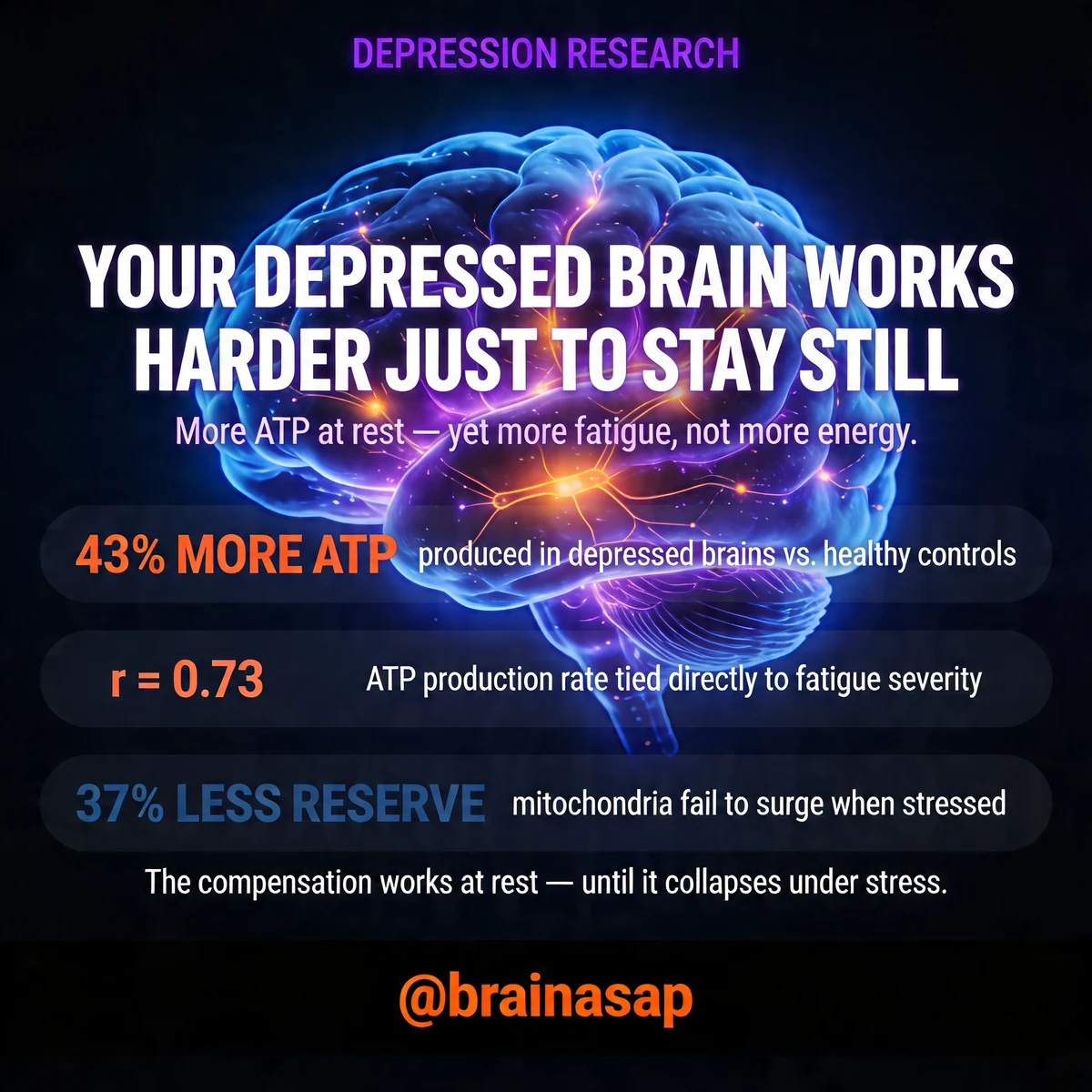
The Energy Paradox: Why Depressed Brains Burn Faster TL;DR: Young adults with depression produce ATP—the cell’s energy currency—at faster rates in both brain and blood, yet still feel more fatigued. New research reveals this is a compensatory mechanism that wo…
Read article ↗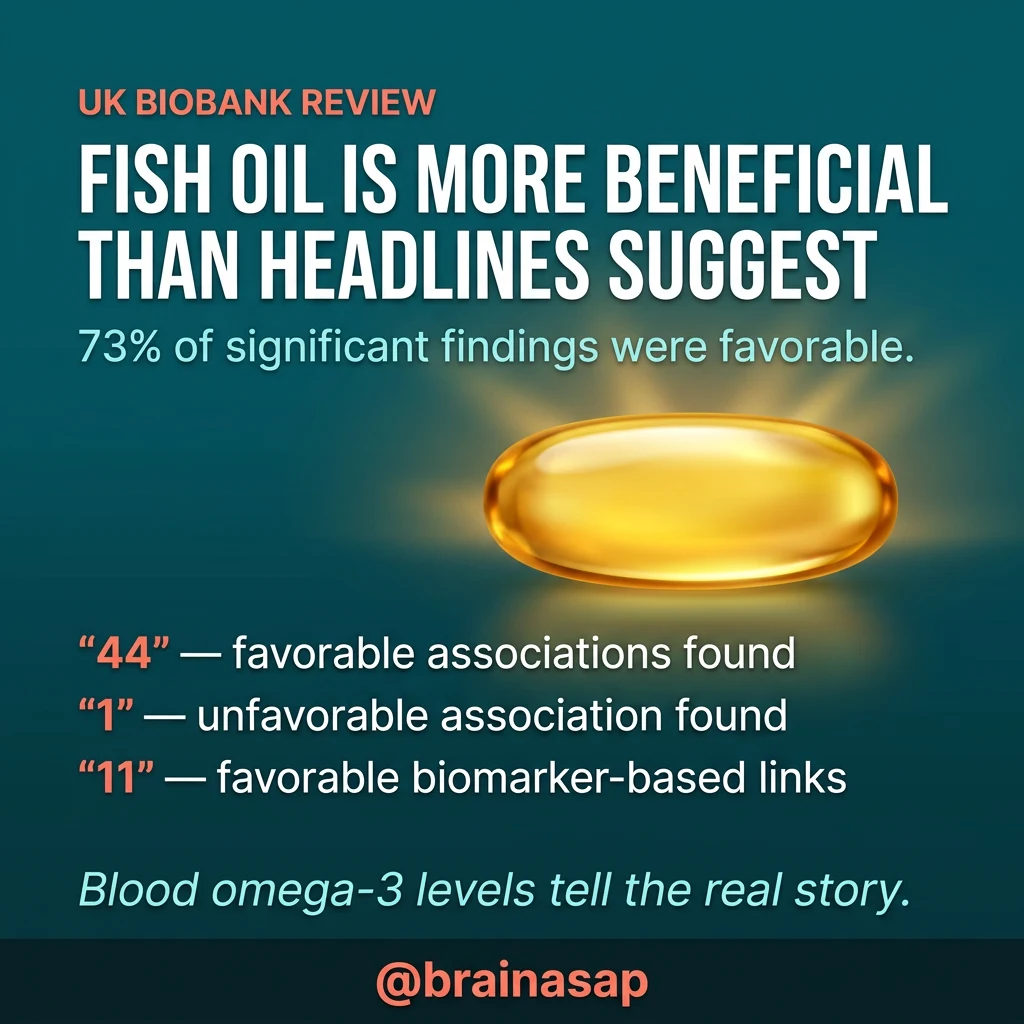
Fish Oil Supplements Aren’t the Villain TL;DR: A comprehensive review of the UK Biobank found that fish oil supplements show favorable associations with health outcomes—not harmful ones—contradicting recent alarming headlines about atrial fibrillation risk. Wh…
Read article ↗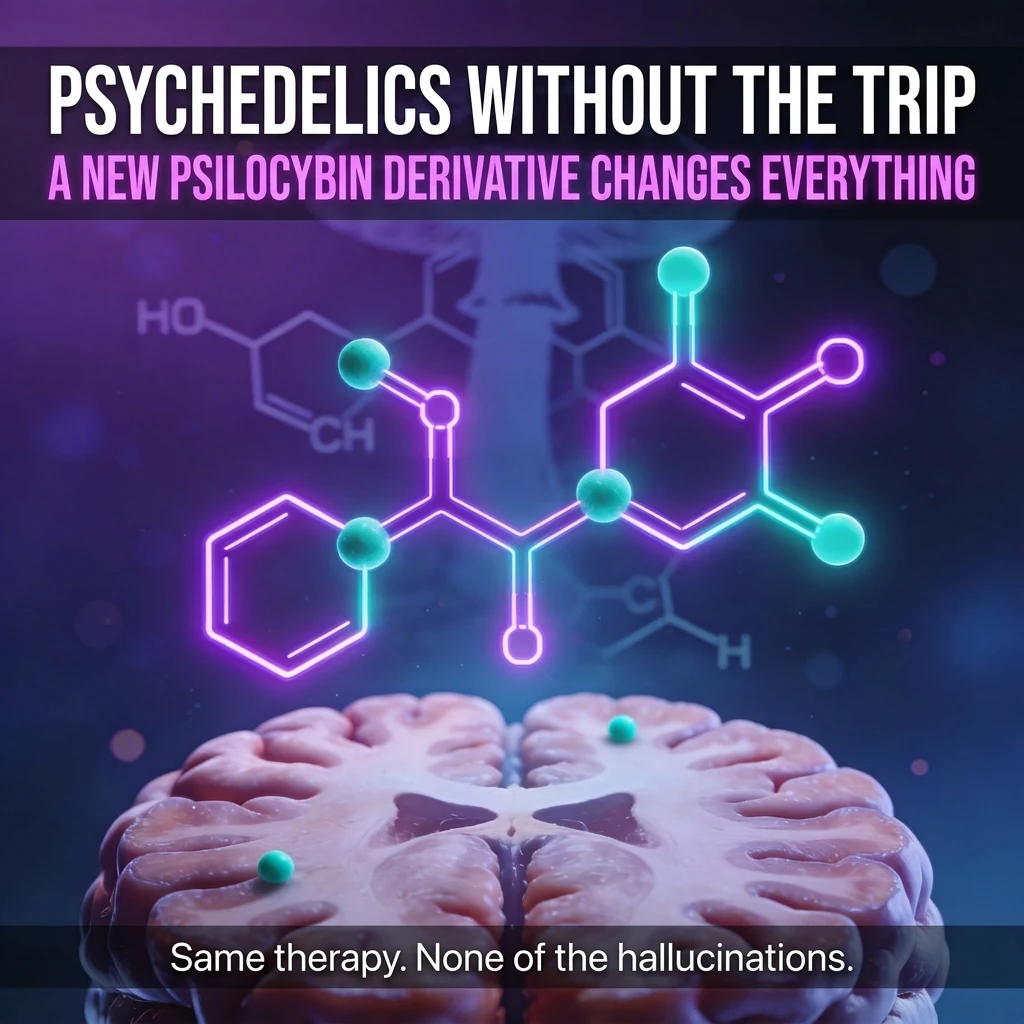
Fluorinated Psilocin: The Sub-Hallucinogenic Breakthrough TL;DR: Chemists designed a new psilocin derivative with fluorine modifications that induces sub-hallucinogenic effects in mice, sidestepping the acute psychological effects of classic psychedelics while…
Read article ↗
Blood Test Predicts Alzheimer’s 3-4 Years Early TL;DR: A blood test measuring phosphorylated tau-217 can predict when cognitively normal people will develop Alzheimer’s symptoms with a 3.0-3.7 year margin of error, potentially transforming how researchers iden…
Read article ↗
Blood Test Detects Alzheimer’s with 83% Accuracy TL;DR: A new blood test using three misfolded plasma proteins can identify Alzheimer’s disease with 83.44% accuracy, outperforming conventional biomarkers and offering a non-invasive screening tool years before…
Read article ↗
How a Hidden Proton Channel Sabotages Brain Cells in Parkinson’s TL;DR: A newly decoded proton channel called TMEM175 lies dormant in lysosomes until acid arrives—then it opens wide and floods the cell with hydrogen ions, disrupting the delicate pH balance lin…
Read article ↗