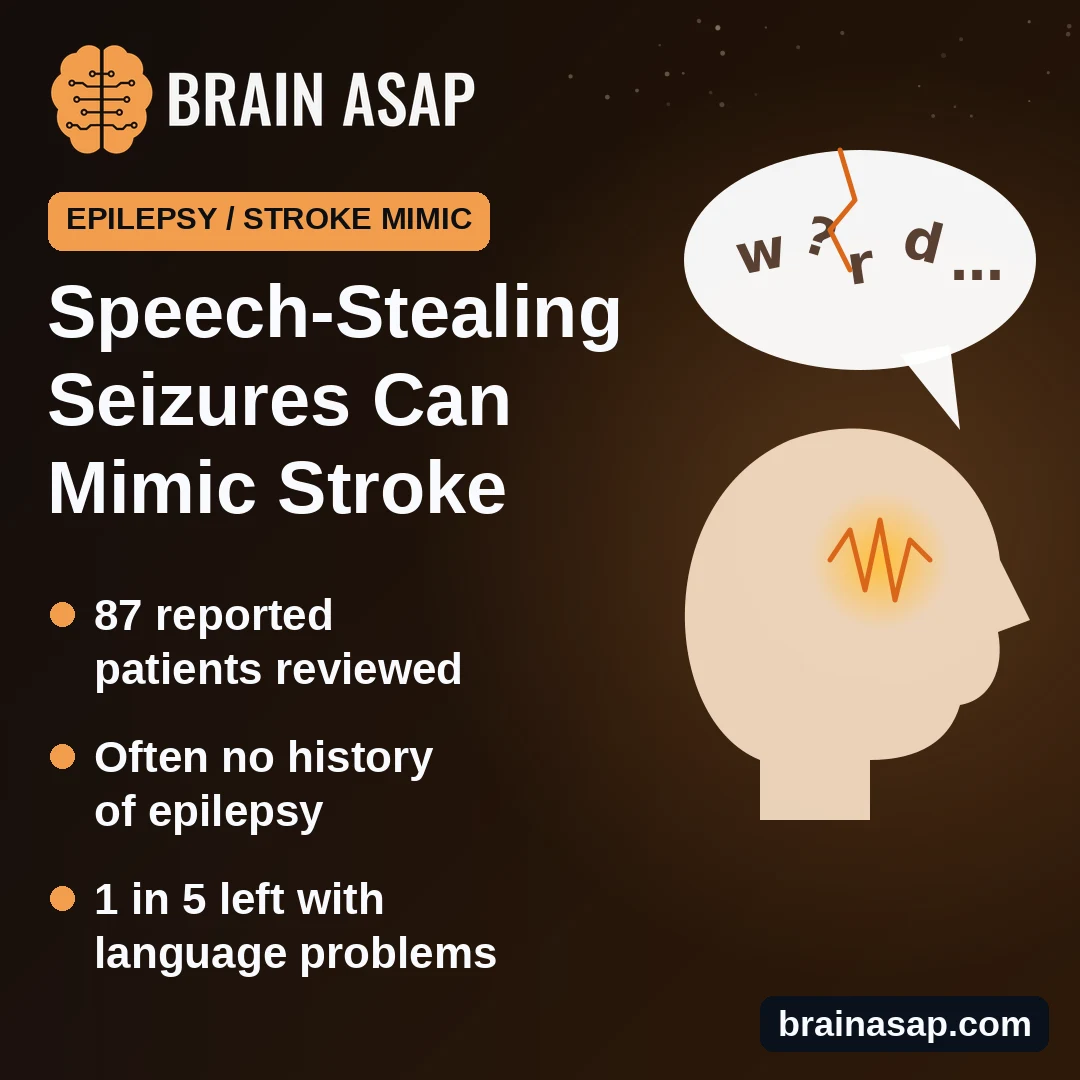
TL;DR: Seizures can sometimes steal a person’s ability to speak or understand language for hours or days without causing convulsions, and they can look just like a stroke. A review of 87 reported patients found that 1 in 5 attacks left lasting language problem…
Read article ↗
TL;DR: A 2026 systematic review and meta-analysis in Pain Medicine found that Medicaid enrollment and preoperative benzodiazepine use had the largest pooled associations with new persistent opioid use after surgery among opioid-naive US adults. Key Findings 27…
Read article ↗
TL;DR: A 2026 review in CNS Drugs argues that seletracetam, an unapproved SV2A-targeting antiseizure drug, may deserve renewed development as a low-volume intranasal non-benzodiazepine rescue treatment for acute repetitive seizures. Key Findings SV2A racetam:…
Read article ↗
TL;DR: A 2026 nationwide study in PLOS One found that adults age 40 and older in Iceland often had psychiatric diagnoses and psychotropic medication fills, with 20.8% receiving a diagnosis in the prior year and 34.2% filling at least one psychotropic prescript…
Read article ↗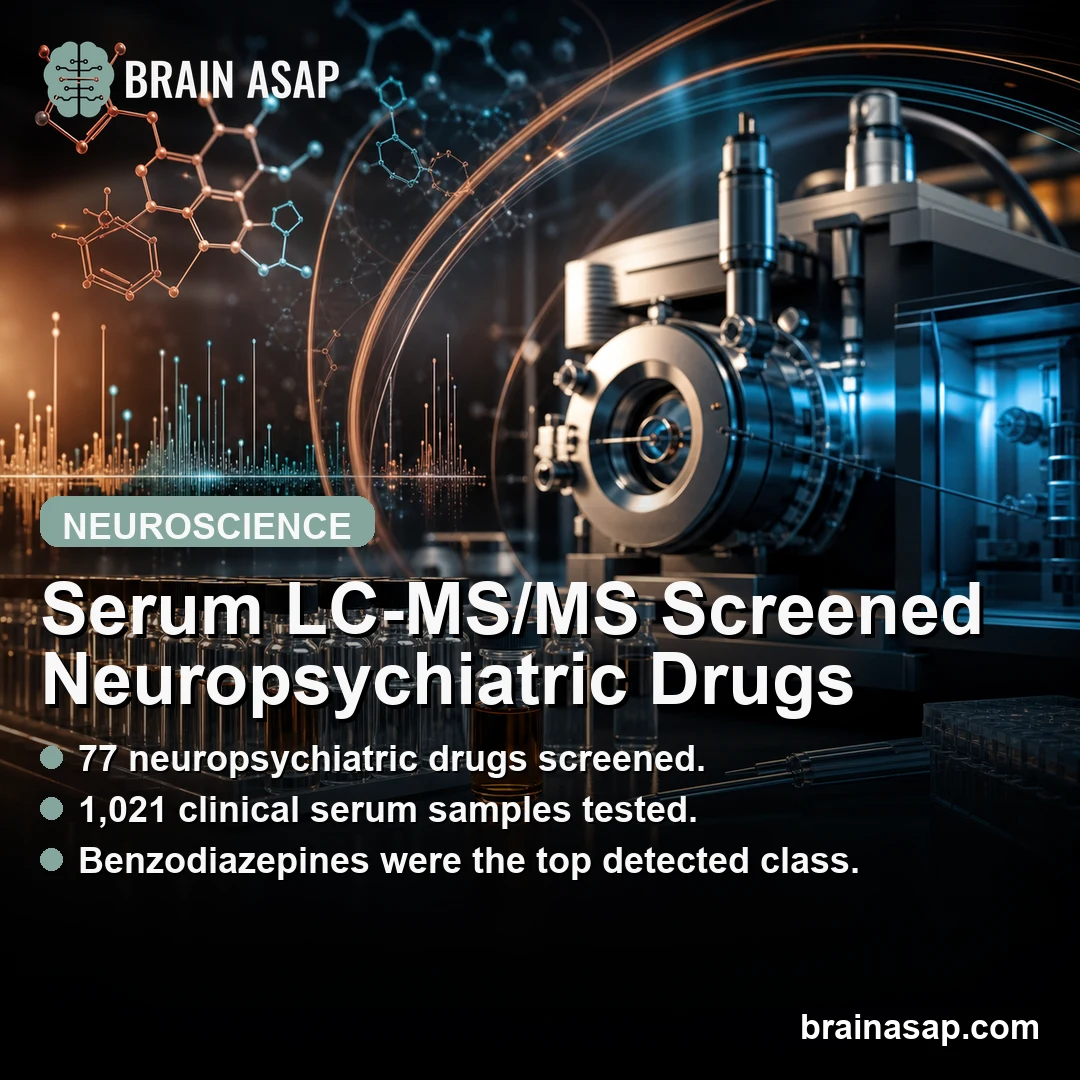
TL;DR: A 2026 study in Drug Design, Development and Therapy validated liquid chromatography-tandem mass spectrometry (LC-MS/MS), a high-specificity lab method, to screen serum for 77 neuropsychiatric drugs and then applied it to 1,021 clinical specimens over 3…
Read article ↗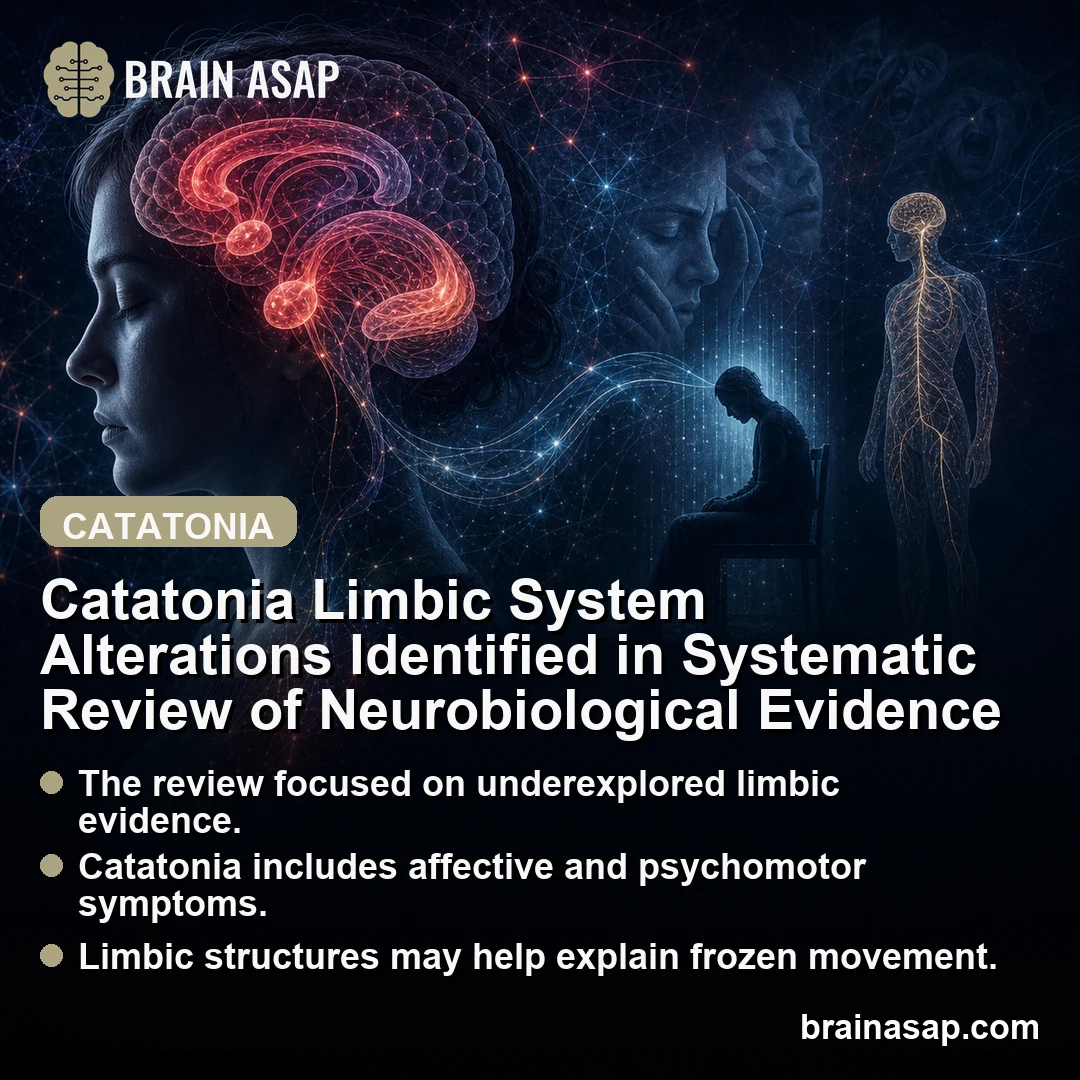
TL;DR: A 2026 systematic review in European Archives of Psychiatry and Clinical Neuroscience argues that catatonia, a syndrome of freezing, mutism, and abnormal movement, may involve underweighted limbic-system circuitry linking emotional regulation with motor…
Read article ↗
Recreational drug use is constantly evolving, with new substances emerging and old drugs being used in new ways. This can pose risks, especially for the developing adolescent brain. Key Facts: Use of designer opioids like fentanyl is skyrocketing, causing a ri…
Read article ↗