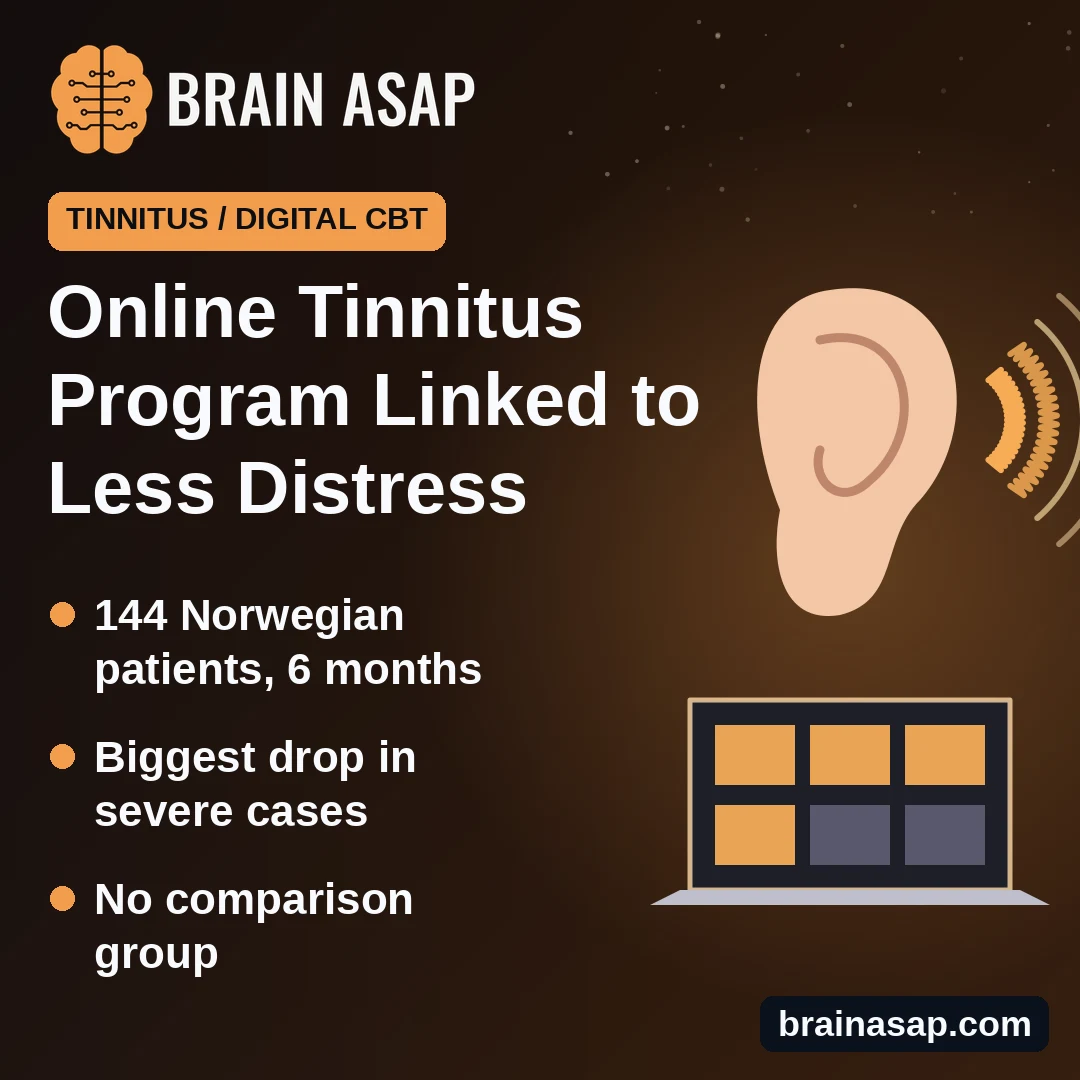
TL;DR: In 144 Norwegian tinnitus patients, an online program of retraining therapy and CBT was linked to less tinnitus distress after 6 months, most in severe cases. With no comparison group, the program can’t take full credit. Key Findings 144 patients: A 6-h…
Read article ↗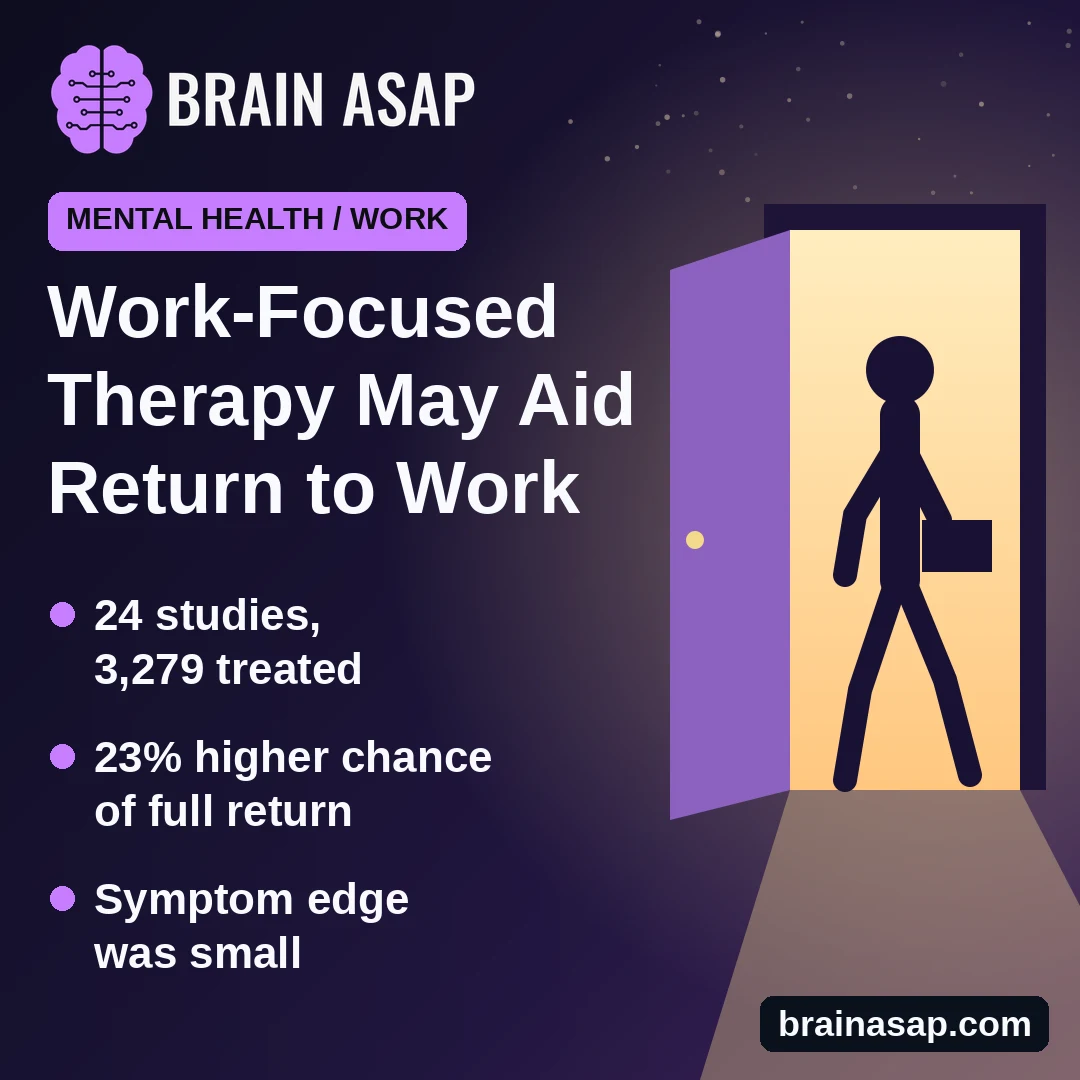
TL;DR: Across 24 studies of adults with depression, anxiety or stress, talk therapy built around getting back to work was linked to a modestly higher chance of fully returning. Its edge over other care for symptoms was small and faded by later follow-up. Key F…
Read article ↗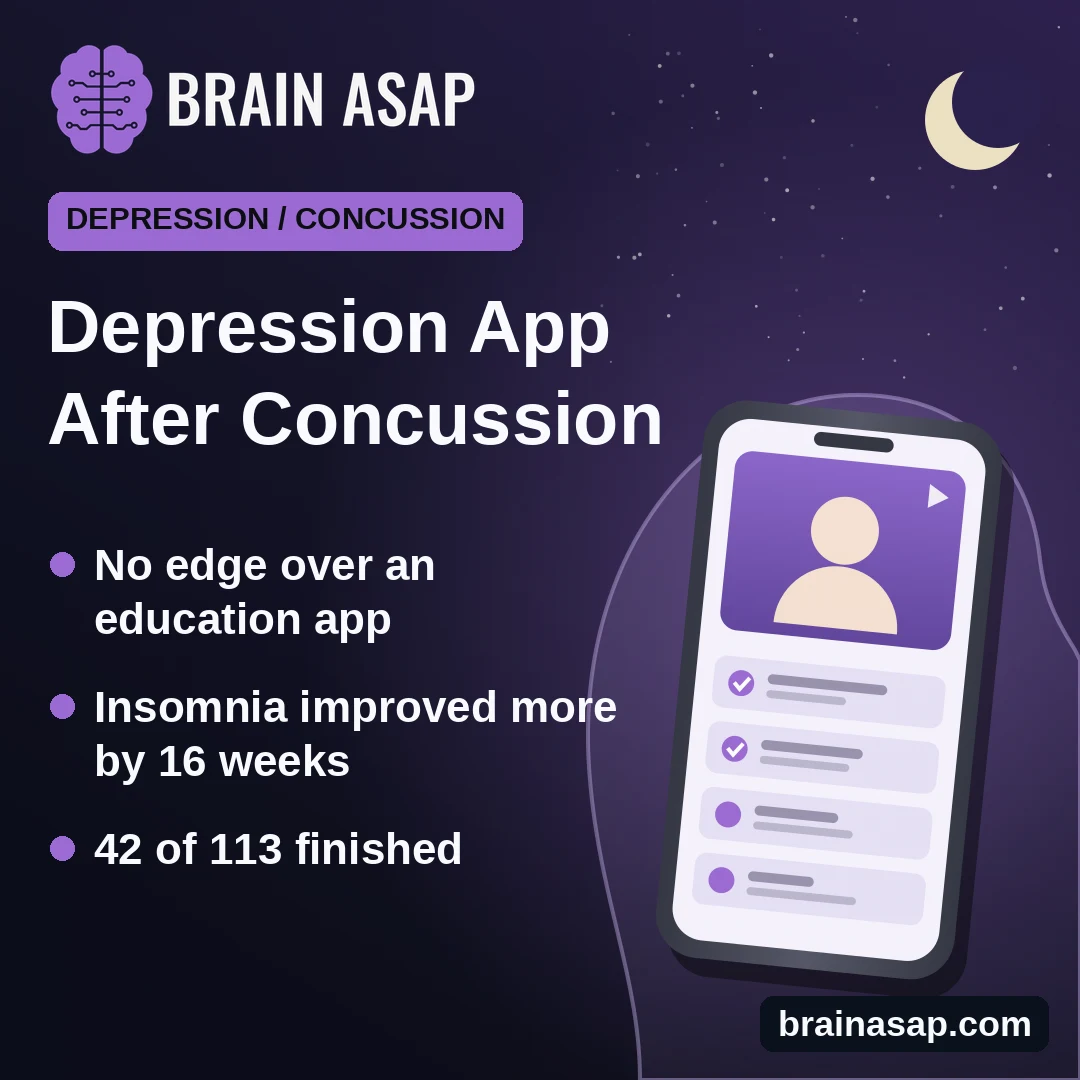
TL;DR: A therapy app did not reduce depression scores more than a look-alike education app in a trial of adults with past concussions. Insomnia scores improved more with the therapy app, but only 42 of 113 participants completed the main 12-week check-in. Key…
Read article ↗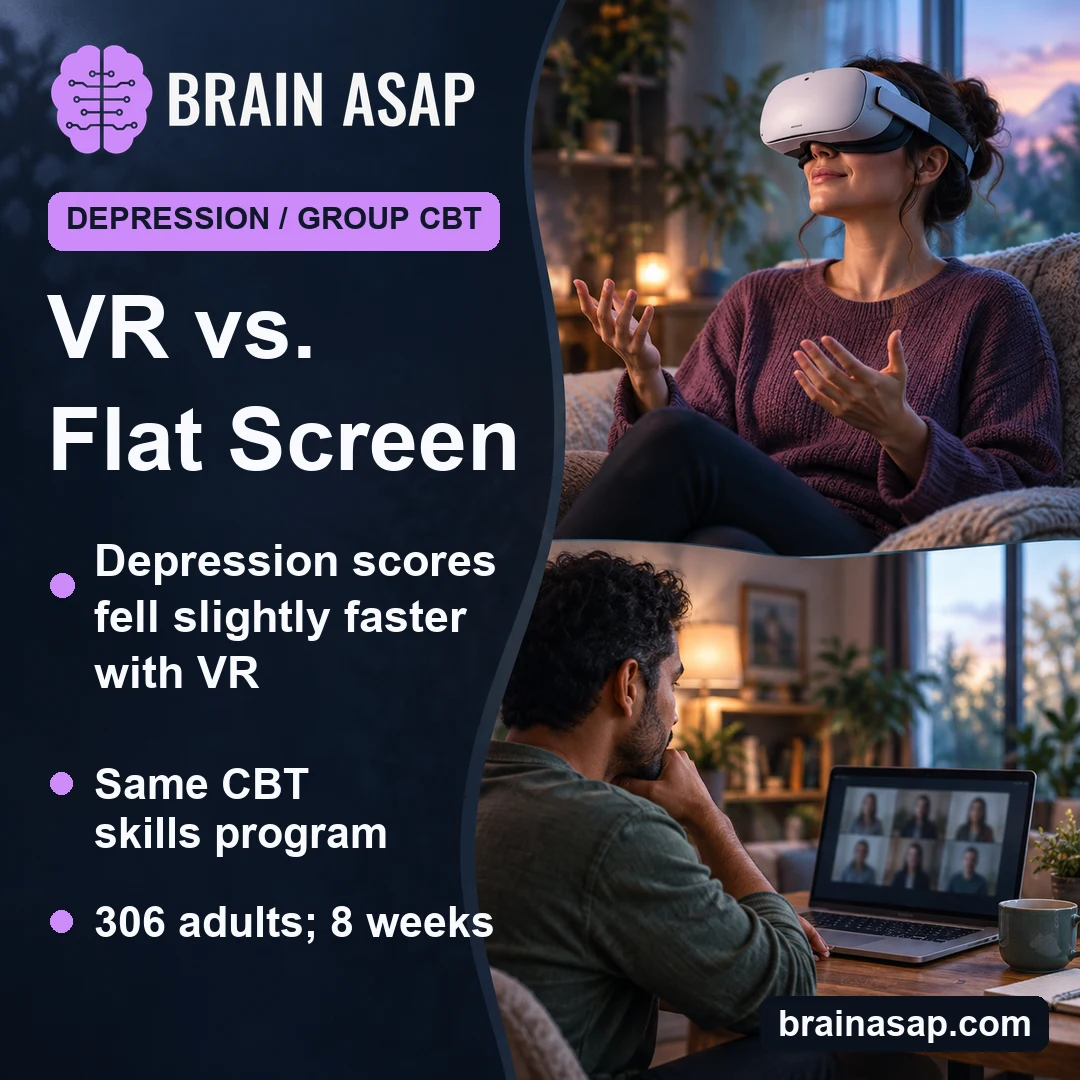
TL;DR: A 2026 randomized trial in Journal of Medical Internet Research gave adults with elevated depression symptoms the same coach-led group skills program through either a VR headset or a flat screen. Depression scores fell slightly faster in the VR group ov…
Read article ↗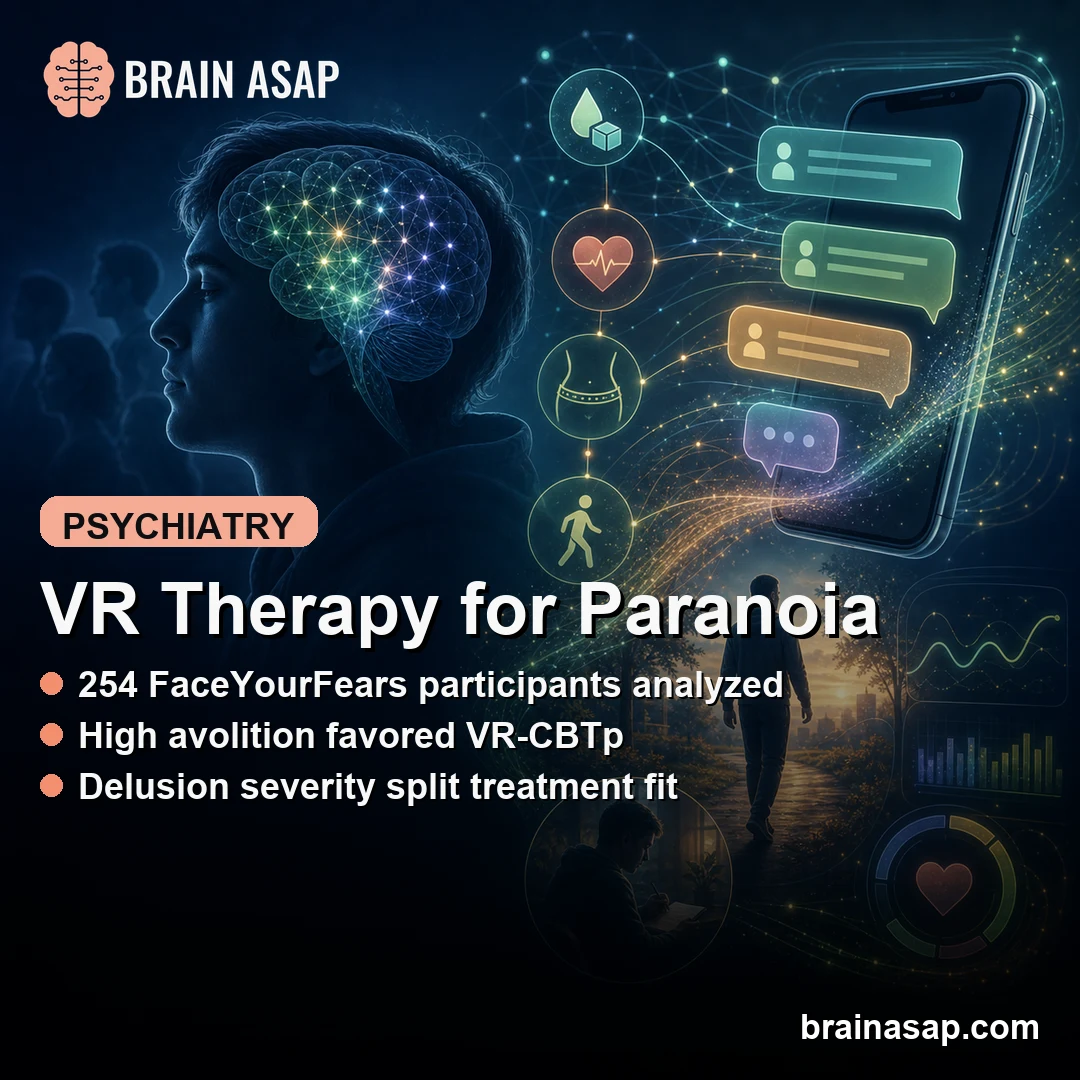
TL;DR: A 2026 study in Psychological Medicine found that people with schizophrenia spectrum disorders and higher avolition or moderate-to-high delusion severity appeared to improve more after virtual reality cognitive behavioral therapy for psychosis (VR-CBTp)…
Read article ↗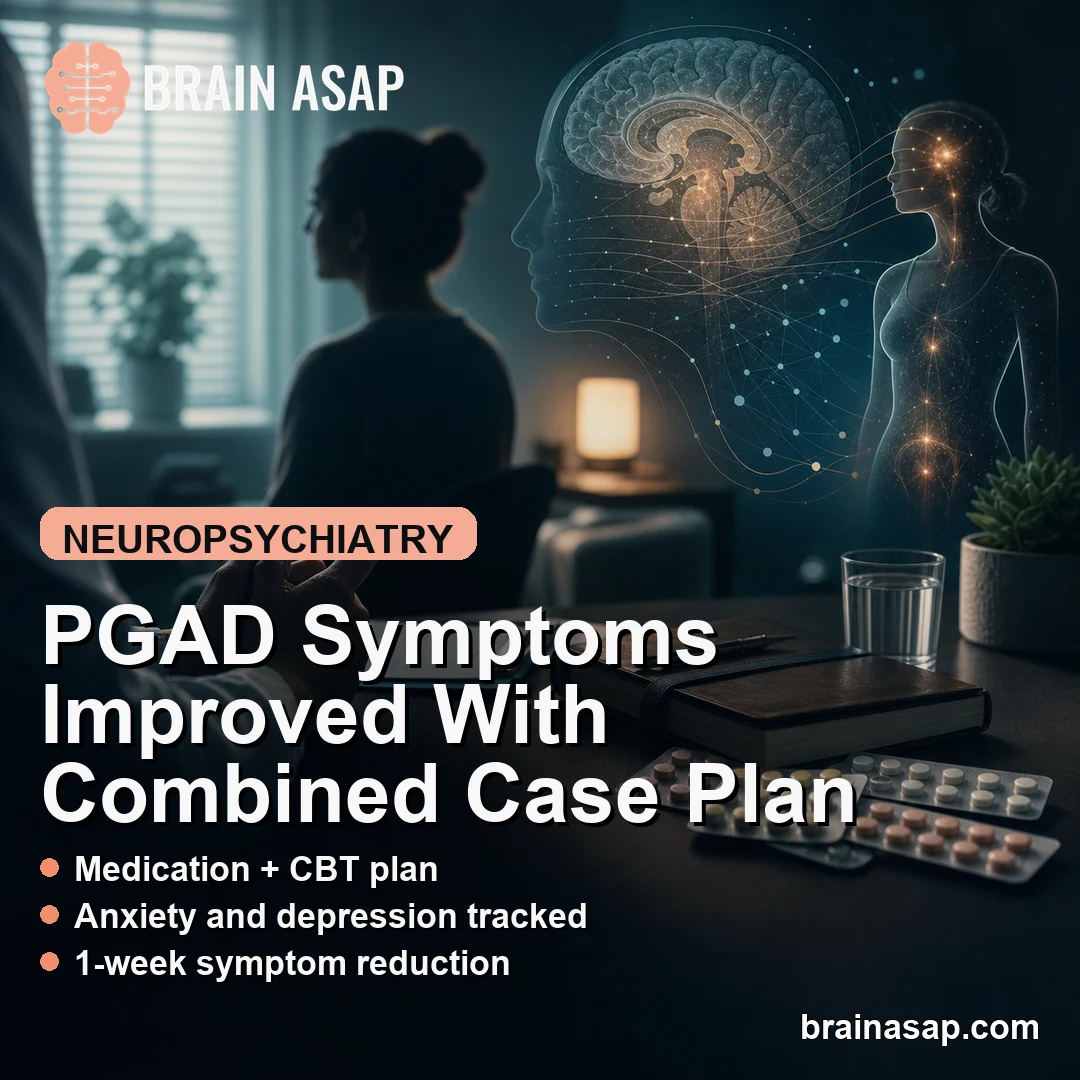
TL;DR: A 2026 study in Clinical Case Reports described persistent genital arousal disorder in a woman in her 30s, with symptom improvement after combined risperidone, sodium valproate, fluoxetine, short-term clonazepam, relaxation work, and cognitive behaviora…
Read article ↗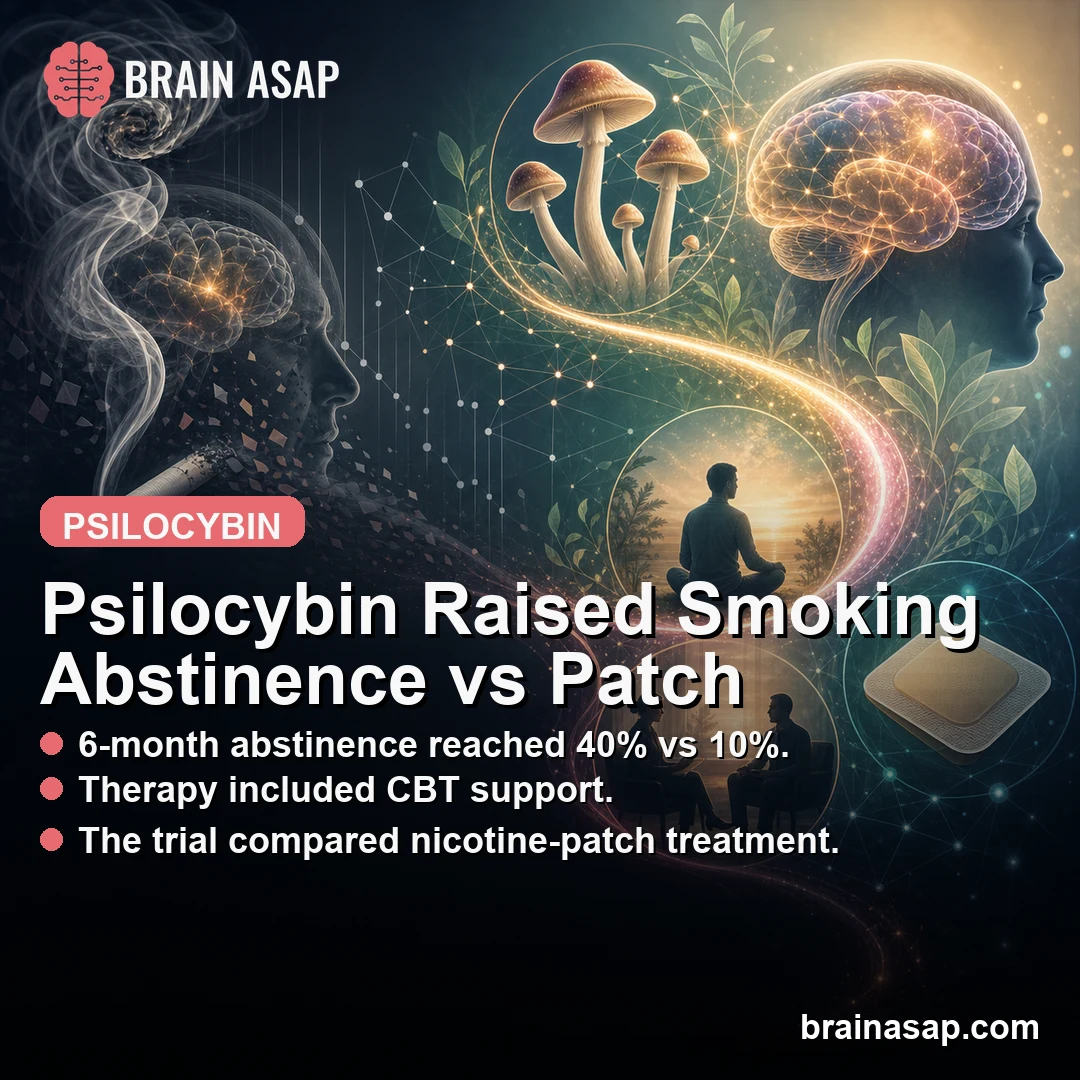
TL;DR: A 2026 randomized clinical trial in JAMA Network Open found that one supervised 30 mg/70 kg psilocybin dose plus cognitive behavioral therapy produced 40.5% six-month smoking abstinence versus 10.0% with a nicotine patch plus the same therapy. Key Findi…
Read article ↗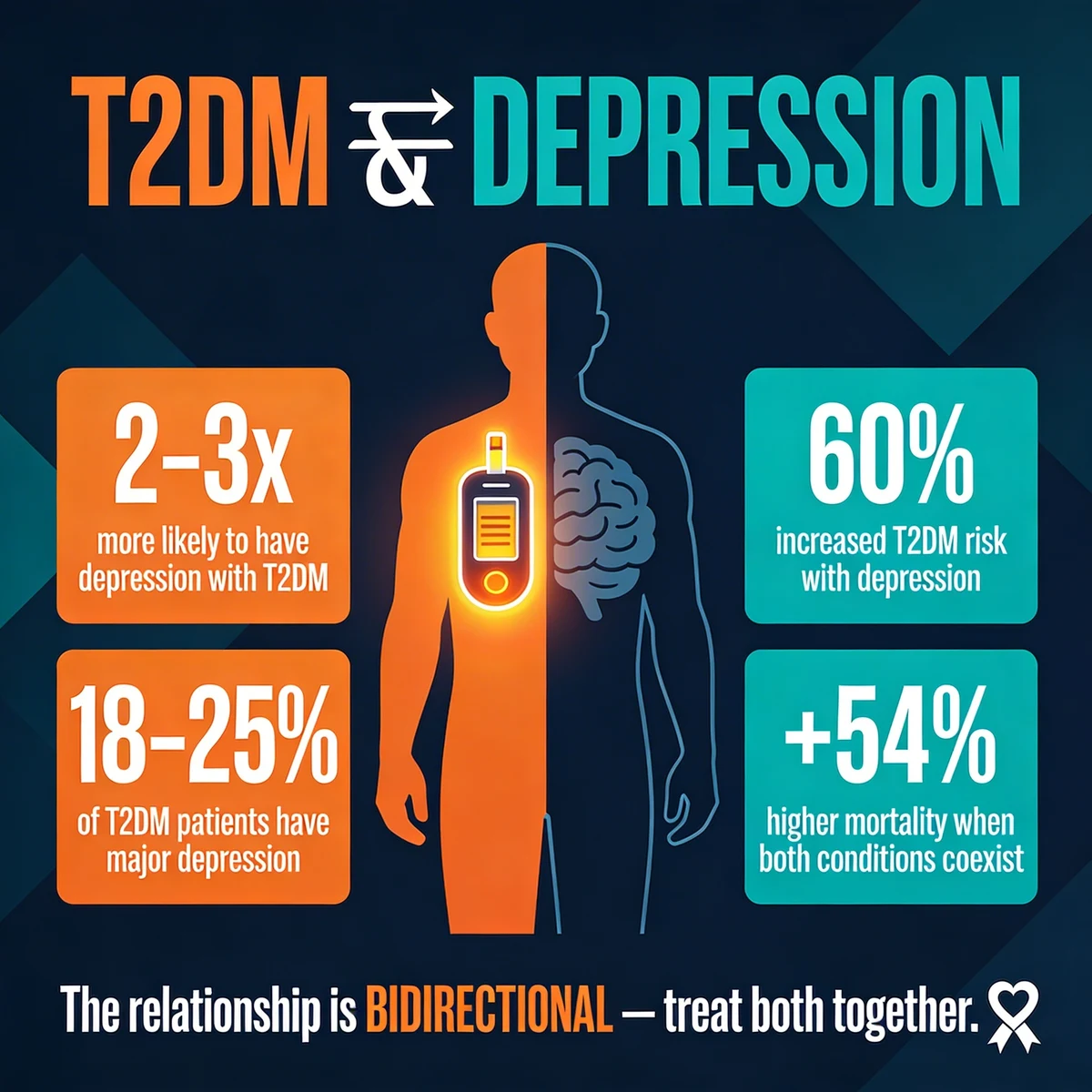
Diabetes and Depression Are Not Just Comorbidities—They Drive Each Other TL;DR: Diabetes and depression form a vicious cycle: high blood sugar triggers neuroinflammation and HPA axis dysfunction that cause depression, while depression sabotages blood sugar con…
Read article ↗
TLDR: A study in the UK found that severe COVID anxiety tends to decrease over 6 months from onset, both organically and with the help of CBT for Health Anxiety (CBT-HA), though many individuals still experience significant anxiety and poor social functioning,…
Read article ↗
Major depressive disorder (depression) is very common. It causes a lot of suffering and disability around the world. The good news is many people get better with medication, psychotherapy (talk therapy), or both. But for some people, depression just won’t go a…
Read article ↗