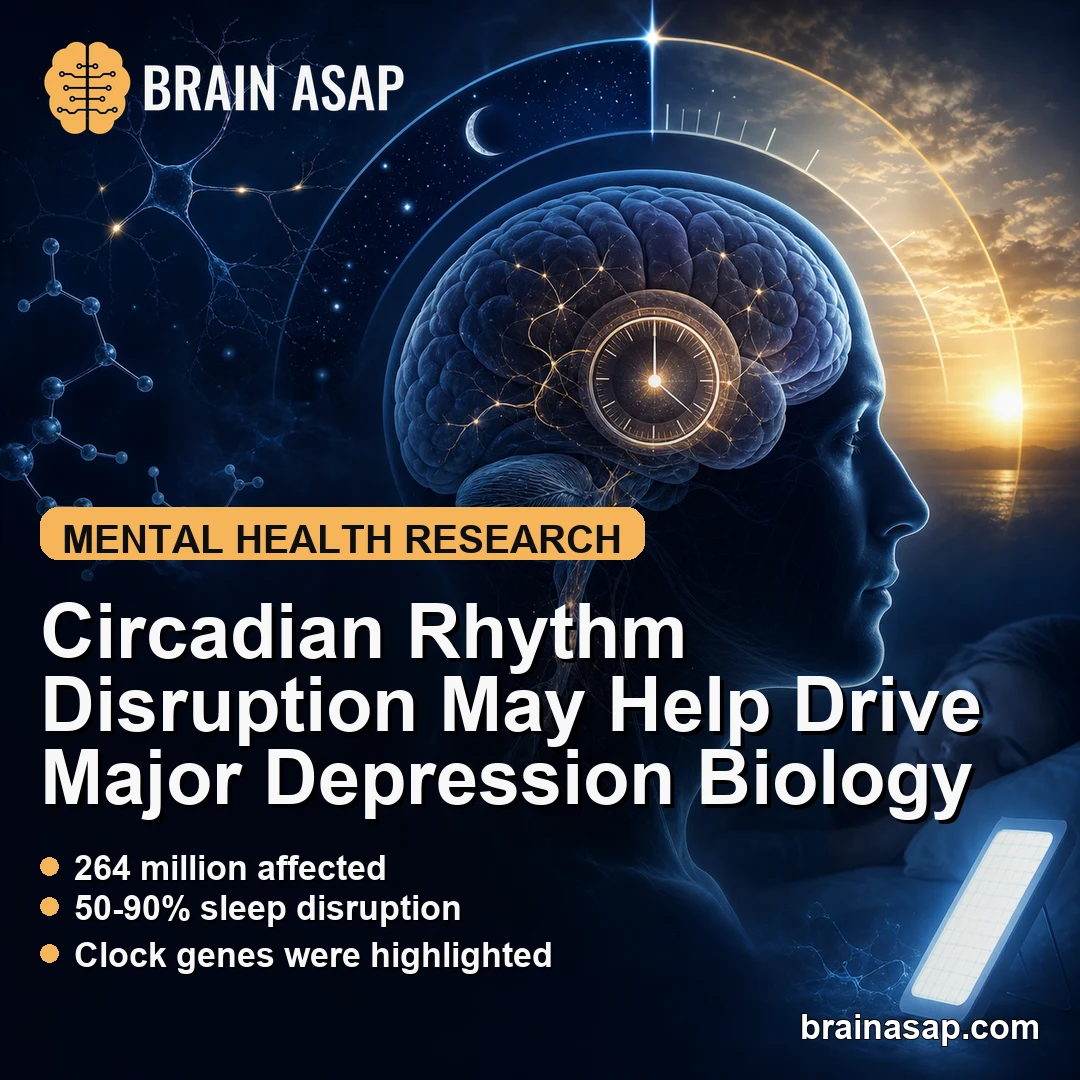
TL;DR: A 2026 review in Annals of Medicine argues that circadian rhythm disruption in major depressive disorder (MDD) reaches beyond poor sleep, linking clock-gene variation, sleep-wake timing, stress-hormone rhythms, melatonin signaling, and chronotherapy tar…
Read article ↗
TL;DR: A 2026 randomized follow-up study in Maternal & Child Nutrition found no overall hair-cortisol difference at ages 9-11 after early-life small-quantity lipid-based nutrient supplementation, but children whose mothers had 0-5 years of schooling had lower…
Read article ↗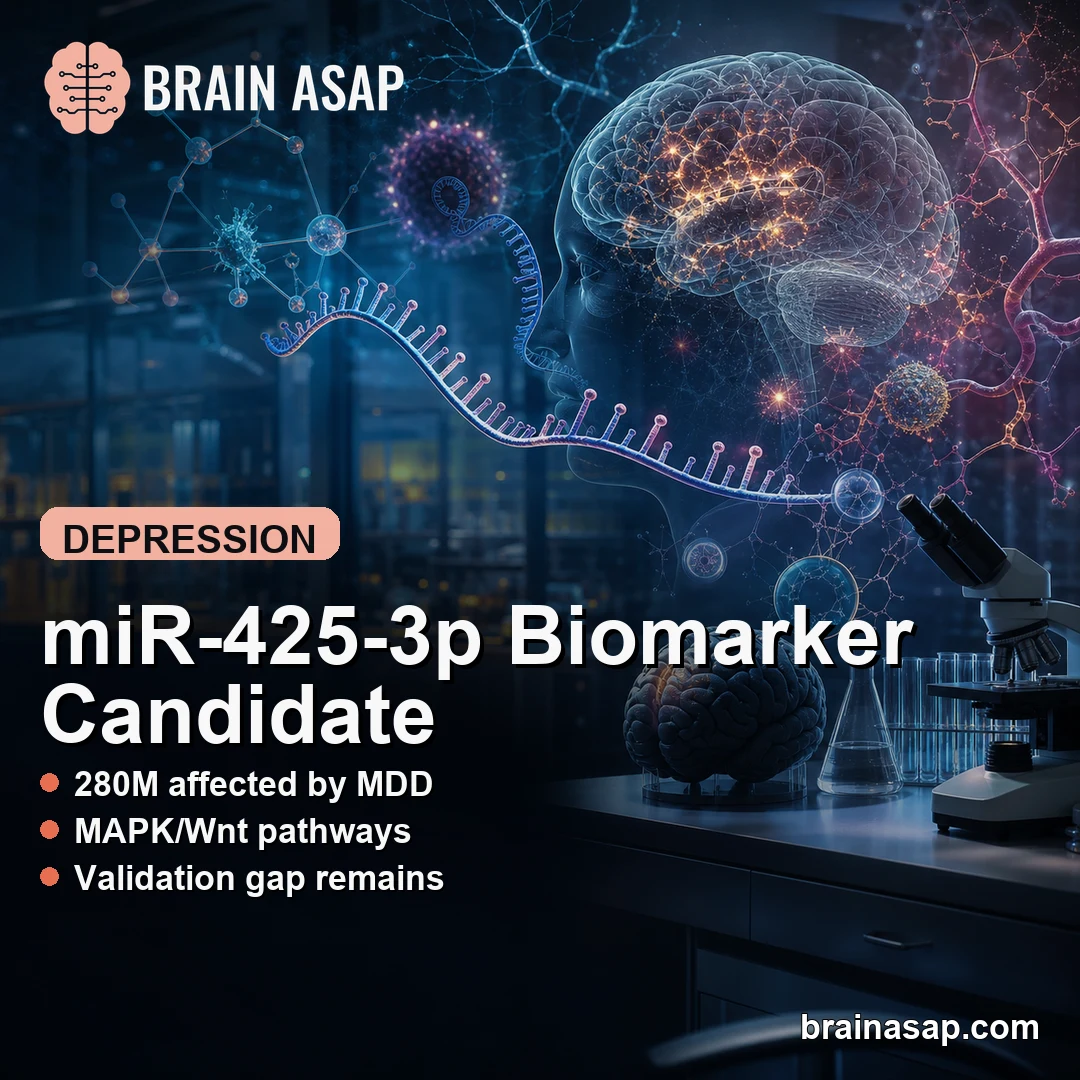
TL;DR: A 2026 review in Neuropsychiatric Disease and Treatment argues that miR-425-3p is a candidate depression biomarker because it connects stress biology, MAPK/Wnt signaling, inflammation, and antidepressant response evidence. Key Findings 280 million MDD b…
Read article ↗
TL;DR: A 2026 study in Comprehensive Psychoneuroendocrinology found that adulthood stressor severity was linked to higher hair cortisol in a longitudinal sample, while early-life stress, recent stress, daily phone-based stress reports, and the cortisol/DHEA ra…
Read article ↗
TL;DR: A 2026 review in Neuroscience & Biobehavioral Reviews found that chronic primary pain studies most consistently linked higher pain sensitivity with lower mean arterial pressure, higher cortisol, higher heart rate during recovery, and lower parasympathet…
Read article ↗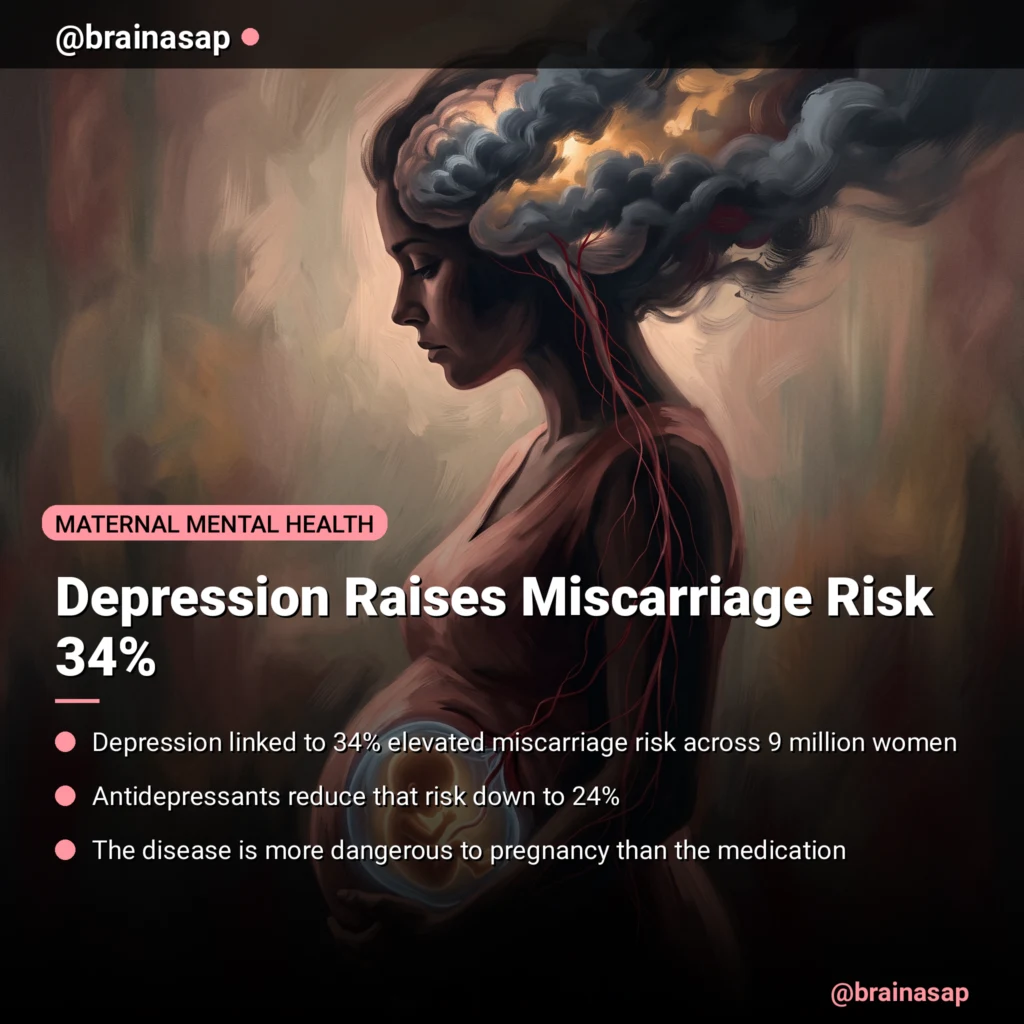
When Depression Threatens Pregnancy: A 34% Elevated Miscarriage Risk TL;DR: Untreated depression increases miscarriage risk by 34% across nearly 9 million women, but antidepressants reduce that risk to 24%—meaning the medication is safer than the disease durin…
Read article ↗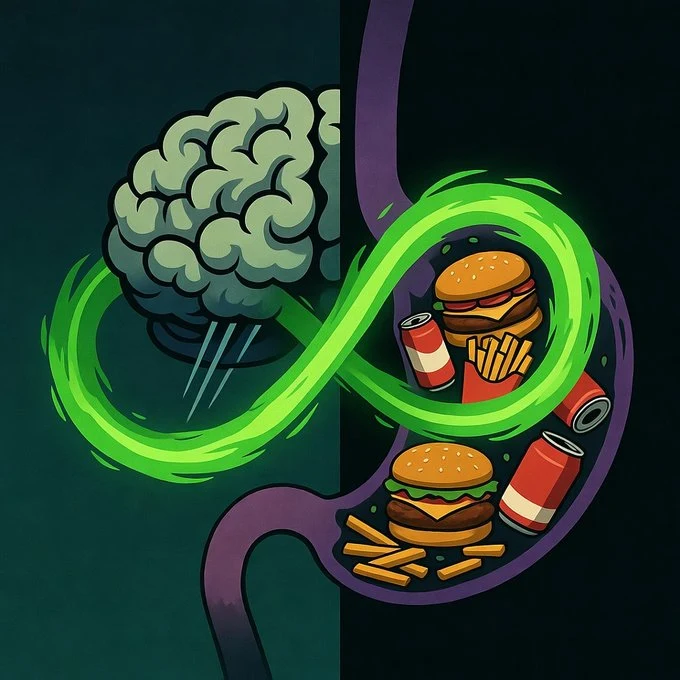
Obesity and Depression Share Five Converging Biological Pathways Obesity and depression represent two of the world’s fastest-growing epidemics. By 2030, over 1 billion people will have obesity, while depression will affect more than 350 million. Yet they are r…
Read article ↗
Elevated fingernail cortisol levels can distinguish individuals with lifetime major depressive disorder (MDD) from healthy controls, suggesting it as a promising biomarker for MDD. Highlights: Individuals with lifetime MDD had significantly higher fingernail c…
Read article ↗
Fecal microbiota transplantation (FMT) shows potential as an effective new treatment for major depressive disorder (MDD). Key facts: FMT aims to restore a healthy gut microbiome which is thought to impact mood and mental health. Studies show links between gut…
Read article ↗
Suicide is a devastating public health problem, claiming hundreds of thousands of lives worldwide each year. Understanding the underlying biological and psychological factors that increase suicide risk is key for developing effective prevention and interventio…
Read article ↗