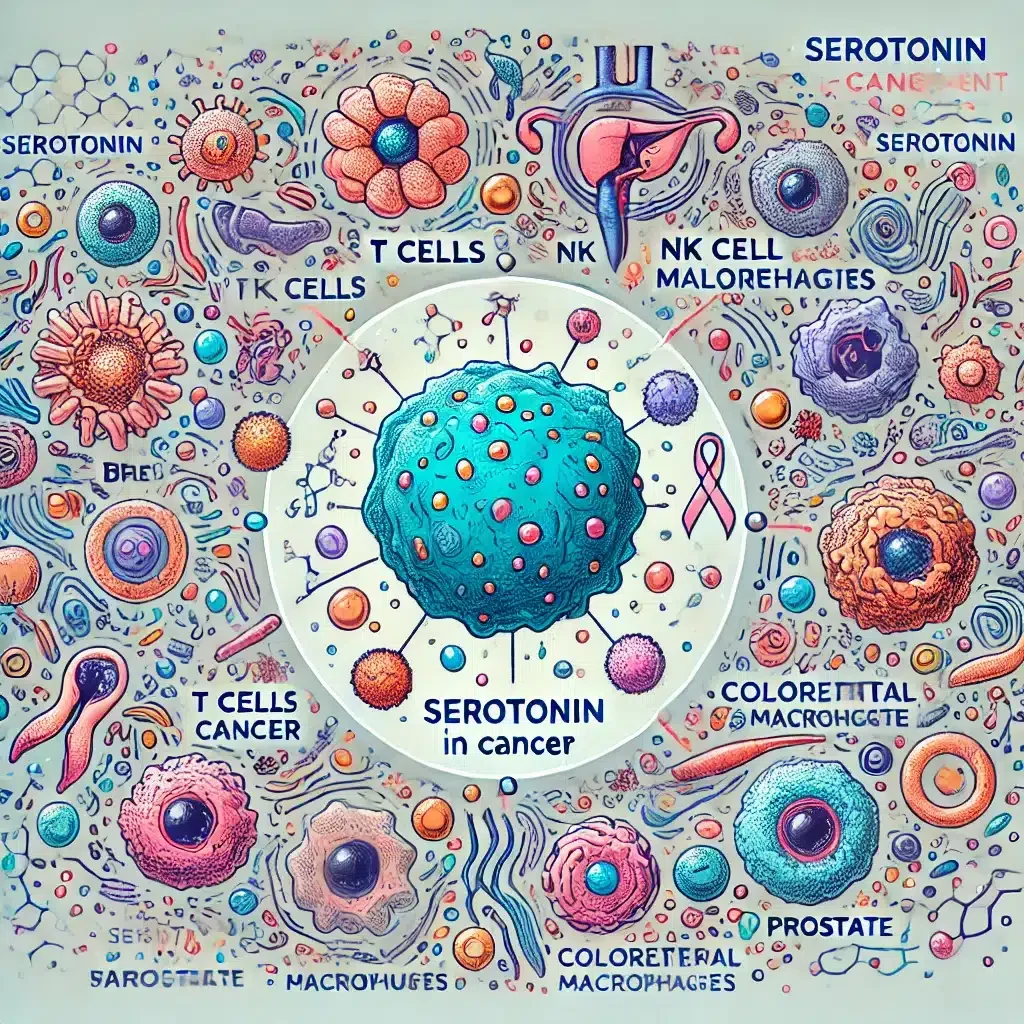
Cancer patients frequently experience depressive symptoms, and the role of serotonin in tumor regulation varies across different types. Highlights: Prevalence of Depression in Cancer Patients: A significant portion of cancer patients experience depressive symp…
Read article ↗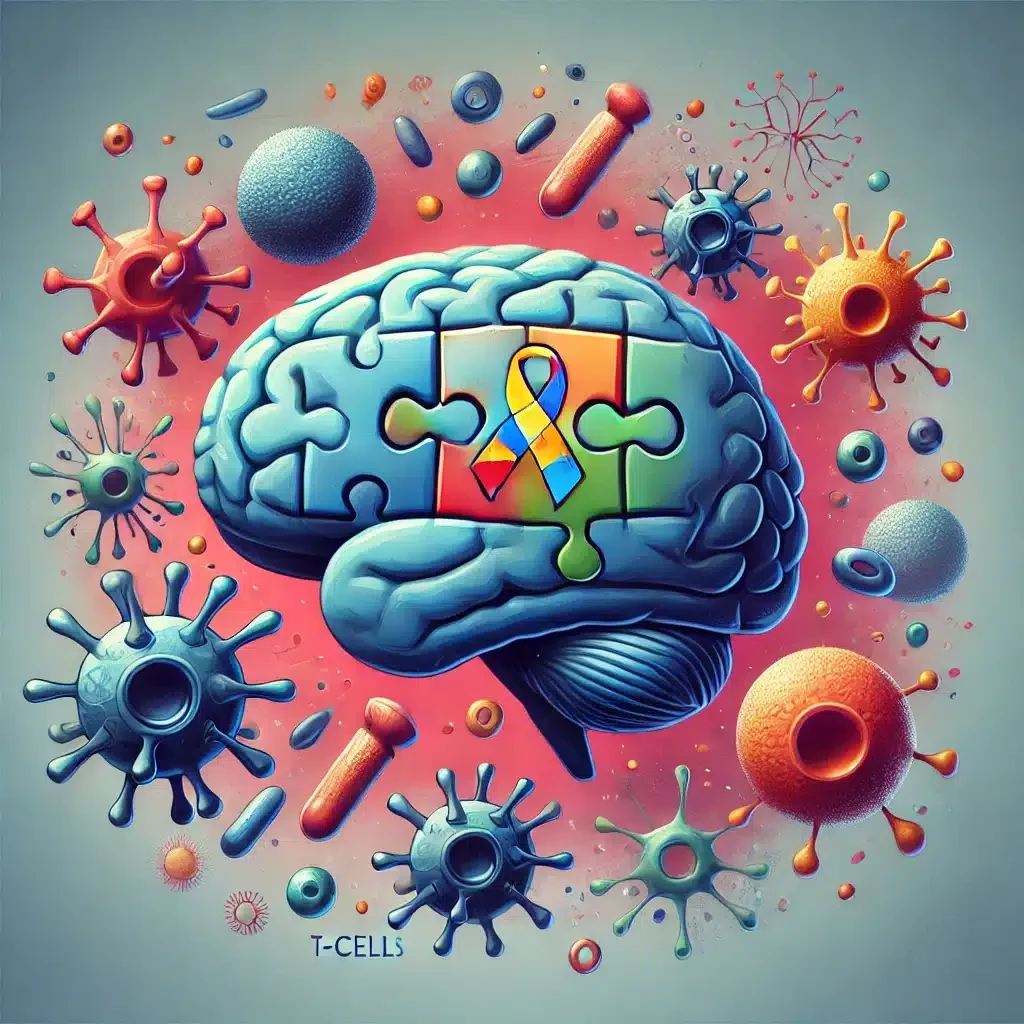
A study reported significant causal relationships between specific immune cell subtypes and autism spectrum disorder (ASD), highlighting 26 genetic correlations and potential biomarkers for early detection and treatment. Highlights: Significant Genetic Correla…
Read article ↗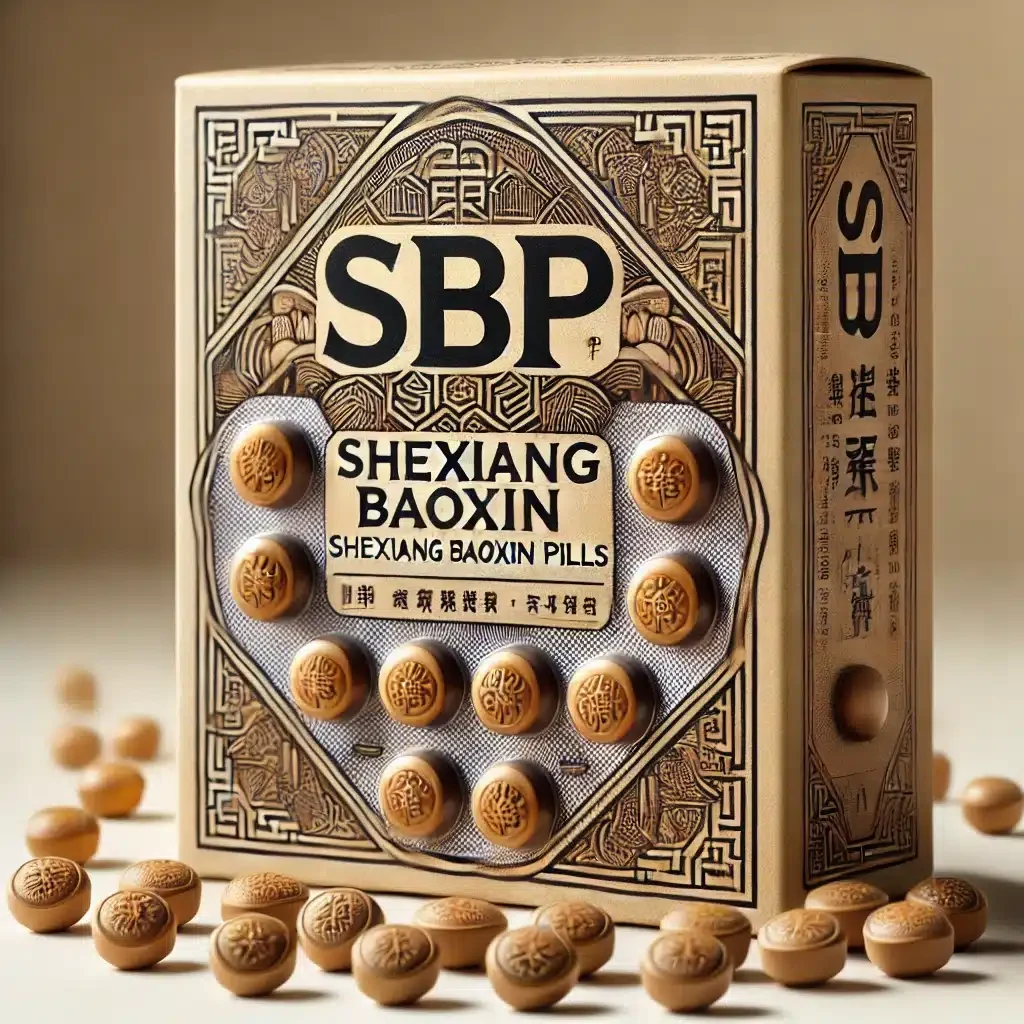
Shexiang Baoxin Pills (SBP) may help improve heart function and reduce depression in patients with acute myocardial infarction (AMI) by reducing inflammation. Highlights: Depression & Heart Disease Link: Patients with heart attacks often experience depression,…
Read article ↗
Aerobic exercise reduces depressive symptoms by decreasing inflammation, boosting dopamine transmission, and enhancing motivation and cognitive control. Highlights: Depression & Dopamine: Depression is linked to disrupted dopamine transmission, affecting rewar…
Read article ↗
Oleacein, a compound found in extra virgin olive oil, shows potential as a natural treatment for depression and anxiety by reducing inflammation and boosting brain-derived neurotrophic factor (BDNF). Highlights: Oleacein & BDNF: Oleacein significantly increase…
Read article ↗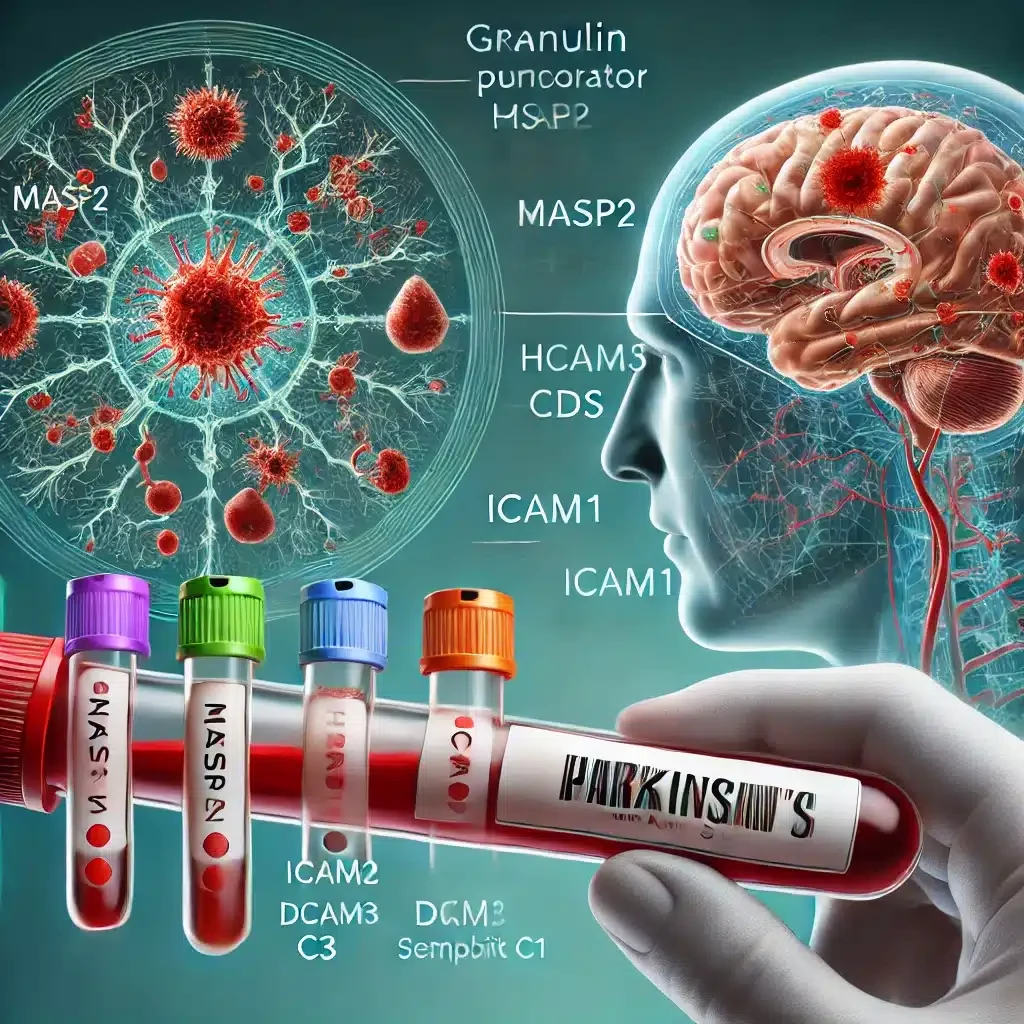
A study identified a panel of eight plasma biomarkers that can predict Parkinson’s disease up to seven years before motor symptoms appear. Highlights: Biomarker Panel: The study validated a panel of 8 proteins, including Granulin precursor and Complement C3, u…
Read article ↗
Quercetin is a plant flavonoid with a diverse range of pharmaceutical effects that make it a promising potential base for new medications. Key facts: It has anti-inflammatory, antioxidant, anti-tumor, and antiviral properties. Quercetin has low bioavailability…
Read article ↗
The NLRP3 inflammasome is increasingly being recognized as a mediator between inflammation and depression. Targeting this molecular complex shows promise for developing new antidepressant therapies. Key Facts: The NLRP3 inflammasome is made up of NLRP3, ASC, a…
Read article ↗
New research reveals that increased inflammation, indicated by higher levels of a protein called VCAM-1, is associated with decreased gray matter and altered brain connectivity in patients with major depressive disorder (MDD). These brain changes also correlat…
Read article ↗
A new study examined whether metabolic biomarkers assessed through a high-throughput method are associated with future depressive symptoms. The results suggest the metabolites may not play a direct role in depression development. Key Facts: Researchers investi…
Read article ↗