
Nutrition plays a major role in mental health, with diet quality closely linked to risk of common mental disorders like depression. This review comprehensively analyzes recent research on the impacts of nutrition on mental health and the use of nutritional int…
Read article ↗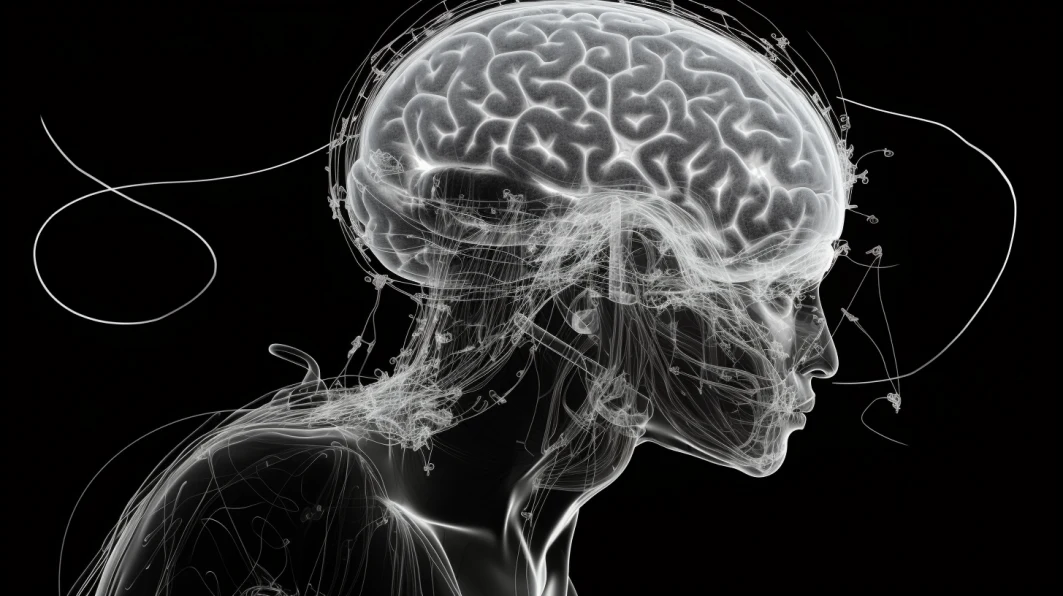
A new study published in Frontiers in Psychiatry provides promising evidence that focused ultrasound stimulation of the prefrontal cortex can alleviate depressive behaviors in mice by suppressing inflammatory responses. Key facts: Researchers stimulated the pr…
Read article ↗
Cannabidiol (CBD) has recently emerged as a popular supplement among athletes looking to enhance recovery and performance. Key facts about CBD: CBD is a natural compound extracted from cannabis/hemp plants It does not cause psychoactive effects like THC CBD in…
Read article ↗
Autism spectrum disorder (ASD) is a neurodevelopmental condition characterized by social communication deficits and repetitive behaviors. The causes are complex, involving genetic and environmental factors that affect brain development. Growing evidence implic…
Read article ↗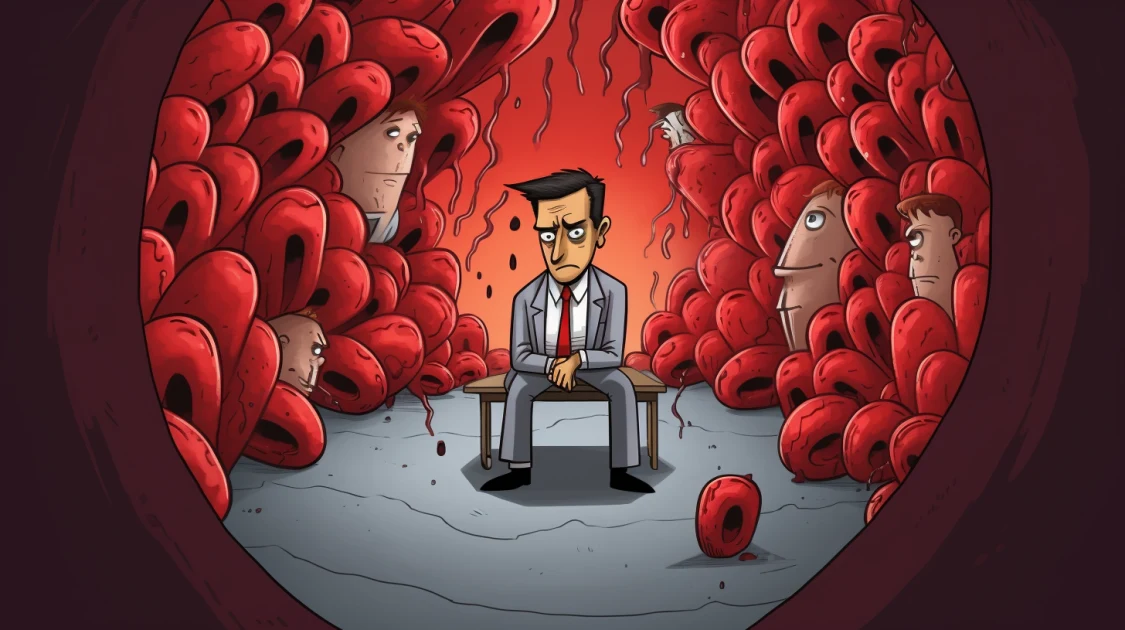
A new study suggests higher levels of remnant cholesterol may increase the risk of depression. Remnant cholesterol is a type of lipoprotein that contains triglycerides and cholesterol and has been linked to atherosclerosis and cardiovascular disease. This larg…
Read article ↗
Major depressive disorder (MDD) is a highly prevalent and debilitating condition. Novel treatment approaches are needed, especially for individuals with treatment-resistant depression. This study investigated the effects of adjunctive minocycline on immune-inf…
Read article ↗
Suicide is a devastating public health problem, claiming hundreds of thousands of lives worldwide each year. Understanding the underlying biological and psychological factors that increase suicide risk is key for developing effective prevention and interventio…
Read article ↗
Mood disorders like major depression and bipolar disorder affect millions worldwide. Existing treatments often fall short, highlighting the need for better options. An emerging possibility is anti-inflammatory drugs like celecoxib that may target the immune sy…
Read article ↗
Major depressive disorder (MDD) is a highly prevalent mental illness and leading cause of disability worldwide. While treatments exist, they are far from optimal and up to 30% of patients fail to respond. There is an urgent need to identify factors that may en…
Read article ↗
A new study provides evidence that the psychedelic compound psilocybin has both immediate and lasting anti-inflammatory effects in healthy volunteers. The findings shed light on how psilocybin may improve mood, social behavior, and potentially treat depression…
Read article ↗