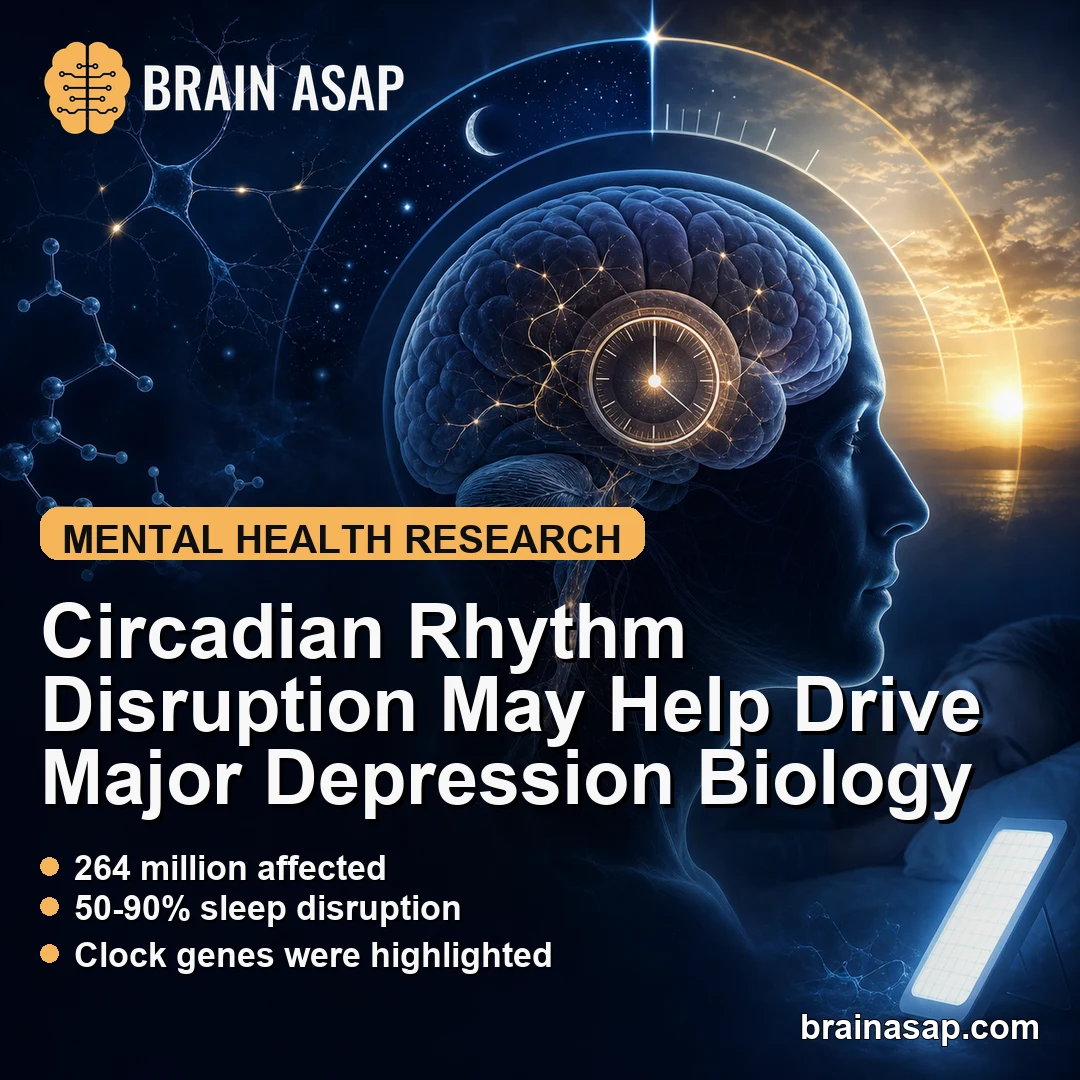
TL;DR: A 2026 review in Annals of Medicine argues that circadian rhythm disruption in major depressive disorder (MDD) reaches beyond poor sleep, linking clock-gene variation, sleep-wake timing, stress-hormone rhythms, melatonin signaling, and chronotherapy tar…
Read article ↗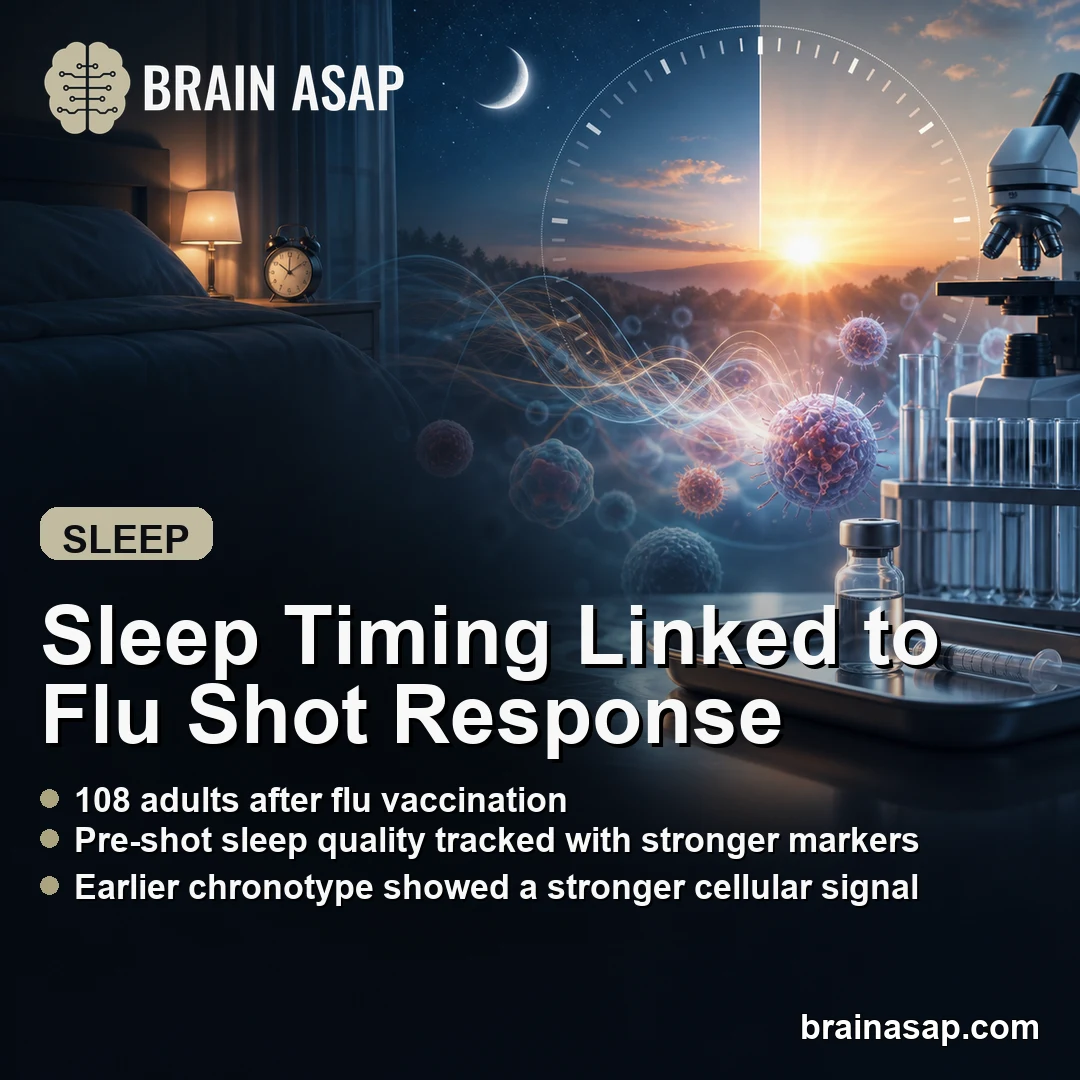
TL;DR: A 2026 study in Brain, Behavior, & Immunity – Health linked better sleep quality before influenza vaccination and earlier chronotype to stronger immune-response markers in 108 adults. Key Findings Vaccination cohort: Researchers studied sleep, vaccinati…
Read article ↗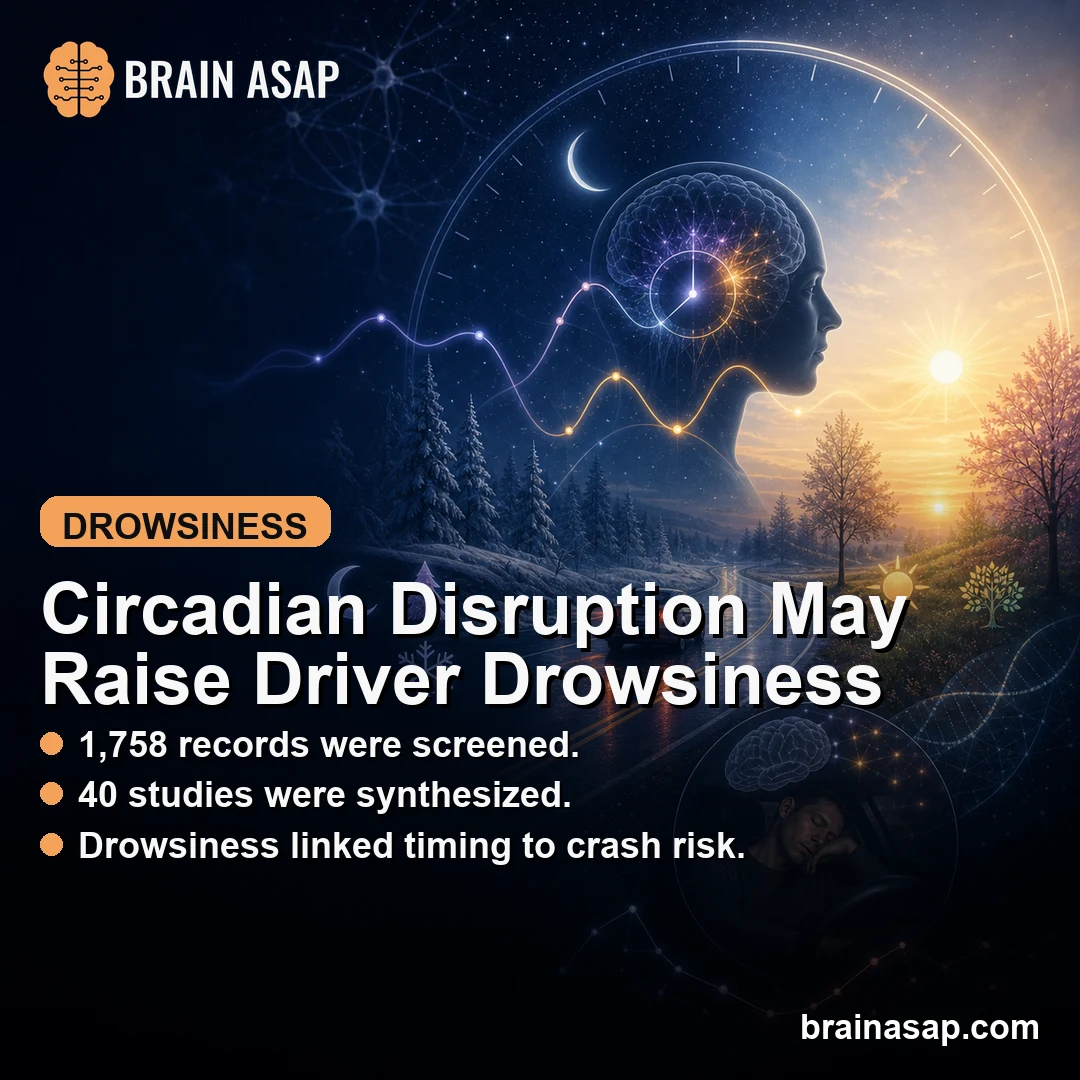
TL;DR: A 2026 scoping review in Sleep Science linked seasonal timing, daylight exposure, daylight saving time (DST), sleep-wake rhythm disruption, and driver drowsiness to traffic-crash risk, but found that few studies directly integrate seasonality with chron…
Read article ↗
TL;DR: A 2026 npj Parkinson’s Disease study used brain transcriptome data and genome-scale metabolic modeling to predict Parkinson’s metabolite biomarkers, including dopamine-related changes, and separated 104 postmortem samples into three metabolic clusters.…
Read article ↗
The pineal gland is a pea-sized organ located in the center of the brain that has recently garnered attention for its potential role in brain health and aging. New research suggests that calcification of the pineal gland may contribute to neurodegenerative dis…
Read article ↗
A new study published in Environmental Health suggests fluoride exposure may disrupt normal sleep patterns and contribute to daytime sleepiness in U.S. teenagers. The research found associations between higher fluoride levels and symptoms of sleep apnea, later…
Read article ↗
A new Canadian study suggests fluoride exposure may be associated with sleeping fewer hours than recommended for optimal health. Key findings include: Higher levels of fluoride in tap water were associated with a 34% increased risk of sleeping less than recomm…
Read article ↗
Pineal gland calcification, the buildup of calcium deposits in the pineal gland, is surprisingly common, affecting over 60% of the population according to a new meta-analysis. This concerning condition can disrupt proper pineal gland functioning and melatonin…
Read article ↗