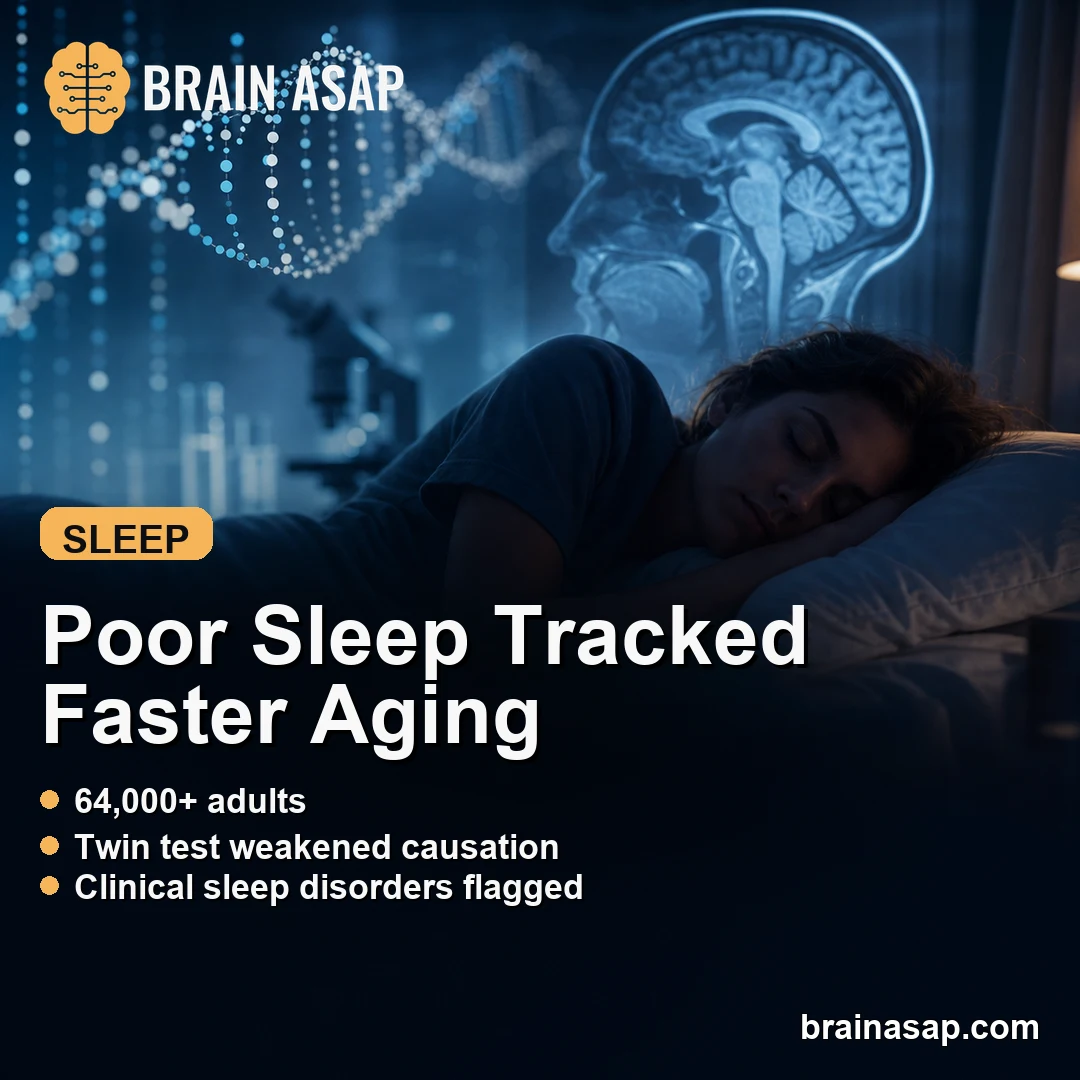
TL;DR: A 2026 preprint in medRxiv found that poor sleep tracked faster biological aging across more than 64,000 adults, but twin and genetic analyses left the causal claim mixed rather than settled. Key Findings 64,000+ adults: Researchers tested sleep and agi…
Read article ↗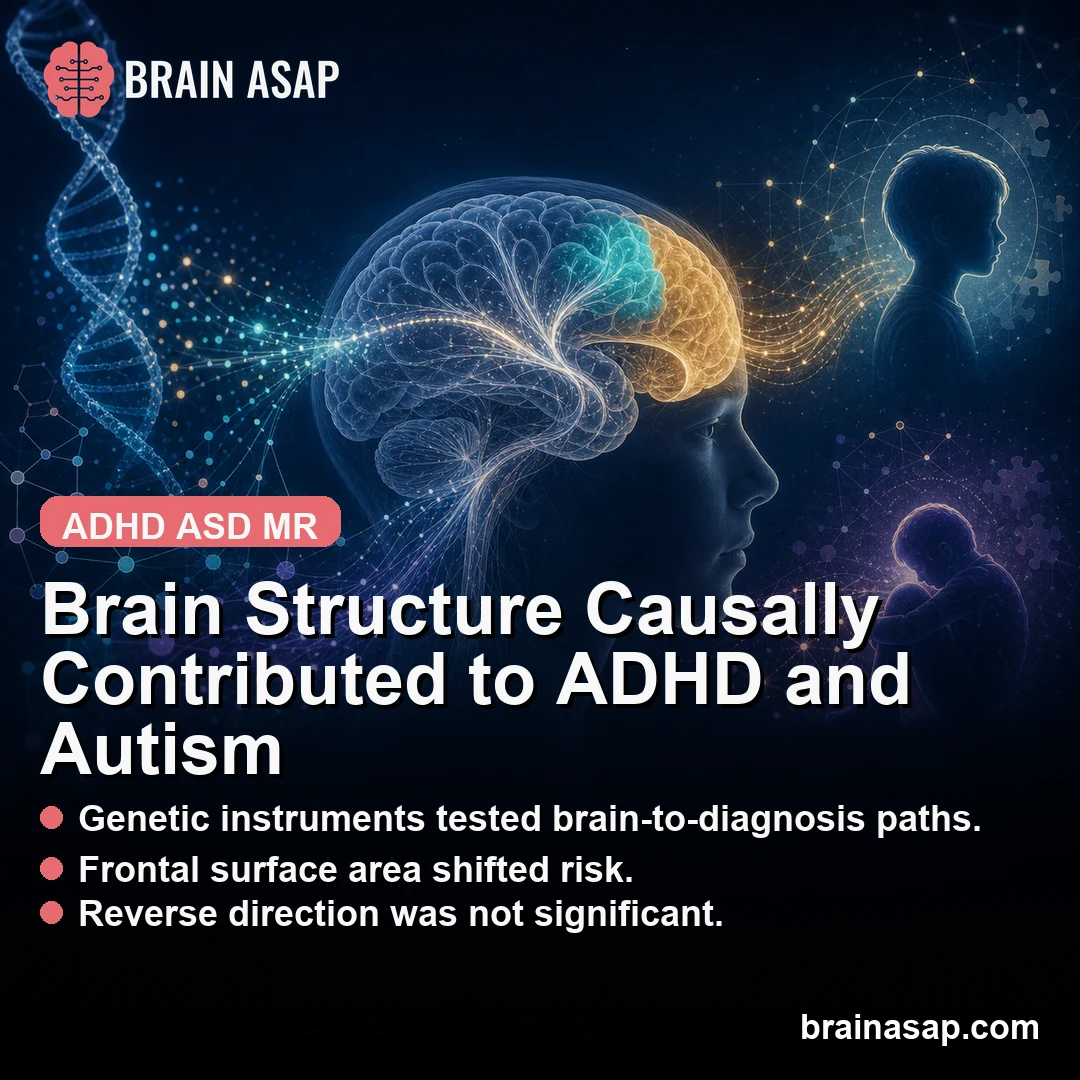
TL;DR: A 2026 Mendelian randomization study in Progress in Neuro-Psychopharmacology & Biological Psychiatry used genetic data to test direction of effect between brain structure and neurodevelopmental conditions, and found that increased surface area in the su…
Read article ↗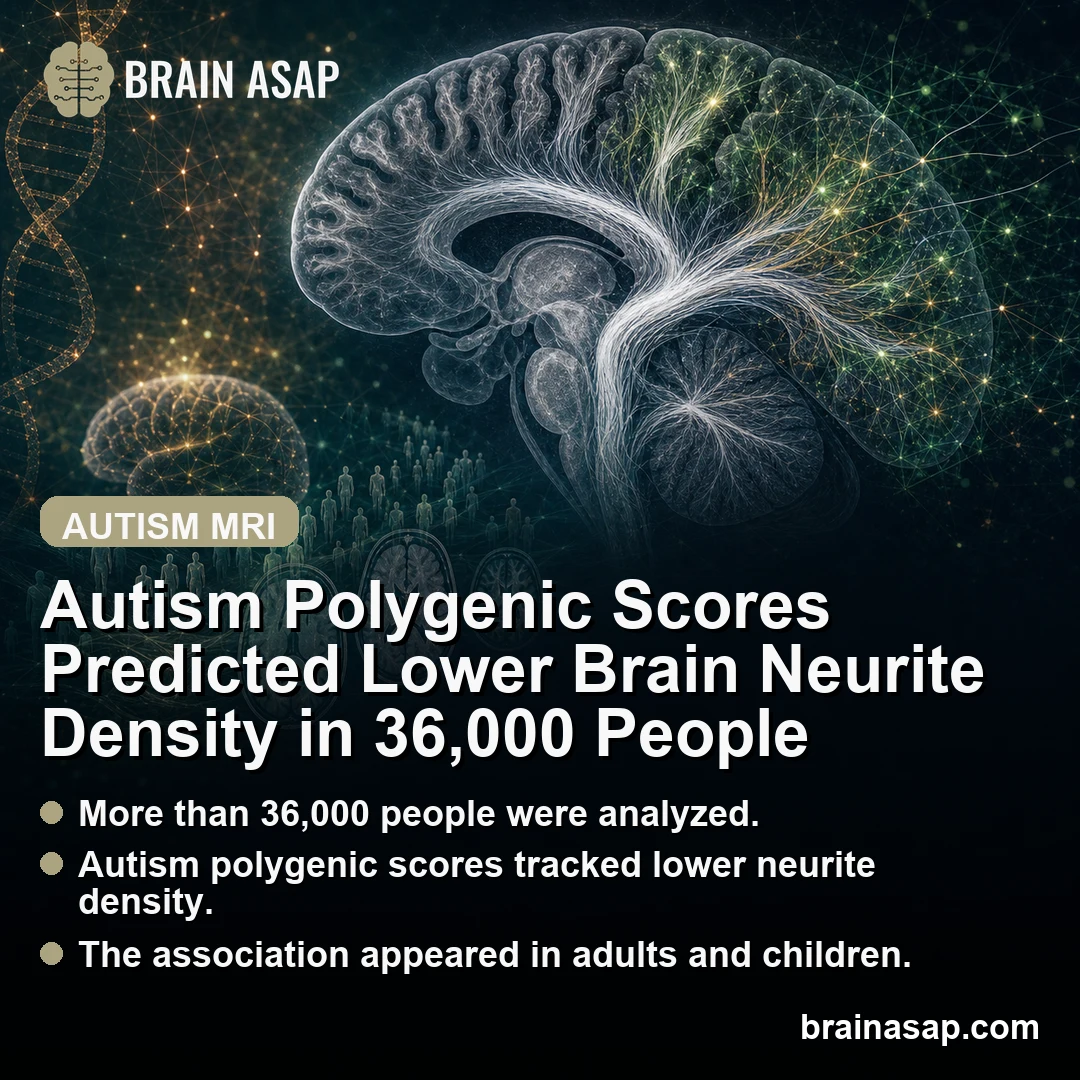
TL;DR: A 2025 Molecular Psychiatry study of more than 36,000 people found that higher autism polygenic risk was associated with lower MRI-derived neurite density, a measure of neural-fiber packing, across cortex and white matter in both children and adults. Ke…
Read article ↗
Insomnia and daytime napping are causally associated with an increased risk of major depressive disorder (MDD), while sleep duration influences the risk of schizophrenia and attention-deficit/hyperactivity disorder (ADHD). Highlights: Major Depressive Disorder…
Read article ↗
Zinc levels were found to have a causal effect on the risk of Parkinson’s disease, while other oxidative stress biomarkers showed no significant association. Highlights: A study identified a significant causal relationship between higher zinc levels and increa…
Read article ↗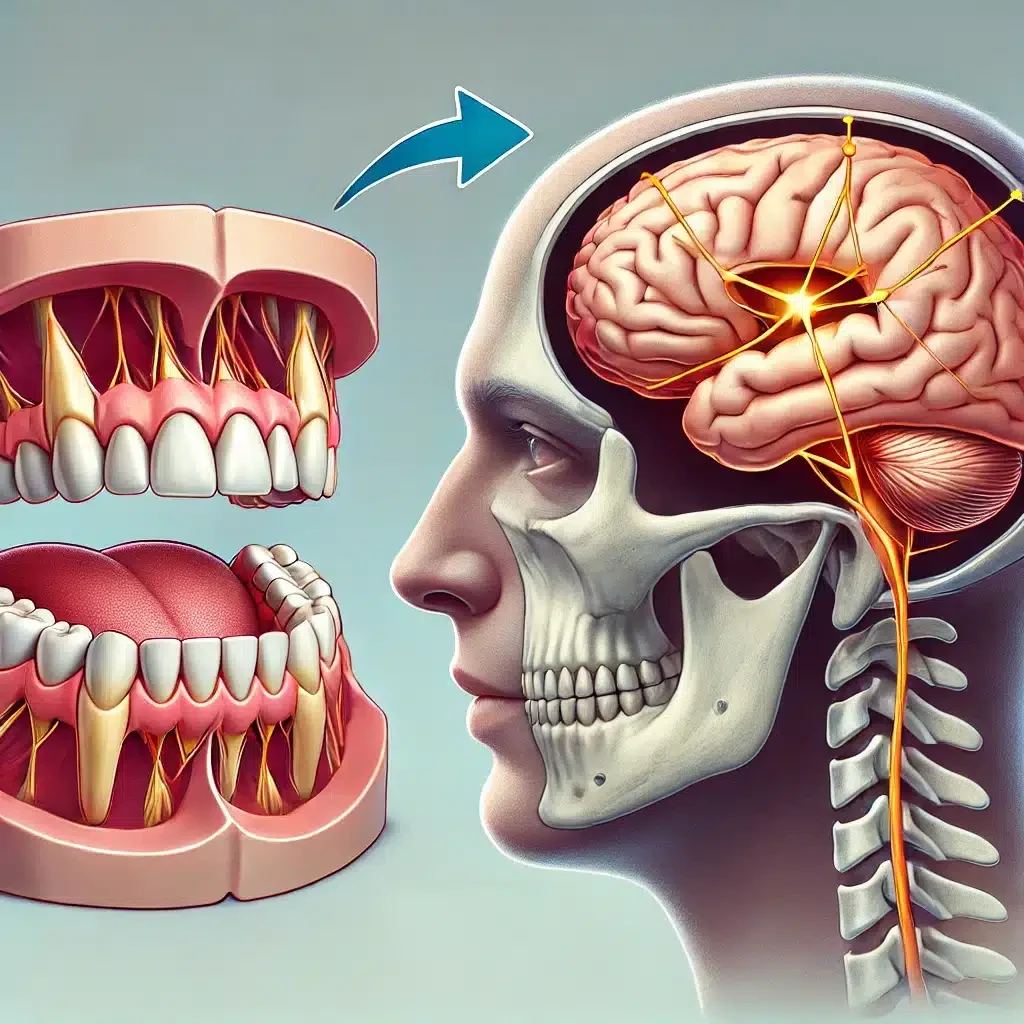
Occlusion dysfunction (OD) is causally linked to an increased risk of Alzheimer’s disease (AD), while dentures restoration can mitigate this risk. Highlights: Periodontal disease (PD) and Alzheimer’s do not have a direct causal relationship (P = 0.395). Loose…
Read article ↗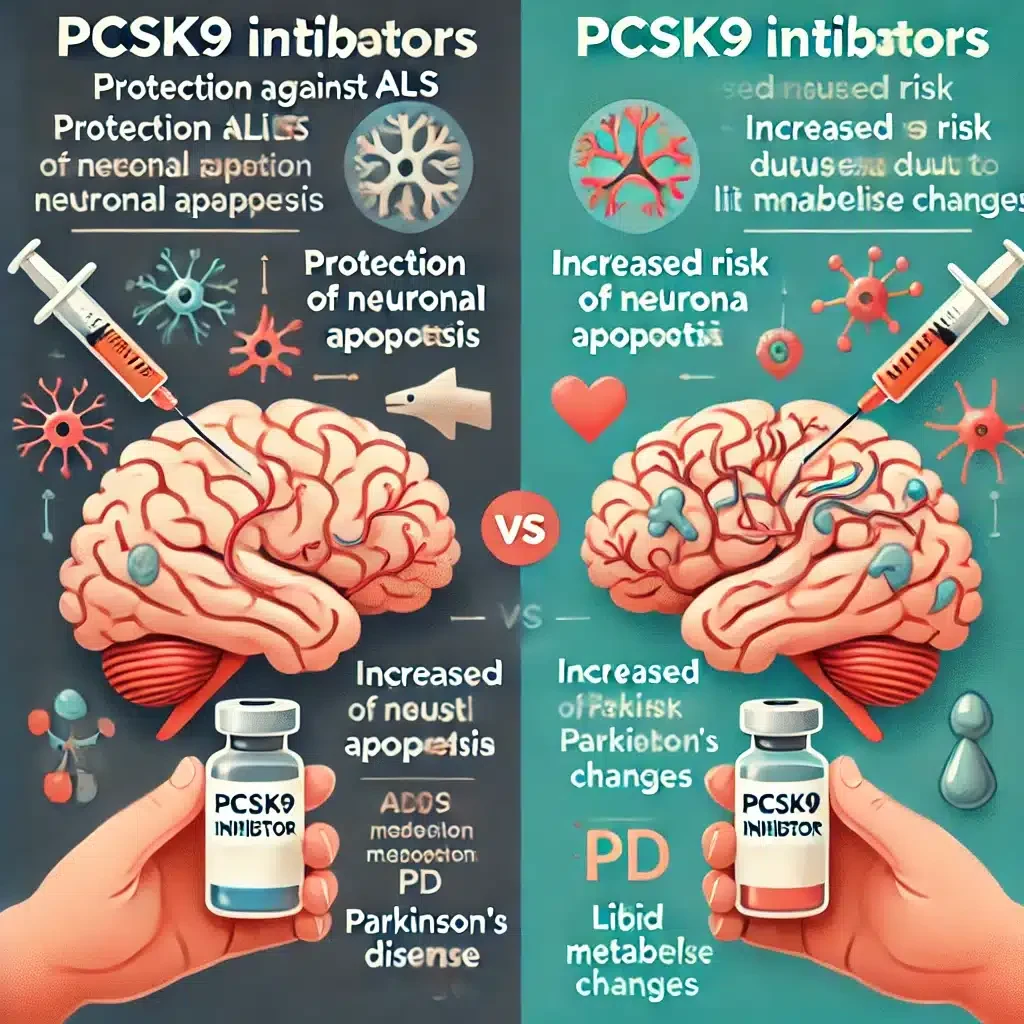
PCSK9 inhibitors significantly reduce the risk of amyotrophic lateral sclerosis (ALS) but increase the risk of Parkinson’s disease (PD). Highlights: ALS Risk Reduction: PCSK9 inhibitors marginally reduced the risk of ALS with an odds ratio of 0.89 (p = 0.048).…
Read article ↗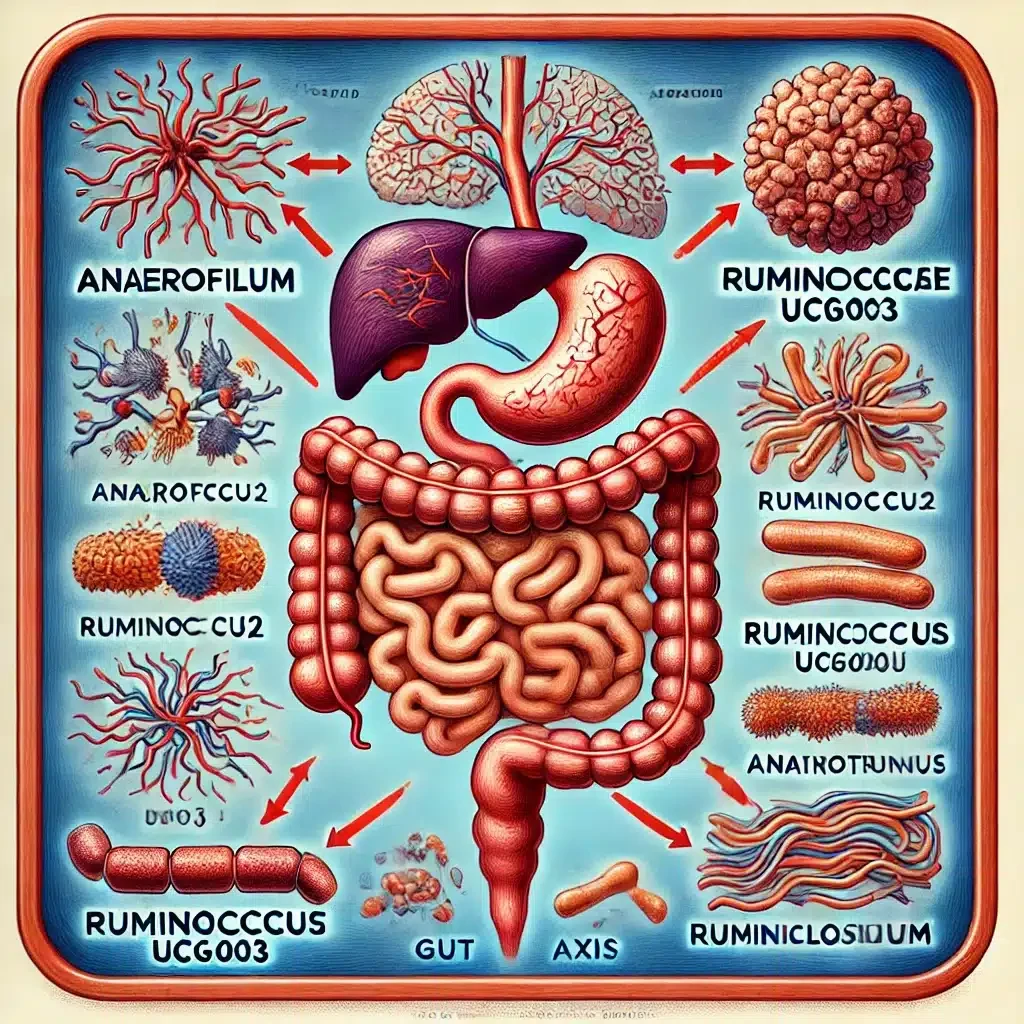
A Mendelian randomization study identified five gut microbiota taxa with potential causal effects on multiple sclerosis (MS), highlighting new avenues for understanding and treating the disease. Highlights: Causal Associations Identified: The study identified…
Read article ↗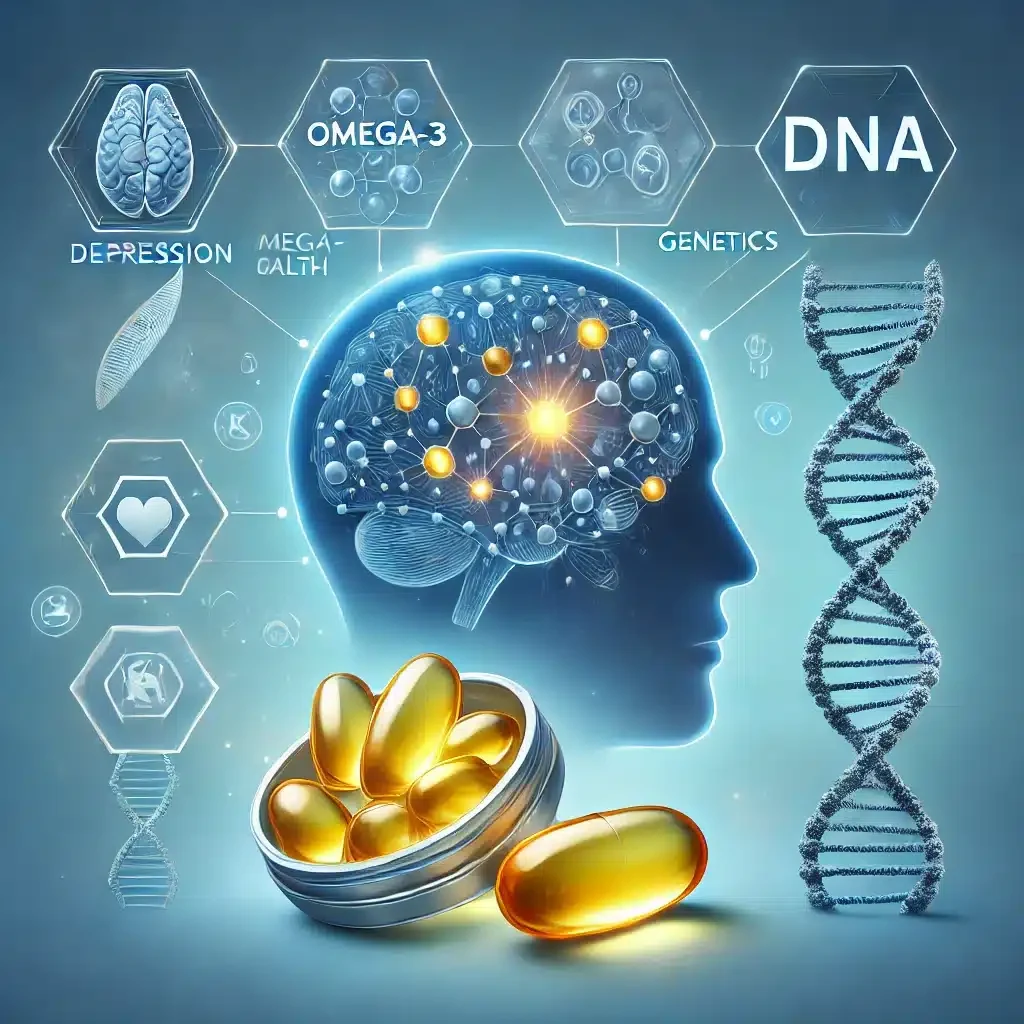
Omega-3 fatty acids, particularly eicosapentaenoic acid (EPA), may reduce the risk of major depressive disorder (MDD), but causality remains uncertain due to potential pleiotropic mechanisms. Highlights: Genetic Evidence for Omega-3 & Depression: The study use…
Read article ↗
TLDR: A study found a bidirectional causal relationship between depression and osteoarthritis (OA) but only a one-way relationship where depression increases the risk of knee osteoarthritis (KOA). Highlights: Bidirectional Causality: There is a bidirectional c…
Read article ↗