
TL;DR: A 2026 Molecular Psychiatry study found that common genetic influences on sustained attention were partly separable from genetic influences on executive function, using task-based cognition data from the AFFECT study and 23andMe participants. Key Findin…
Read article ↗
TL;DR: A 2026 post-hoc reanalysis in Molecular Psychiatry found that women assigned davunetide in a prior 52-week progressive supranuclear palsy trial had more favorable scores on the 10-item PSP Rating Scale (PSPRS-10), daily-living measures, and several cogn…
Read article ↗
TL;DR: A 2026 narrative review in Molecular Psychiatry argues that depression in Alzheimer’s disease and Parkinson’s disease follows disease-specific brain mechanisms, while standard antidepressant evidence remains weak in these neurodegenerative populations.…
Read article ↗
TL;DR: A 2026 systematic review and meta-analysis in Molecular Psychiatry found that CB-1 receptor blockade and cannabidiol reduced alcohol intake in animal models, but human alcohol-use-disorder evidence remained inconsistent and too thin to support a treatme…
Read article ↗
TL;DR: A 2026 study in Molecular Psychiatry found that radiofrequency capsulotomy and inferior thalamic peduncle deep brain stimulation were associated with the largest symptom improvements among surgical strategies for refractory obsessive-compulsive disorder…
Read article ↗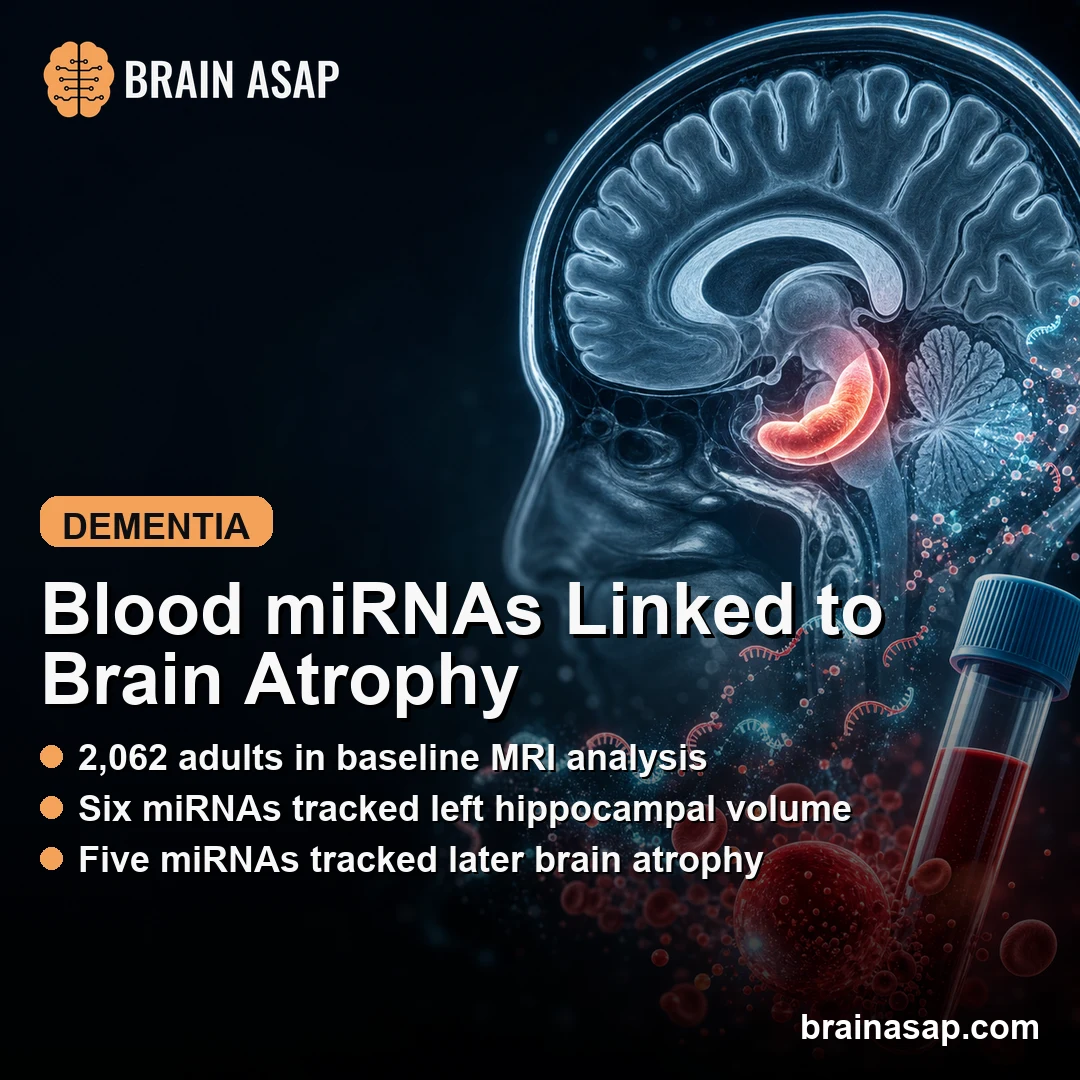
TL;DR: A 2026 Molecular Psychiatry study linked blood-derived microRNAs, short RNA regulators that help control gene expression, to left hippocampal volume and later brain atrophy in adults from the Rhineland Study. Key Findings Baseline MRI cohort: Researcher…
Read article ↗
TL;DR: A 2026 systematic review in Molecular Psychiatry found that microglia-related findings across major depression, bipolar disorder, and schizophrenia were better explained by biological subgroups than by one uniform diagnosis-by-diagnosis inflammation pat…
Read article ↗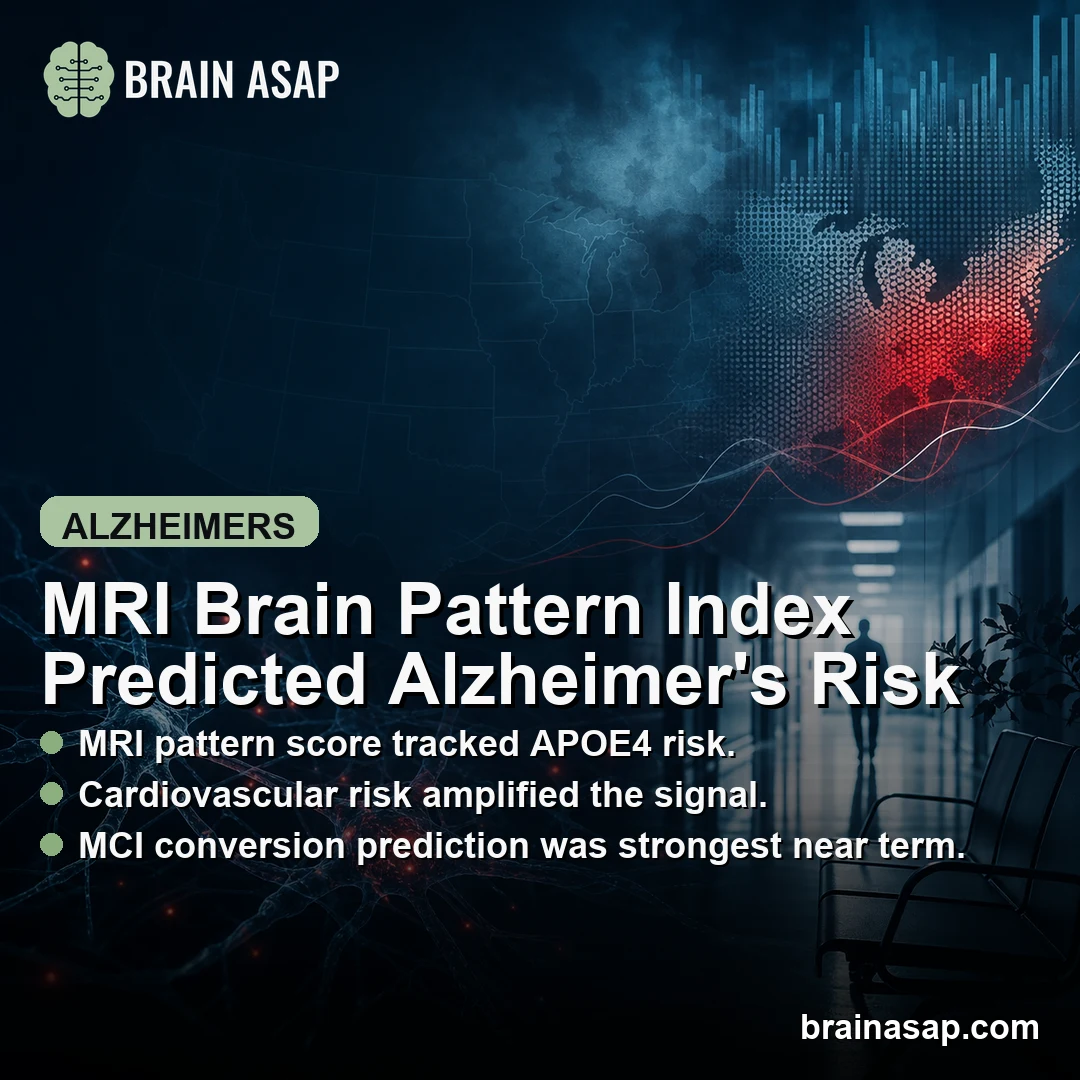
TL;DR: A 2026 Molecular Psychiatry study tested Regional Vulnerability Index for Alzheimer’s disease (RVI-AD), a structural-MRI score of how closely a person’s brain pattern resembles amyloid-positive Alzheimer’s disease, and found that higher RVI-AD predicted…
Read article ↗
TL;DR: A 2026 Molecular Psychiatry ENIGMA mega-analysis found that medication status in bipolar disorder was linked to subtle differences in subcortical brain volume, with antiepileptic and antipsychotic exposure most consistently tied to smaller hippocampal a…
Read article ↗
A new large genetics study has discovered new clues into how levels of a protein called apolipoprotein E (ApoE) in the blood may influence a person’s risk of developing Alzheimer’s disease. Key facts: Researchers found 9 new genetic variants that influence Apo…
Read article ↗