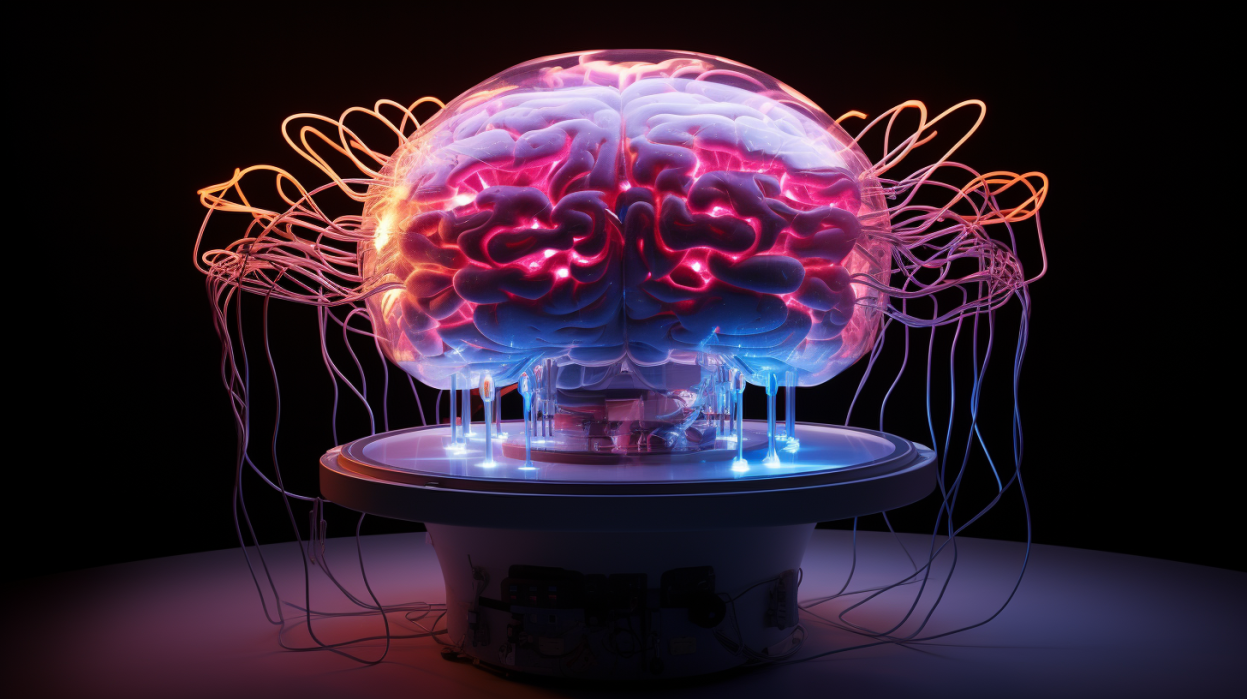
Brain Machine Interfaces: Progress, Applications, Ethical Considerations

Brain-machine interfaces (BMIs) are emerging devices that connect the human brain to computers and machines, enabling an unprecedented two-way flow of information and control. BMIs offer extraordinary new capabilities but also present profound ethical dilemmas we must confront. Key Facts: BMIs acquire brain signals, analyze them via algorithms, and translate them into commands that control …


Read more

Brain Scans of Criminal Suspects & Privacy Rights: Coercive MRIs for Investigations?

New neuroimaging technologies are rapidly advancing our ability to examine the brain, revealing information about our memories, thoughts and even intentions. As these technologies improve, some are advocating for their use in criminal investigations and legal proceedings. But could mandatory brain scans used on suspects violate privacy rights? Key Facts: Neuroimaging technologies like MRI, CT, …

Read more

Neuroscience & Neuroimaging in Criminal Court Cases: Brain Scans as Evidence of Guilt?

The use of neuroscience in criminal court cases has risen steeply in recent decades. However, its actual effects on legal judgments remain unclear. Key Facts: Neuroscience evidence, especially brain scans, is increasingly used in criminal trials to support mental disorder diagnoses. Studies find limited effects of neuroscience evidence in some cases, like reducing death penalty …

Read more

Vegetable Oils: Health Benefits According to a New Review of 39 Oils (2023)

Vegetable oils are an essential part of a healthy diet, providing essential fatty acids and other beneficial nutrients. A new comprehensive review analyzes the chemical composition and health benefits of 39 different vegetable oils. Key Facts: Vegetable oils contain fatty acids, vitamins, plant sterols, antioxidants that promote health. Different oils have unique nutritional profiles and …

Read more

CRISPR for Alzheimer’s Disease: Future Treatment via Gene Editing

Alzheimer’s disease continues to destroy minds, but new gene editing techniques like CRISPR offer hope for better understanding and treating this devastating illness. Key Facts: Alzheimer’s disease is a complex, poorly understood neurodegenerative disorder affecting over 50 million people worldwide. Gene mutations play a role in early-onset Alzheimer’s, but late-onset Alzheimer’s involves a more complex …

Read more

Future Potential of Low Intensity Focused Ultrasound (LIFU): Non-Invasive Reversible Brain Stimulation

Low intensity focused ultrasound (LIFU) is an exciting new non-invasive brain stimulation technology that allows precise neuromodulation of deep brain structures without surgery. Early research shows LIFU can safely and reversibly modulate targeted areas of the brain using sound waves, opening doors for understanding and treating psychiatric illnesses. Key Facts: LIFU uses acoustic energy to …

Read more

Amphetamine Sensitization Alters Brain’s Reward Circuits in Humans (Study)

Researchers have found that repeated low doses of amphetamine can alter reward and motivation circuits in the human brain. The changes mirror what is seen in addiction and schizophrenia. Key Facts: Healthy volunteers received 4 doses of a low 20mg dose of amphetamine or placebo, spaced 2 days apart. Those getting amphetamine showed enhanced subjective …

Read more

Brain Tumors Linked to Psychiatric Symptoms in ~27% of Patients

Brain tumors can take a major toll on mental health. New research provides important insights into the psychiatric symptoms that often accompany these devastating diseases. Key Facts: Around 27% of brain tumor patients experience psychiatric symptoms like depression and anxiety. These frequently arise before diagnosis. Depressive symptoms are most common, affecting 24% of brain tumor …

Read more

Ultraprocessed Foods & Health Risks: Dangers of Junk Food (Study)

Eating large amounts of ultra-processed foods may increase the risk of obesity, heart disease, stroke, depression, and early death, according to a new systematic review and meta-analysis. Key Facts: Ultra-processed foods are industrial formulations made with ingredients extracted from foods or synthesized in labs. Examples include chips, soft drinks, instant noodles, chicken nuggets, and frozen …

Read more

Curcumin Health Benefits (2023): Latest Research & Therapeutic Potential

Curcumin is a natural compound found in turmeric that has been used in traditional medicine for centuries. Recent research has confirmed curcumin’s wide-ranging health benefits, from reducing inflammation to protecting against neurodegenerative diseases. Key Facts: Curcumin is the main active compound in turmeric and has powerful antioxidant and anti-inflammatory effects. Research shows curcumin can help …

Read more