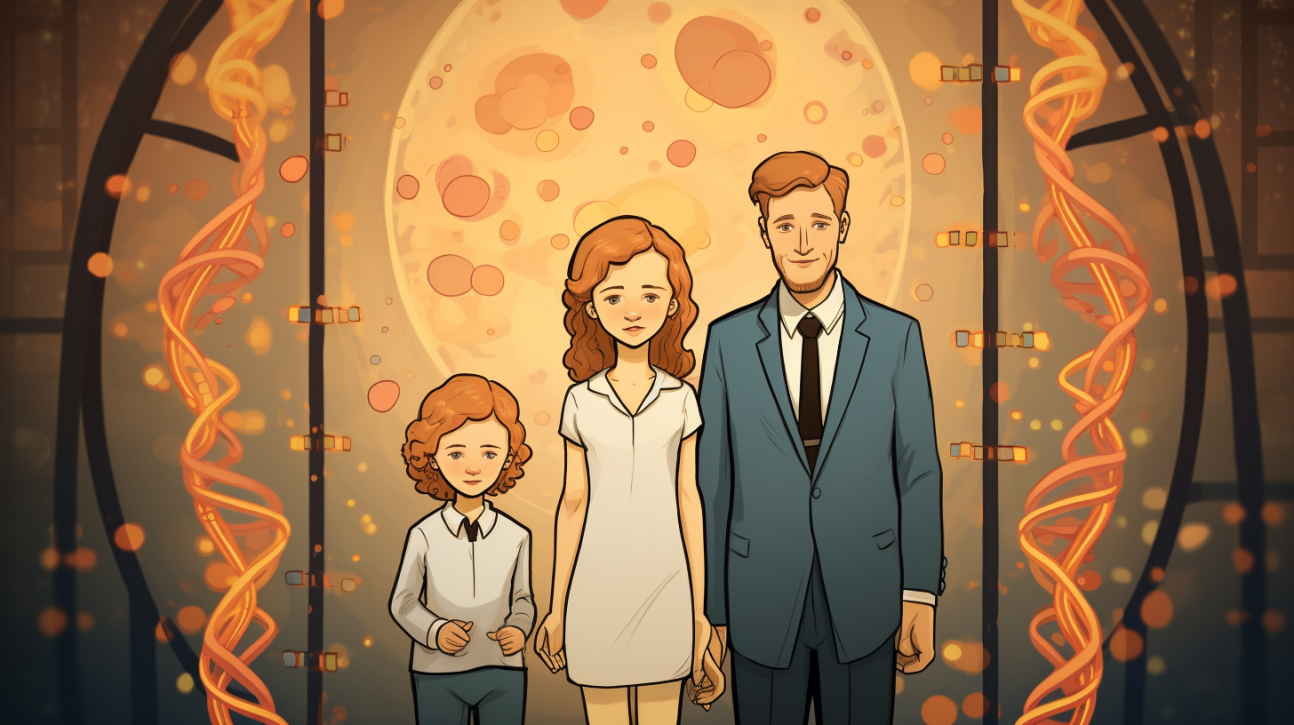
AI Algorithm Predicts Criminal Faces with ~90% Accuracy

A 2016 study exploring whether machine learning can accurately predict criminality based solely on facial images has sparked debate on the social implications of such technology. The research, conducted by Chinese academics Xiaolin Wu and Xi Zhang, claims to be the first of its kind in using automated face recognition to categorize criminals versus non-criminals. …


Read more

Pharmaceutical Drugs in Drinking Water: Environmental Contamination & Health Effects

Pharmaceuticals are pervading waterways globally, harming wildlife and presenting health risks when ingested by humans. Environmental bioethics must engage with this issue to uncover solutions. Key Facts: Over 600 pharmaceuticals have been detected in waterways worldwide. Common contaminants include cancer drugs, antidepressants, antibiotics, and more. 90% of medications pass through the human body and enter …

Read more

Tattoos Linked to Low Education & Risky Behaviors (Smoking, Drugs, Sex)

Tattoos have become increasingly mainstream over the past few decades, evolving from symbols of counterculture and rebellion to a more widely accepted form of self-expression. A national Australian study published in 2012 sought to examine the prevalence and characteristics of tattooing in a representative sample of adults. The key findings were: 14.5% of Australians ages …

Read more

Tattooed vs. Non-Tattooed Personality Traits: Uniqueness, Thrill Seeking, Extroversion

A new study reveals intriguing differences in personality between tattooed and non-tattooed individuals. While effect sizes were small, tattooed participants scored higher in sensation-seeking and need for uniqueness compared to their non-inked counterparts. Key Facts: 22% of the 540 study participants had at least one tattoo Tattooed individuals scored higher in extroversion, need for uniqueness, …

Read more

Dangers & Side Effects of Energy Drinks: What Does the Scientific Evidence Say?

Energy drinks are beverages that contain ingredients such as caffeine, taurine, and herbal extracts designed to provide mental and physical stimulation. Their popularity and consumption have grown exponentially in recent years, especially among young people. However, concerns have emerged about potential dangers and side effects. Key facts from a recent systematic review: 96,549 people who …

Read more

Antipsychotics & High Prolactin Levels: Which Drugs Cause Hyperprolactinemia Most Often?

Antipsychotic medications are commonly used to treat psychotic disorders like schizophrenia and bipolar disorder. However, these drugs often cause side effects like elevated prolactin levels, which can negatively impact long-term health. A new study analyzed medical records to compare prolactin levels between patients taking different antipsychotics. It found risperidone and amisulpride caused the greatest prolactin …

Read more

Caspase-3 (CASP3) & Depression: Low Gene Expression Impacts Neuroplasticity & Apoptosis

Major depressive disorder (MDD) is one of the most prevalent mental health conditions worldwide, yet its complex neurobiological underpinnings remain poorly understood. Emerging research implicates disturbances in neuronal apoptosis and neuroplasticity in the development of depression. A new study led by researchers in Poland sheds light on the involvement of caspase-3, a key mediator of …

Read more

Birth Control Linked to Jealousy & Possessiveness in Women & Men

A new study provides evidence that hormonal contraceptive use is associated with increased jealousy and mate retention behaviors in women and their male partners. The research suggests that the synthetic hormones in birth control pills may alter relationship dynamics and have unintended psychological side effects. Key findings: Women using hormonal contraceptives reported higher use of …

Read more

High Remnant Cholesterol Linked to Depression in U.S. Adults: Possible Inflammatory Effects

A new study suggests higher levels of remnant cholesterol may increase the risk of depression. Remnant cholesterol is a type of lipoprotein that contains triglycerides and cholesterol and has been linked to atherosclerosis and cardiovascular disease. This large study found remnant cholesterol levels were significantly higher in people with depression compared to those without. Key …

Read more