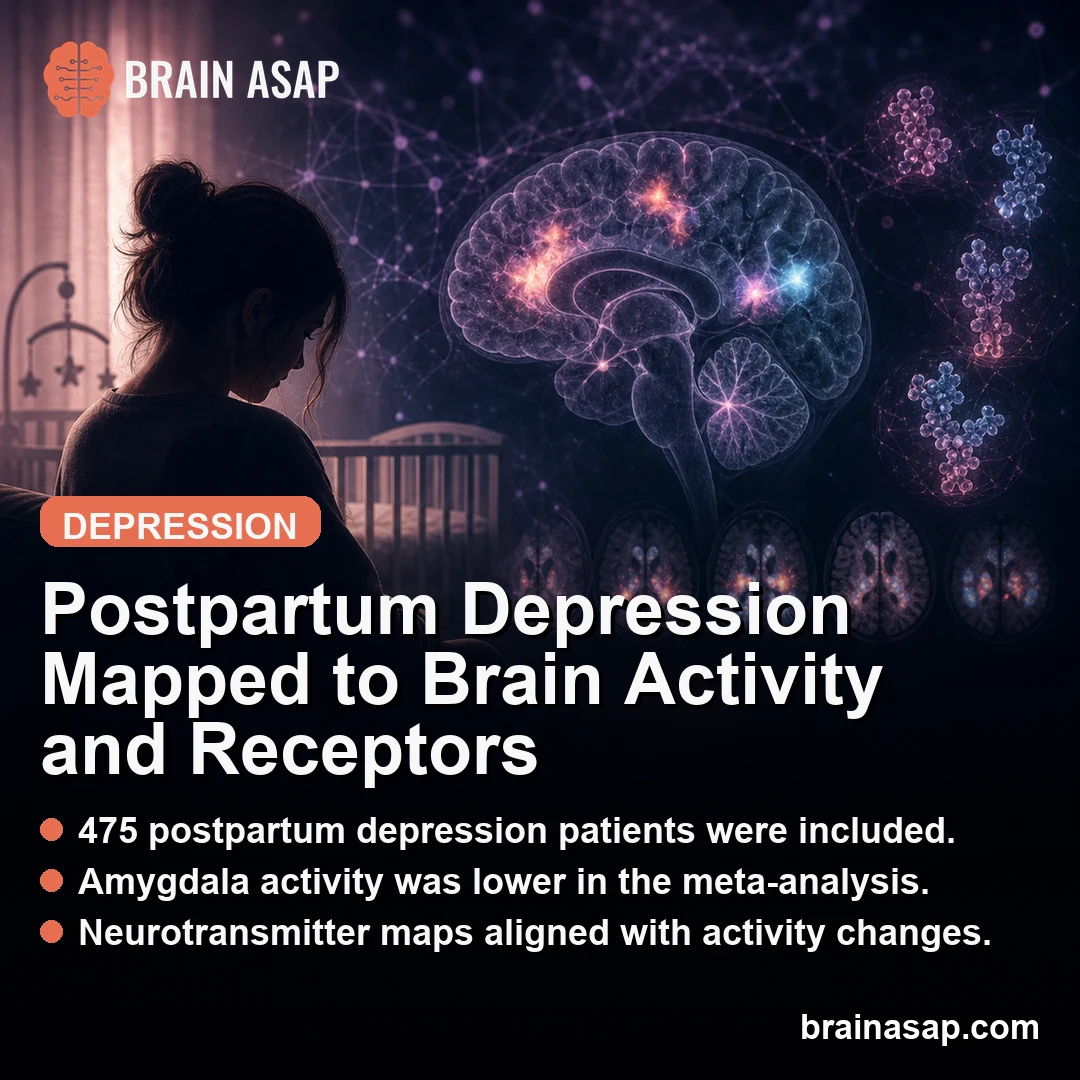
TL;DR: A 2026 meta-analysis in Psychological Medicine found postpartum depression (PPD) brain-activity differences across default-mode, limbic, and sensorimotor regions, with spatial overlap in serotonin, dopamine, and vesicular acetylcholine transporter maps.…
Read article ↗
TL;DR: A 2026 medRxiv preprint found that plasma p-tau217 AI models still separated amyloid-positive from amyloid-negative people across ADNI and A4, but calibration drift made the same probabilities less dependable for clinical decisions. Key Findings Calibra…
Read article ↗
TL;DR: Across 4,000+ people, the relationship between brain activity and cognitive control flipped direction depending on whether researchers compared people to each other or tracked the same person over time. The finding is called nonergodicity — and it means…
Read article ↗
TL;DR: A 2026 review in BMC Psychiatry found 441 primary MRI and electroencephalogram (EEG), a scalp recording of brain electrical activity, mental-health biomarker studies, but most were small, cross-sectional, and concentrated in depression, making routine c…
Read article ↗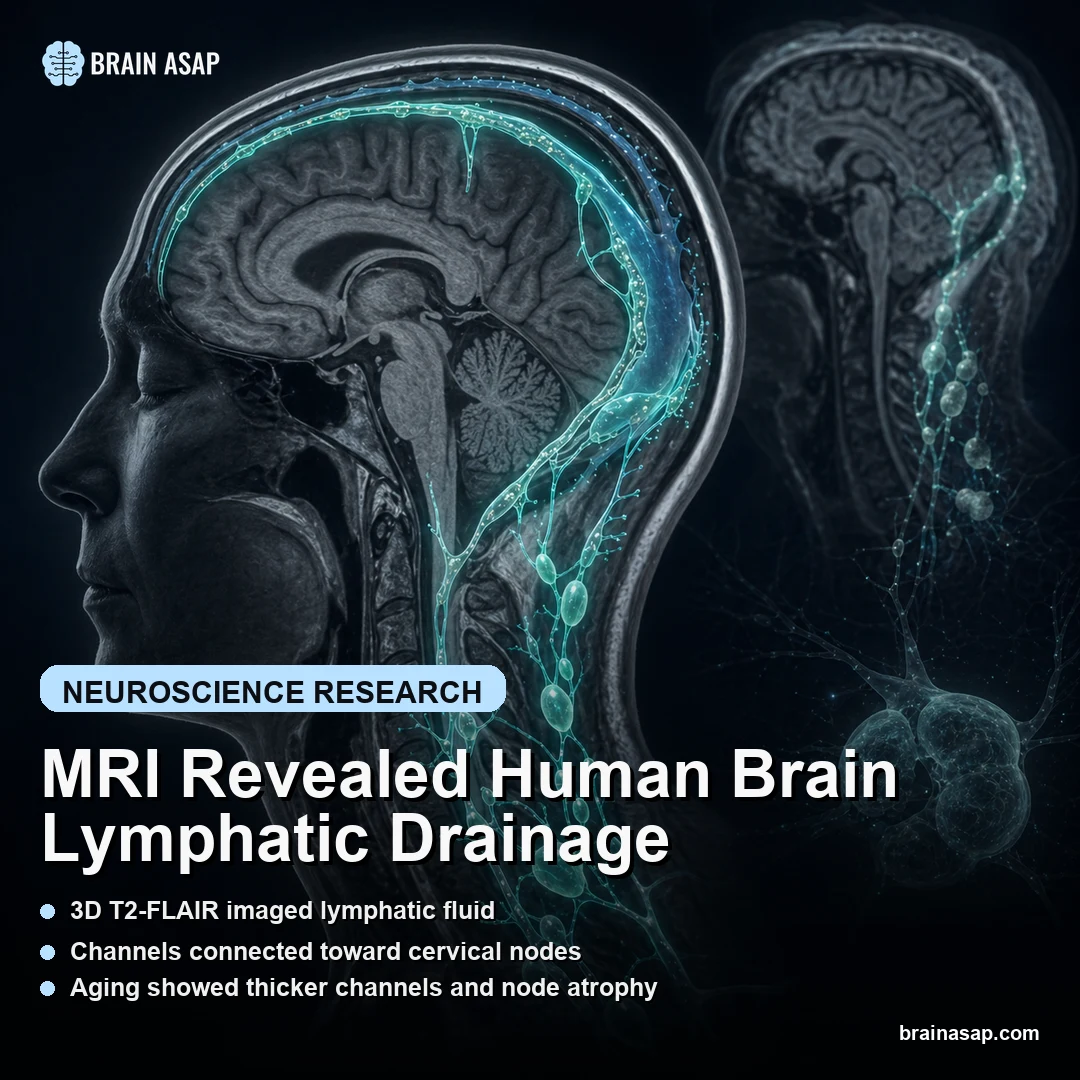
TL;DR: A 2022 study in Nature Communications used non-contrast 3D T2-FLAIR MRI, a scan that suppresses ordinary cerebrospinal-fluid brightness, to map possible brain-border drainage routes toward cervical lymph nodes, but FLAIR brightness alone does not prove…
Read article ↗
TL;DR: A 2026 study in Alzheimer’s & Dementia: Diagnosis, Assessment & Disease Monitoring found that each 10% higher energy share from ultra-processed foods was associated with lower attention scores and higher modifiable dementia-risk scores in 2,192 dementia…
Read article ↗
TL;DR: A 2026 randomized-trial preprint in medRxiv reported that 10 minutes of daily digital meditation reduced anxiety and mind wandering, with the largest gains in people who started with higher symptom burden. Key Findings Ten daily minutes reduced anxiety:…
Read article ↗
TL;DR: A county-level 2026 study in PLOS One found that warmer monthly temperatures in the United States from 2013 to 2024 were associated with higher police-violence death rates, with projected additional deaths by 2050 under high-emissions climate scenarios.…
Read article ↗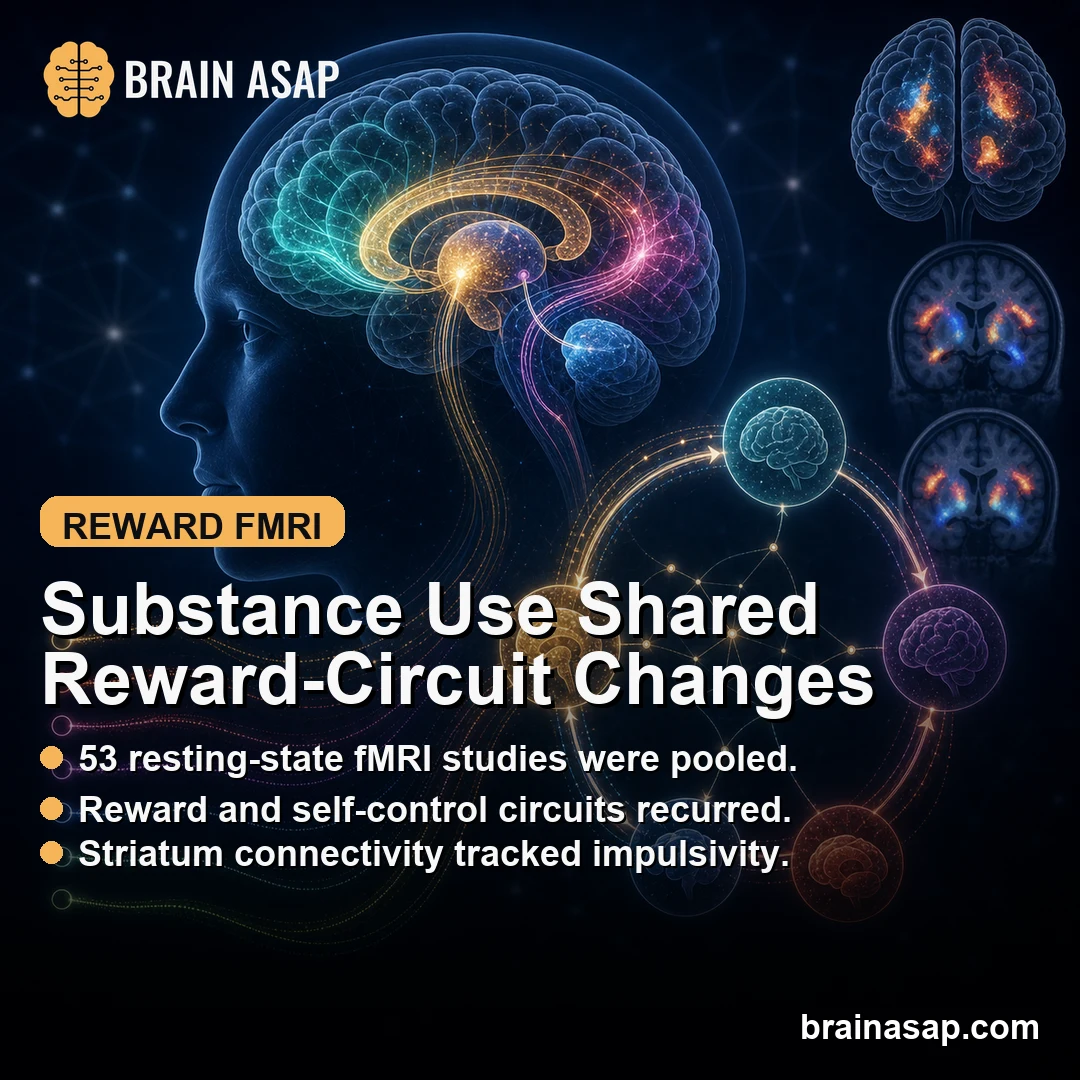
TL;DR: A 2025 systematic review in Translational Psychiatry found that substance use disorder was associated with recurring resting-state functional MRI (rs-fMRI), a scan of spontaneous brain-network communication, abnormalities in reward and self-control circ…
Read article ↗
TL;DR: A 2026 study in PLOS Medicine found that severe infections stayed linked to later dementia in Finland even after researchers accounted for a broad set of noninfectious comorbid diseases. Key Findings 62,555 dementia cases: The analysis matched Finnish a…
Read article ↗